





 Portuguese
  English
  Spanish
  4 min of reading
  1 comment


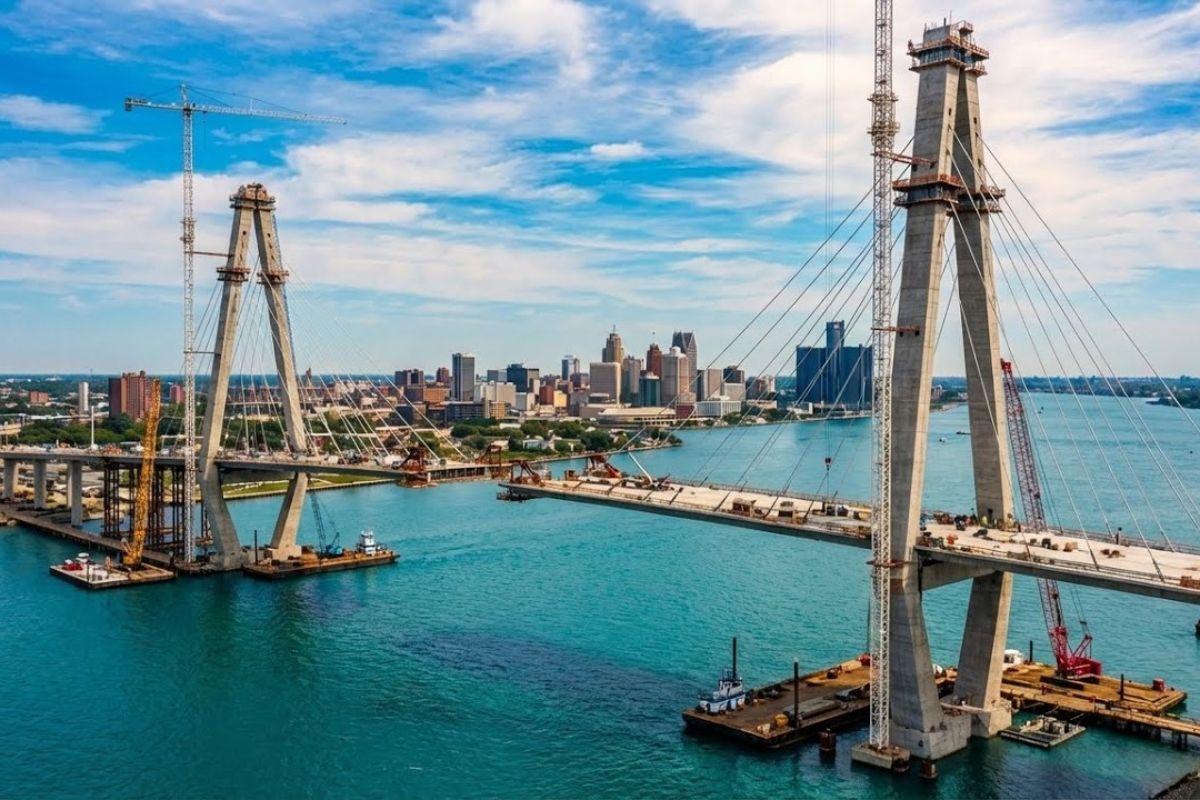


At The Border Between United States And Canada, The Gordie Howe International Bridge Shifted The Trade Axis At Birth From Bored Piles, High-Performance Concrete And Fan-Shaped Cables. In Detroit And Windsor, A-Frame Towers And A Balanced Deck Withstood Wind, Ice And Millimeter Tolerances Today
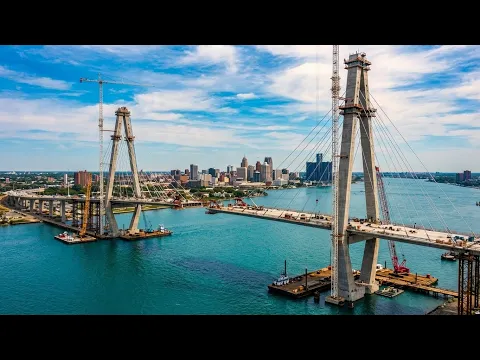
At the border between Detroit, United States, and Windsor, Canada, the Gordie Howe Bridge emerged as a response to the reliance on aging infrastructure that has sustained trade flow between the two countries for decades. The project required massive earthworks, giant customs areas, and simultaneous coordination between federal governments and thousands of workers.
The construction advanced with an extreme engineering roadmap: deep borings, rock-anchored foundations, towers that exceed 700 feet, and a deck built in cantilever without touching the waters of the Detroit River. Each step was guided by continuous geometric control, cable tension adjustments, and meticulous inspections to avoid failures in a structure designed for decades of heavy use.
Where It Happened And Why The Crossing Became A Binational Priority

The bridge was erected over the Detroit River, connecting Detroit to Windsor, at the most sensitive point of the trade corridor between the United States and Canada.
-
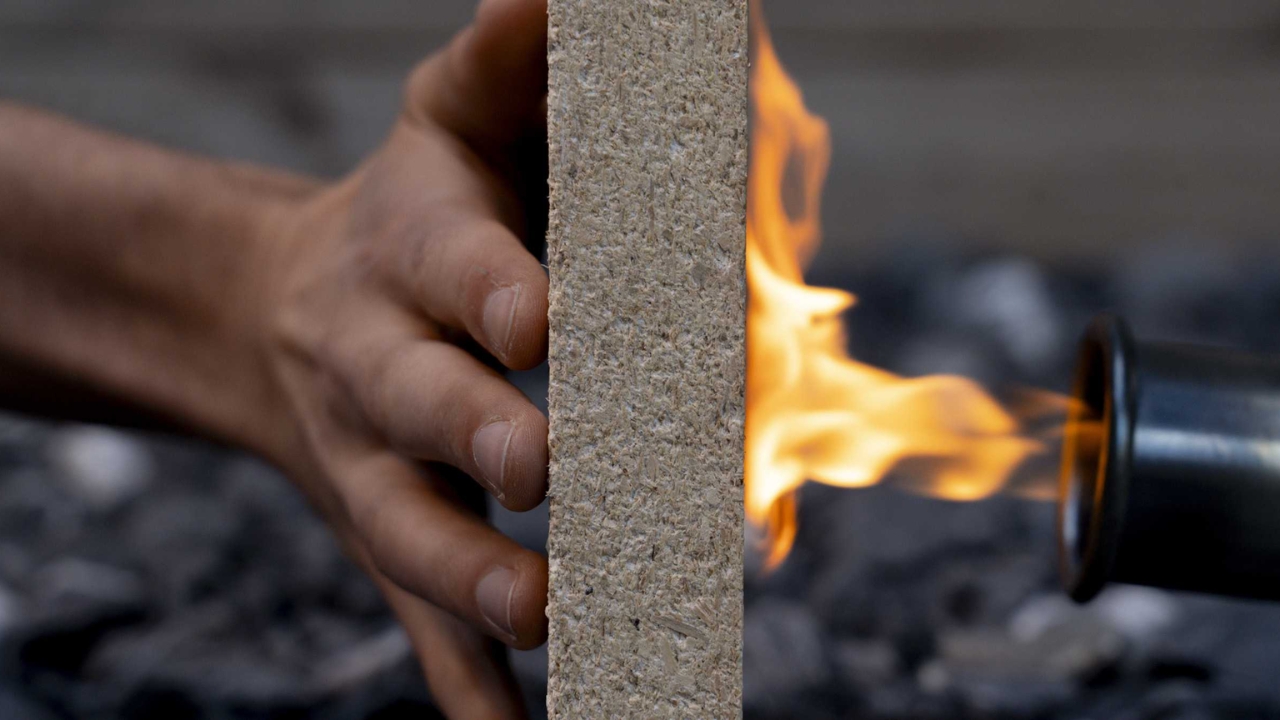
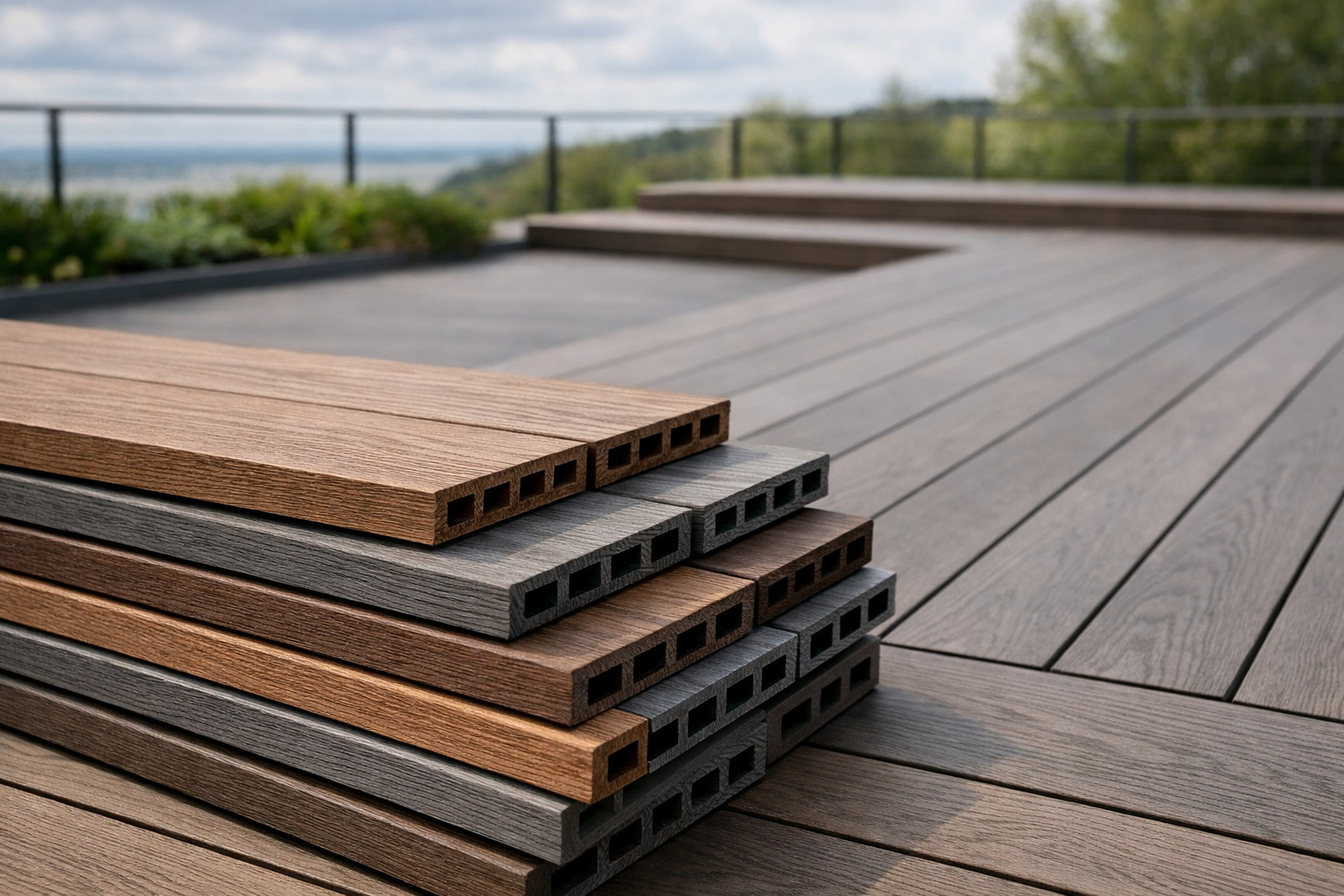
Scientists transform sawdust into fire-resistant panels, stabilize the compound with an enzyme extracted from watermelon seeds, and turn waste into promising material for construction.
-
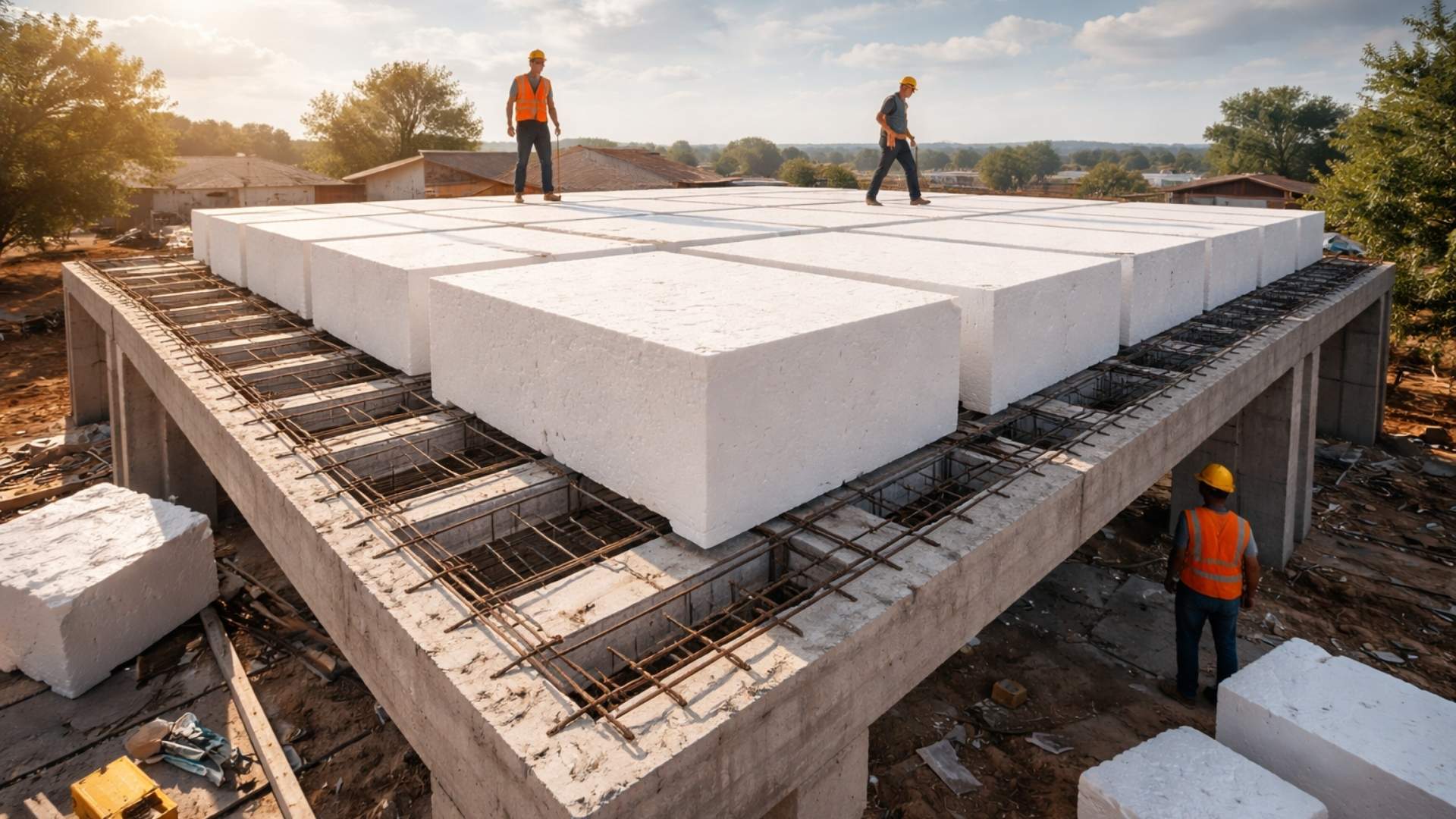
Forget concrete: architects are replacing tons of concrete with giant blocks of expanded polystyrene to build the roofs of houses and reduce structural weight by up to 50%, cut costs, improve thermal insulation, and speed up construction.
-
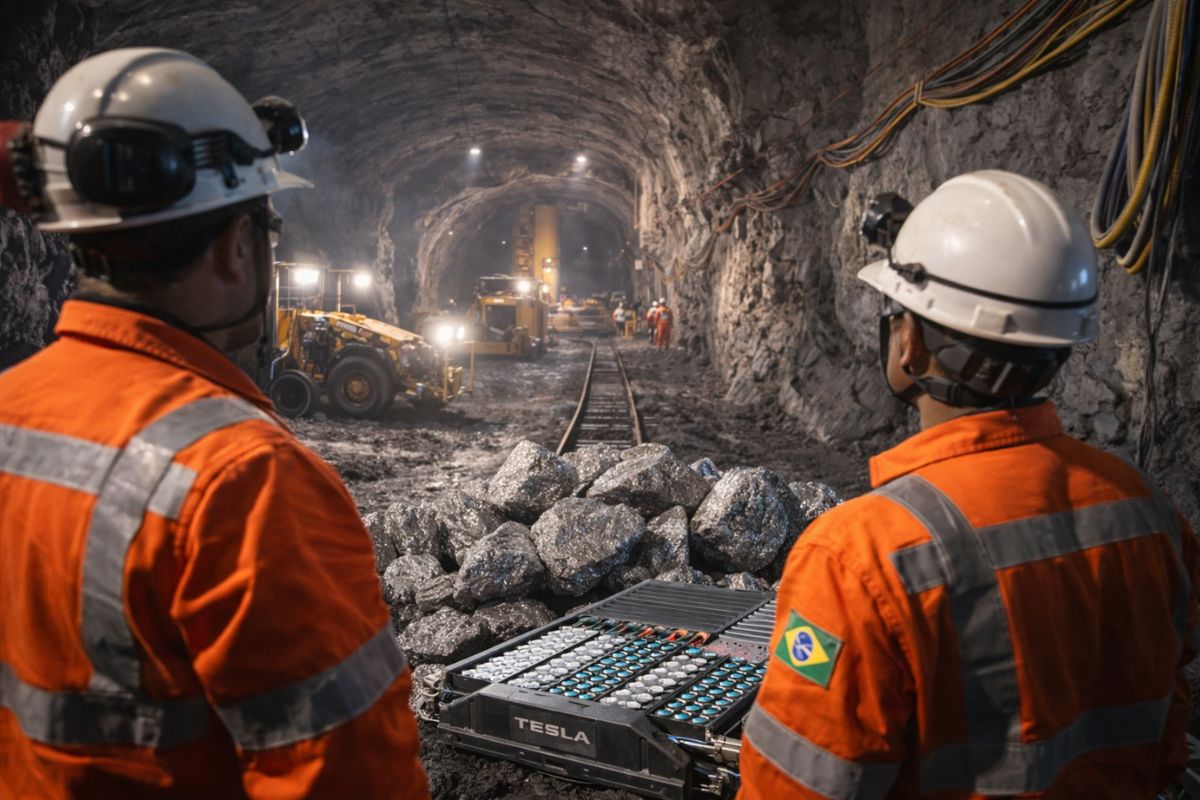
The Brazilian state enters the center of the global race for critical minerals by starting the construction of the largest underground nickel mine in Latin America, a mineral essential for electric car batteries that the entire world is competing for at this moment.
-
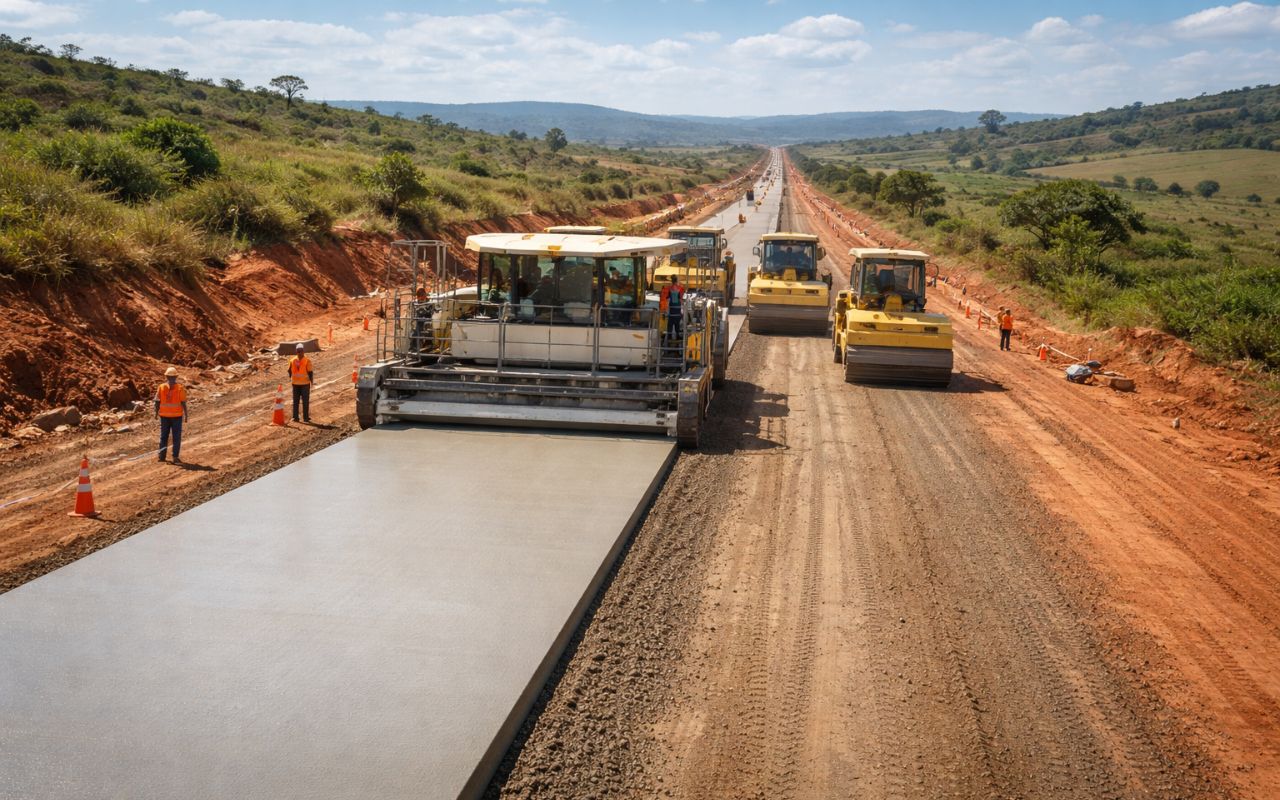
New CCR concrete paving technology promises roads up to 3x more durable, less maintenance, and cost reduction in Brazil.
The stated motivation was to increase capacity and logistical reliability, replacing the dependence on old structures and reducing access bottlenecks on both sides.
In addition to the main span, the project included the creation of large entry ports and traffic processing facilities, described as operational cities on land.
The integration required ramps and kilometers of new road connections, linking the crossing to Interstate 75 and, on the Canadian side, to Highway 401.
Complex Bases And Borings That Sunk More Than 30 Meters

Before any tower appeared on the horizon, teams mapped the terrain and began earthworks with the removal of the surface layer and industrial debris.
The region near the river presents complex geotechnical conditions, which led to deep solutions to avoid settling and ensure long-term stability.
The base of the bridge was created from bored piles that sink more than 30 meters into the ground, with large rebar cages hoisted and positioned with precision.
The steel descended to the bedrock to anchor the foundation, followed by concrete pouring with a high-performance mix, vibrated to eliminate air bubbles and prevent weak points.
Marathon Concreting And Foundation Blocks Hidden Below The Surface

With the wells completed, teams excavated around to form pile foundations described as the “feet” that distribute the weight of the towers.
The steel density in the foundations was treated as immense, requiring weeks of manual tying by ironworkers.
The concrete phase was a test of logistical endurance: continuous flow for hours to avoid cold joints and ensure a monolithic slab.
After curing, the foundation delivered the leveled platform that allowed for the project to ascend towards the towers and the cable system.
A-Frame Towers And Quality Control At Every Inch
The legs of the towers began to rise with climbing forms and a hydraulic lifting system, advancing section by section after the concrete cured.
The method maintained a constant pace and required recurring inspections for cracks and imperfections, with tolerances treated as an obsession on site.
The towers grew like two separate legs until connected by a lower cross beam, responsible for lateral stability.
Inside, the environment was described as cramped, with steel, sweat, and repeated routines, while cranes supplied the top with materials to great heights.
Fan-Shaped Cables And A Deck In Cantilever Without Touching The Water
The most dramatic phase came when the deck needed to extend over the open space of the river.
As the project avoided placing supports in the water, the deck was built outward, segment by segment, with specialized cranes hoisting steel pieces hundreds of meters.
The cycle repeated almost mechanically: lift, bolt, install cables, tension.
The cable pattern became a complex fan, and engineers continuously monitored the geometry to keep the deck perfectly flat, compensating for thermal expansion and the weight of the construction site itself.
Meeting In The Middle Of The River, Load Testing And Final Finishing
As the two fronts approached, teams began to see themselves separated by only a few meters.
The key segment was hoisted with lines shared by cranes from both countries, closing the physical gap and allowing workers to meet in the middle of the crossing.
Then came pre-cast panels, joint sealing with high-strength mortar, an additional layer of rebar, and final paving to support thousands of heavy trucks daily.
Sensors were integrated to monitor wind, ice, and traffic flow, followed by load tests with dump trucks to confirm deformations within expected limits.
Customs Squares, Lighting And The Invisible Infrastructure That Supports The Bridge
As the main span took shape, large customs plazas were erected on land, with technology and design aimed at efficiency and safety.
The bridge also received a waterproofing membrane to protect the concrete from salt and ice, as well as reinforced barriers and lighting along the cables.
The structure was completed with a multi-use path for crossing on foot or by bicycle, and the planned operation involves quick emergency response and future inspections on maintenance walkways installed beneath the deck.
In your opinion, does a bridge of this size justify the risk and cost due to binational trade, or should such large-scale projects be replaced by less aggressive and cheaper alternatives?





espetacular √ק>!!!
OK