





 Portuguese
  English
  Spanish
  5 min of reading
  0 comments


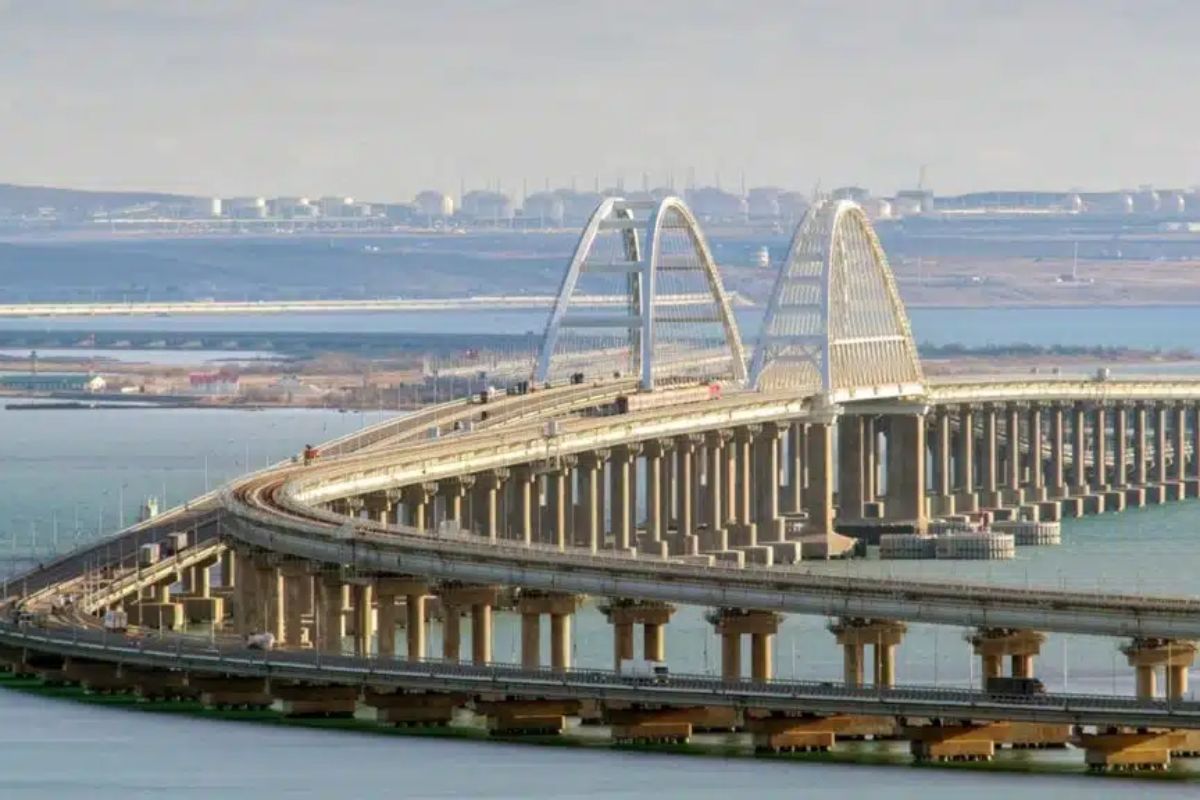
Longest Bridge In Europe With Almost 19 Km Links Taman To Crimea In The Kerch Strait And Switched Ferries For Continuous Corridor. The Structure Costs R$ 13 Billion, Has Four-Lane Highway And Dual Railway, With 227-Meter Metal Arch For Ships And Deep Piles For Stability
The longest bridge in Europe has been described as a colossus of nearly 19 kilometers that has become a vital corridor in the Kerch Strait by replacing ferry crossings that were subject to queues and interruptions. The structure connects the Taman Peninsula in southern Russia to the Crimean Peninsula, linking the Black Sea to the Sea of Azov.
The bridge is also presented as an engineering and logistics landmark that cost R$ 13 billion, operates with a four-lane highway and dual railway, and maintains navigation through a central span with a metal arch of about 227 meters.
Almost 19 Km In The Kerch Strait And The Taman Crimea Link

The longest bridge in Europe has almost 19 kilometers in length and crosses the Kerch Strait, a strategic region that connects the Black Sea to the Sea of Azov.
-
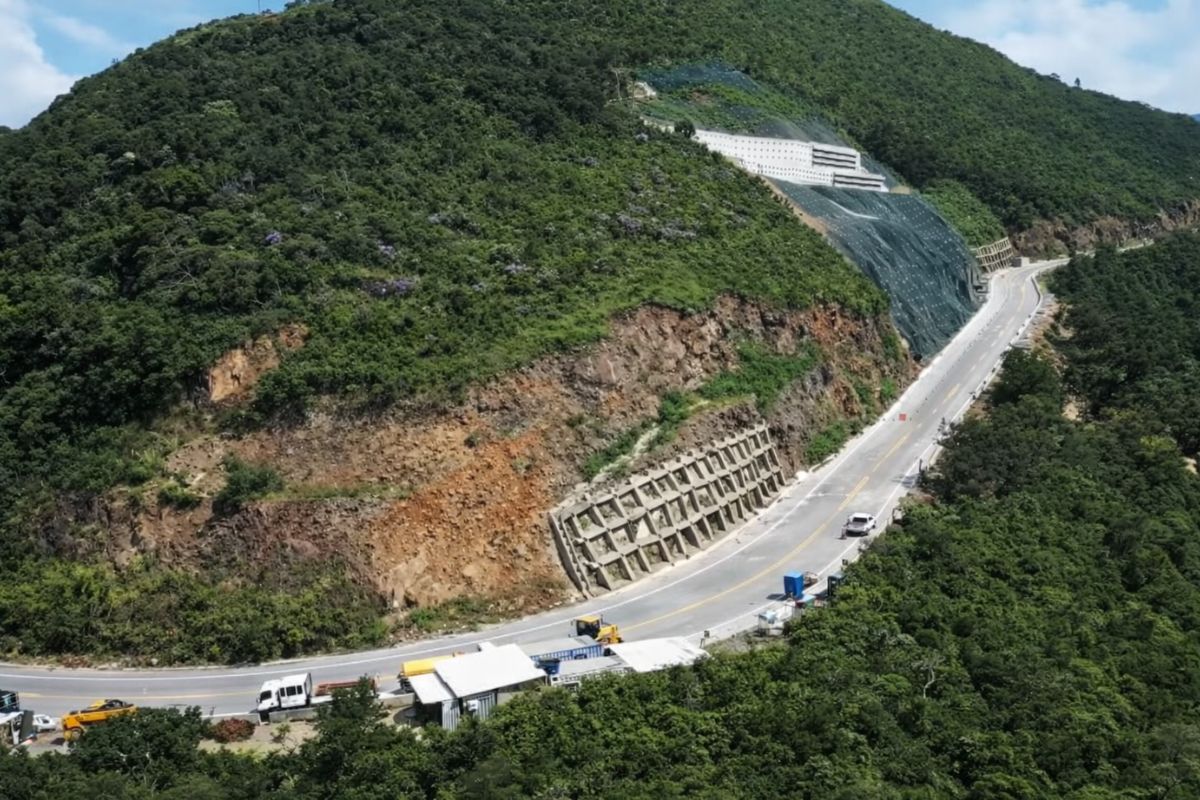
The section of Serra da Rocinha on BR-285 is now open in Timbé do Sul: 50 m tensioned curtains and top-down technique stabilize the slope, with a stairway duct controlling the water.
-
Scientists use sawdust mixed with clay to create a lighter brick, promising efficient thermal insulation and impressing by transforming waste into a solution for construction.

-
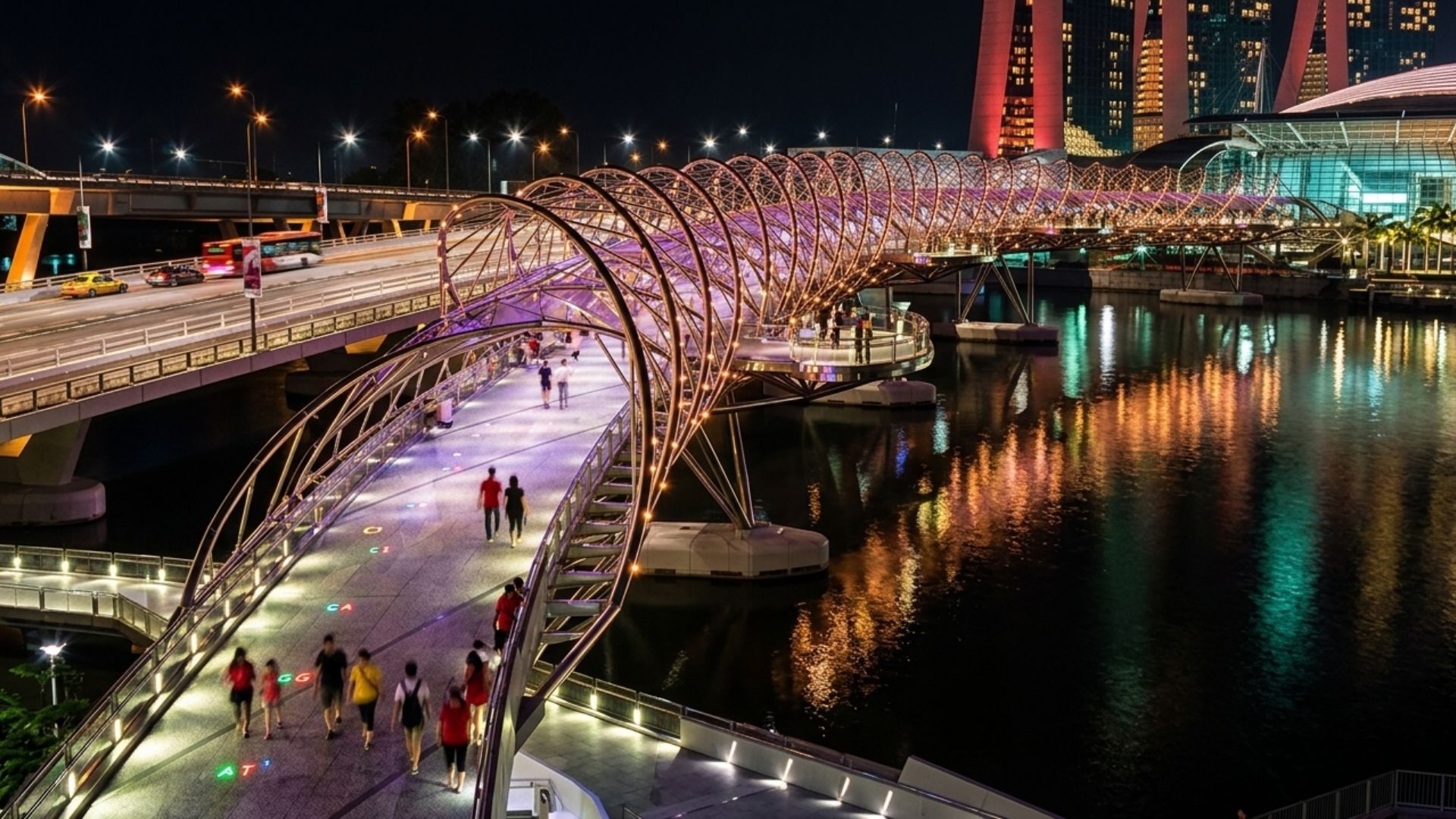
With a DNA shape, this bridge in Singapore draws attention in modern architecture and surprises tourists by transforming a simple crossing into an unforgettable visual experience in the urban heart.
-
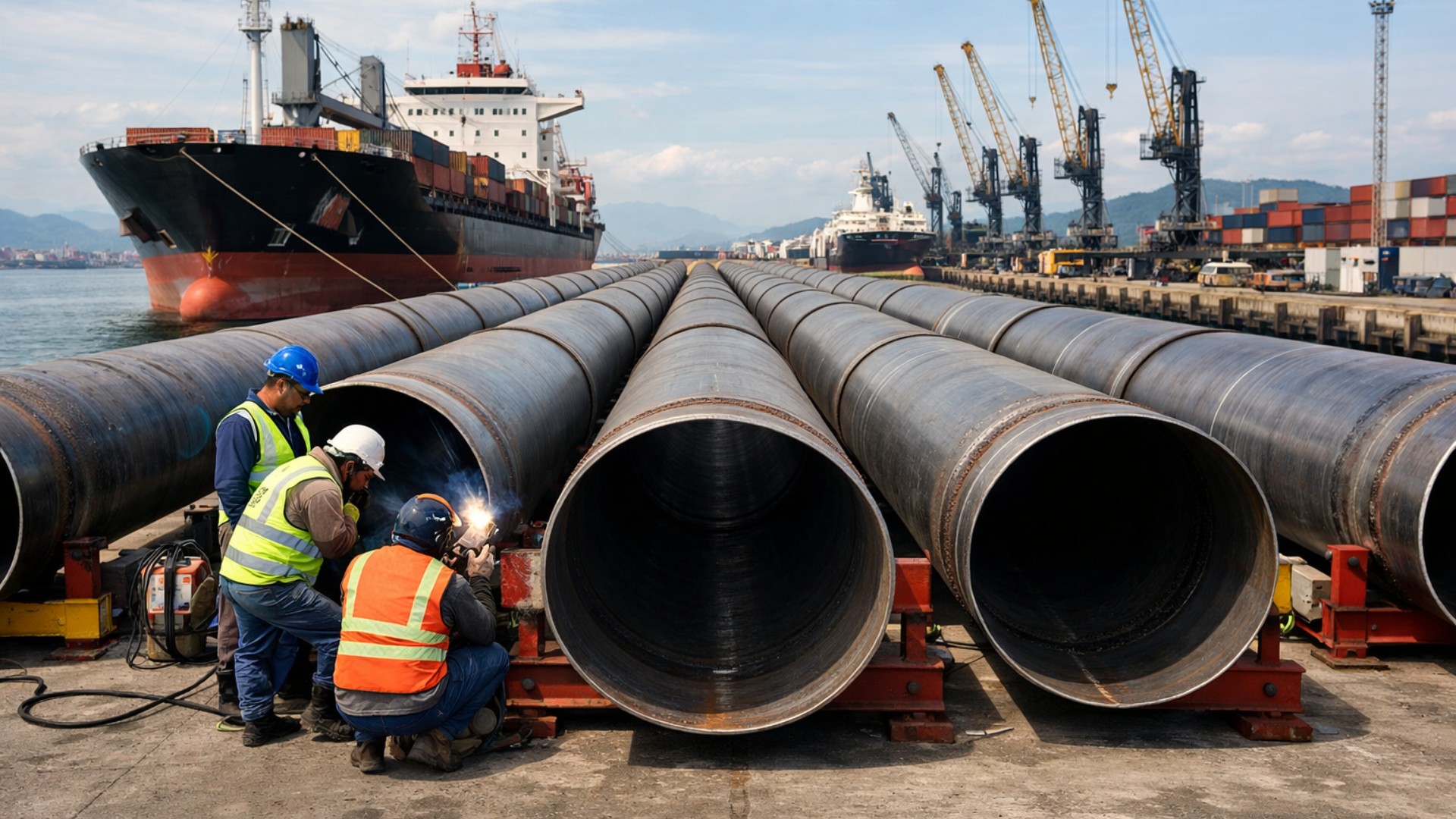
Giant underwater pipeline begins to take shape with a R$ 134.7 million project at the Port of Santos: the 1.7 km structure uses 12-meter and 700 mm pipes to supply water to 450,000 people in Guarujá.
The structure directly links Taman to Crimea and concentrates a logistical, economic, and geopolitical impact associated with the condition of a permanent corridor.
The location is part of the project’s significance.
By crossing the strait, the longest bridge in Europe reconfigures the crossing that previously depended on ferries and now provides a fixed connection between peninsulas, impacting cargo transport, passenger circulation, and operational regularity.
Structure In Two Parallel Bridges And Flow Division
The longest bridge in Europe was designed as two parallel structures. One part is a roadway with four traffic lanes and a railway section with two train lines for cargo and passengers.
The solution is described as a way to divide flows, enhance safety, and optimize daily operations throughout the year.
By combining a four-lane highway and a dual railway, the corridor creates internal capacity redundancy and accommodates different traffic profiles, including trucks, cars, buses, and trains, reducing reliance on a single mode of transport.
227-Meter Metal Arch And Navigation Continuity
From an engineering perspective, the longest bridge in Europe combines sections in viaducts and segments over tall pillars, along with a central span in a metal arch of about 227 meters.
This arch is noted as the element that ensures the passage of large vessels through the Kerch Strait.
The design preserves maritime routes between the Black Sea and the Sea of Azov without compromising commercial and military navigation, a relevant point in a strait described as strategic for trade and ship movement.
End Of Ferry Dependence And The Continuous Corridor
One of the most direct impacts attributed to the longest bridge in Europe is the replacement of ferry crossings, which were subject to queues and interruptions.
With the establishment of the continuous corridor, the text indicates a reduction in delays, greater predictability, and a decrease in logistics costs for essential goods and industrial products.
The logistical effect is described as a structural change in supply and flow of people.
By replacing the uncertainty of ferries with continuous traffic, the longest bridge in Europe functions as a regularity axis for supply chains and movements.
Supply, Cargo, And Tourism As Cited Economic Effects
Among the economic effects associated with the longest bridge in Europe, the text highlights regular supply of food, fuels, and construction materials.
It also mentions a reduction in travel time and operational risks in cargo transport.
Tourism appears as the second vector.
The longest bridge in Europe is linked to an increase in tourist flow and expansion of hotels, restaurants, and leisure facilities, indicating closer economic integration between regional markets and Russian urban centers.
Geopolitical Relevance And The Weight Of The Post-2014 Period
The longest bridge in Europe is described as infrastructure with strong symbolic and strategic weight, especially after 2014, when the peninsula became the center of tensions in Eastern Europe.
The structure is presented as a tool for territorial integration with Russian territory and a political message of permanent presence.
In the same context, the text states that the bridge has become a sensitive point in regional disputes and has received reinforced monitoring and protection systems.
Any alteration in its operation is likely to resonate in debates about security, circulation of goods, and power balance around the Black Sea.
Soft Soils, 7 Thousand Deep Piles, And Winds On The Construction Site And Operation
The cited technical challenges include soft and unstable soils that render traditional shallow foundations unfeasible.
To ensure stability, more than 7,000 deep piles were installed, some nearly 90 meters long, distributing weight and allowing resistance to moderate seismic activity recorded in the region.
Another challenge mentioned involves ocean currents and strong winds.
The text mentions planning work windows, using support vessels, and monitoring systems.
After inauguration, sensors and periodic inspections monitor deformations, stresses, and expansions, treating the structure as a laboratory for modern solutions in large spans over the sea.
Continuous Operation, Variable Rules, And Freight And Passenger Rail Usage
The longest bridge in Europe is described as designed for continuous operation, 24 hours a day, with occasional interruptions only in situations of maintenance, accidents, or adverse weather conditions.
Regarding tolls, the text states that tariff rules may change over time and that the crossing was conceived with a strategic and integration component, influencing tariff policy.
In the dual railway, the section was designed for both cargo and passenger trains, connecting Crimea to other Russian cities.
The longest bridge in Europe, with almost 19 km and a cost of R$ 13 billion, replaced ferries with queues and interruptions and became a vital corridor in the Kerch Strait by linking Taman to Crimea with a four-lane highway and a dual railway.
In the same package, the project includes a 227-meter metal arch for the passage of vessels and foundations with over 7,000 deep piles to tackle unstable soils.
The described impact combines logistics, supply, and tourism, while geopolitical relevance appears as a permanent component since 2014.
In operational terms, the longest bridge in Europe is treated as sensitive infrastructure, monitored and with a central role in regional circulation.
Do you see the longest bridge in Europe as a more logistical project, more symbolic, or both at the same time?









-

-

-

5 pessoas reagiram a isso.