





 Portuguese
  English
  Spanish
  3 min of reading
  0 comments


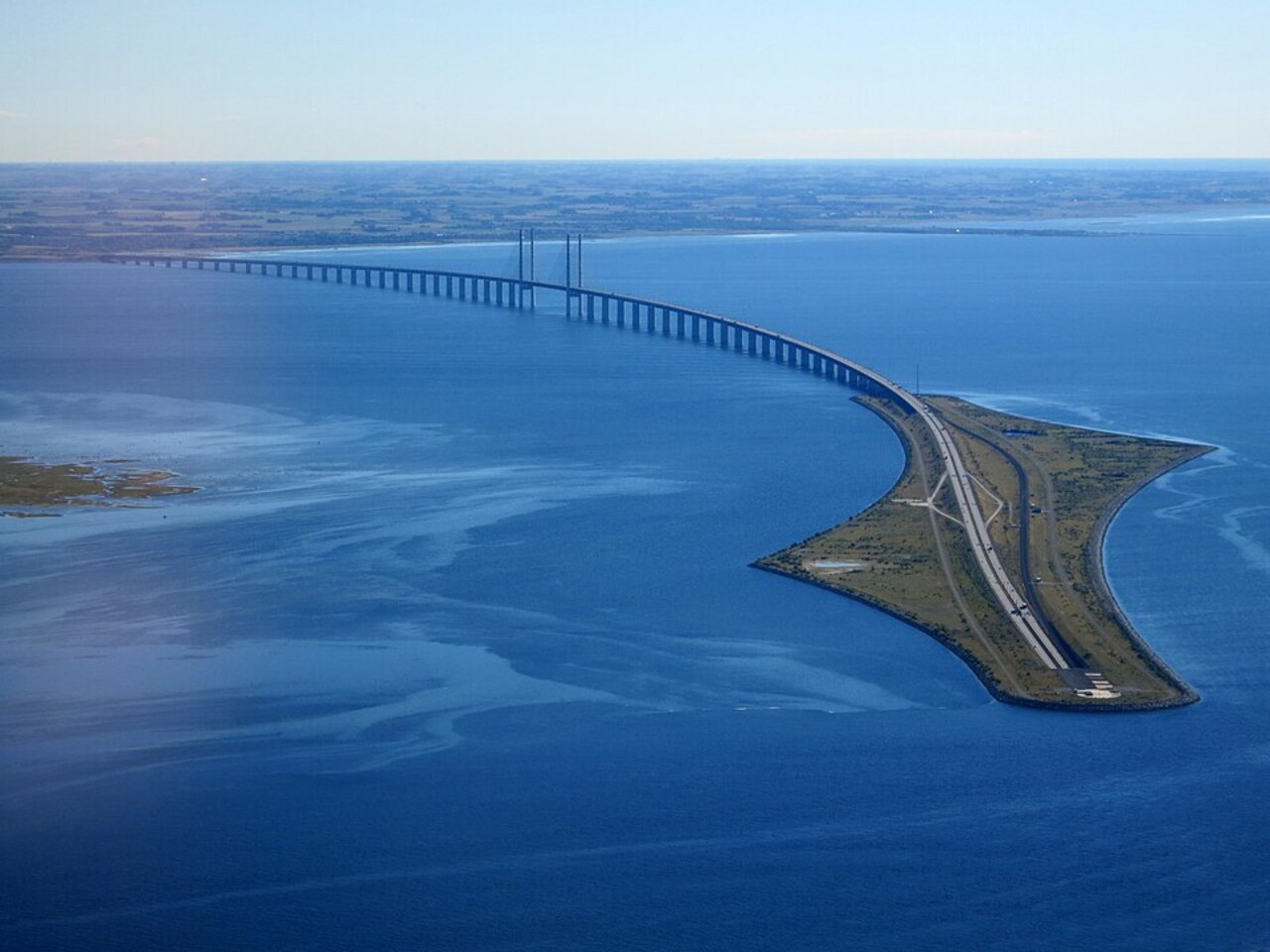
With Submerged Start and Suspended End, The Øresund Bridge Transforms A Simple Crossing Between Countries Into An Engineering And Landscape Experience
Traveling from Copenhagen, Denmark, to Malmö, Sweden, is an experience unlike any other. This journey involves a unique crossing, made by one of the most remarkable engineering works in Europe. It is the Øresund Bridge, a structure that combines bridge and tunnel in one path.
The route starts underwater. Then, the road emerges and transforms into an imposing bridge over the Baltic Sea.
The structure connects more than two countries: it brings together ideas of engineering, innovation, and the environment into a single path.
-
The lack of welders, electricians, and operators becomes a structural threat in 2025, with the construction industry and manufacturing already suffering from delays, cost pressures, and labor shortages in Brazil.

-
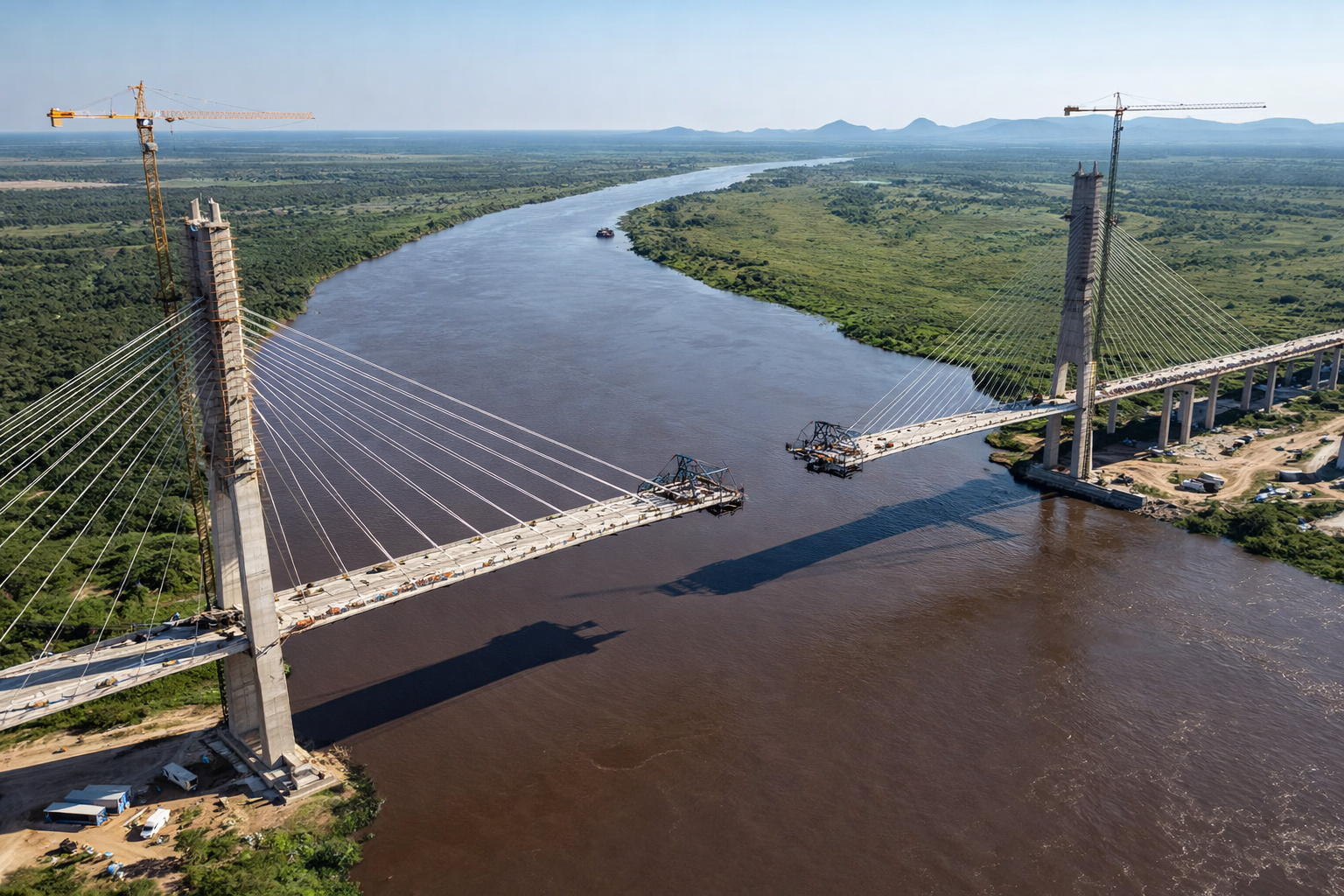
Brazil and Paraguay are just 46 meters away from a historic union on the bioceanic bridge that promises to revolutionize trade between the Atlantic and the Pacific.
-
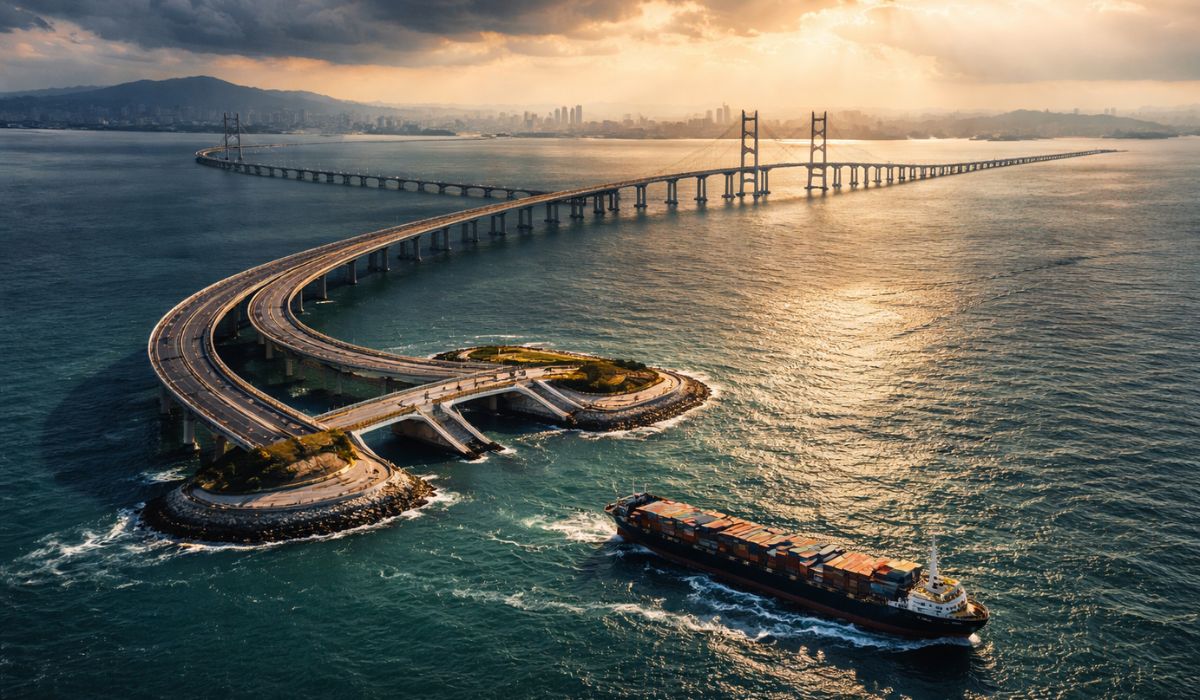
With 55 km over the sea, a cost of US$ 20 billion, and enough steel to build 60 Eiffel Towers, China’s largest project has connected Hong Kong, Zhuhai, and Macau in a colossal bridge that defies the logic of engineering.
-
A trick with joint compound transforms a Styrofoam ceiling into a plaster-like ceiling: leveled panels, wires and mesh at the joints, sand, paint, and change the environment while spending little today.

Submerged Start, Suspended End
The journey begins on the Danish side with a submerged tunnel. It stretches for more than four kilometers underwater.
This tunnel leads to an artificial island. From there, the road rises to a bridge that is nearly eight kilometers long.
This elevated bridge is supported by cables and robust pillars. In addition to cars, trains also use the structure.
The project was designed to balance cost, functionality, and preservation. A complete bridge would hinder maritime navigation. A full tunnel would be too expensive. The solution was to combine both.
The project has also been designed to withstand the local climate. Winds, rain, sudden temperature changes — everything was taken into account to ensure safety and full operation throughout the year.
The Invisible Island of Tourism
Between the tunnel and the bridge is Peberholm, a 4.5-kilometer artificial island. It does not appear in tourist itineraries. The reason: it was not made for visitors, but for science. Without inhabitants, the place has become a natural laboratory.
Researchers go there to study the natural colonization of the island. Without direct human interference, the fauna and flora have spontaneously developed.
More than 500 species of plants and about twenty types of birds have been recorded. The island also serves as a transition point between the underground section and the elevated portion of the crossing.
Øresund Bridge: Impressive Numbers
The Øresund Bridge impresses with its technical data. The elevated structure weighs more than 80,000 tons. Its main span is 490 meters.
The cables that support the bridge were developed with advanced technology to withstand vibrations and gusts of wind.
The central pillar of the bridge exceeds 200 meters in height. The work was constructed between 1995 and 2000. It took five years until inauguration.
The total cost of the project was approximately US$ 1.5 billion. Since then, it has shortened the travel time between the two cities. Previously, the journey could only be made by lengthy ferries or by plane.
In addition to functionality, the project stands out for being the longest bridge in Europe with simultaneous road and rail transport. A technical achievement that remains a reference worldwide.
From Setting to Cultural Symbol
The bridge has also become a cultural symbol. It was the setting for the series “The Bridge,” a Swedish-Danish crime production.
The story used the connection between the countries as a metaphor for cultural and linguistic differences.
The series gained international popularity and brought the Øresund Bridge to the attention of people all over the world.
Many tourists began to visit the bridge after watching the series. The cultural impact was as great as the technical impact.
Technology With Awareness
The choice to combine tunnel, island, and bridge also had another motivation. The solution helps avoid interference with the flight paths of Copenhagen Airport and reduces the environmental impact of the construction.
The bridge is now a symbol of cooperation, innovation, and environmental respect. Crossing its 16 kilometers can be more than a simple journey.
It is an opportunity to see how engineering and nature can coexist in the same space.
In addition to shortening distances, the bridge has become part of the landscape, culture, and even the identity between Denmark and Sweden. A technical landmark that has also become a human landmark.
With information from Tempo.com.








-

Uma pessoa reagiu a isso.