





 Portuguese
  English
  Spanish
  3 min of reading
  0 comments


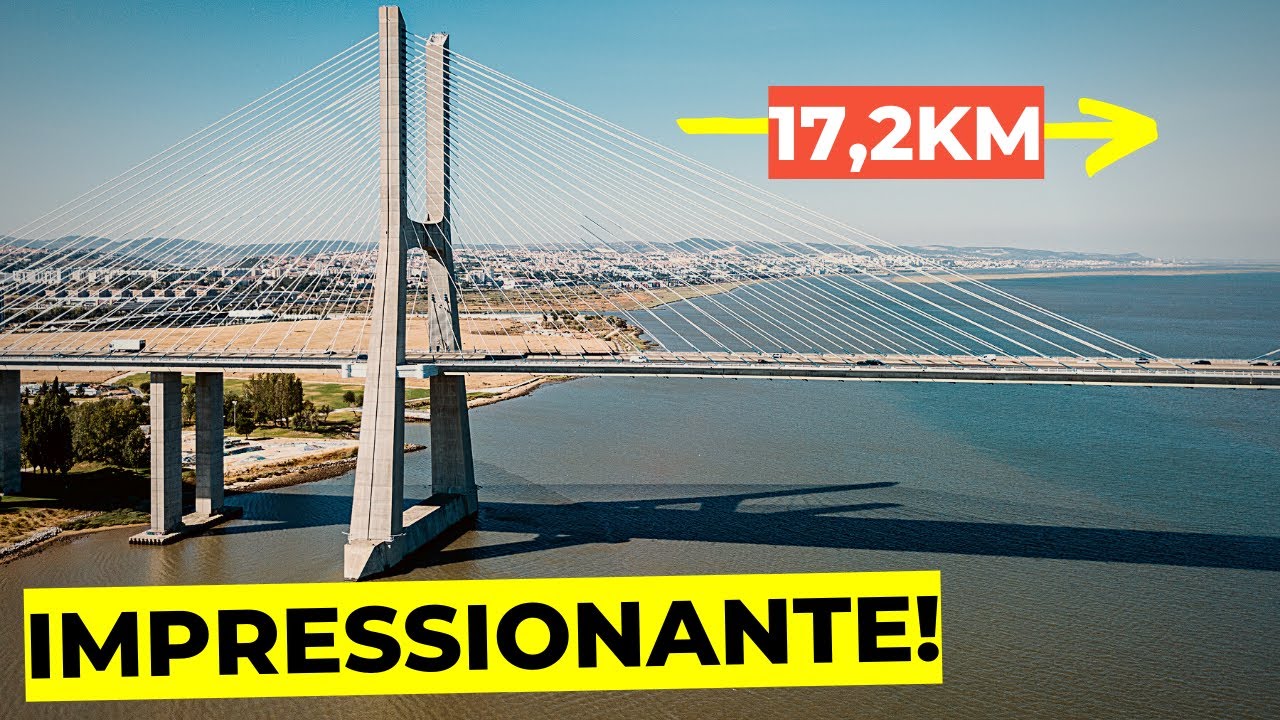
In 1998, Portugal inaugurated the imposing Vasco da Gama Bridge, with a length of 17.2 km over the Tagus River. The work not only impresses for its engineering but also transformed the economy, traffic, and regional development, connecting Lisbon to the municipalities of Montijo and Alcochete.
In March 1998, Portugal inaugurated the Vasco da Gama Bridge, one of the largest engineering works in Europe. Named after the navigator who opened the sea route to India, the bridge not only celebrates Portuguese history but also transformed mobility and economic development in the region.
A Monumental Work Over the Tagus
Built over the Tagus River, the Vasco da Gama Bridge has a length of 17.2 kilometers, a width of 30 meters, and a height of 148 meters.
Its imposing structure includes a deck suspended by cables anchored to the main towers, which reach 150 meters in height. The deck is 47 meters above the water, allowing medium-sized ships to pass through.
-
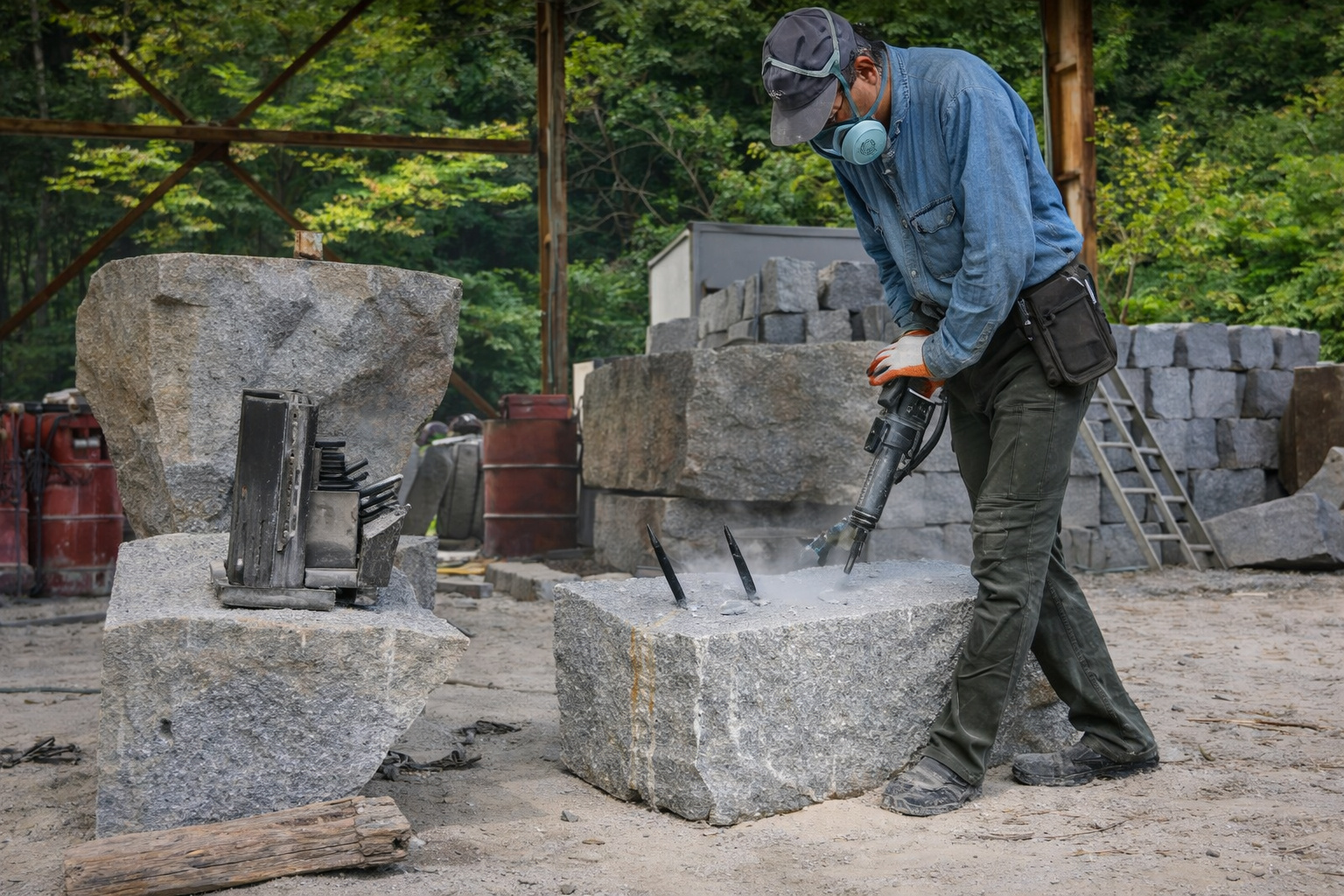
A Japanese mason transforms raw granite into small cups and handcrafted utensils, collects giant stones, cuts with precision, and impresses with detailed manufacturing and finishing.
-
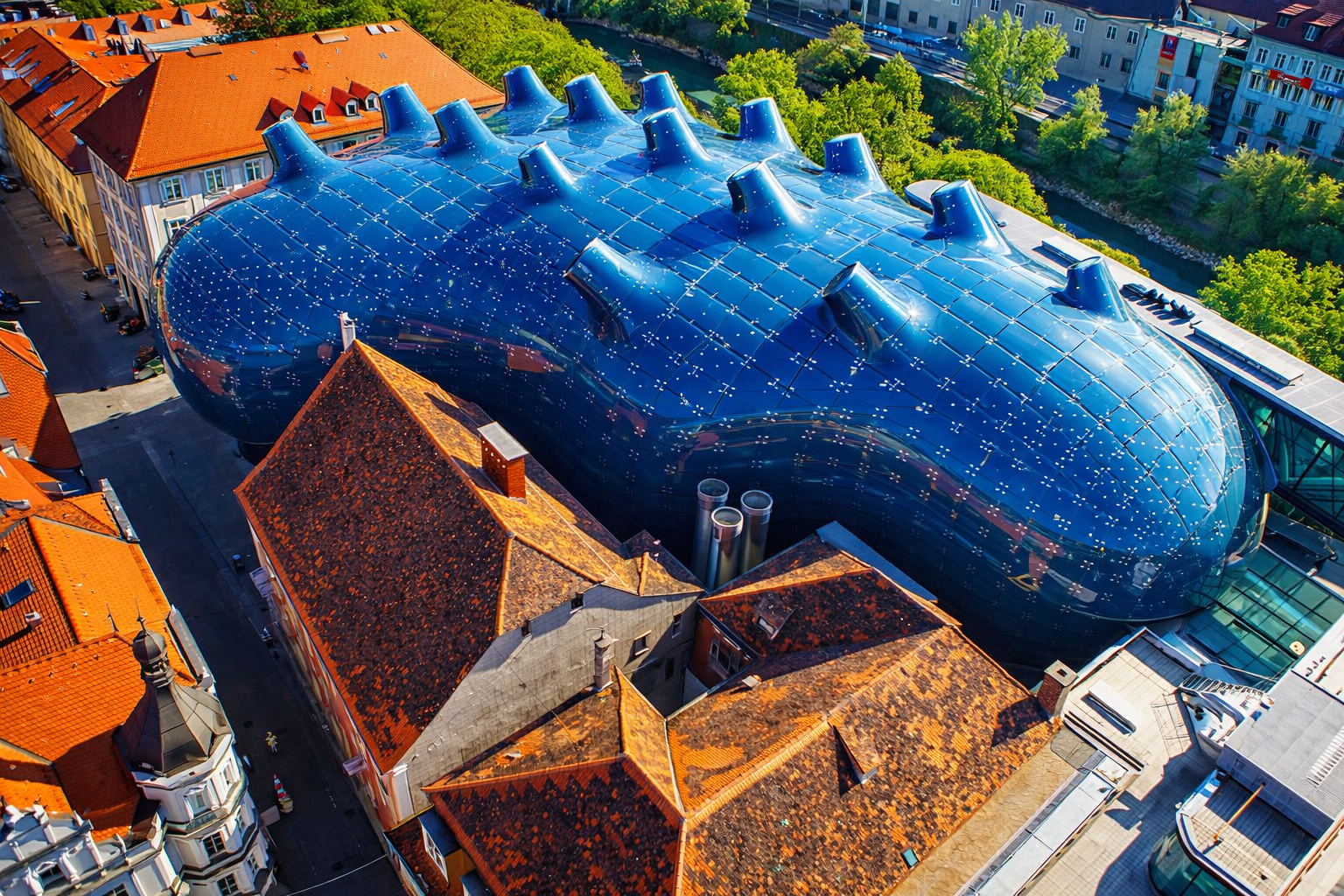
With 1,066 acrylic panels, the building known as the friendly alien is supported by a steel skeleton, has a façade that functions as a giant screen, and impresses the world without any internal columns.
-
Scientists warn that a comet about 1 km in size that has started to release gases may actually change direction in space. It was spotted by NASA and surprises with potential impacts near Earth.

-
These living root bridges and ladders are over 700 years old and help indigenous people survive in one of the rainiest regions in the world.


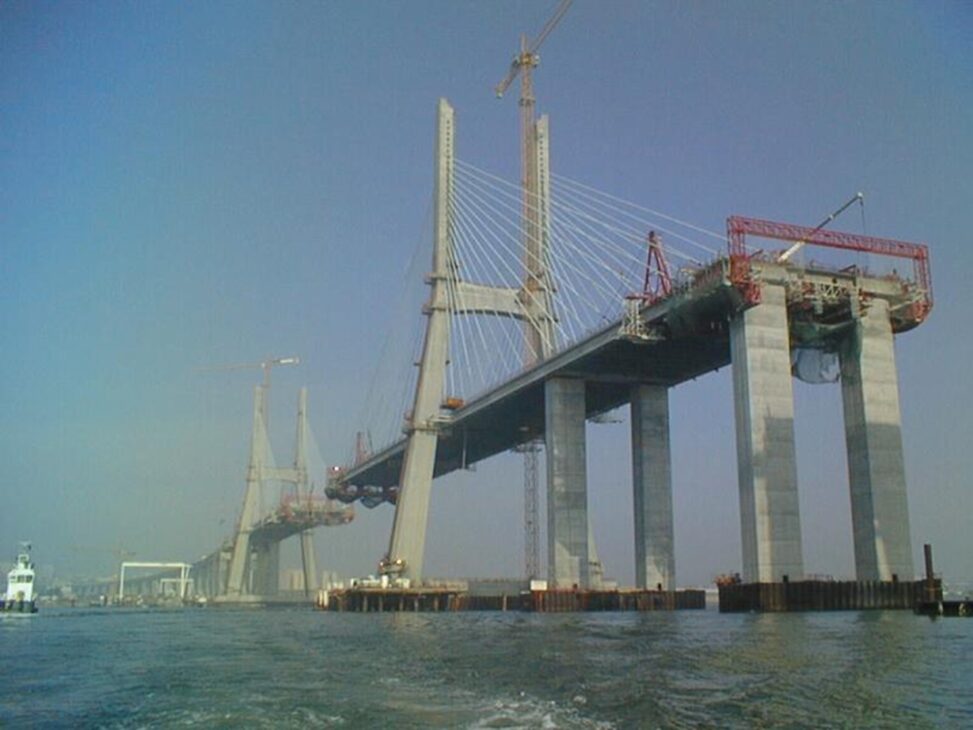
Construction began in February 1995 and was completed in March 1998, totaling 37 months of work.
About 3,300 workers participated in the project, using 100,000 tons of steel. Since its opening, the bridge has become an essential route, with over 62,000 vehicles crossing the river daily.
Regional Impact and European Funding
The Vasco da Gama Bridge played a decisive role in the development of the municipalities of Montijo and Alcochete.
The direct connection to Lisbon encouraged population and economic growth in these localities. With increased mobility, trade and tourism also expanded, bringing new business and opportunities.
The project benefited from resources from the Cohesion Fund of the European Union and a loan of 299 million euros from the European Investment Bank (EIB).
According to Nuno Ascenso Pires, coordinator of EIB operations in Portugal, the funding helped mobilize other sources of resources and ensured compliance with established deadlines and budgets.
In addition to construction, European support generated long-term impacts on the country’s economy and transport infrastructure.


Technical Challenges Overcome
From the beginning, engineers faced significant technical challenges. The foundations required driving deep piles into the riverbed to support the pillars.
The main towers were designed to withstand impacts from ships weighing up to 30 thousand tons.
The bridge was designed to resist winds of up to 250 km/h and earthquakes 4.5 times stronger than the Lisbon earthquake of 1755.
António Rosa, Executive Director of Lusoponte, the company responsible for the management of the bridge, highlights the complexity of the project. He states that ensuring the stability of the structure and coordinating logistics in such a wide area were immense challenges successfully overcome.
Environmental Protection
Located over the Tagus Estuary Natural Park, the construction of the bridge required strict environmental care.
To preserve local biodiversity, especially aquatic birds, a comprehensive environmental program was implemented.
According to those responsible, specific measures were taken to protect the region’s flora and fauna, minimizing ecological impact.
Construction techniques preserved the wetland areas of the estuary. The bridge’s lighting was specially designed to reduce light pollution, contributing to the protection of the Tagus River ecosystem. Lusoponte emphasizes environmental commitment as one of the project’s greatest prides.
Symbol of Progress and Unity
Since its inauguration, the Vasco da Gama Bridge has become a vital artery for traffic and a driver of regional growth.
In addition to facilitating daily commutes, the bridge encouraged the growth of public transportation, stimulated new businesses, and boosted the local economy.
Many new residents in the region work in Lisbon, holding skilled jobs that have raised per capita income in the nearby municipalities.
The structure not only connects cities but also represents a link between people, economies, and cultures, symbolizing the positive impact of cooperation and significant investments.
The Vasco da Gama Bridge has received various engineering awards over the years. Its design and contribution to regional development have been widely recognized.
It stands as a testament to human capacity to overcome technical and environmental challenges, establishing itself as the longest bridge in Europe and a true landmark for Portugal.






-

Uma pessoa reagiu a isso.