





 Portuguese
  English
  Spanish
  4 min of reading
  21 comments


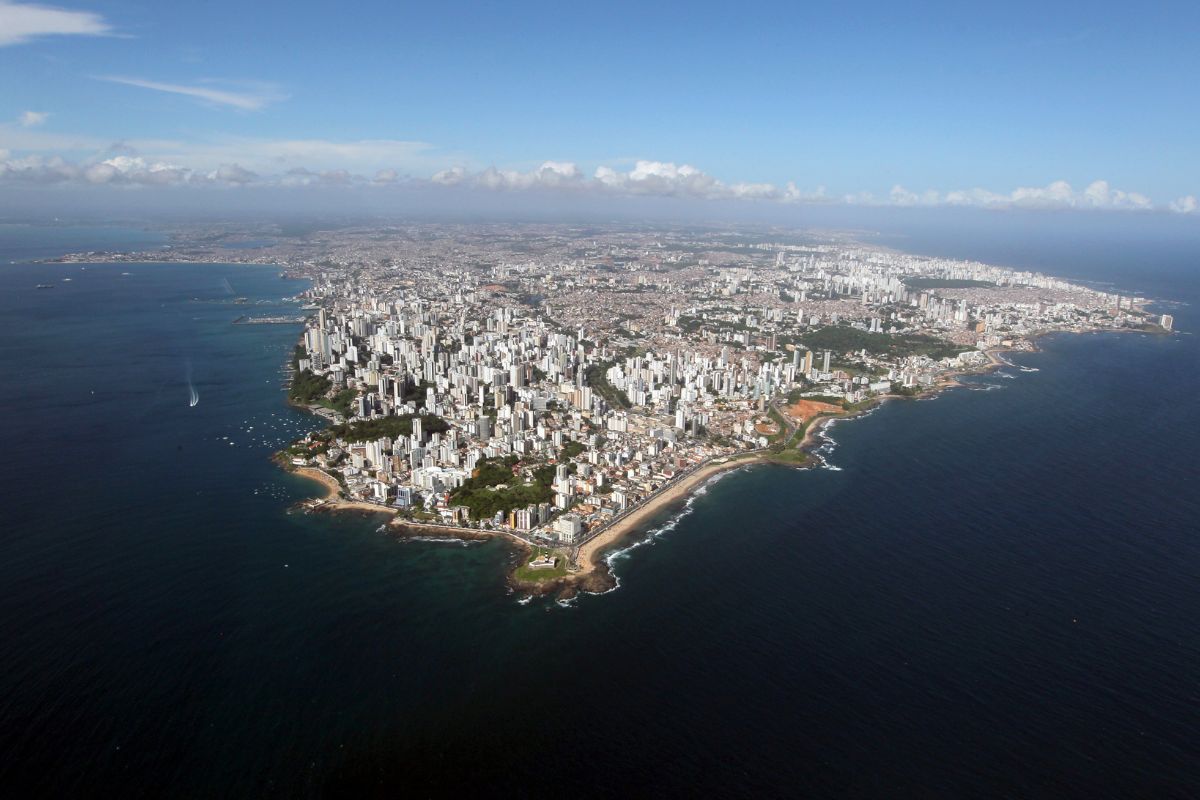


Founded in 1549, Brazil’s First Capital, Salvador (BA), Has Its History, Landscape, and Urban Development Intrinsically Shaped by an Imposing and Unique Geological Fault. Discover the Secrets and the Impact of This Structure Beneath the City.
Salvador, Brazil’s first capital, is a city of stunning beauty and singular history. However, a fundamental geological fact, surprisingly little known to many, defined its existence from the beginning: the city was built on the Salvador Fault, a massive tectonic structure. This fault not only created the dramatic divide between Upper Town and Lower Town but also profoundly influenced its trajectory for over four centuries.
See how Brazil’s first capital was born and developed over this “unique and gigantic fault,” exploring its geological origin, the impact on initial urbanization, engineering solutions to overcome the height difference, and the legacy that this perennial geological formation continues to exert on the vibrant Salvador of today.
Salvador Fault: A Geological Event of Millions of Years That Shaped a Future Brazilian Capital
The Salvador Fault is an expressive fault system with a predominant Northeast-Southwest orientation and a vertical displacement exceeding 6,000 meters. Its origin dates back to the Lower Cretaceous, about 145 million years ago, related to the fragmentation of the supercontinent Gondwana and the opening of the South Atlantic Ocean, as per a study published by UFB.
-
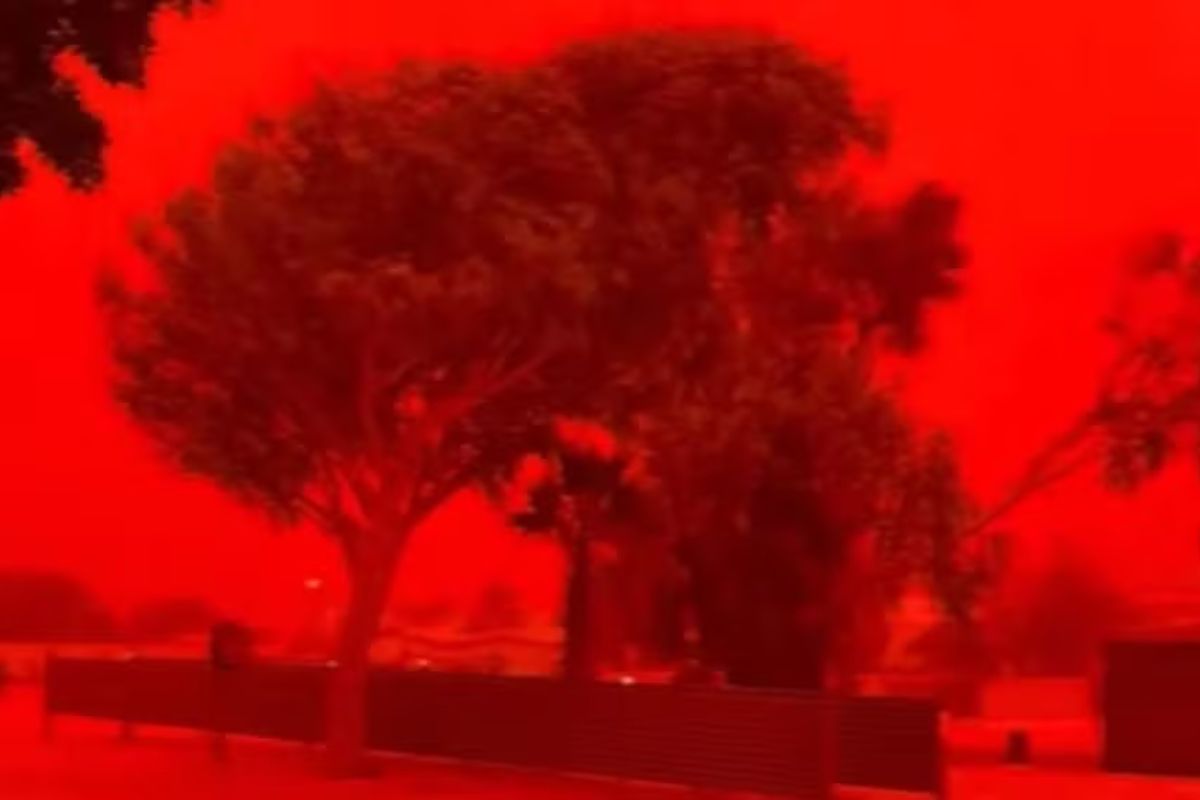
Residents of Australia woke up to a sky completely red like blood before the arrival of Cyclone Narelle, which hit the coast with winds of 250 km/h, tearing off roofs and lifting iron dust in a scene they described as apocalyptic.
-
New 100% clean fuel produced in Brazil could retire diesel.

-
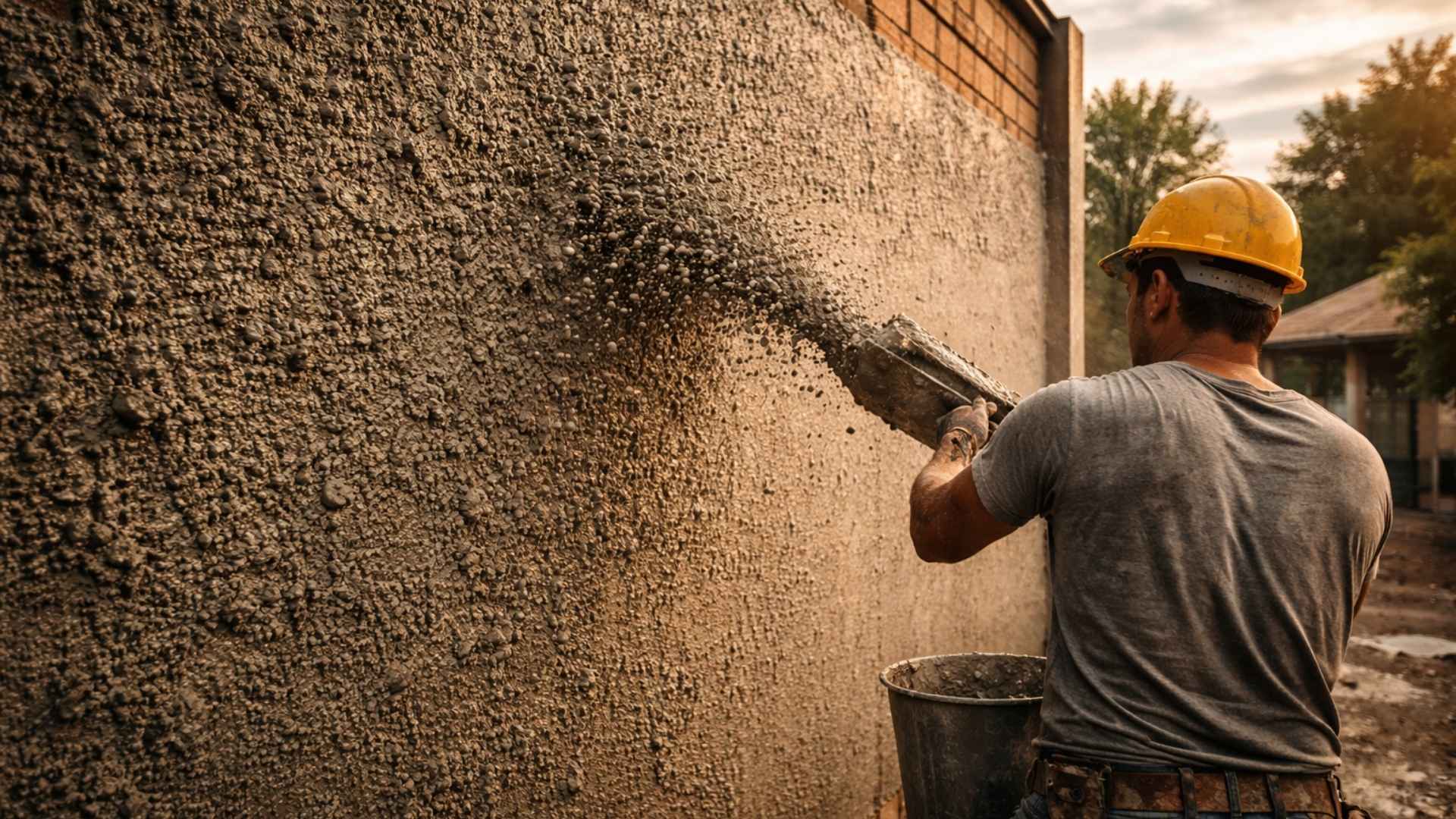
Plastered walls become a trend and end up being the perfect choice for finishing; the secret of the 2 coats that prevent waste in painting.
-
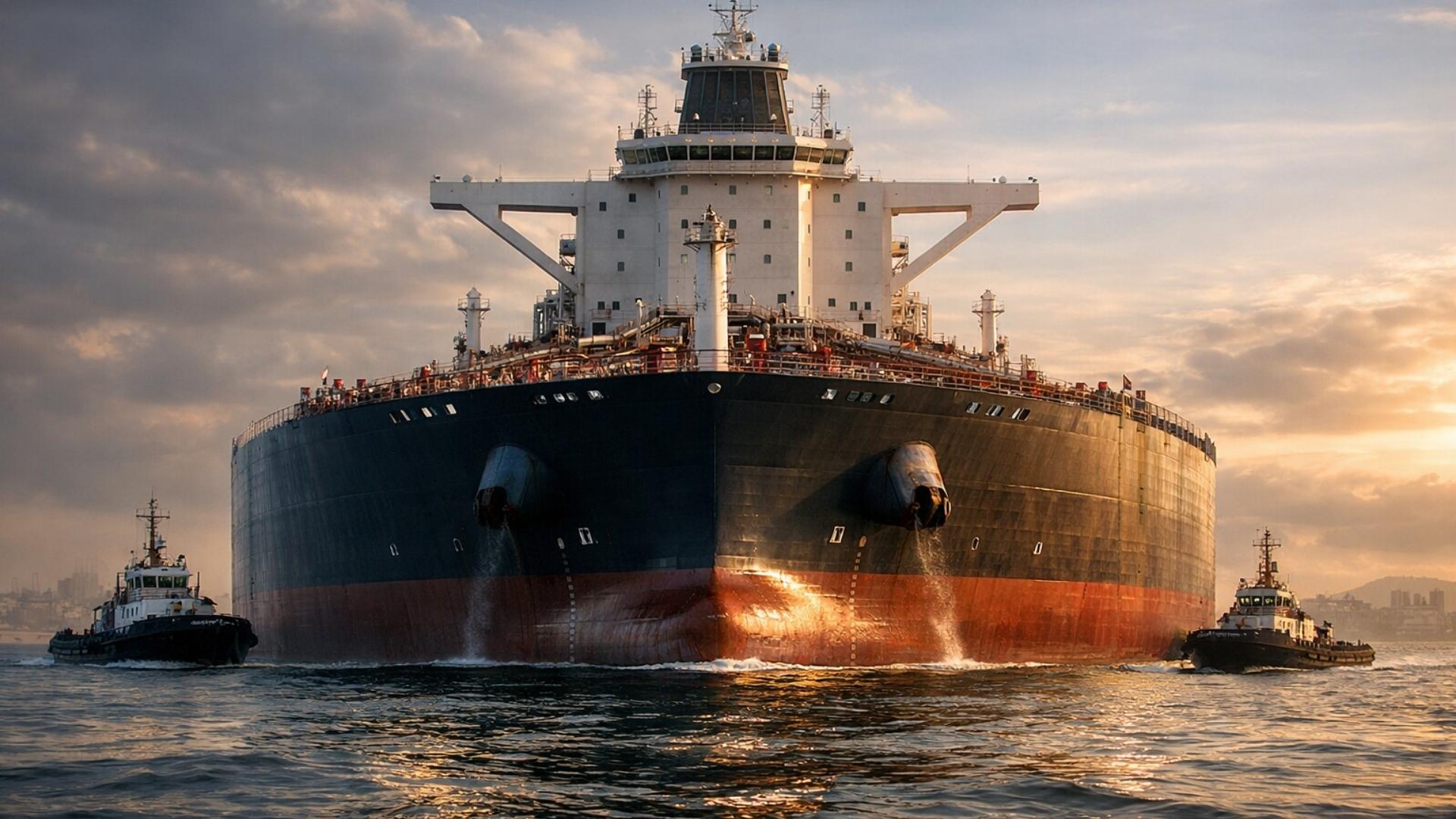
With 333 meters and equivalent to a 20-story building: China launches a supertanker that transports 2 million barrels, has 540,000 m² of area, and saves $5 million per year.

This fault was crucial in the formation of the Recôncavo Basin and All Saints Bay, controlling the sinking of the crust and the accumulation of sediments. Its most visible manifestation in the landscape of Brazil’s first capital is the imposing escarpment with a height difference between 60 and 85 meters.
How the Imposing Geological Fault Defined the Founding of Salvador in 1549
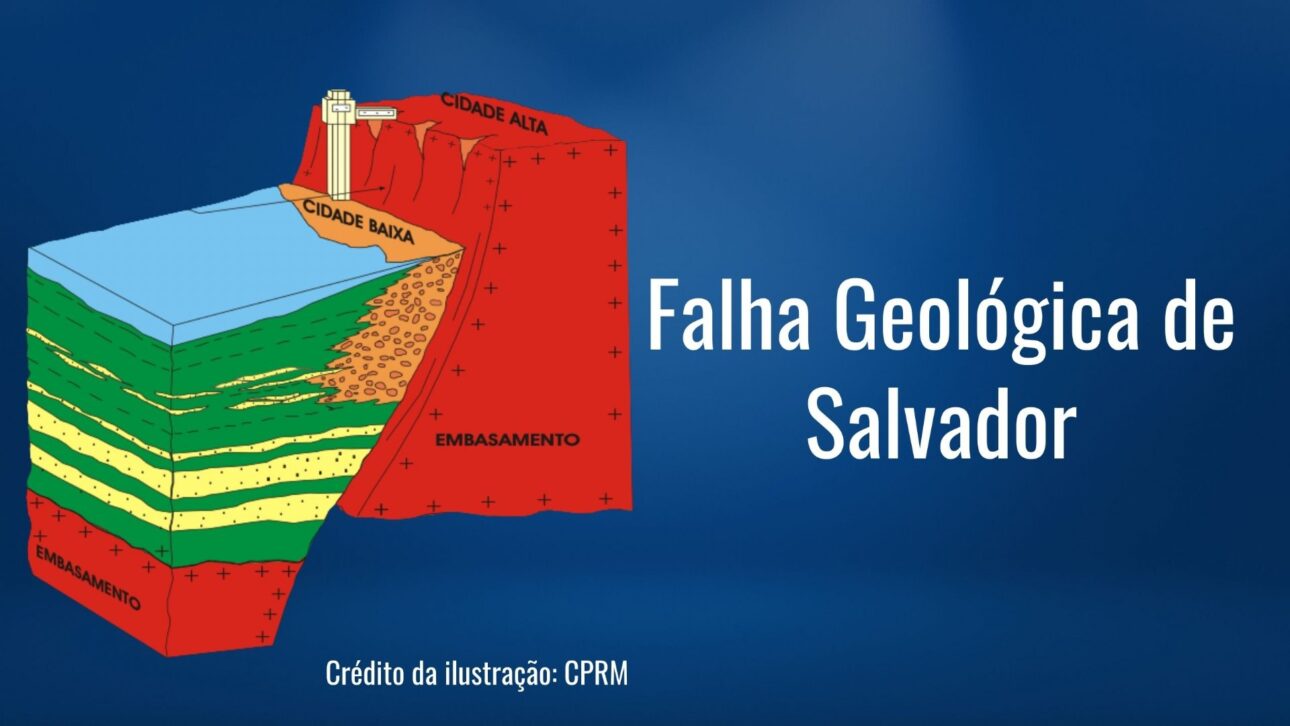
The topography imposed by the Salvador Fault was decisive for Tomé de Souza to choose the location to found Brazil’s first capital. The elevation provided exceptional defensive advantages, allowing a clear functional separation: in the Upper Town, the administrative and religious power and the residences of the elite; in the Lower Town, port and commercial activities.
This physical division, dictated by geology, not only organized urban space but also reflected and reinforced social stratification and the distribution of power in colonial Salvador. The Upper Town was the space of prestige, while the Lower Town was dedicated to commerce.
The Soteropolitan Ingenuity to Connect the Two Levels of the Brazilian Capital
From the outset, connecting the Upper Town and Lower Town was a challenge. Initially, steep streets were used. In the 17th century, cranes, like the Crane of the Priests, emerged to transport goods. The great revolution came in the second half of the 19th century with mechanized urban elevators.
The Lacerda Elevator, inaugurated in 1873 (originally Hydraulic Elevator of Conceição da Praia), became the icon of this ingenuity, linking the two levels of the city. Other systems like the Taboão Elevator and the Inclined Plans Gonçalves and Pilar were also crucial for mobility in this brazilian capital.
Contemporary Influences and Urban Challenges for the First Brazilian Capital


The Salvador Fault continues to shape the city. Its topography influenced the urban drainage network, with many avenues built at the bottom of valleys, leading to problems such as flooding, exacerbated by soil sealing and river channeling.
The geological risks, such as landslides, are a constant concern, especially on the steep slopes during rainy periods. The Civil Defense of Salvador (Codesal) monitors these areas. Urban planning and mobility are still conditioned by the Upper/Lower division imposed by the fault.
The Marked Upper/Lower Division in the Identity and Arts of Salvador
The Salvador Fault and the division of the city transcended the physical, inscribing themselves in the cultural identity of Soterópolis. In literature, Jorge Amado, in “Captains of the Sands,” used the topography to reflect social and economic cleavages. The Upper Town represents the elite, while the Lower Town represents poverty and resistance.
The Lacerda Elevator is more than a means of transportation; it is the main postcard of Salvador and a cultural symbol. The landscape of the fault, with the Historical Center (UNESCO World Heritage Site) nestled in its topography, is an invaluable visual heritage of what was the first brazilian capital.
If any reader has images of the Salvador Fault, historical photos of the first capital of Brazil, and/or constructive comments, they are welcome in the comments to contribute.







Acho que no Google deve haver imagens a respeito. Boa matéria.
O nome dessa falha é Falha de Maragojipe .
Sou professora de Geografia e nunca tinha lido algo a respeito…
Gostei muito de saber sobre a geologia tão interessante da cidade que tanto amo…