





 Portuguese
  English
  Spanish
  5 min of reading



The Recent Advance of PRIO and the New Dynamics of Brazilian Oil
The production of oil in Brazil has always fluctuated according to economic cycles and technological advancements. Nevertheless, the recent trajectory of PRIO, an independent company that has established itself as one of the largest private producers in the country, clearly illustrates how the industry evolves and, at the same time, how it needs to engage with sustainability, efficiency, and innovation.
According to the company’s official statement released in early December, PRIO reached a total production of 138.8 thousand barrels of oil equivalent per day in November 2025. This figure represents an increase of 55% compared to the previous month, when the company recorded 89.6 thousand boepd.
This significant growth stems directly from an increased stake in the Peregrino field, a strategic operation that began contributing 68.8 thousand barrels daily after the additional purchase of 40% of the asset on November 11, 2025. Furthermore, sales reached 5.2 million barrels in the quarter, which corresponds to an advancement of 360.4% compared to the previous period, as reported by the company itself.
-
The rise in oil prices could ensure an extra revenue of R$ 100 billion for the Federal Government, indicates a recent economic study.

-
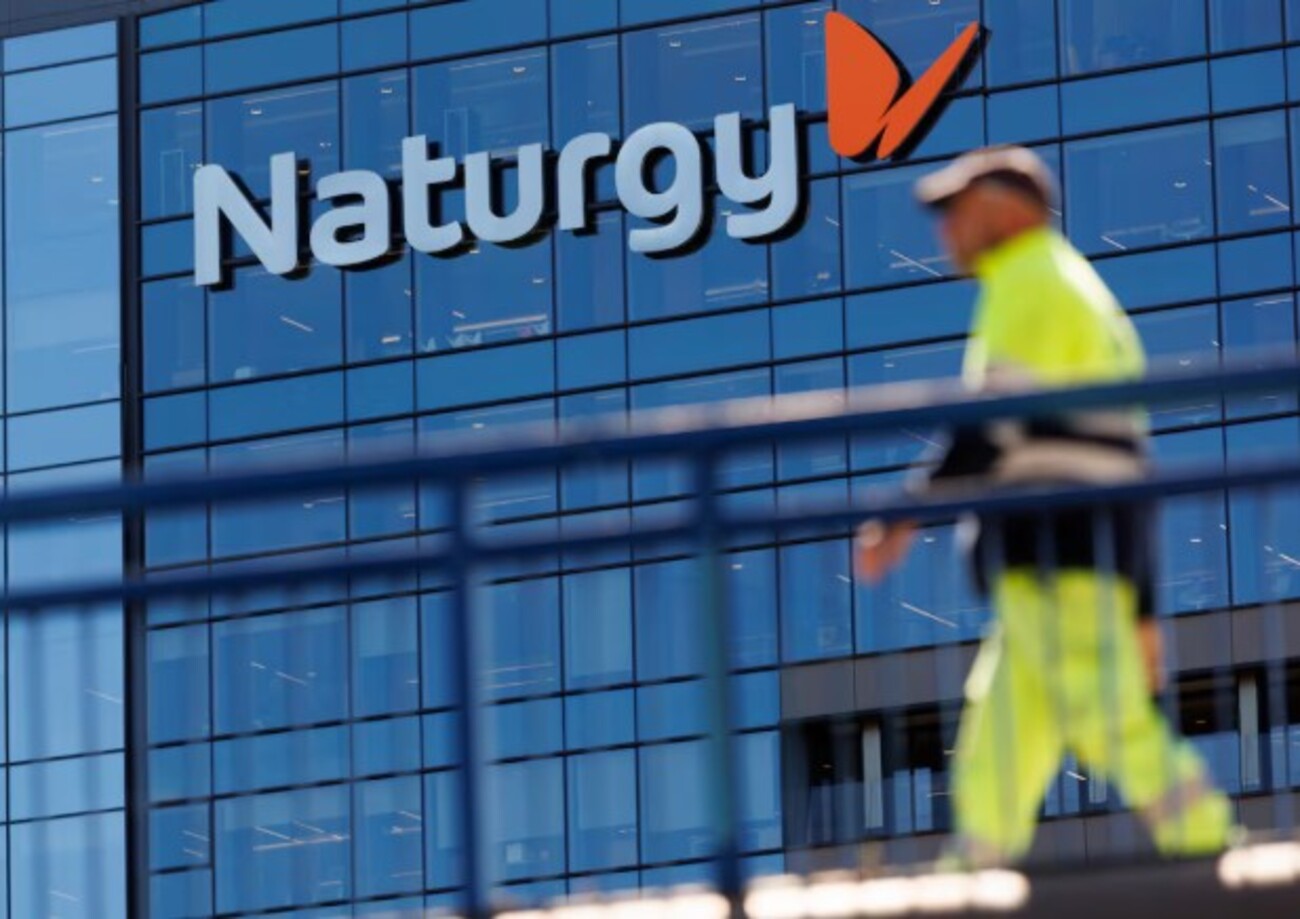
Naturgy begins an investment of R$ 1.6 million to expand the gas network in Niterói and benefit thousands of new residences and businesses.
-
A major turn in the Justice system suspends tax increases and directly impacts oil and gas companies in Brazil by affecting costs, contracts, and financial planning, leaving uncertain what could happen to the sector if these costs had increased.

-
Brava Energia begins drilling in Papa-Terra and Atlanta and could change the game by reducing costs in oil while increasing production and strengthening competitiveness in the offshore market.


Although these figures reveal a relevant economic leap, they also reinforce discussions about how oil companies can simultaneously expand operations and adopt climate-responsible practices.
The Historical Context of Oil Production in Brazil
The trajectory of oil in Brazil has important milestones. Since the 1950s, when the country solidified its state structure with the founding of Petrobras, different phases have alternated between external dependence, technological investment, and debates about environmental risks. Over the decades, the advance towards the pre-salt and the strengthening of independent companies like PRIO have profoundly altered the competitive landscape.
As recorded by data from the National Agency of Petroleum (ANP), independent companies gained ground especially after 2017, when divestment policies in mature fields created opportunities. Therefore, PRIO’s evolution connects to a historical movement, where operational efficiency, asset recovery, and innovation have come to dominate the sector.
According to the ANP’s website, mature fields now represent an important slice of domestic supply, and companies with aggressive operation and reinvestment strategies tend to indeed leverage results more quickly.
Thus, PRIO’s current growth does not emerge in isolation; it is part of a global dynamic where independent oil companies seek to increase their relevance as the world discusses climate urgencies.
Growing Production and the Debate on Sustainability
Although the sector’s expansion stands out in economic indicators, concern for sustainability appears inevitably. Since the Paris Agreement in 2015, the topic has become central. Thus, any operation linked to oil needs to engage with ESG practices, emission reductions, energy efficiency, and environmental impact mitigation.
According to experts cited in reports from the International Energy Agency (IEA), oil production should progressively decrease after 2030 to meet global climate goals. However, producing countries remain economically dependent on the resource and thus seek to balance expansion with social and environmental responsibility.
In this regard, PRIO states that it adopts optimization technologies and low-emission practices, yet the significant increase in production demands continuous attention. After all, the higher the volume extracted, the greater the need for policies on safety, environmental management, and operational control.
The Role of Independent Companies in the Energy Transition
Another relevant point involves the place of independents in the energy transition. While large global oil companies increase investments in renewable sources, independent companies remain focused on maximizing production from existing assets. Still, experts assert that independents can contribute to sustainability by modernizing old fields and applying cleaner technologies.
According to analyses released by Ipea and by institutions linked to the energy sector, the modernization of offshore operations can reduce emissions, especially when platforms adopt digital control, gas capture and reuse systems, and continuous monitoring.
Moreover, the use of automated systems tends to increase efficiency and decrease waste, which also relates to sustainable practices.
Therefore, although companies like PRIO continue to be driven by production targets, they also occupy an important space in the discussion about climate and operational efficiency.
Accelerated Expansion, Risks, and Expectations for the Future
The projection of new results will depend on two main factors: stability in the international market and the company’s ability to maintain operational efficiency. As the price of oil presents frequent volatility, companies need to plan considering fluctuations and possible geopolitical scenarios.
According to the website InfoMoney, the recent rise in oil prices occurred following decisions made by OPEC+ and global tensions, factors that historically influence the performance of exploration companies directly. Thus, when PRIO increases production at a time of relatively high prices, it tends to strengthen its competitive position. However, when the market falls, companies with higher costs may face challenges.
Therefore, analysts assert that the balance between production, efficiency, and environmental responsibility should guide the coming years. Additionally, society and regulatory bodies demand increasing transparency regarding climate risks and mitigation strategies.
Thus, although PRIO’s production leap is significant and strategic, it also reinforces the debate about the need to align expansion with sustainability and innovation.
What the Data Reveals About the Current Scenario
The latest numbers released by the company show that PRIO has rapidly expanded its operational capacity. This advance connects to the strengthening of offshore production in Brazil and the role the country plays as a regional energy power.
According to the federal government, Brazil seeks to follow a trajectory that balances the exploration of fossil resources with the continued expansion of renewable sources, especially solar and wind. Thus, companies in the oil sector end up entering debates about climate responsibilities, emissions, and long-term goals.
Still, the sector’s growth remains relevant for revenue, jobs, and economic competitiveness. And for many experts, this combination of development and sustainability may represent the most realistic path for the coming years.
The Relevance of Aligning Oil, Efficiency, and Sustainability
In light of all this, it is evident that the increase in production cannot proceed in isolation. The global energy transition advances at different paces but pressures all sectors. Therefore, companies like PRIO need to continue monitoring their impacts and adopting practices that bring financial efficiency closer to environmental responsibility.
The dialogue between oil expansion, technological innovation, and sustainability will cease to be a trend and become a necessity. Thus, the 55% growth recorded in November transforms not only into an economic milestone but also into an opportunity to reinforce cleaner, safer practices more aligned with the global energy future.








Seja o primeiro a reagir!