





 Portuguese
  English
  Spanish
  4 min of reading
  14 comments





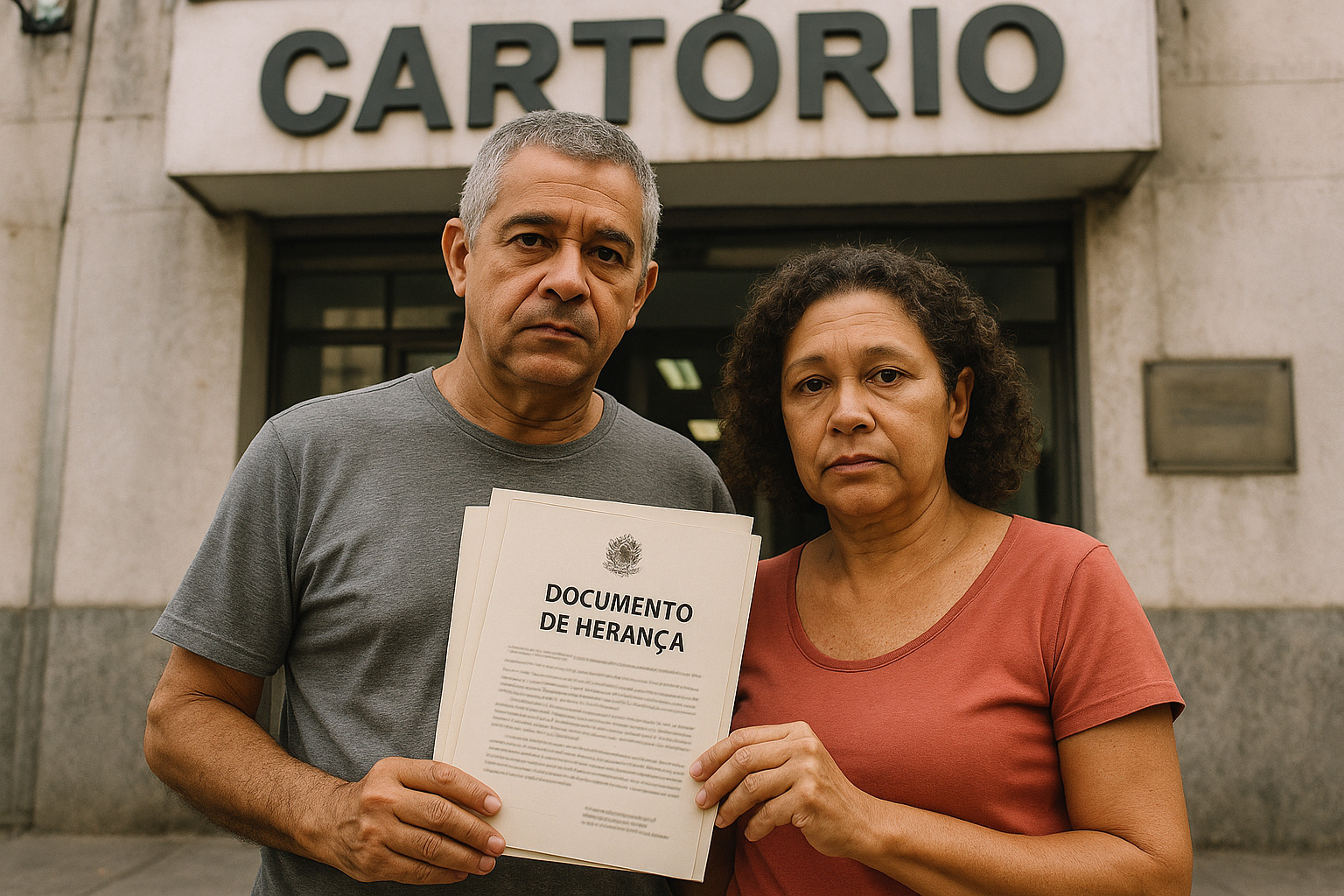
Civil Code Reform Proposes Changing Art. 1,831 and May Limit the Spouse’s Right to Live in the Property After the Partner’s Death; See the Legal Impact.
The discussion about the future of the real right of housing guarantee allowing the surviving spouse to remain in the property where they lived with the deceased partner has returned to the center of legal debate in 2024 and 2025 due to the changes presented in the Draft Civil Code Reform Bill, submitted to the Senate on April 17, 2024 by the Commission of Jurists established by Senate Presidential Act No. 5, dated September 4, 2023. This draft, which served as a basis for the Bill No. 4/2025, currently under consideration in the Senate, proposes structural revisions to the Book of Inheritance Law, including direct amendments to Art. 1,831 of the Civil Code, which currently guarantees the surviving spouse the lifelong real right of housing, provided that the couple had only one property intended for family housing.
The proposal does not extinguish the right but alters its nature, requirements, and duration, which may, in practice, prevent the spouse from remaining in the property for life — a scenario that has generated strong reactions among civil law specialists, family law experts, and senior citizen protection entities.
What the Current Law Says: Art. 1,831 of the Civil Code and How It Changes with the Civil Code Reform
Today, the rule is objective: If the couple had a single residential property, the surviving spouse has lifelong right to continue living in it, regardless of:
-
The Chamber opens a debate on driver’s licenses at 16 years old as part of a reform that includes around 270 proposals to change the Brazilian Traffic Code and may redesign rules for licensing, enforcement, and circulation in the country.

-
The new Civil Code could revolutionize marriages in Brazil with “express divorce” and changes that could exclude spouses from inheritance.
-
Banco do Brasil sues famous influencer for million-dollar debt and intensifies debate on delinquency, risks of seizure, and direct impact on Gkay’s credibility.

-
The Senate approves a bill that criminalizes misogyny, hatred, or aversion towards women, and includes the crime in the Racism Law with a penalty of up to 5 years.


- the existence of children
- the property regime
- who was the formal owner of the asset
- the opinion of other heirs


This protection is one of the strongest in the succession system, created to prevent the spouse — especially seniors — from being removed from their own home due to family pressures or property disputes.
What the Draft Proposed to Change
In the studies published by the Commission of Jurists (official document available on the Senate’s portal), there is a proposal for revision of the real right of housing, removing its automatic and lifelong characteristic and introducing conditions, limitations, and the possibility of extinction.
The text does not eliminate the institute but proposes:
- That the right be temporary, not lifelong
- That the use of the property be analyzed on a case-by-case basis
- That the right can be contested and extinguished by heirs for justified reasons
- That the right ceases to be absolute, being able to be flexible in the face of property conflicts, the need for sale of the asset, or irregularities in use
This change, still being debated, has generated enormous repercussions.
Why the Change Is Considered So Sensitive
Today, the spouse has almost total legal protection: even if there is a conflict with stepchildren, financial difficulties of heirs, or divergences in sharing, they cannot be removed from the property.
With the reform, the right loses its absolute character and begins to depend on:
- judicial interpretation
- specific conditions defined by law
- harmonization with the interests of heirs

In practice, this means that the widower or widow may be required to leave the property in scenarios such as:
- property needed to pay estate debts
- serious conflicts among co-owners
- inability to share other assets
- abandonment or misuse of the residence
- legitimate and proven interest of heirs
This possibility transfers part of the decision-making power from the spouses to the heirs, especially children from other relationships, a common scenario in the country.
The Economic Background Behind the Change
The commission justified that the current system generates asset immobilization, especially when there is only one property to be shared. In such cases, estates can be blocked for decades because the real right of housing prevents the circulation of the asset.
In Brazil, according to IBGE, 72% of families have only one property. In many estates, this is the only asset available to support heirs, pay debts, finance medical treatments, or enable sharing.
The revision of art. 1,831 aims to:
- allow for asset liquidity
- avoid lengthy litigation
- harmonize the spouse’s right with the interests of co-owners
- prevent the perpetuation of blocked estates
But critics argue that the result may be the opposite of what is intended: to increase conflicts and make elderly spouses more vulnerable.
The Impact on the Legal Community
Entities such as IBDFAM (Brazilian Institute of Family Law), succession jurists, and specialized lawyers argue that:
- the change may weaken widows and widowers with low income;
- may increase indirect evictions in family conflicts;
- ignores the historical asymmetry between young heirs and elderly spouses.
Already defenders of the change argue that:
- the current right is excessive and hinders sharing;
- properties become impossible to sell for decades;
- the real right of housing cannot indefinitely override the heirs’ property rights.
The polarization shows the real impact of the proposal.
What Happens Now
Nothing has changed yet. What exists is:
- The Draft of the Commission of Jurists (official document from 2024)
- Bill 4/2025, which starts the process of reform in the Senate
The text:
- will go through public hearings
- will receive amendments
- will be voted on in the CCJ
- will go to the plenary
- will be reviewed by the Chamber
- only then may it become law
Until then, art. 1,831 of the Civil Code remains fully in effect. But the debate is already underway and promises to be one of the most intense of the entire reform.










Espero que as Senadoras e Deputadas ficam de olho nisso, tem filhos hoje em dia que vão por o idoso para rua, e quem batalhou foi os pais para ter seus bens.
O que o governo ganha com isso? Até parece que o povo brasileiro está vivendo na **** disfarçada de democracia!
Esse projeto de lei e do senador Rodrigo Pacheco do PSD. Cuidado com o que falam. Levantar falso testemunho e crime. ( Aos comentários)