





 Portuguese
  English
  Spanish
  3 min of reading
  0 comments


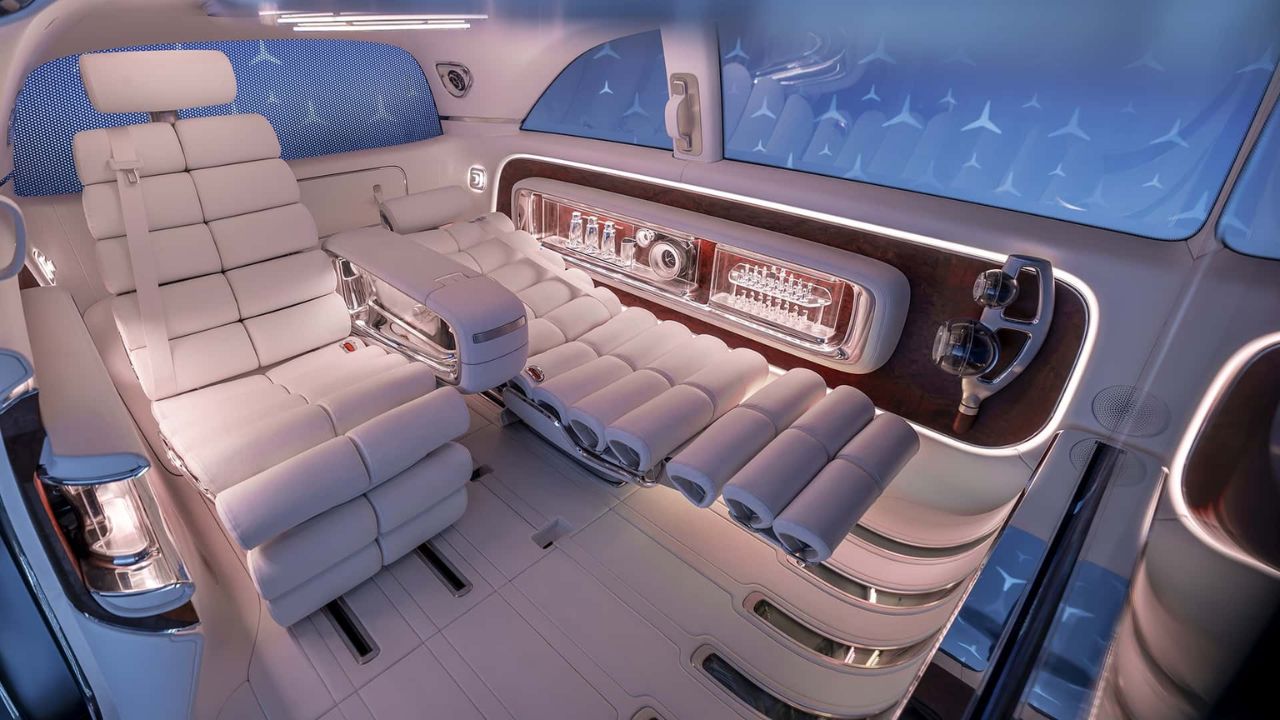
The German Manufacturer Goes Beyond the Conventional and Uses Intelligent Materials to Create Cabins That Adapt to the Mood and Preferences of the Driver, Completely Redefining the Onboard Experience.
Mercedes-Benz is leading a revolution in automotive design. The brand revealed a prototype that explores the future of luxury interiors, featuring surfaces that can dynamically alter their color and texture. The initiative shifts the concept of luxury from static materials to an immersive and intelligent experience, transforming the vehicle cabin into a true wellness space.
Mercedes-Benz’s Vision for a Dynamic Experience
The luxury automotive industry is undergoing a profound transformation. The value of an interior is no longer measured solely by the quality of leather or wood. The new definition of opulence lies in the creation of dynamic experiences. Consumers are seeking cabins that adapt to their needs in real time.
The interior of a car is being redefined as an extension of the occupant’s lifestyle. Mercedes-Benz leads this evolution with a clear vision: to create intelligent interiors that offer new ways of interaction. The brand’s strategy combines digital innovations, advanced materials, and artificial intelligence to adapt the car’s environment. Additionally, sustainability is a central pillar, linking the luxury of the future to environmental responsibility.
-
Less than a Tera TSI, up to 710 km of range and charging in 9 minutes: the new BYD Song Ultra expands the Chinese brand’s bet on increasingly faster, more technological, and competitively priced electric SUVs.

-
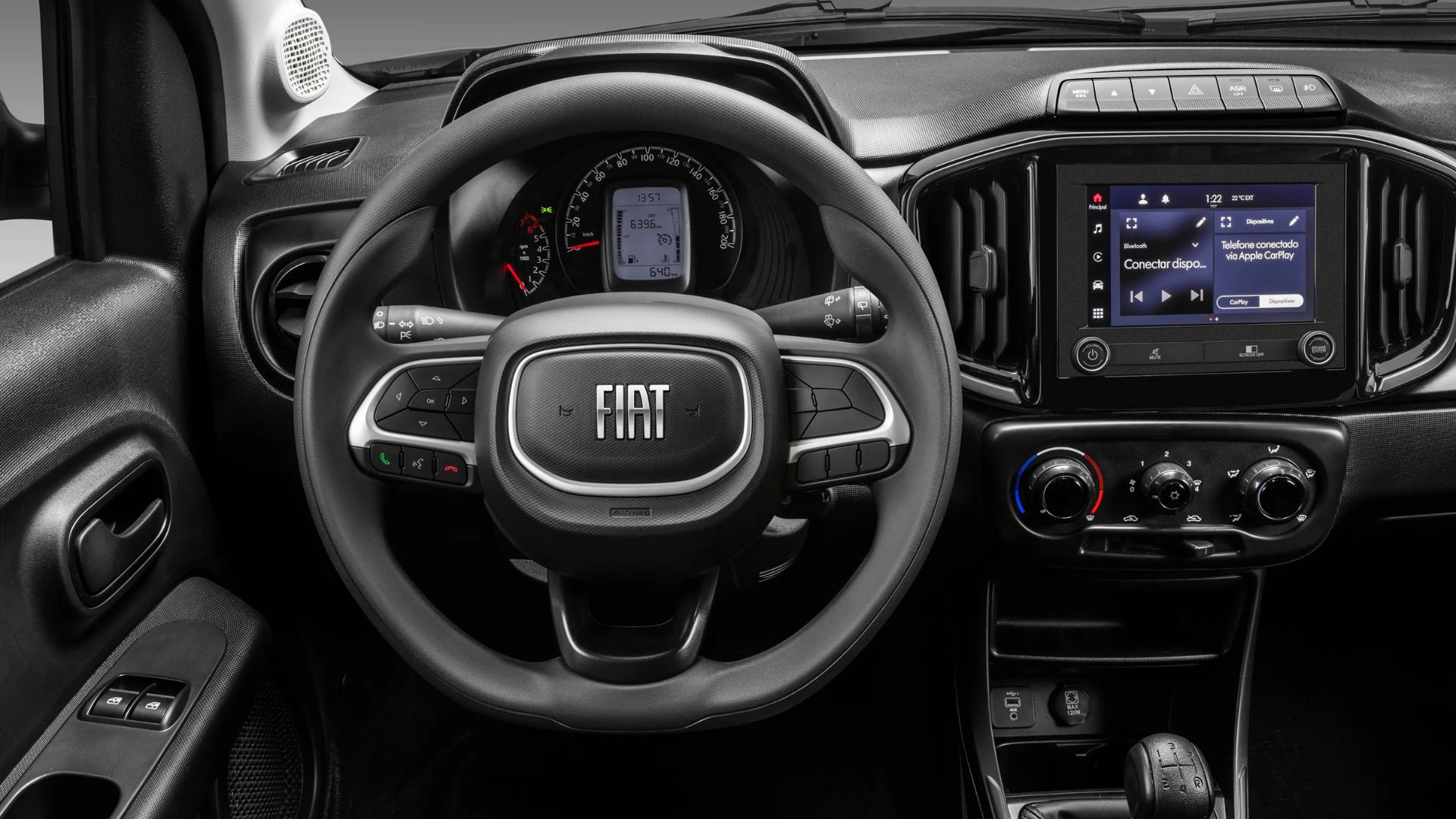
With a 1.0 engine producing 75 hp and costing less than R$ 70,000, Fiat’s car returns to the podium as the cheapest in the country; a temporary promotion for the 2026 Like version reduces the price of the Fiat Mobi.
-
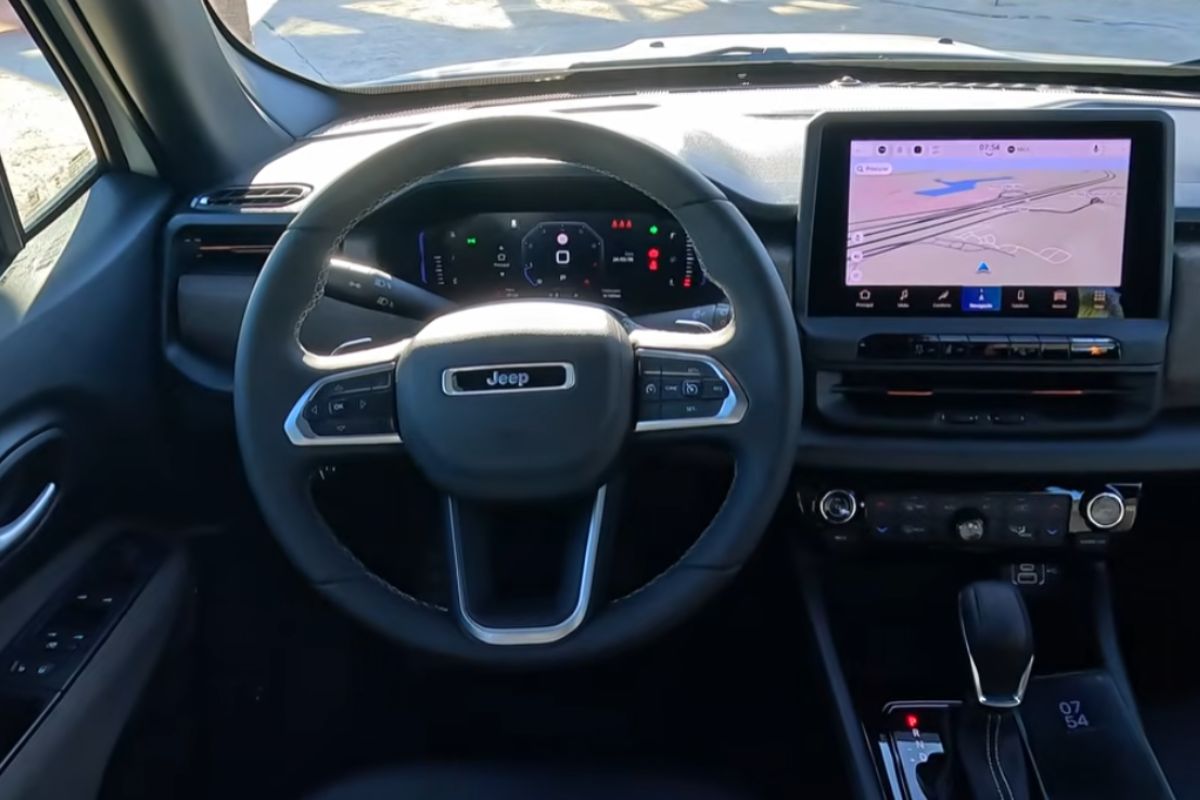
With a mild hybrid system of 48 V, 176 hp and a price of R$ 175,990 in the Sahara version, the new Jeep Renegade changes mostly on the inside, improves slightly in fuel consumption, and remains almost the same car.
-
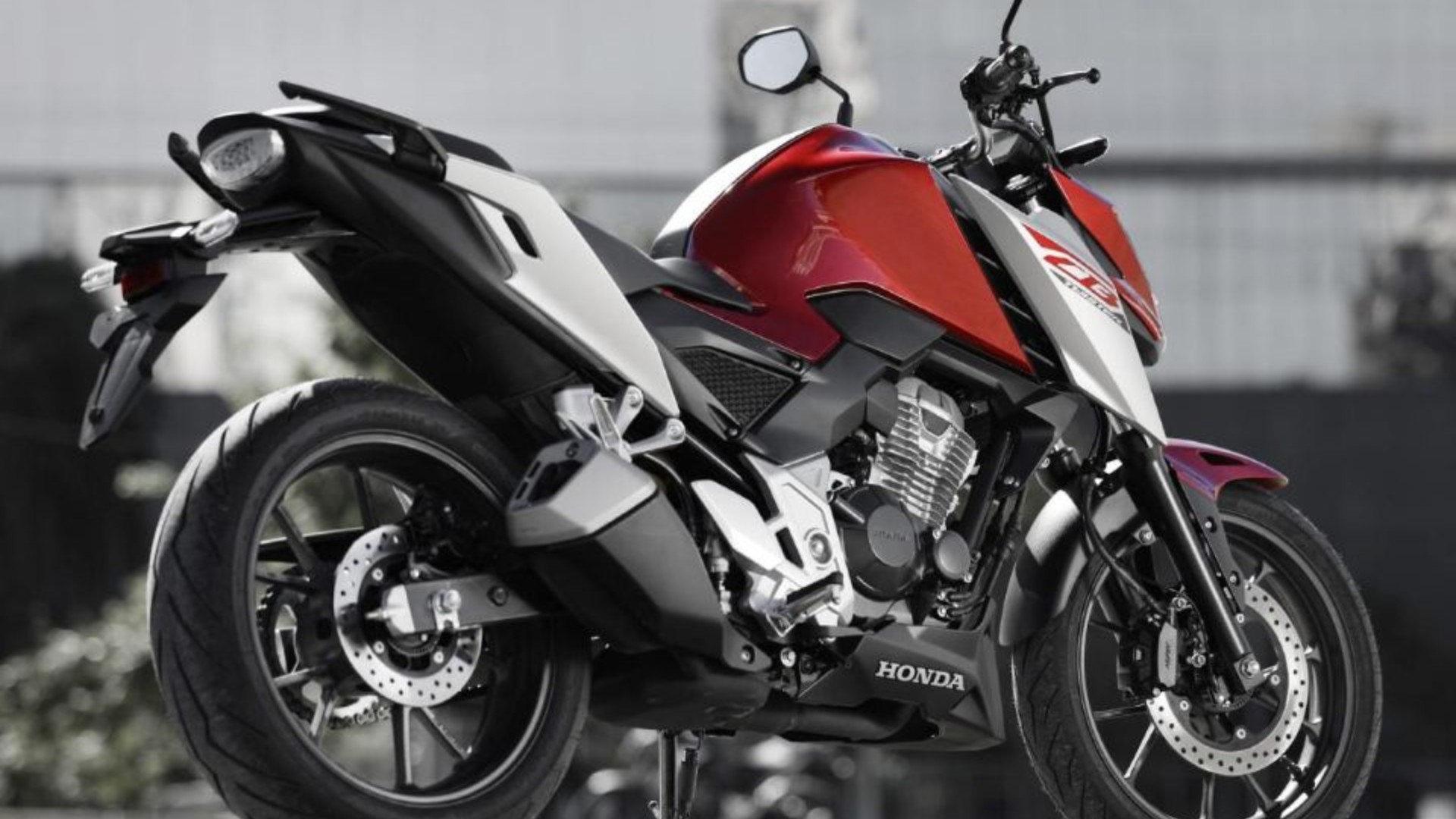
With a 293.5 cm³ engine and a range of up to 400 km with a 14.1-liter tank, the Honda CB 300F Twister 2026 has up to 24.7 hp, an initial price of R$ 25,150, and already exceeds R$ 29,000 in the Fipe Table.

Discover the Intelligent Materials
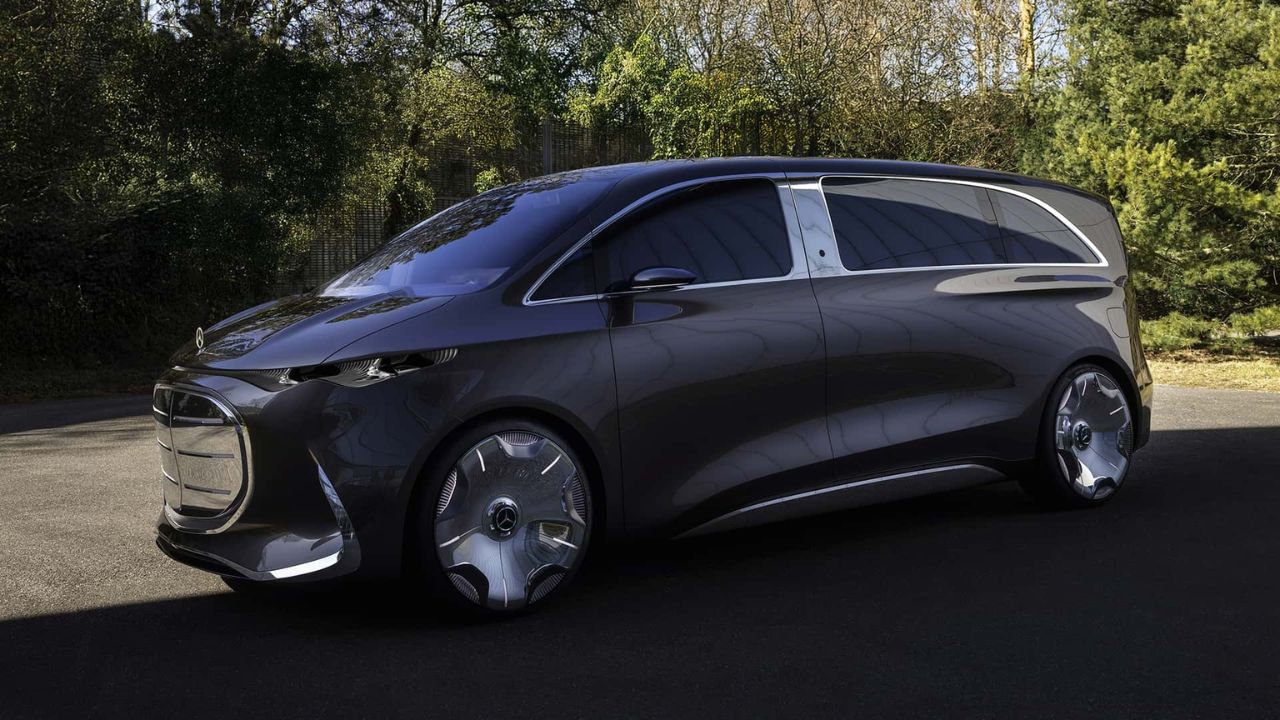
To achieve this vision, Mercedes-Benz invests in intelligent materials that can alter their properties.
- Electrochromic Materials: These materials change color or transparency when an electric current is applied. An example already in use by the brand is the “MAGIC SKY CONTROL” panoramic roof, which darkens with a touch. In prototypes, the technology creates privacy partitions and even projection screens.
- Thermochromic Materials: They react to temperature changes, altering their color. They can be activated by the climate control system or by simple touch, creating a cabin that provides visual feedback on thermal comfort.
- Shape Memory Polymers (SMPs): These materials “remember” an original shape and can change their stiffness or texture. They open doors to seats that ergonomically adapt to the body, controls that emerge from the surfaces, and textures that change on demand.
The Future of Mercedes-Benz on Display
The vision of Mercedes-Benz comes to life in its concept vehicles, which serve as showcases for future technologies.
The Vision EQXX exemplifies the fusion of sustainability and technology, using innovative materials like cactus leather. The Vision V transforms the cabin into a private lounge or home theater, with glass partitions that become opaque. Meanwhile, the Concept AMG GT XX highlights the use of bio-designed leather alternatives made from recycled tires, being lighter and more durable.
The Challenges of Making the Future a Market Standard
Despite the great potential, the widespread adoption of these materials faces barriers. The integration with the car’s electronic systems is complex and requires rigorous validation to ensure safety.
The cost of production is still a limiting factor for large-scale application. Durability is also a crucial concern, as materials need to withstand the stresses of daily use for many years. Overcoming these challenges will require continuous innovation and strategic partnerships.
Car Engineering or Experience Engineering?
Mercedes-Benz is clearly defining the next standard for automotive luxury. The shift from a static environment to a dynamic and adaptable cabin represents a fundamental change. By integrating artificial intelligence and intelligent materials, the brand is not just creating cars, but rather personal, responsive, and sustainable environments. The future of luxury will be measured by the car’s ability to connect emotionally with the passenger.







-

-

-

-

7 pessoas reagiram a isso.