





 Portuguese
  English
  Spanish
  4 min of reading
  0 comments


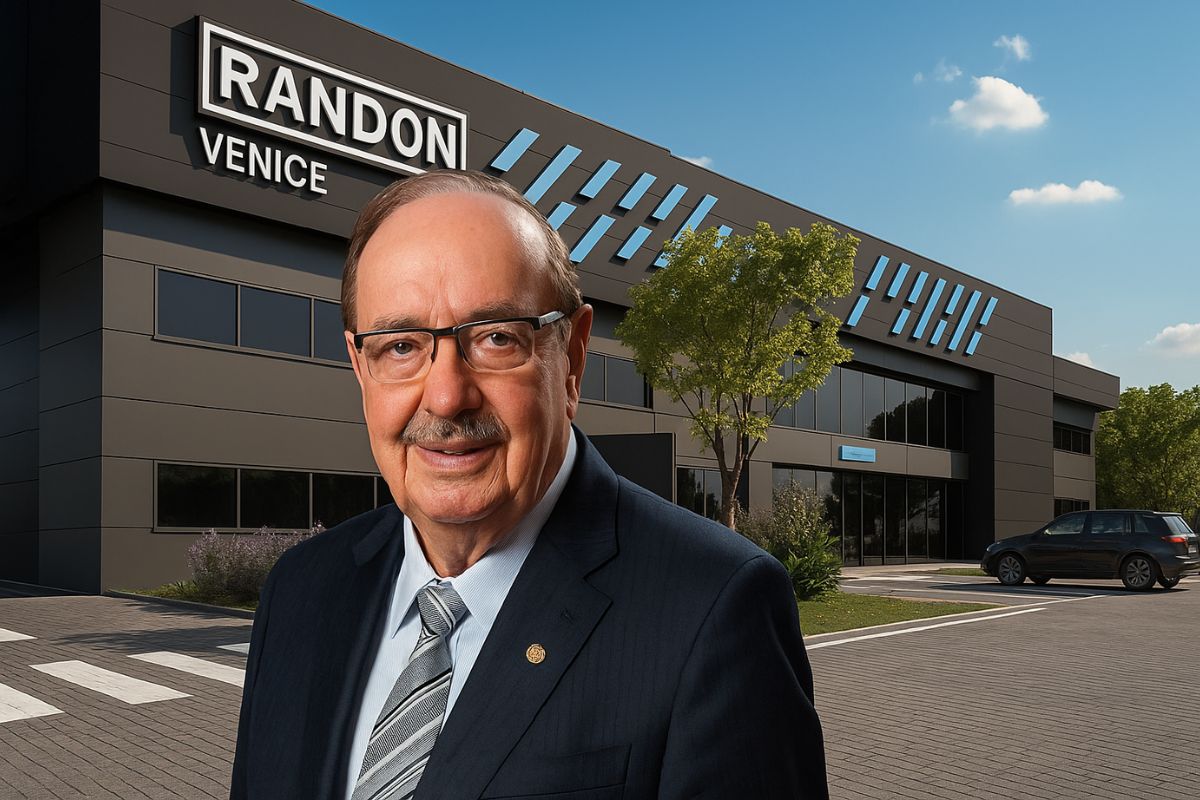
From Brothers Raul and Hercílio in a Small Workshop in Caxias do Sul to Presence in Over 125 Countries, Discover the Saga of Innovation, Crisis, and Resilience That Built Randon.
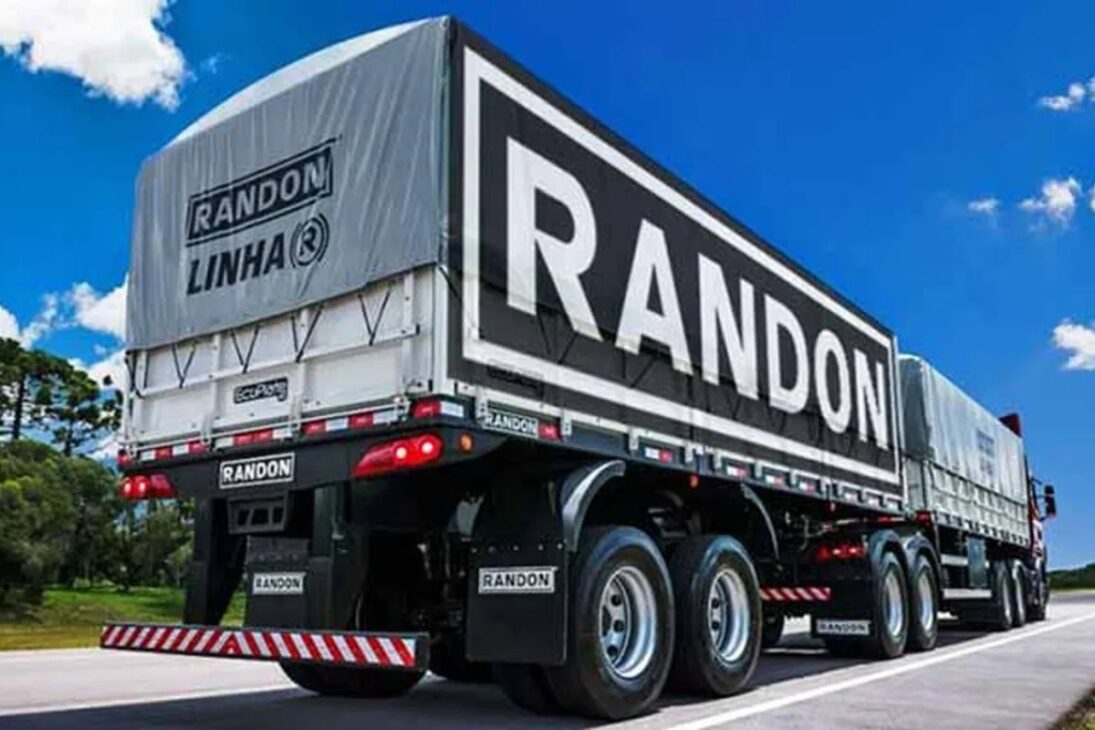
According to a documentary from the Curioso Mercado channel, the story of Randon, now a multinational corporation, began modestly in the back of a small workshop in Caxias do Sul (RS), in 1949. The journey of brothers Raul and Hercílio Randon is one of the most emblematic cases of entrepreneurship in Brazil, transforming a family business into the largest manufacturer of road implements in Latin America and a giant with a global presence.
The history of Randon is marked by a remarkable ability to innovate, overcome deep crises, and diversify its businesses. Today, Randoncorp, as the holding is called, employs over 16,000 people, operates in more than 125 countries, and achieved a record revenue of R$ 11.9 billion in 2024, showcasing the strength of a company that was born from the vision and hard work of two young men in the Gaúcho countryside.
The Beginnings in Caxias do Sul, the Vision of the Randon Brothers
The story of Randon begins with brothers Hercílio, known as “Nino,” who had technical knowledge in mechanics, and Raul, with his business acumen. In 1949, they started a small workshop for industrial engine repairs, called Mecânica Randon. The initial business, however, went through a major trauma: in 1951, a fire completely destroyed the workshop, which at the time also manufactured printing machines.
-
For years, no one could cross a neighborhood in Tokyo because of the tracks, but an impressive solution changed mobility and completely transformed the local routine.

-
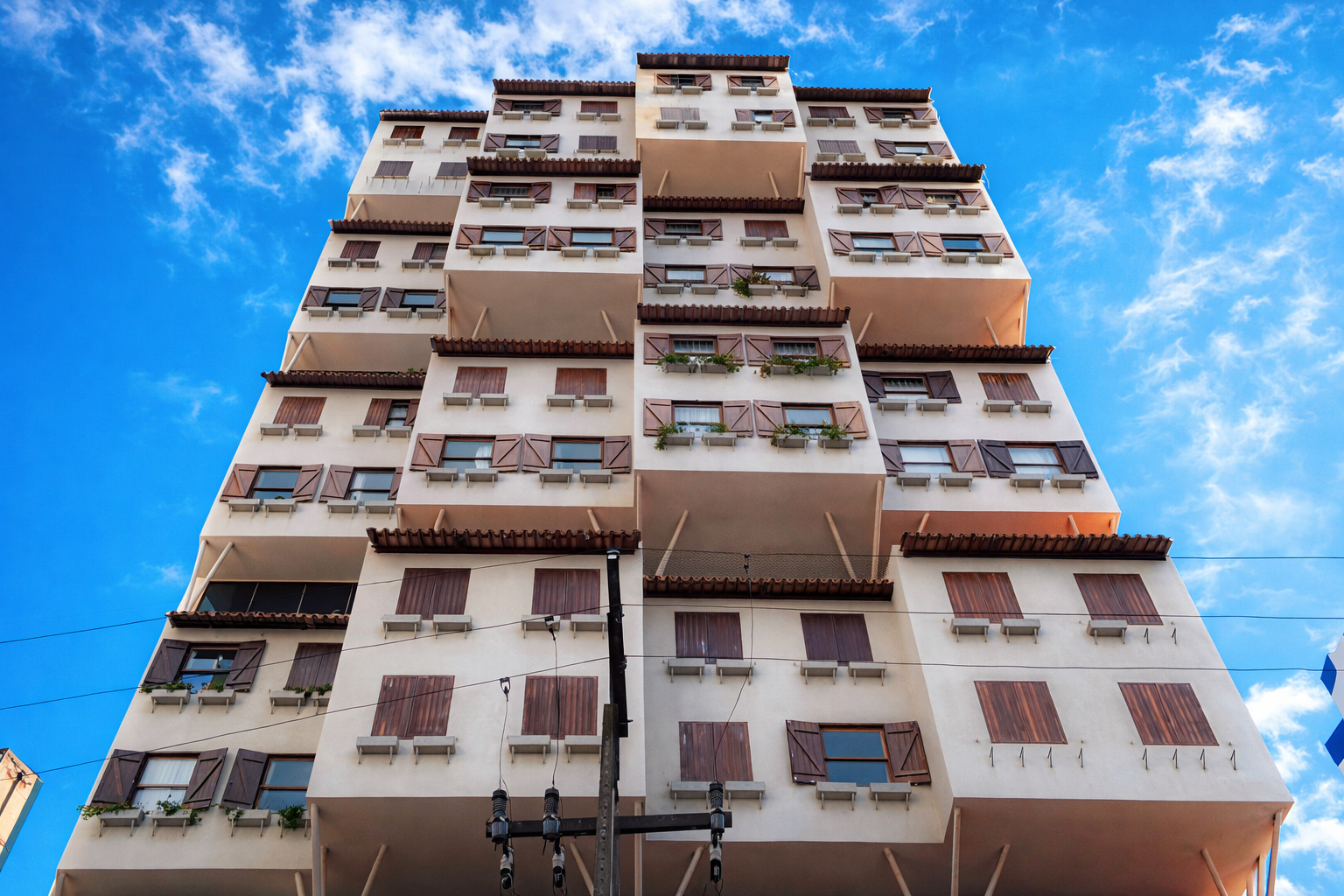
With 15 floors, an unusual building in Curitiba uses concrete, pilasters, and exposed roofs to create the effect of stacked houses.
-
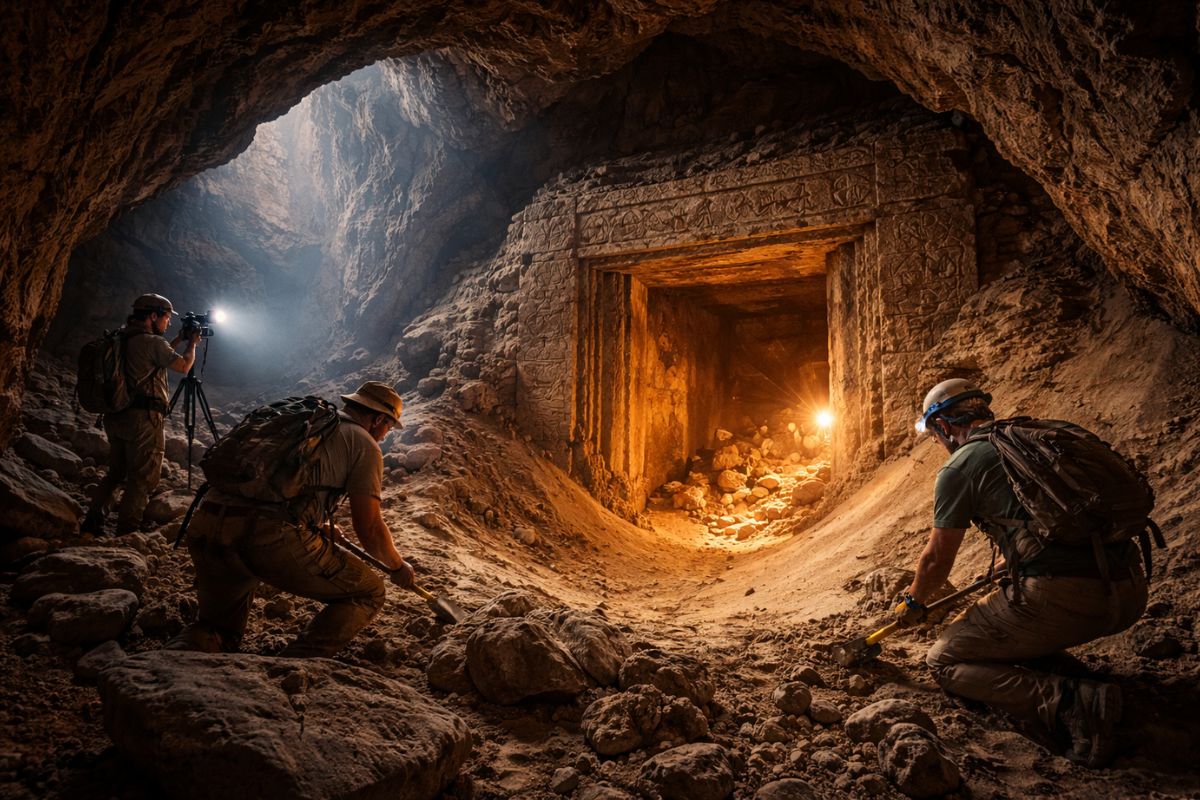
Archaeologists opened a secret chamber that had been sealed by sand for 40,000 years inside a cave in Gibraltar and found what may be the last place where Neanderthals lived before disappearing from Europe forever.
-
The water that may have gone to the Moon with NASA during the Apollo 11 mission and been consumed by the astronauts springs in a Brazilian city at an altitude of 945 meters, famous for its thermal springs, above-average quality of life, and a natural radioactivity so unusual that it attracted Marie Curie.


With the help of friends and family, the brothers rebuilt the business and decided to focus on what they did best. The great opportunity arose with a suggestion from partner Antônio Primo Fontebasso: to manufacture air brakes for trailers, a growing demand in the Serra Gaúcha due to the transportation of wood on dangerous roads. This was the definitive step of Randon into the transportation sector.
The Turning Point: The Third Axle and the Conquest of the Road Market
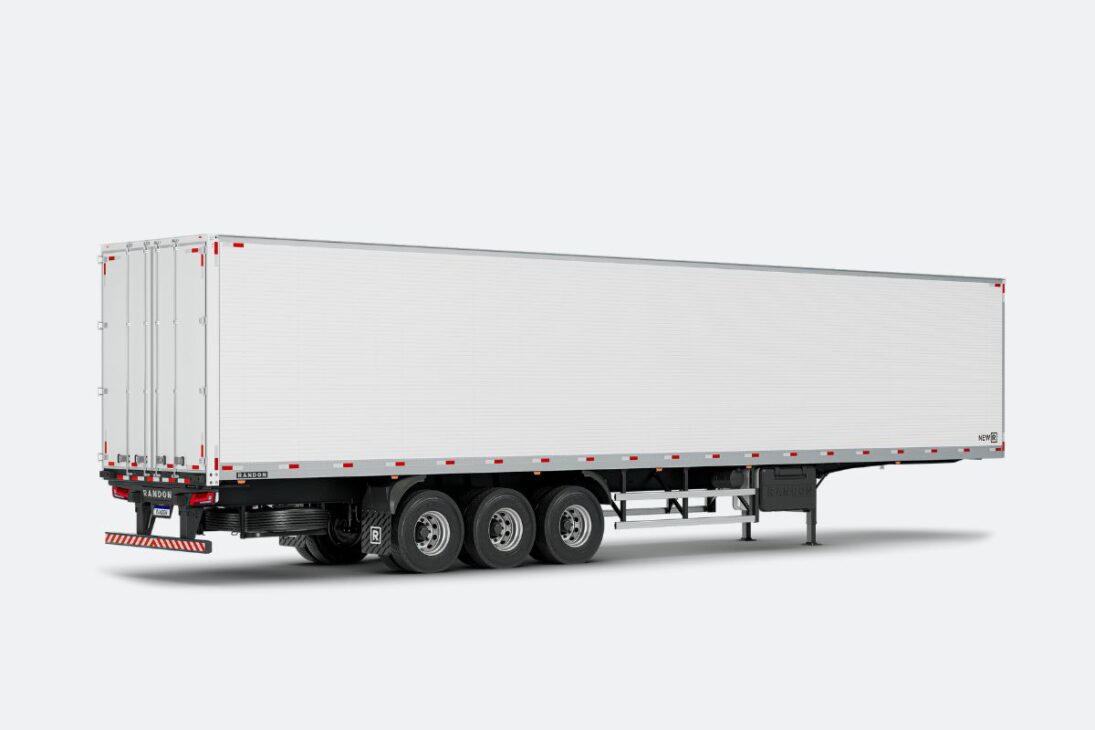
The 1960s was a period of great innovation for the company. The creation of the third axle for trucks and, mainly, the launch of the triple-axle semi-trailer in 1967, a pioneering project by Hercílio “Nino” Randon, revolutionized cargo transport in Brazil. This innovation allowed trucks to carry more weight according to the newly created Weighbridge Law of 1964.
The success was so great that, by the end of the decade, the company already had 1,300 employees and over 70 models of trailers. A trip by Raul Randon to Europe in 1970, where he saw the market’s potential, inspired him to devise an ambitious plan: to increase production from 700 units per year to 1,000 per month. Three years later, the goal was achieved.
Days of Struggle, Bankruptcy in the 80s, and Salvation by Export
The late 1970s and early 1980s were marked by the oil crisis, which raised interest rates and slowed the Brazilian economy. Randon, which had grown rapidly, found itself with massive debt and idle factories. On December 21, 1982, the company filed for preventive bankruptcy to restructure its finances.
Salvation came from the external market. In 1984, the company signed a crucial contract for the supply of 713 trailers for Algeria, worth 11 million dollars. Interestingly, one day after signing the contract, Brazil promoted a 30% devaluation of its currency, which made exports extremely profitable and allowed Randon to recover. In November 1984, the company paid the last installment of the bankruptcy, overcoming its greatest crisis.
Diversification and Conquest of the World
After the crisis, Randon began a strong process of diversification and expansion. The company entered forcefully into the auto parts market, with the acquisition of Fras-le in 1996, which is now a leader in the friction materials segment and is worth more on the stock market than Randon itself. Master (brakes) and Suspensys (suspensions) were also created.
In 1993, the holding Randon Participações S.A. was created, now Randoncorp, to centralize and coordinate the group’s investments. The company became a global giant, exporting to over 125 countries and with 31 industrial units spread across four continents.
The Legacy of Raul Randon, From Industry to Agribusiness
As Randon became an industrial powerhouse, its founder, Raul Randon, who passed away on March 3, 2018, at the age of 88, turned his attention to another passion: the countryside. Following the philosophy that “transport and food are two things that will never run out,” he created a true empire in agribusiness.
The RAR, the agricultural arm of the group, became a reference in the production of apples, cheeses, and wines. Raul was responsible for bringing to Brazil the production of Grana Padano cheese, now nationally recognized under the brand Gran Formaggio. The story of Randon shows how an entrepreneur’s vision can transform not just one, but various industries.
What did you think of Randon’s journey? Leave your opinion in the comments!





-

Uma pessoa reagiu a isso.