





 Portuguese
  English
  Spanish
  4 min of reading


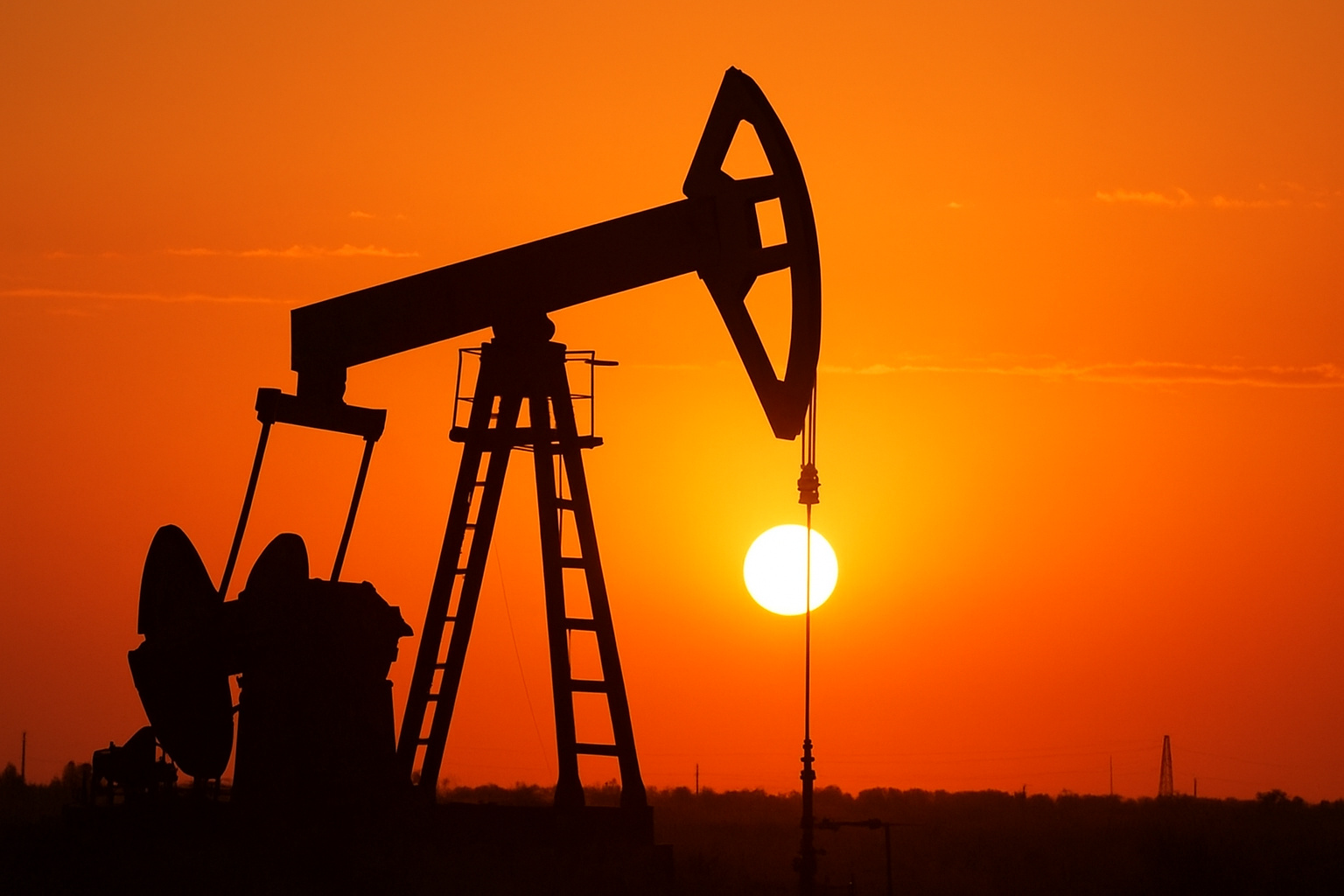
The Revision of International Projections for Oil Prices Revives Debates on Supply, Demand, and Sustainability.
Fitch Ratings updated its global outlook and disclosed new estimates pointing to lower values between 2025 and 2027. According to the agency, the main factors pressuring the market are the oversupply, economic slowdown in major consumers, and ongoing uncertainty about Russian production and Opec+ policies. Although this movement represents only a technical update, it provokes important reflections on the energy future and how oil will continue to influence political and economic decisions.
The Historical Role of Oil in Energy Crises
Since the early 20th century, oil has become a central piece of geopolitical dynamics. Crises like the 1973 shock, when Arab countries drastically reduced production, showed how the world depended on this fuel to operate. Furthermore, according to the International Energy Agency (IEA), even with the advancement of renewable sources, over 30% of the global energy matrix still directly depends on oil. Therefore, price fluctuations always have immediate impacts on the international economy.
Fitch, in reviewing its projections, considers this historical backdrop to explain why current changes cannot be seen as isolated events. The market reacts not only to what happens on platforms and refineries but also to the political context, military tensions, and diplomatic negotiations.
-
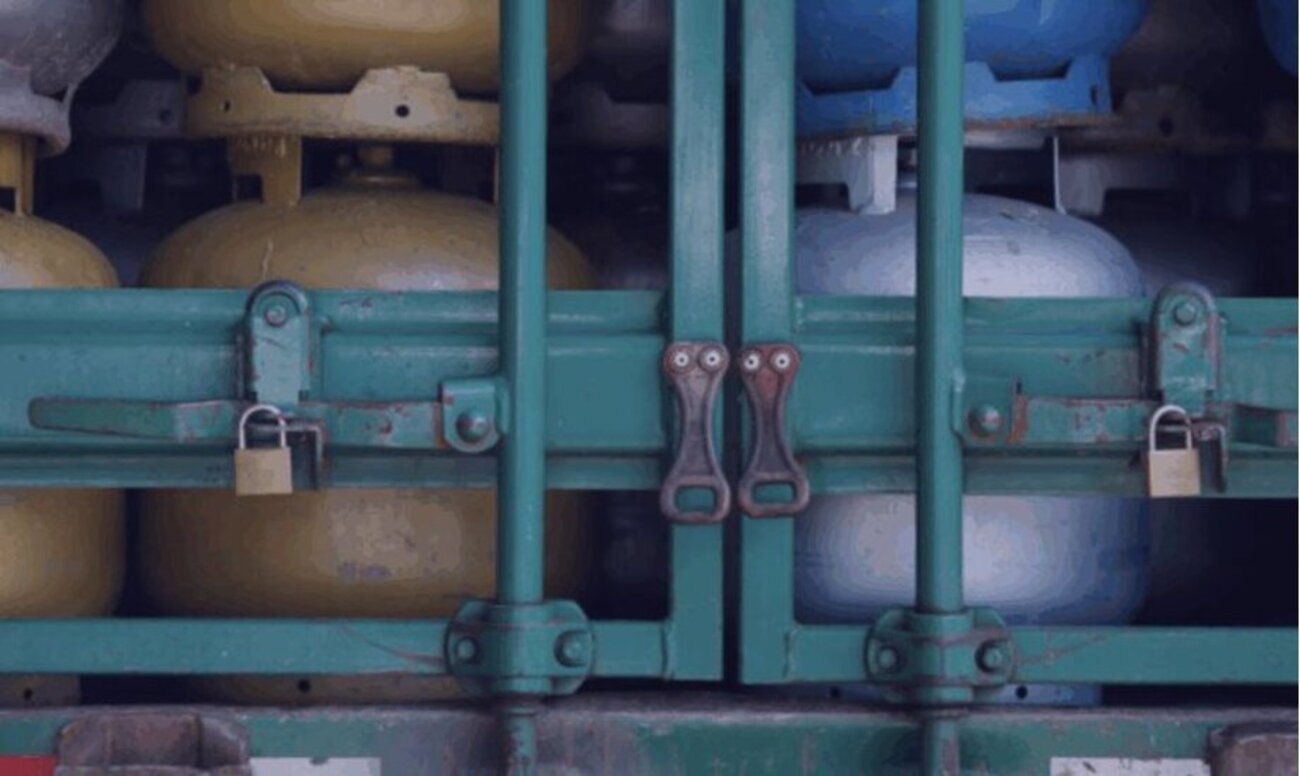
Petrobras evaluates suspension of sales to distributors and considers canceling the cooking gas auction following guidelines from the Federal Government.
-
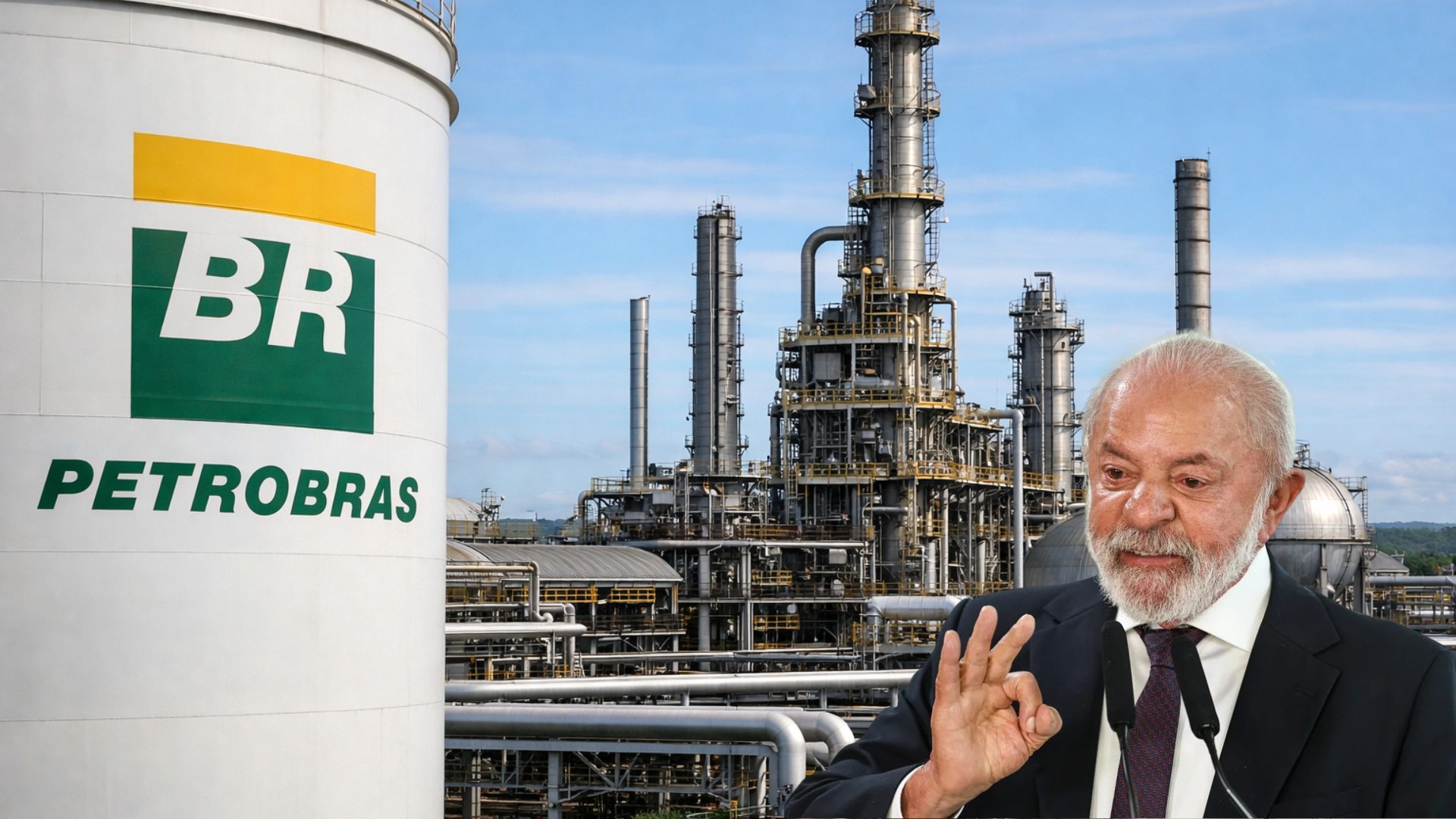
Lula reveals a masterstroke by Petrobras to undo a deal made by Bolsonaro, which involves the return of an important refinery that currently produces less than half of what was expected and makes Brazil dependent on international diesel.
-
A study confirms that the natural gas sector will reduce greenhouse gas emissions in Brazil by 0.5% and accelerate the energy transition by 2026.

-
Petrobras implements a severe adjustment and confirms a 55% increase in the price of aviation kerosene with a proposal for installment payments for the companies.

The New Scenario Outlined by Fitch
According to the report released by Fitch on December 1, 2025, the average price of Brent is expected to reach US$ 69 in 2025 and US$ 63 in 2026 and 2027. Meanwhile, WTI is expected to reach US$ 64 in 2025 and US$ 58 in 2026 and 2027. According to the agency, these estimates reflect what it classified as “significant oversupply”.
This oversupply results from increased production in countries like the United States, Guyana, Brazil, and Canada. The report also notes that, according to the Russian government, exports continue to occur despite economic restrictions imposed by different international blocs. Furthermore, Opec+, according to its official website, maintains only moderate cut policies, reducing the cartel’s ability to sustain artificially high prices.
An Analysis of Demand and Sustainability
Although the oversupply is the main factor pointed out by Fitch, global demand is also under discussion. According to the IEA, global oil consumption is still growing, but at a slower pace than in the early 2010s. This is primarily because many countries have expanded policies aimed at energy efficiency and transitioning to renewable sources.
As sustainability becomes a strategic priority, oil, despite still being essential, faces more pressures to coexist with clean technologies. However, Fitch’s report makes it clear that this transition does not eliminate the need to monitor the balance between production and consumption, as sharp fluctuations can affect the entire global chain.
How Geopolitical Tensions Influence Oil Prices
Even with oversupply, producing regions continue to receive attention due to conflicts and political tensions. The war between Russia and Ukraine, for example, continues to create uncertainties. According to the Russian government’s website, negotiations on energy exports remain subject to instability.
In South America, according to the Venezuelan government, sanctions imposed by the United States continue to impact the country’s ability to operate in international markets. At the same time, Opec+, according to its own institutional page, holds frequent meetings to adjust production strategies.
Each of these movements shows that oil remains sensitive to factors that go far beyond simple supply and demand calculations.
Why Oil Remains Central Despite Renewable Advances
Despite the expansion of clean energies, such as solar and wind, oil remains indispensable for sectors like aviation, maritime transport, petrochemical industry, and fuel manufacturing processes. Moreover, according to the IEA’s website, many developing countries still rely heavily on the resource to maintain basic infrastructure.
Consequently, even as the energy transition progresses, production adjustments and price forecasts continue to influence medium- and long-term economic planning. Governments, investors, and industries need to monitor market movements to avoid strategic imbalances.
The Impact of Projections on Brazil
Brazil is experiencing a moment of production expansion. According to the National Agency of Petroleum (ANP), the country has hit successive records in 2024 and 2025, driven by pre-salt fields. This advance positions the country among the leading global exporters, meaning that changes in international prices will have direct effects on public revenues, including royalties and special shares.
Therefore, Fitch’s projections cannot be ignored. If the price of oil falls prolongedly, producing states like Rio de Janeiro and Espírito Santo may face fiscal pressures. At the same time, consumers could benefit from cheaper fuels, although this depends on the pricing policy applied by refineries.
The Need for Balance in the Energy Debate
Fitch’s analysis reinforces that the debate about the energy future needs to be balanced. It is true that the world is moving towards decarbonization. However, oil remains central to the global economy, and decisions about production still shape development strategies.
Therefore, it is essential that producing countries maintain responsible policies, ensuring market stability while simultaneously investing in sustainable solutions that reduce environmental impacts. The coexistence between fossil fuels and clean energies, although complex, will still be the reality for many years to come.









Seja o primeiro a reagir!