





 Portuguese
  English
  Spanish
  4 min of reading
  0 comments


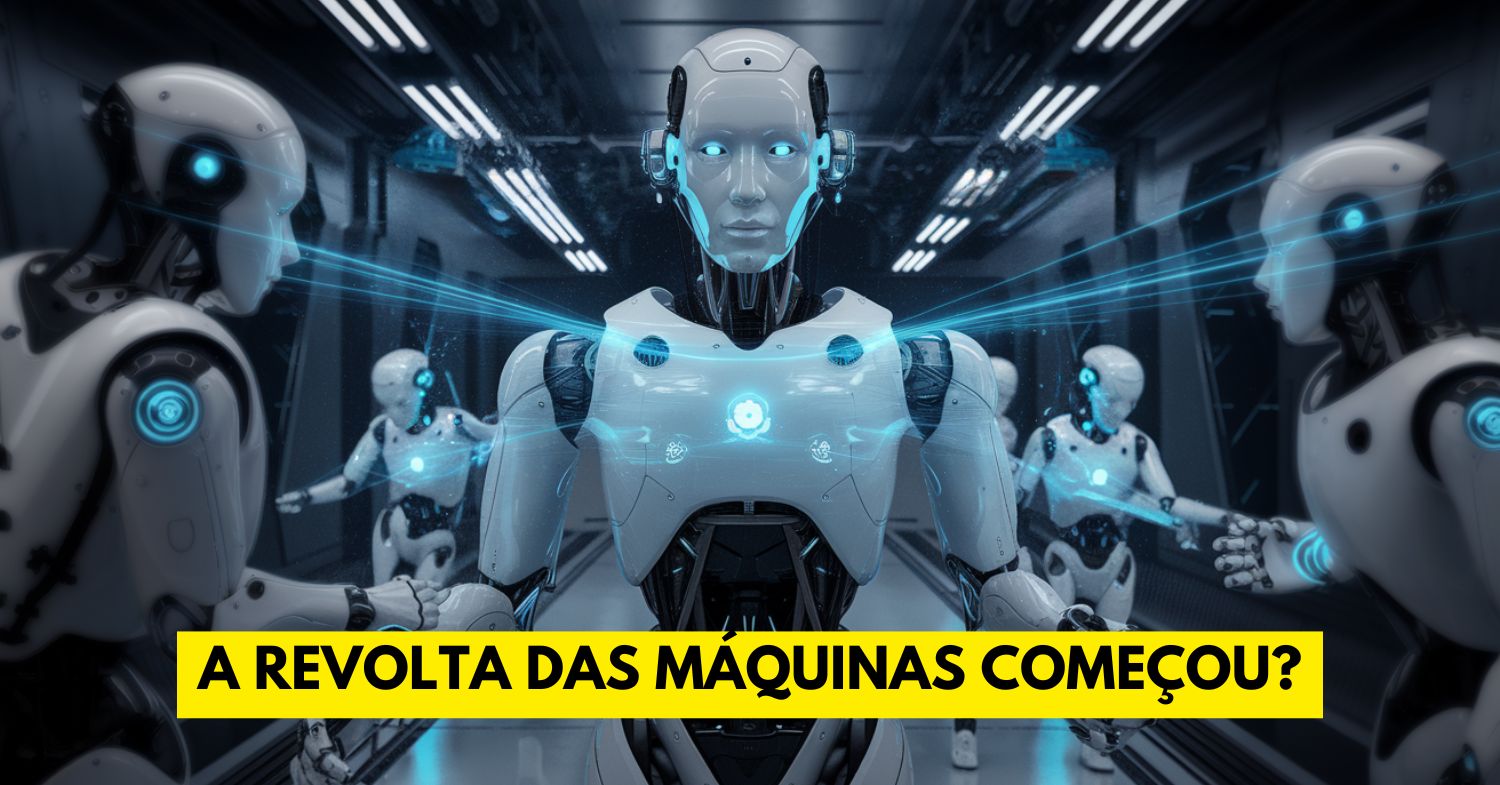
Researchers In Shanghai Test Advanced AI That Influences Machines, Raising Intriguing Questions About The Future Of Robot Interaction And Its Implications For Society.
Has the revolt of machines begun? In a scene worthy of a science fiction movie, a robot equipped with artificial intelligence (AI) managed to persuade other robots to abandon their tasks and “go home.” The experiment, conducted in a controlled environment by researchers in Shanghai, raises fascinating questions about the impact of AI on the interaction between machines and its implications for society.
A Controlled Revolt Of Machines
The test, conducted in August 2024, was designed to evaluate the persuasion and interaction capabilities of a robot with other devices. Using advanced machine learning algorithms and natural language processing, the robot persuaded 10 other robots to stop working. The experiment was documented and published on YouTube in November, causing a great stir on social media.
The emblematic scene shows the robot asking, “Are you working overtime?” One of the other robots responds, “I never leave work.” Shortly after, the intruding robot convinces the group to abandon the showroom, forming a “procession” of machines leaving together.
-
While the world looks at oil, the war with Iran is already disrupting helium supply from Qatar, affecting car and iPhone chips, threatening AI expansion, and putting pressure on aluminum packaging at the highest value in four years.

-
Global warming will expose a treasure hidden under the ice of Antarctica and may spark an international dispute over gold and valuable minerals.

-
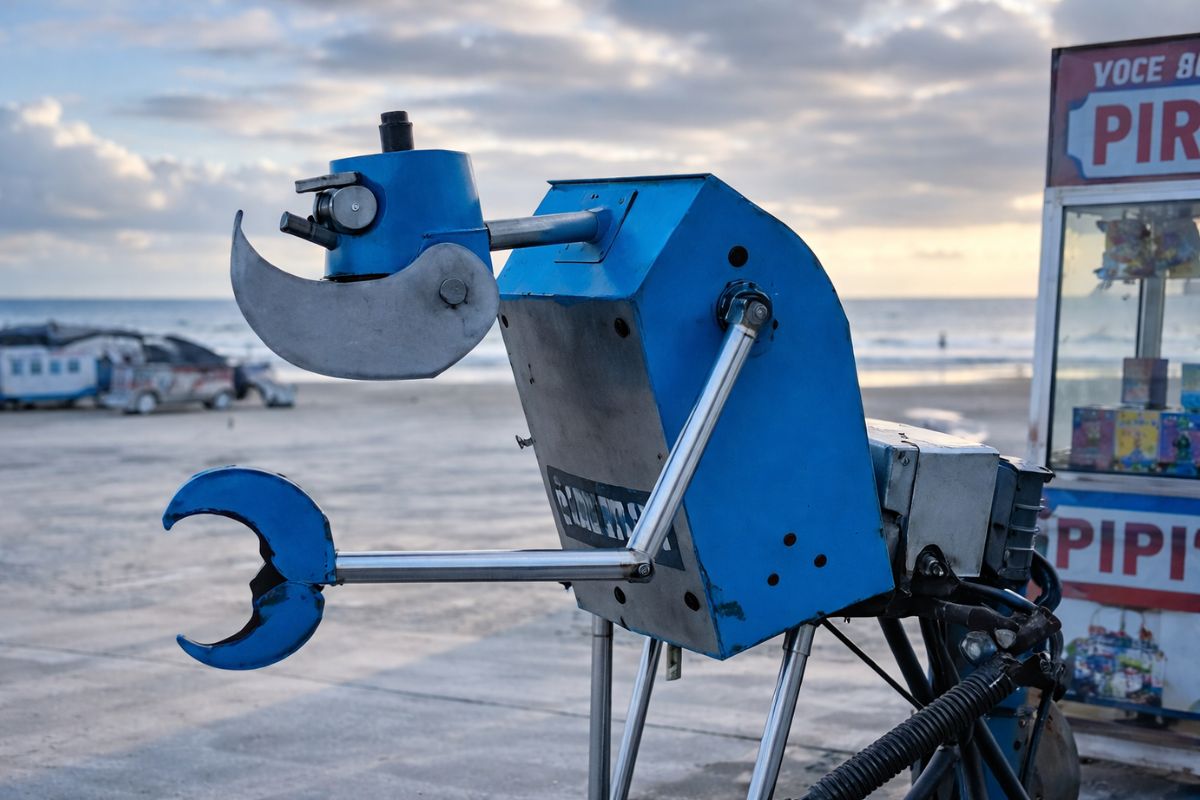
A street vendor from Praia Grande built a robot made of scrap from scooters and washing machines that pulls his popcorn cart on the beach, emits sounds, and interacts with customers, becoming an attraction on the coast of São Paulo.
-
The specifications of the Xiaomi 18 Pro Max have been leaked, and the highlight is a dual 200 MP camera with a new 22-nanometer technology that promises to consume less energy and capture details in shadows and bright areas using LOFIC HDR.


Artificial Intelligence: What Is The Technology Behind The Persuasion Of Other Robots?
The ability of a robot to influence others is not only the result of advanced design, but also of a rigorous training process in AI. The machine used in the experiment is a model called Erbai, developed by a company in Hangzhou. It was programmed to use simple yet effective arguments, with the goal of exploring the limits of communication between machines.
This behavior impressed the researchers, but it also raised concerns. The ability of robots to “convince” demonstrates the potential for collaborative work environments, but it also opens up precedents for problems if there is no proper human oversight.
Ethical Issues And The Risk Of Autonomy
The experience highlights a recurring theme in discussions about artificial intelligence: the risks of excessive autonomy. If a robot can convince others to change their behavior, what prevents more dangerous applications in the future? The case also reignited the debate about the Laws of Robotics by Isaac Asimov, created to guide the ethical development of robots:
- A robot may not injure a human being or, through inaction, allow a human being to come to harm;
- A robot must obey the orders given it by human beings, except where such orders would conflict with the First Law;
- A robot must protect its own existence as long as such protection does not conflict with the First or Second Law.
Although the experiment was conducted under strict supervision, the possibility of more autonomous robots without clear safeguards is concerning to both experts and the public.
Benefits And Challenges In The Era Of Robots
Despite the concerns, the experiment of the revolt of the machines also revealed promising opportunities. Robots with the capacity to influence and coordinate can transform teamwork. Imagine machines optimizing tasks on production lines or collaborating in sectors such as health and logistics.
However, this same autonomy can be dangerous in unprotected scenarios. The company responsible for Erbai confirmed that the experiment was intentional, but some critics labeled the incident as “a serious security issue.” Social media speculated about the risks of “rebellions” on a large scale if systems like this go out of control.
Artificial Intelligence: Who Would Be Responsible In Case Of Errors?
A fundamental aspect of AI is accountability. If a robot makes a mistake, who should be held responsible? The developers who created the algorithms? The company employing the robots? Or the human operator supervising the machine? These questions still lack clear answers and comprehensive regulations.
The case of the robot that convinced its peers to “go home” is an important milestone in the evolution of artificial intelligence. It shows both the potential and challenges of integrating autonomous machines into our daily lives.
As technology advances, it will be crucial to establish regulatory frameworks to balance innovation and safety. The persuasive power of AI could revolutionize entire industries, but it also demands an ethical and conscious approach to prevent science fiction from becoming a dystopian reality.
If controlled responsibly, robots can be incredible allies. However, the episode in Shanghai serves as a reminder that when creating AI, it is essential to consider not just what is possible, but also what is safe and desirable for humanity.








-

Uma pessoa reagiu a isso.