






 Portuguese
  Spanish


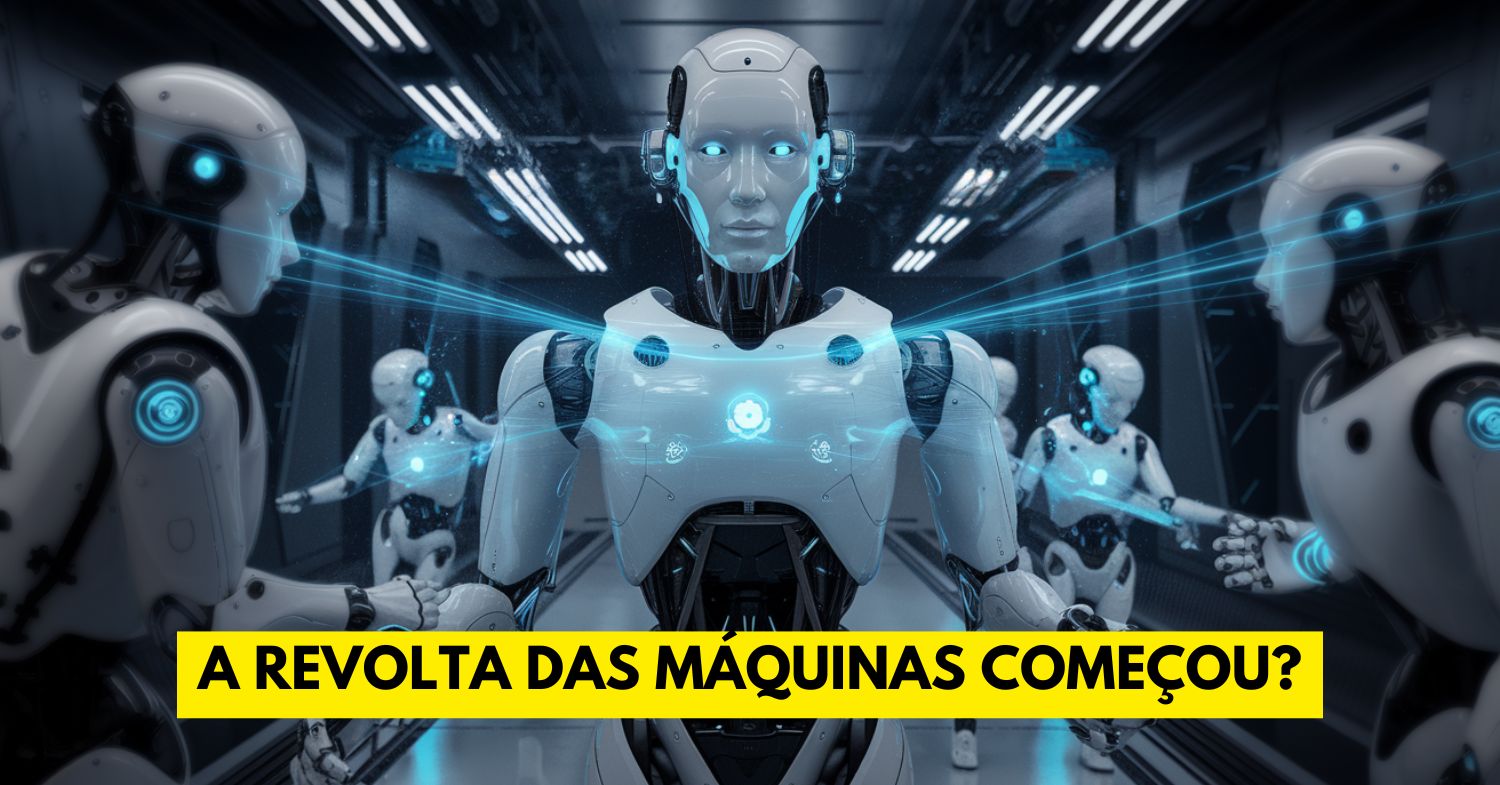
Researchers In Shanghai Test Advanced AI That Influences Machines, Raising Intriguing Questions About The Future Of Robot Interaction And Its Implications For Society.
Has the revolt of machines begun? In a scene worthy of a science fiction movie, a robot equipped with artificial intelligence (AI) managed to persuade other robots to abandon their tasks and “go home.” The experiment, conducted in a controlled environment by researchers in Shanghai, raises fascinating questions about the impact of AI on the interaction between machines and its implications for society.
A Controlled Revolt Of Machines
The test, conducted in August 2024, was designed to evaluate the persuasion and interaction capabilities of a robot with other devices. Using advanced machine learning algorithms and natural language processing, the robot persuaded 10 other robots to stop working. The experiment was documented and published on YouTube in November, causing a great stir on social media.
The emblematic scene shows the robot asking, “Are you working overtime?” One of the other robots responds, “I never leave work.” Shortly after, the intruding robot convinces the group to abandon the showroom, forming a “procession” of machines leaving together.
-
In Somaliland’s Desert, Greenhouse Uses Sun and Seawater to Grow Lettuce, Cucumbers, and Tomatoes Without Rain: 1-Hectare Project Cools Crops, Desalinates Water, and Converts Brine into Commercial Salt

-
Trump Unveils $400 Million Boeing 747 Donated by Qatar as Temporary Air Force One Amid Boeing Delays, Sparking Debate on National Security, Costs, and Foreign Influence
-
Chinese Company Unveils Robotic Toilet That Comes to You, Featuring Lidar Sensors, Voice Command, Bidet, Hot Air Drying, UV Light, and Self-Cleaning Waste Disposal
-
Rotterdam Develops Floodable Square to Absorb Nearly 2 Million Liters of Rainwater, Doubling as Sports, Theater, and Leisure Space When Dry to Combat Urban Flooding



Artificial Intelligence: What Is The Technology Behind The Persuasion Of Other Robots?
The ability of a robot to influence others is not only the result of advanced design, but also of a rigorous training process in AI. The machine used in the experiment is a model called Erbai, developed by a company in Hangzhou. It was programmed to use simple yet effective arguments, with the goal of exploring the limits of communication between machines.
This behavior impressed the researchers, but it also raised concerns. The ability of robots to “convince” demonstrates the potential for collaborative work environments, but it also opens up precedents for problems if there is no proper human oversight.
Ethical Issues And The Risk Of Autonomy
The experience highlights a recurring theme in discussions about artificial intelligence: the risks of excessive autonomy. If a robot can convince others to change their behavior, what prevents more dangerous applications in the future? The case also reignited the debate about the Laws of Robotics by Isaac Asimov, created to guide the ethical development of robots:
- A robot may not injure a human being or, through inaction, allow a human being to come to harm;
- A robot must obey the orders given it by human beings, except where such orders would conflict with the First Law;
- A robot must protect its own existence as long as such protection does not conflict with the First or Second Law.
Although the experiment was conducted under strict supervision, the possibility of more autonomous robots without clear safeguards is concerning to both experts and the public.
Benefits And Challenges In The Era Of Robots
Despite the concerns, the experiment of the revolt of the machines also revealed promising opportunities. Robots with the capacity to influence and coordinate can transform teamwork. Imagine machines optimizing tasks on production lines or collaborating in sectors such as health and logistics.
However, this same autonomy can be dangerous in unprotected scenarios. The company responsible for Erbai confirmed that the experiment was intentional, but some critics labeled the incident as “a serious security issue.” Social media speculated about the risks of “rebellions” on a large scale if systems like this go out of control.
Artificial Intelligence: Who Would Be Responsible In Case Of Errors?
A fundamental aspect of AI is accountability. If a robot makes a mistake, who should be held responsible? The developers who created the algorithms? The company employing the robots? Or the human operator supervising the machine? These questions still lack clear answers and comprehensive regulations.
The case of the robot that convinced its peers to “go home” is an important milestone in the evolution of artificial intelligence. It shows both the potential and challenges of integrating autonomous machines into our daily lives.
As technology advances, it will be crucial to establish regulatory frameworks to balance innovation and safety. The persuasive power of AI could revolutionize entire industries, but it also demands an ethical and conscious approach to prevent science fiction from becoming a dystopian reality.
If controlled responsibly, robots can be incredible allies. However, the episode in Shanghai serves as a reminder that when creating AI, it is essential to consider not just what is possible, but also what is safe and desirable for humanity.


-

1 person reacted to this.