





 Portuguese
  English
  Spanish
  2 min of reading
  0 comments


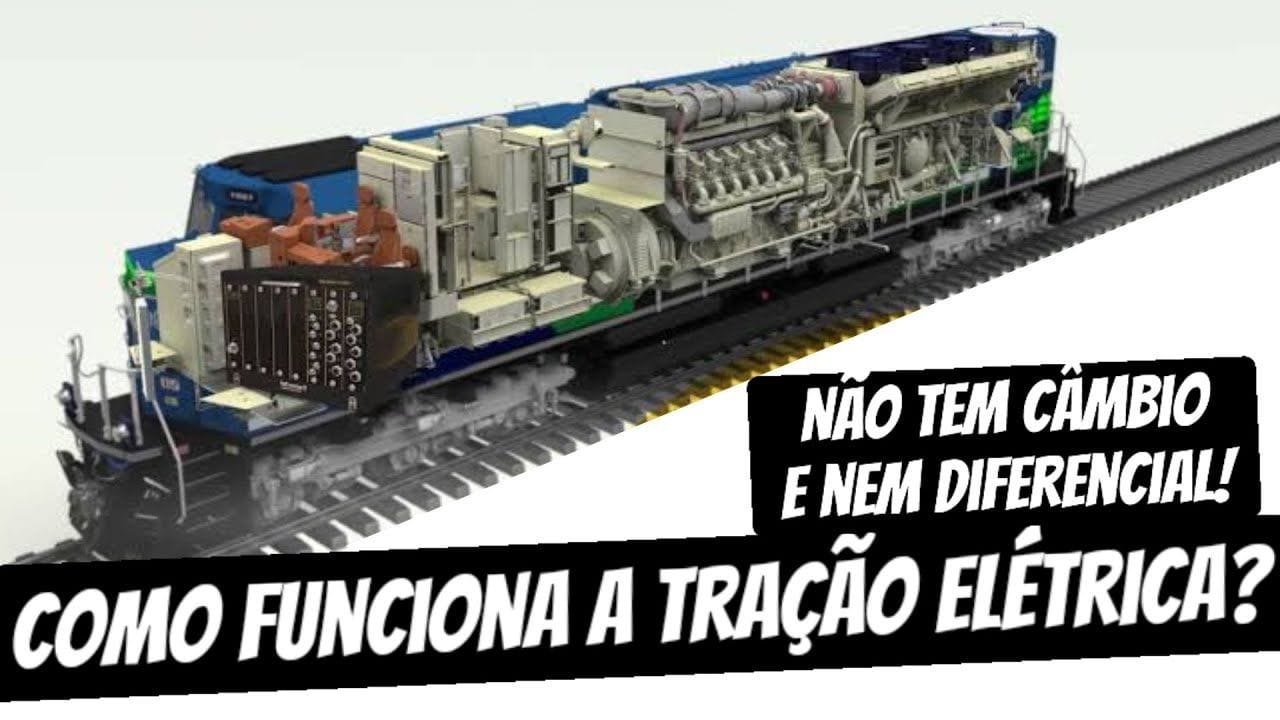
Understand How Electric Traction, A Fundamental Technology for Heavy Vehicles Like Locomotives, Mining Machinery, and Ships, Is Transforming Heavy Transport and Promoting Greater Energy Efficiency.
Electric traction, an innovation that dates back to the 19th century, has been a pillar in the heavy transport industry. With the need for powerful motors to haul large loads, electric traction offers an efficient and robust solution.
Thomas and Emily Davenport are considered pioneers in the creation of the electric motor in 1833. This invention used magnetic repulsion to generate movement, later applied in a toy locomotive. Other inventors, such as Robert Davidson in Europe, also significantly contributed to the early development of electric locomotives.
Industry Evolution

Over the years, electric traction has evolved and expanded to other heavy vehicles, such as mining dump trucks and ships. The transition from steam engines to internal combustion engines brought even more innovations, with the incorporation of more advanced electromechanical systems.
-
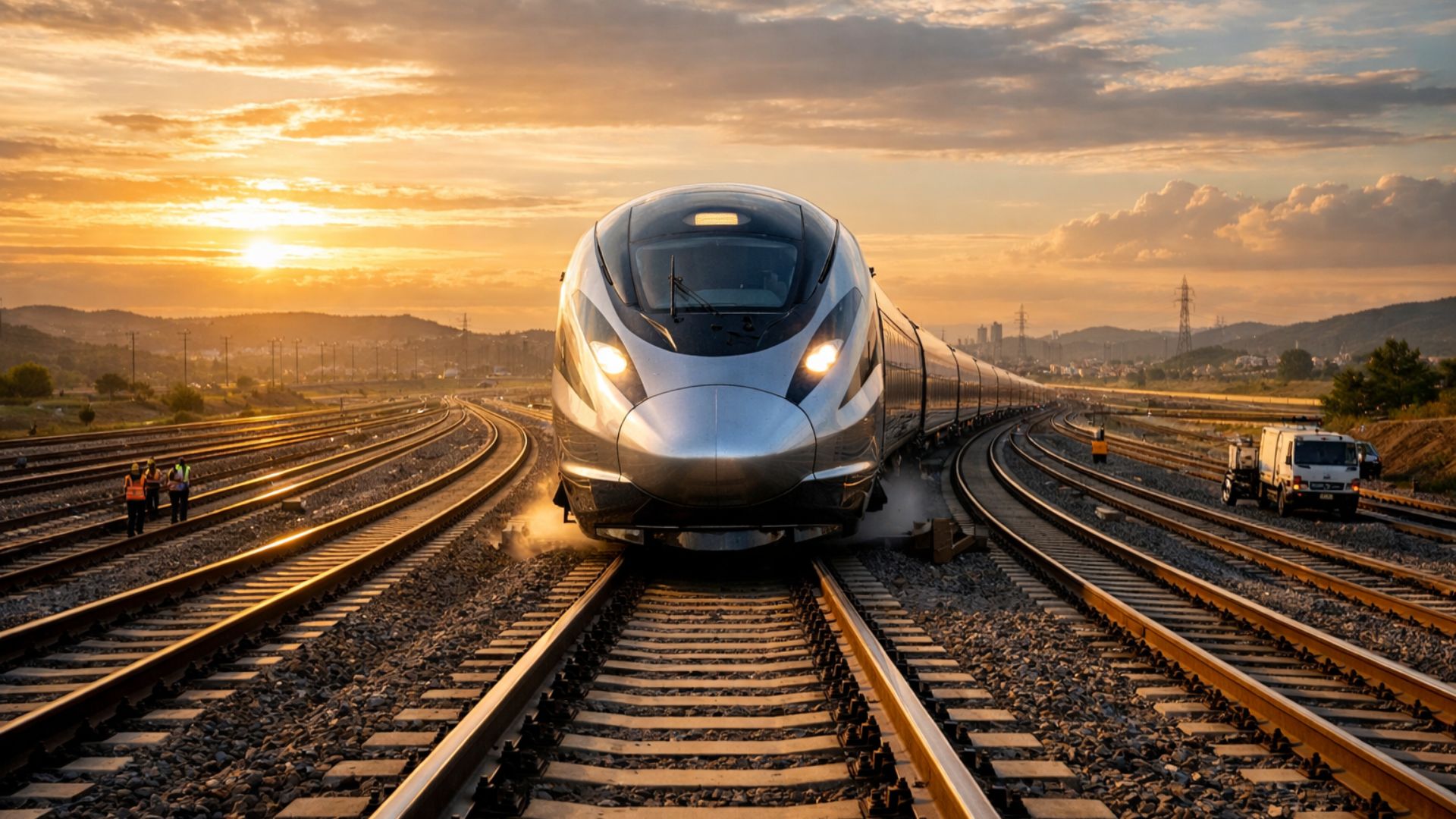
São Paulo surprises the world with a colossal railway network project that promises over 1,000 km of tracks, R$ 194 billion in investments, and 40 projects connecting the capital to the interior with fast and sustainable trains.
-
The world’s largest escalator, measuring 905 meters in China, reduces urban travel time from 1 hour to about 20 minutes and transforms mobility in mountainous regions with an engineering solution adapted to the terrain.

-
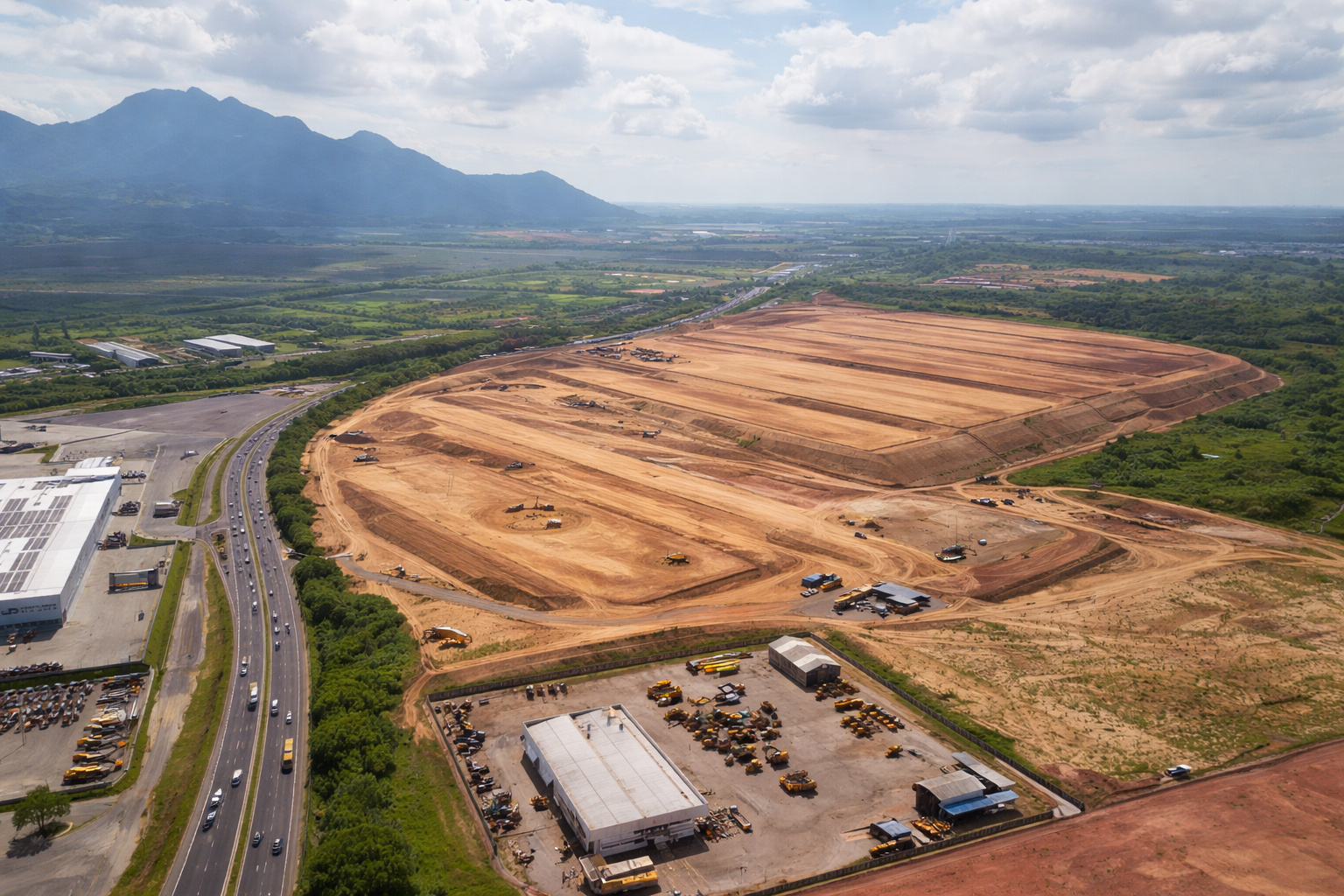
A R$ 300 million logistics giant is taking shape in Serra with over 100,000 m² and raises a question: how can this transform e-commerce and distribution in the state?
-
Could Uber Rides Lose Minimum Fare? Understand What’s Happening!


Operation of Diesel Locomotives
Diesel locomotives, for example, use large engines to generate sufficient power, transmitting it to the wheels through a complex electrical system. This system converts the energy from the diesel engine into electrical energy, which is then used to power electric motors on the wheels, ensuring a uniform power distribution and a progressive, smooth performance.
Despite its complexity and cost, electric traction offers significant advantages, such as the ability to transport heavy loads more efficiently with less fuel consumption. However, energy losses in electrical conversion can be a challenge.
Modern Applications
Today, electric traction continues to be crucial for the heavy industry. Vehicles such as mining dump trucks and crawler tractors utilize this technology to improve productivity. In ships, electric traction aids in fuel efficiency and maintaining power during adverse conditions.
Electric traction plays a vital role in heavy transport, providing an efficient solution for handling large loads. With its rich history and significant impact on the industry, electric traction is more than just a technological innovation; it is a driving force in global development and the economy.









Seja o primeiro a reagir!