






 Portuguese
  Spanish
  2 min of reading
  0 comments


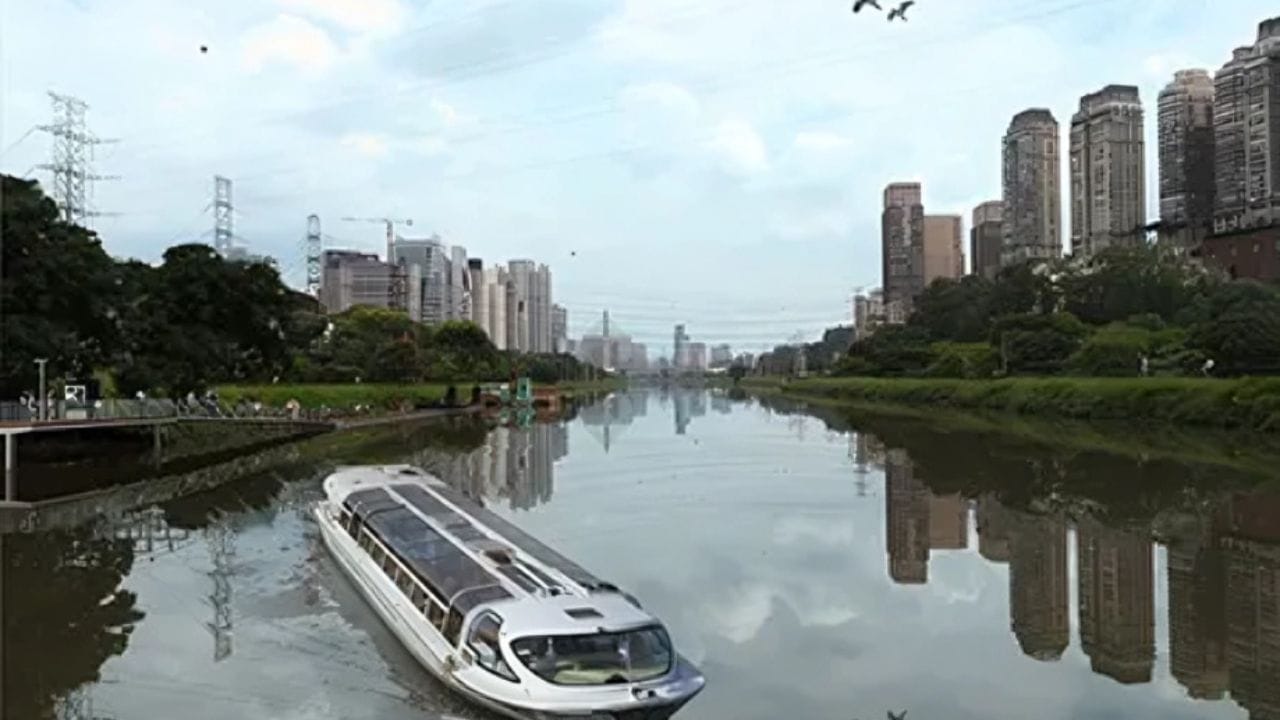
The Anticipated Aquatic Project, which proposes passenger transportation via vessels on the Billings Reservoir in São Paulo, advances with successful tests and official authorization from the EMAE. This project promises to transform urban mobility in the south region of the city.
In São Paulo, an innovative urban mobility project known as the Aquatic Project is close to becoming a reality. Aiming to facilitate passenger transportation in the south region of the city through the Billings Reservoir, the project has received the green light following successful vessel tests and authorization from the Metropolitan Company of Water and Energy (EMAE).
The Aquatic Project, an initiative for transportation of passengers via vessels on the Billings Reservoir, is a milestone for São Paulo. Set to be inaugurated in February, according to Mayor Ricardo Nunes, the project aims to provide a more efficient and direct transportation alternative for residents in the south region.
Tests and Preparations for the Aquatic Project
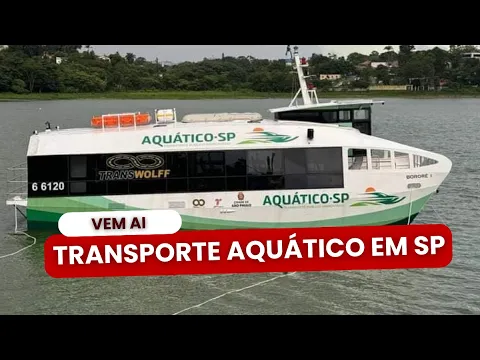

Images shared on social media show one of the boats from the project in the testing phase. These tests are crucial to ensure the safety and effectiveness of aquatic transportation, a relatively new concept for the city.
-
Why can the crane operator only obey the correct signalman on the construction site: among dozens of workers, a hand raised by the wrong person can confuse the maneuver and turn a load of tons into an immediate risk.

-
What changes with the new public transportation rules that can reduce pressure on fares and pave the way for zero fare in Brazil?
-
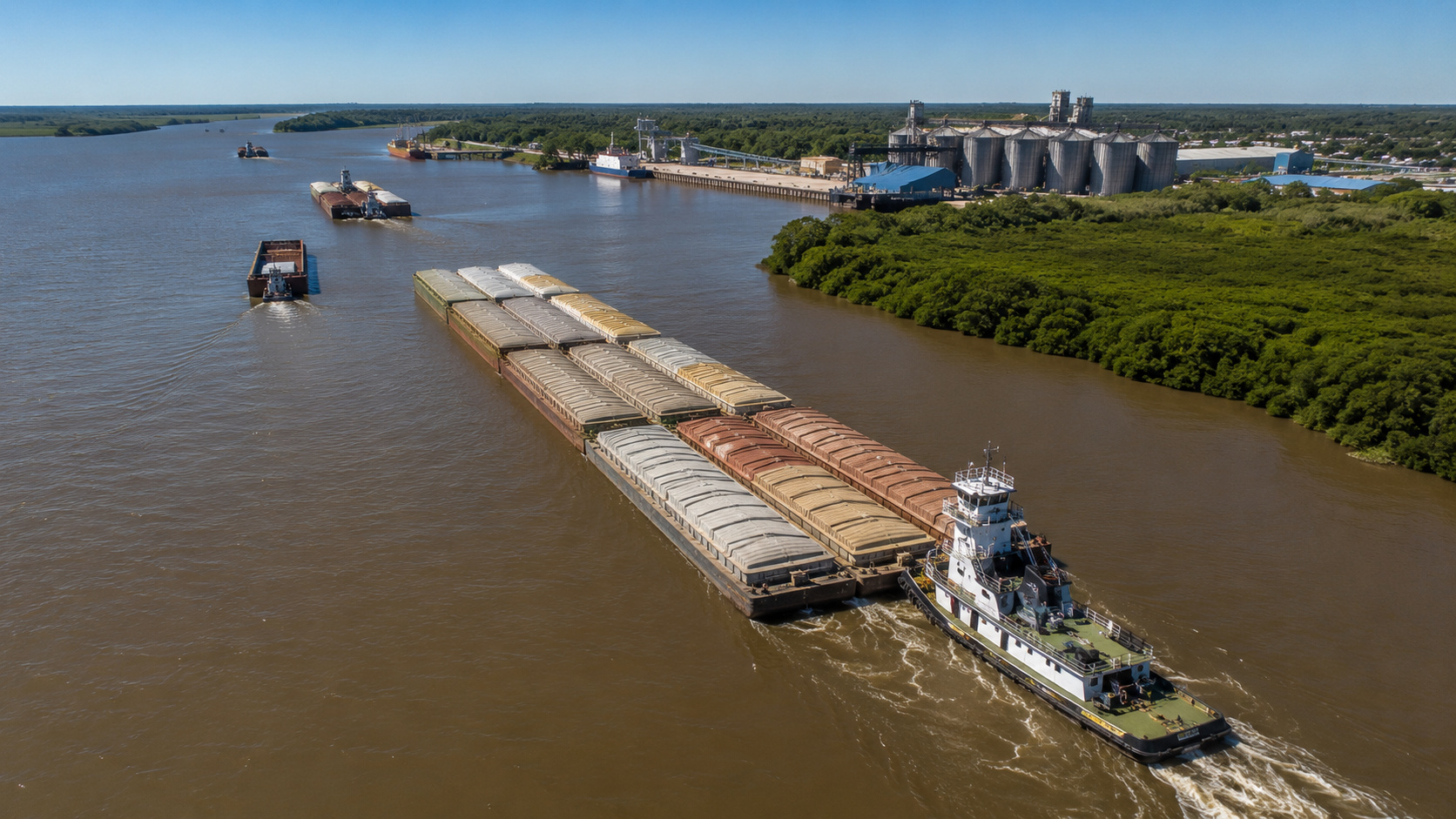
Argentina confirms Belgian giant to lead strategic Paraná River waterway and promises to reduce logistical costs on one of South America’s most important routes
-
MBRF surprises the logistics sector by demonstrating how Artificial Intelligence can directly influence deliveries throughout Brazil by reorganizing distribution routes in seconds, optimizing fleet usage, reducing logistics costs, and speeding up product arrivals even in the face of unforeseen road incidents.
Authorization from the EMAE
The EMAE signed a contract with SPTrans for the use of the necessary areas for the operation of the vessels. The summary of this contract was published in the Official Gazette, marking an important step for the implementation of the project.
The aquatic transportation will connect Cantinho do Céu and Mar Paulista parks, significantly reducing the distance and travel time for users who currently depend on buses. The operation will be conducted by bus companies, with the vessels integrated into the municipal system.
Impact on Mobility
This initiative promises to improve mobility in the south region, known for its high volumes of trips related to work, leisure, and education. With a more direct and less congested route, the Aquatic Project emerges as a promising solution to the transportation challenges in the area.
The Aquatic Project in São Paulo is a welcome innovation in the field of mobility urban, offering an efficient and sustainable transportation alternative. With the EMAE’s authorization and successful tests, expectations are high for the project’s inauguration in February, bringing a new dynamic to transportation in the city.





Be the first to react!