





 Portuguese
  English
  Spanish
 3 min of reading
  0 comments


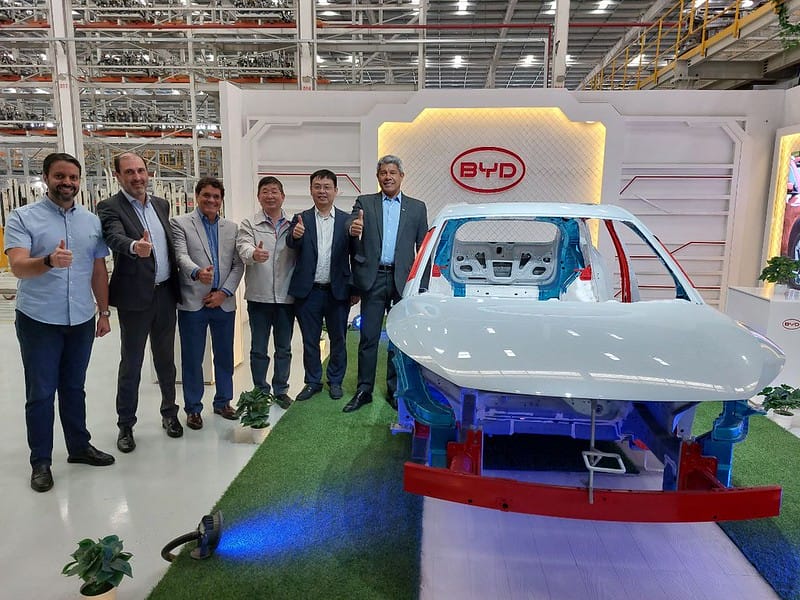
China in Brazil: A Strategic Partnership of the Asian Country to Expand Its Global Reach and Surpass the United States in the Race for Electrification
On the bustling streets of Beijing, a silent revolution takes shape. Amid the rush hour chaos, Chinese electric cars, led by companies like BYD, defy expectations. The deafening sound of engines and exhausts is replaced by a calm environment, creating not only efficient traffic but also an uncommon sense of well-being.
As Chinese automakers BYD and Great Wall Motors establish their bases in Brazil, the vision of a sustainable and technologically advanced future begins to materialize. China, the undisputed leader in electric car production, not only brings its vehicles to Brazil, but also seeks to establish strategic partnerships, leveraging not only the Brazilian market but also opportunities for technological collaboration.
The “silent traffic” that transformed the streets of Beijing now becomes a symbol of innovation and progress in Brazil, paving the way for a promising electric automotive horizon.
-
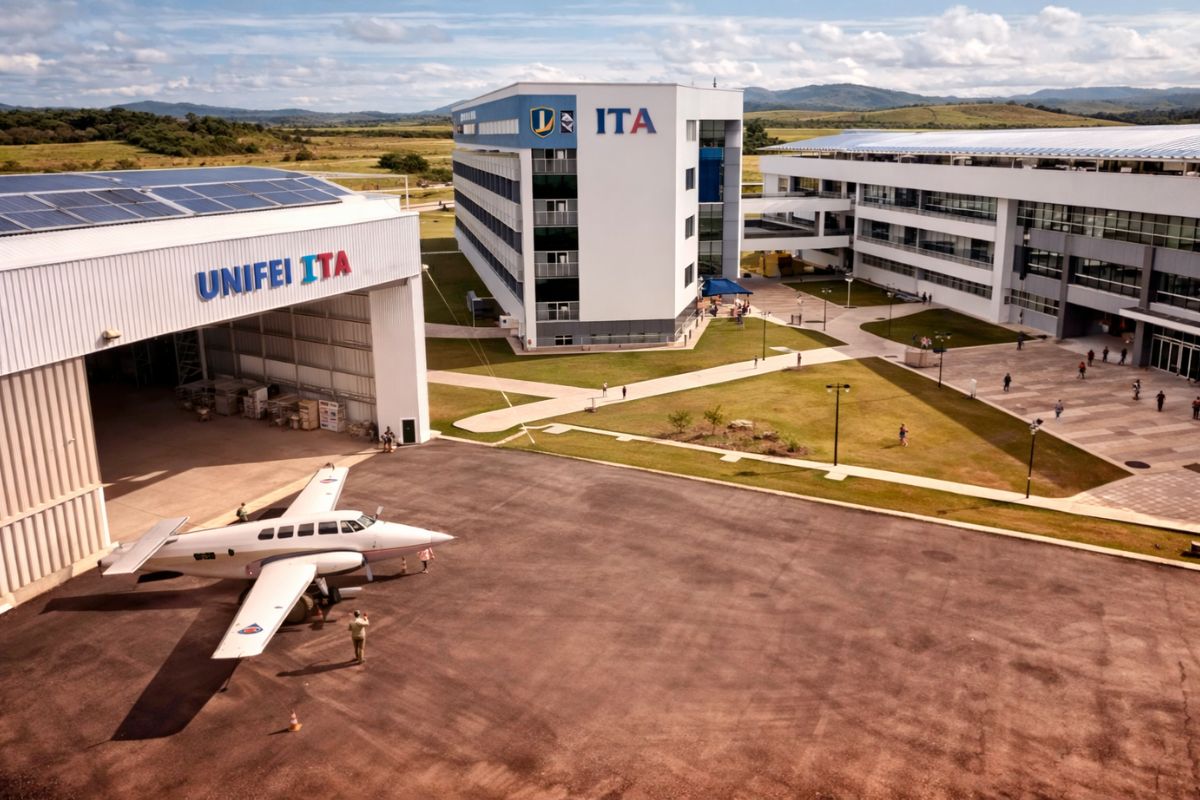
The institute that trained the greatest aerospace engineers in Brazil has just opened its first campus outside São Paulo after 75 years: ITA Ceará will have R$ 445 million, new courses in energy and systems, and classes are expected to start in 2027.
-
Luciano Hang, owner of Havan, goes to Juiz de Fora after the tragedy in February, brings R$ 1 million, hands out R$ 2,000 cards, and donates up to R$ 15,000 to victims in the region.

-
The Brazilian passport allows legal residence in dozens of countries without the need for a prior visa, and most Brazilians are unaware that they can apply for residency directly upon arriving in nations in South America, Africa, and even Europe.

-
Petrobras sends a message to Brazilian truck drivers after fuel collapse and reveals plan to have 100% domestic diesel.


BYD and Great Wall Motors: Billion-Dollar Investments in Brazil
Two Chinese giants, BYD and Great Wall Motors, are landing in Brazil with billion-dollar investments, aiming not only to conquer a promising market but also to pave the way for technological partnerships. This move represents a robust plan to establish automotive production outside of China. China seeks not only to expand its global reach but also to surpass the United States in the race for strategic technological collaborations with Brazil.
More than half of the electric cars in circulation worldwide are in China, a feat driven by an audacious strategy. Fifteen years ago, China realized that competing in conventional vehicles would be a challenge, opting for electrification as a differentiator. With a decade of advantage in technology and cost in battery production, China not only solidified its presence in the automotive sector but also embraced a sustainable approach to reduce pollution and boost its climate policy.
Chinese Electric Cars in Brazil: First Factory of the Chinese Electric Automaker in the Americas Will Operate in Bahia
The entry of BYD into Brazil, surpassing Tesla as the largest producer of electric vehicles, represents not only a R$ 3 billion investment but also a geopolitical strategy. The intense negotiations for the industrial plant in Camaçari, Bahia, symbolize the U.S.-China competition for influence in global markets. With the support of the Government, BYD aims not only to lead sales in Brazil but also to position the country as an export hub for all of Latin America, leveraging the strategic relations between Brazil and China.
As Chinese automakers like BYD and Great Wall Motors establish their presence in Brazil, they face the challenge of making electric cars affordable. The initial prices, though high, reflect the strategy of introducing sophisticated products and ensuring a profit margin. However, the promise of significant savings in cost per kilometer stands out. With Brazilians increasingly aware of sustainability, the expectation is that the electric route will grow significantly by 2032, with the Chinese occupying a significant share of this market.









Seja o primeiro a reagir!