





 Portuguese
  English
  Spanish
  5 min of reading
  1 comment


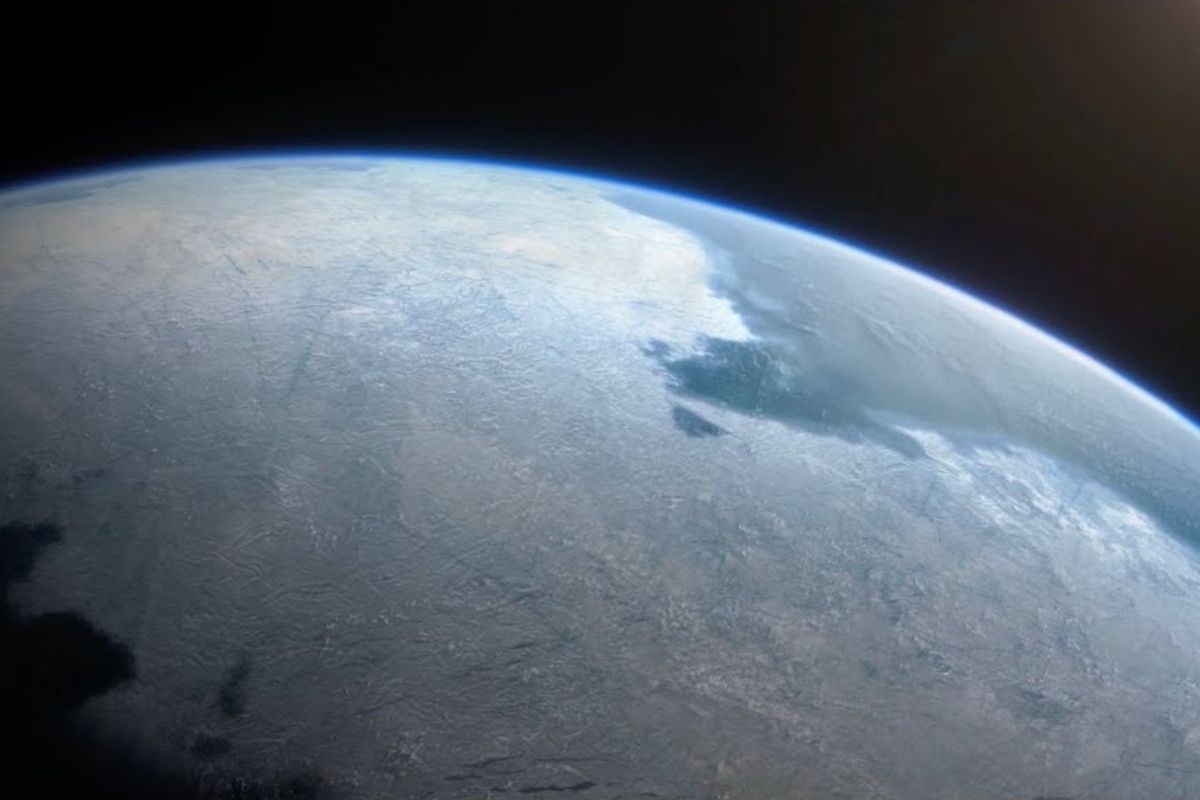


Basalt, More Fragile Than Granite, Weathers Silicates When Rain With CO2 Becomes Weak Acid and Dissolves Rocks. Compounds Go to the Ocean and Become Carbonates, Trapping CO2 on the Seafloor. With Exposed Basalt in the Tropics Under Intense Rain, the Effect Accelerated, Thinned the “Blanket,” and Cooled the Earth Globally.
Basalt is described as a rock capable of affecting the planet’s atmosphere on a geological scale because it forcefully engages in a mechanism that removes CO2 from the air and packages it into rock at the bottom of the sea. When large volumes of basalt are exposed at the surface, the Earth can literally lose part of its “thermal blanket” and begin to cool for a long time.
The sequence presented begins with an explosion of basalt in the heart of Rodinia, formed in the tropics and exposed to intense rain. In this scenario, the weathering process of silicates accelerates CO2 capture, reduces the greenhouse effect, drops temperatures over millions of years, and opens the way for ice to first form at the poles and then spread, creating a stress potentially deadly to life.
Why Basalt Weighs More on Climate Than Other Rocks

Basalt decomposes more easily than other rocks, like granite. This detail matters because the speed of decomposition controls the pace of a chain reaction that connects rain, CO2, rock, and ocean.
-
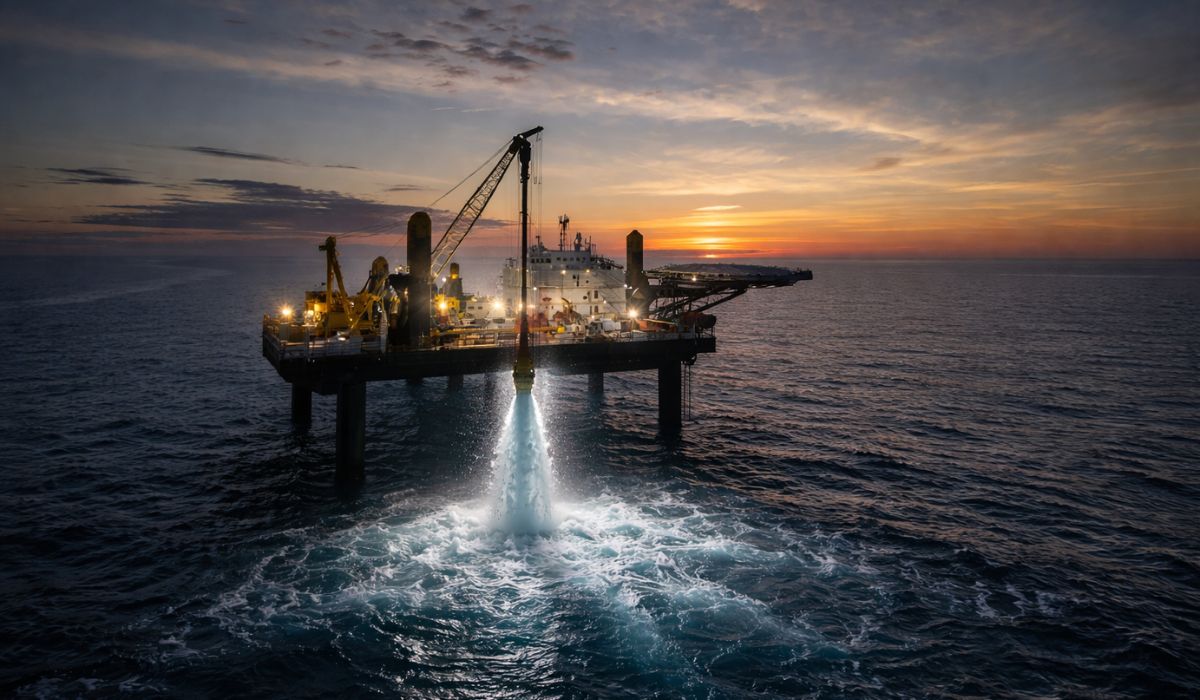
Expedition 501: Scientists drill into the ocean floor and discover a giant reserve of fresh water hidden beneath the sea, extracting nearly 50,000 liters and revealing an invisible system that could reshape the map of water scarcity.
-
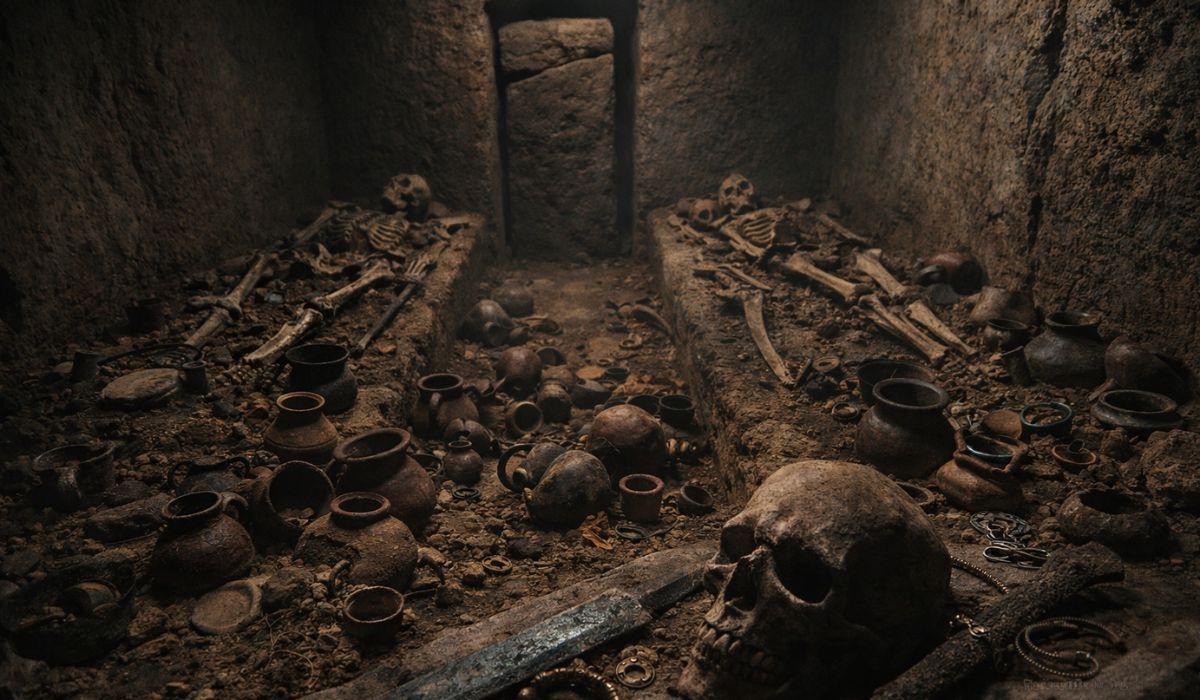
Archaeologists find an intact tomb over 2,500 years old, with more than 100 preserved objects, weapons, jewelry, and human remains never touched.
-
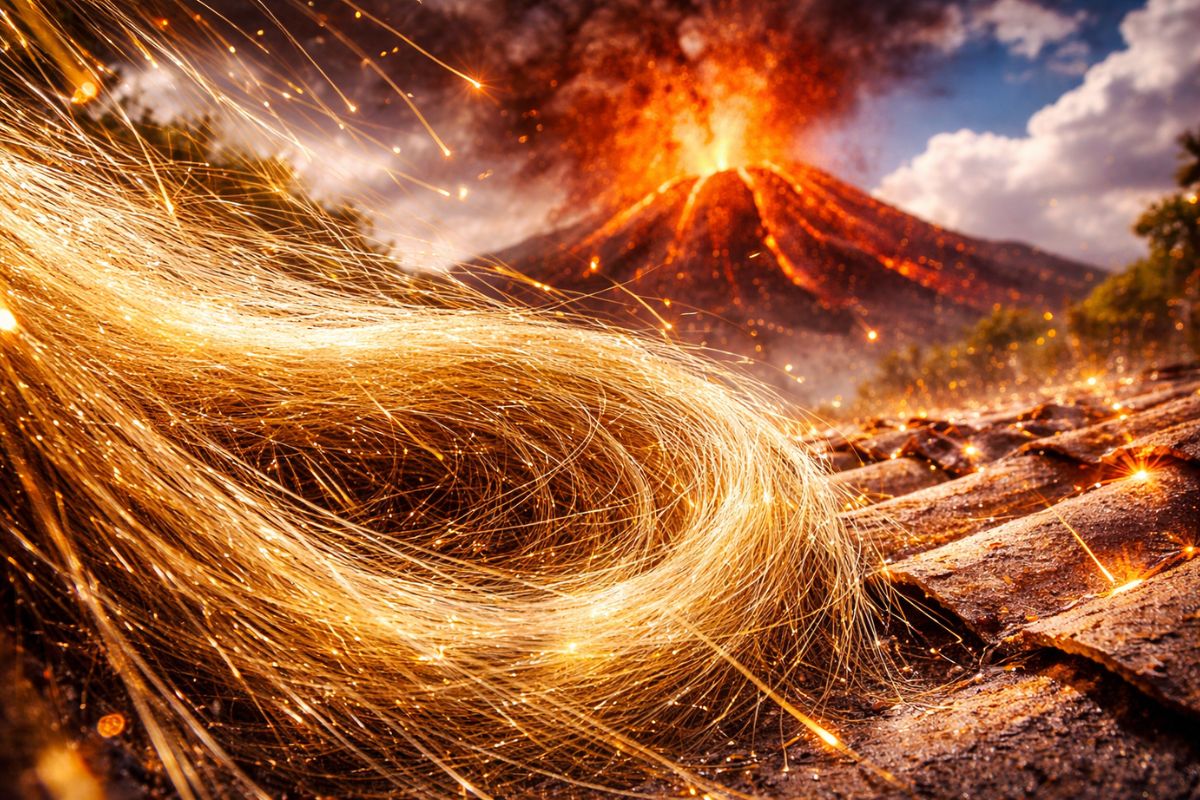
Volcanic lava transforms into threads as fine as human hair that travel over 30 kilometers by wind and fall like cutting rain on roofs and backyards in Hawaii and Iceland.
-
NASA issues a warning for the feared Godzilla El Niño that could change the planet’s climate in 2026 with extreme warming of the Pacific capable of causing devastating droughts in some regions and historic floods in others simultaneously.
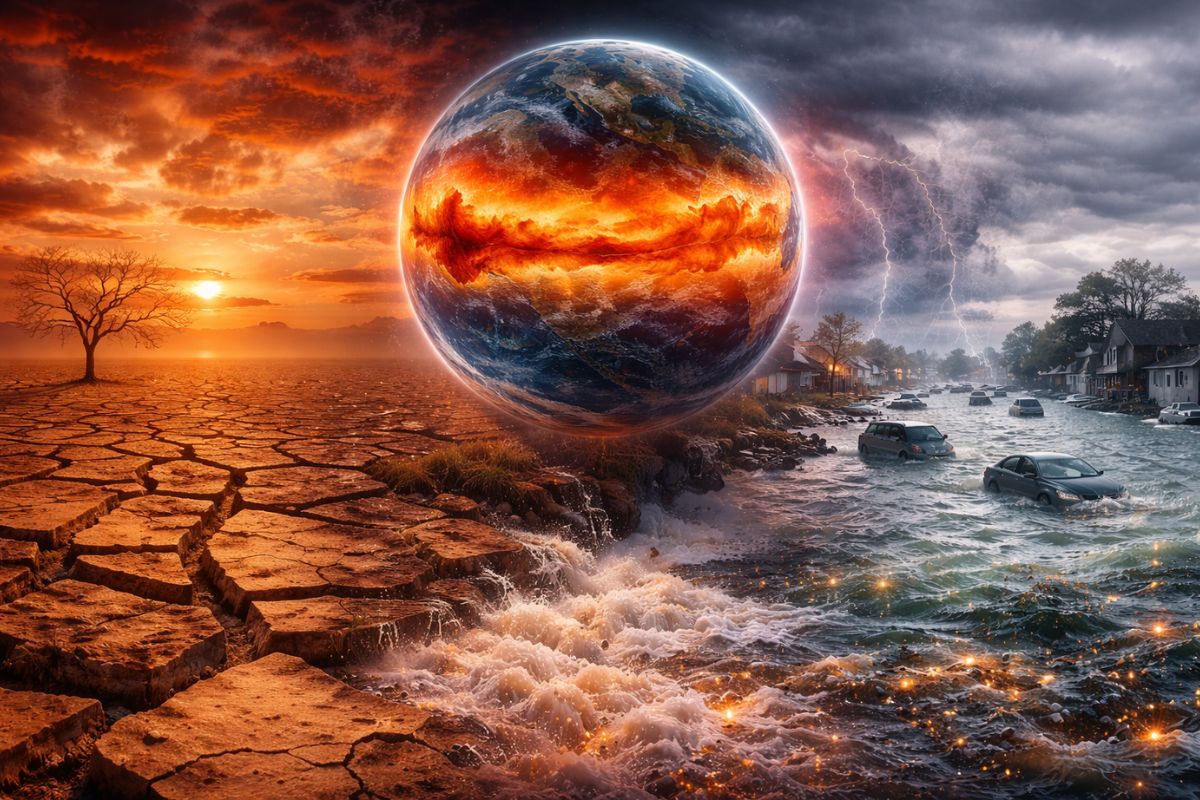

The key is the weathering of silicates. When rain mixes with CO2 from the atmosphere, it creates a weak acid. This acid falls on the surface and weathers the rocks, wearing away silicates and releasing compounds that follow along with the water. Basalt, being more “reactive” in this context, becomes a natural accelerator of CO2 removal.
The Chemical Path: From Rain to the Seafloor, Where CO2 Becomes Stone

The reaction does not “destroy” CO2; it changes the place where it is stored. Rain with weak acid weathers silicates and creates compounds that are carried to the oceans. There, these compounds eventually form carbonates.
The decisive point is that carbonates capture carbon dioxide in the form of rocks on the seafloor. In other words, CO2 stops circulating as a gas in the atmosphere and becomes “trapped” as part of marine rocks. This mechanism acts as a long-term climate brake because it controls the amount of CO2 that remains in the air.
Quantity Is Not Enough: The Place Where Basalt Appears Changes Everything

The amount of basalt created tells only part of the story. The location where it formed also serves as a determining factor for climatic impact. The presented hypothesis points to formation in the tropics.
Basalt in the tropics means exposure to large amounts of rain. This matters because the more rain, the more water available to mix with CO2, form weak acid, and intensify the chemical weathering of basalt. The tropical climate becomes a weathering machine, and basalt becomes the reactive fuel for this machine.
Exposed Basalt and Intense Rain: The Combination That Pulls CO2 Out of the Air

The described combination is straightforward: large quantities of basalt exposed at the surface and torrential, intense rains. This double push means that a large amount of CO2 can be extracted from the atmosphere.
The removal of CO2 cools the Earth because CO2 is a greenhouse gas. It retains heat attempting to escape the planet. The analogy used is that of a warm blanket on a winter day: if the blanket becomes thinner, the consequence is a cooler Earth. Basalt, by pulling CO2 to the seafloor, thins the planet’s thermal blanket.
Slow Cooling: Millions of Years Until Ice Advances
The effect is not instantaneous. The drop in carbon dioxide levels causes temperatures to plummet over millions of years. This long interval is essential because it describes a change of state of the planet that does not depend on a single winter but on a persistent trend.
With sustained cooling, ice forms. Initially, it is confined to the poles. Then, it spreads. The narrative points to a world approaching a “snowball” state, a scenario in which life on the planet faces a potentially deadly challenge. The risk is not just in the cold but in the loss of habitability on a global scale.
Rodinia as a Geological Stage and the Idea of a Rocky Trigger
The description mentions millions of tons of basalt gushing over the surface of the Earth in the heart of Rodinia, which would have the potential to produce a profound effect on the climate. The event is treated as a trigger because, by exposing basalt en masse, it feeds the chemical mechanism for CO2 capture.
In this type of chain, basalt is not an isolated “villain.” It only amplifies a natural reaction that always exists but can, under normal conditions, be too slow to change the entire planet. When the scale of exposed basalt explodes, the scale of the climate follows suit.
Basalt appears as the central piece of an extreme climatic story: by easily decomposing in the weathering of silicates, it reacts with rain that carried CO2, creates compounds that go to the ocean and become carbonates, trapping CO2 in rock on the seafloor. With exposed basalt in the tropics under intense rains, CO2 extraction accelerates, the Earth’s thermal blanket thins, and temperatures drop for millions of years, until ice emerges at the poles and advances, creating an almost mortal risk to life.
Do you find it more frightening that a rock like basalt can change the global climate for millions of years, or that this type of change can start merely by where it appears on the surface?







Olá, bom dia!
Que materia interessante!
O mais assustador é que pode começar apenas onde o basalto existe na superfície!