





 Portuguese
  English
  Spanish
  8 min of reading
  0 comments


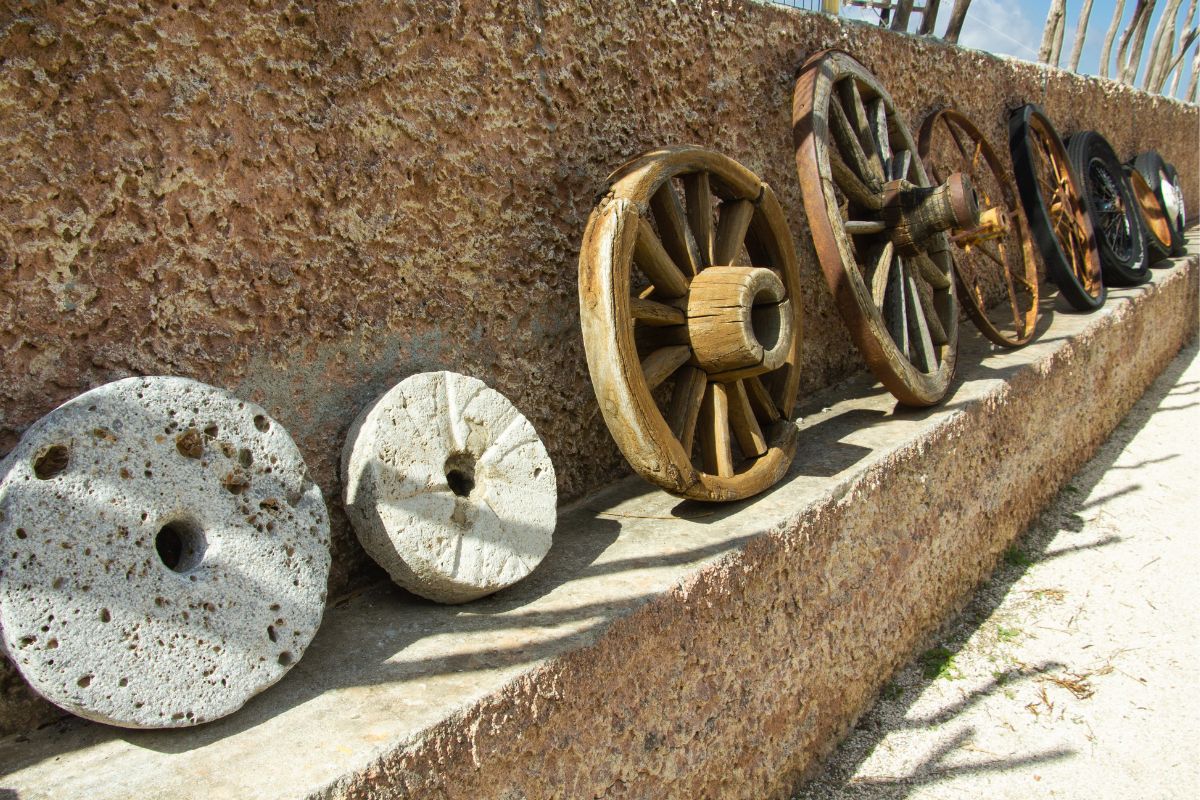
How A Simple Idea Transformed The World, From The First Clay Pot To The Robots Exploring Other Planets. The Discovery Of How This Invention Transformed Transportation, Boosted Giant Industries, Including Oil And Gas.
For millennia, humanity lived in a kind of “collective isolation,” like a day stuck, seemingly not moving. Carrying some stones to build a house was done by sheer effort, dragging everything. Making some beautiful clay pots took a lot of work to get everything just right. Then, an idea emerged that, while today seems trivial, at the time represented a revolutionary advance: the wheel.
It’s possible to imagine the first human observing a log rolling downhill and intuiting the existence of a fundamental principle. Although the development was not instantaneous, this initial perception represented a catalyst that propelled humanity immeasurably. The wheel is not just a circle that spins; it is the symbol of our creativity, our stubbornness to make life easier, and, of course, our eternal quest to go further.
The Beginning: The Wheel and Its Pioneer Application In Ceramics
The first wheel we have records of was not made to roll around with heavy loads. It was born in ancient Mesopotamia, about 3,500 years before Christ, in the hands of the Sumerians. They used it to make pots. The first known wheel was a potter’s wheel.
-
He started running at 66 years old, broke records at 82, and is now a subject of study for having a metabolic age comparable to that of a 20-year-old, in a case that is intriguing scientists and inspiring the world.

-
Oldest tree on the planet reappears after 130 years of searches: Wattieza, 385 million years old, was 10 meters tall and had no leaves or seeds; Gilboa fossils in New York solved the mystery in 2007.

-
A 48-square-meter house assembled in hours with 4,000 bricks made of recycled plastic that does not absorb moisture, has natural thermal insulation, and costs less than 90,000 reais in a complete kit.

-
Luciano Hang revealed that Havan’s air fleet has already accumulated more than 20,000 landings, 10,000 flight hours, and 6 million kilometers traveled, and he says that without the planes, the company would never have grown so quickly.


Before, making a pot meant molding by hand, with great care, but each one came out differently. With the wheel, you just put the clay on and spin it, and the pot came out symmetrical quite quickly. This not only sped up utensil production but also allowed the art of ceramics to flourish. This potter’s wheel, even without moving from its spot, already demonstrated the magical principle of controlled rotation. It was as if humanity was practicing, training the idea of something that spins to later apply it to something that rolls.
After this “testing phase” in ceramics, the human mind, which never stops, looked at that invention and thought, “What if we made this really roll, moving things from one place to another?” And that’s when the challenge began.
Imagine the challenge of cutting a piece of log, precisely boring it to insert an axle, and ensuring that this structure rotated stably without disintegrating. It was a true engineering puzzle. However, human persistence prevailed, and around 3,200 B.C., the transportation wheel was conceived. From that moment on, the trajectory of civilization was altered irreversibly.
Rolling The World: From Ancient Cars To Super Fast Ones
When the wheel finally transcended its static function, the impact was extraordinary. Initially, vehicles were rudimentary, equipped with solid and considerably heavy wheels, built from solid wood sections. Even so, the difference was striking.
Being able to transport boxes, sacks of grains, or even people from one village to another, without having to drag everything by hand, was simply revolutionary. Trade exploded, cities began to grow, and even armies became more powerful, able to move faster.
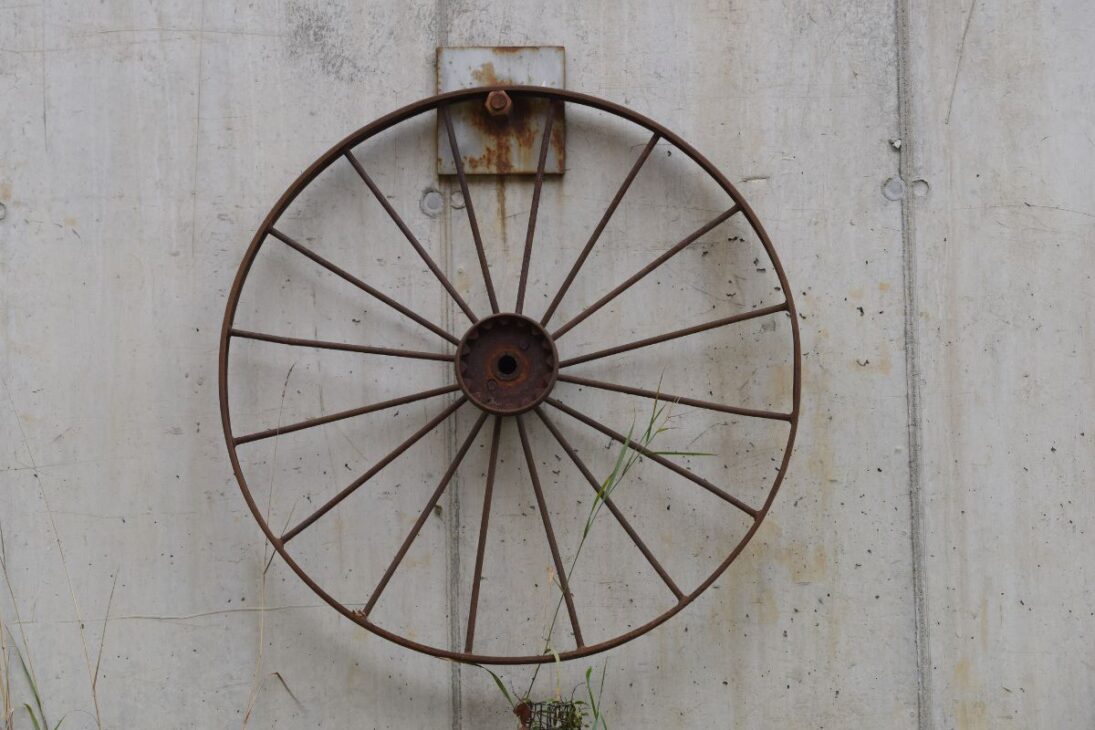
And we didn’t stop there. The wheel evolved. The Egyptians, for instance, who were wise in engineering, invented spoked wheels around 2000 B.C. It was a wheel that, instead of being a solid block of wood, was hollow, with “spokes” connecting the center to the rim.
It became much lighter, faster, and more resistant. Just look at the Egyptian chariots, which look like they came out of a movie, and see the agility they provided. This was the “upgrade” that allowed for much more agile vehicles, both for everyday use and for battles. The wheel was flying low, or rather, spinning fast.


The Wheel That Drives The Economy: From Water To Heavy Industry
But the wheel is not just about transportation. It is like the versatile artist performing in various fronts. The ancient water wheels, which transformed the power of rivers into energy for grinding grains, cutting wood, or even irrigating crops, represented the power of nature working for us, all thanks to the wheel. This was a giant step toward automation and the idea of using natural energies to get things done.
And in the Middle Ages, windmills (which also use the idea of the wheel, but standing up!) and water wheels became the heart of the economy. They ground grain, pumped water, and even helped forge metals. We got clever at connecting one wheel to another, creating gears, which are like “sister wheels” that work together to transmit force and change speed.
These systems, which may seem simple, were the ancestors of the giant machines we see today. The oil platforms, the turbines of refineries… all this machinery has a bit of our ancient wheel inside, spinning, producing energy, and moving the world we know, including what you read here on Click Oil And Gas.
The Giant Leap Of The Wheel: From The Factory To The Conquest Of Space
When the Industrial Revolution arrived, around the 18th and 19th centuries, the wheel became the star of the show. The steam machines, trains, entire factories… everything literally revolved. The weaving machines, mining equipment, the engines that made everything work, were a party of wheels and gears.
It was during this time that mechanical engineering took off, and we learned to create stronger, faster wheels that could take a beating. The mass production we experience today, with everything quickly coming out of factories, only exists because of the efficiency that the wheel brought to the production line.
The wheel went to space! That invention that started with clay in Mesopotamia is now up there on Mars. Yes, the exploring robots, like Curiosity and Perseverance, have super special wheels designed to travel on rocky, dusty terrain filled with craters. And it doesn’t stop there! In satellites and space shuttles, we use gyroscopes, which are basically wheels spinning at very high speeds to keep everything pointed in the right direction.
The same logic that helped our ancestors out of tight spots now takes us to explore other planets. This shows how a brilliant, yet simple idea can be adapted and improved for the most insane challenges we face. The wheel is a symbol of our resilience and our desire to never stop discovering.
And speaking of inventions that changed the game, while the wheel taught us to master physical movement and mechanical energy, the 20th century brought a new turnaround: the age of electronics. Just as the wheel is the heart of mechanics, another tiny invention became the “brain” of everything digital.
The Wheel Turns And Life Goes On: What Have We Learned From It?
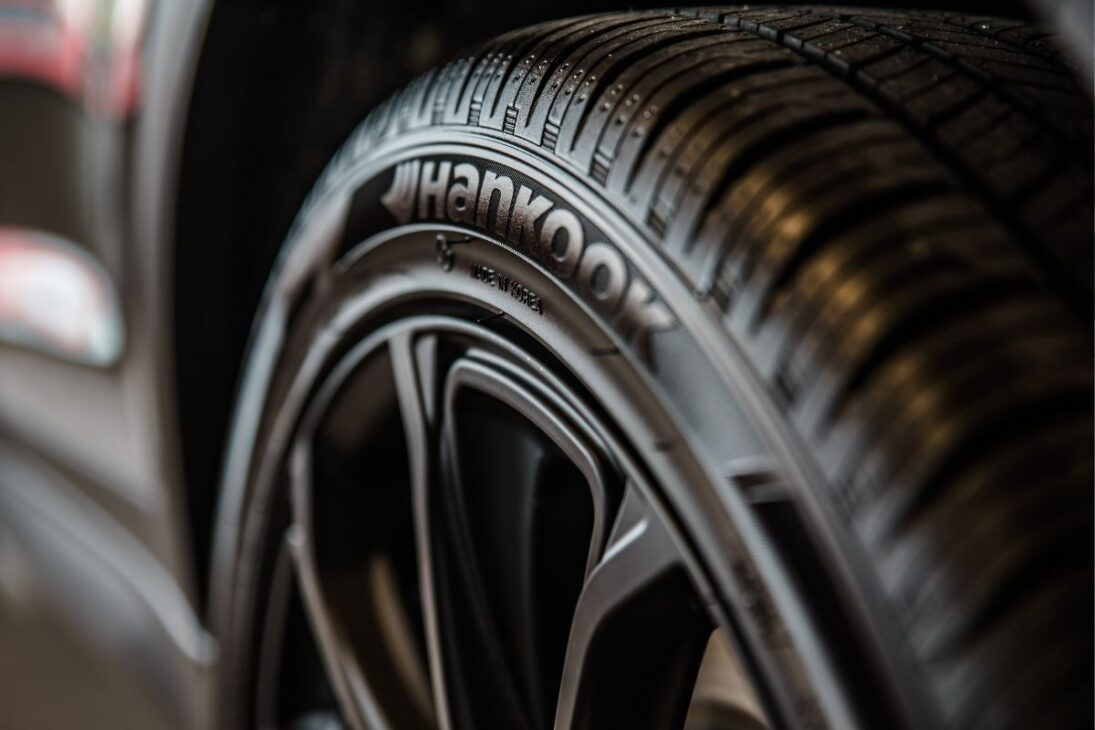
If we stop to think, the wheel has not only changed how we move or manufacture things. It has changed our very society. It became easier to bring food to cities, and for people to travel and exchange ideas. Cities grew, and cultures mixed. The wheel became a “connector” of people, products, and information. It teaches us that sometimes the simplest solution is the most powerful.
And there is a very important lesson here: it’s not just about having the idea of the wheel, but about having the vision of how to use it in a thousand different places and the patience to keep improving it always. The story of the wheel is a tribute to engineering, design, the ability to adapt to new materials, and to connect various knowledge.
And we see this all the time, even in the oil and gas universe, where the wheel in the form of gears, turbines, and bearings is essential for extracting oil from the ground, processing it, and delivering energy to your home. It is the foundation of so many things that make the world turn.
The Wheel Of Everyday Life: A Personal Spin
Just the other day, for instance, I stopped to watch my nephew playing with a toy car. Simple, indeed, with its four plastic wheels, he made the car go back and forth, up ramps, and down.
In that moment, however, it struck me: what a wonderful invention. Without a doubt, without it, even the most basic play would be impossible. Moreover, if we delve deeper, even a simple skateboard wheel that allows it to spin almost frictionless is a masterpiece of engineering.
After all, the wheel is in so many places that we don’t even realize. For example, in the zipper of your jacket, which has a little wheel mechanism to slide; similarly, in the volume button of your music; likewise, in the delicate gears of a watch; and of course, in the carousel that brings joy to kids in the park.
In other words, each of these objects, no matter how different they may be, uses the same brilliant concept of rotation. It’s remarkable, therefore, how this ancient invention has the capacity to reinvent itself and remain super useful even in our digital age.
The Infinite Spin Of Progress
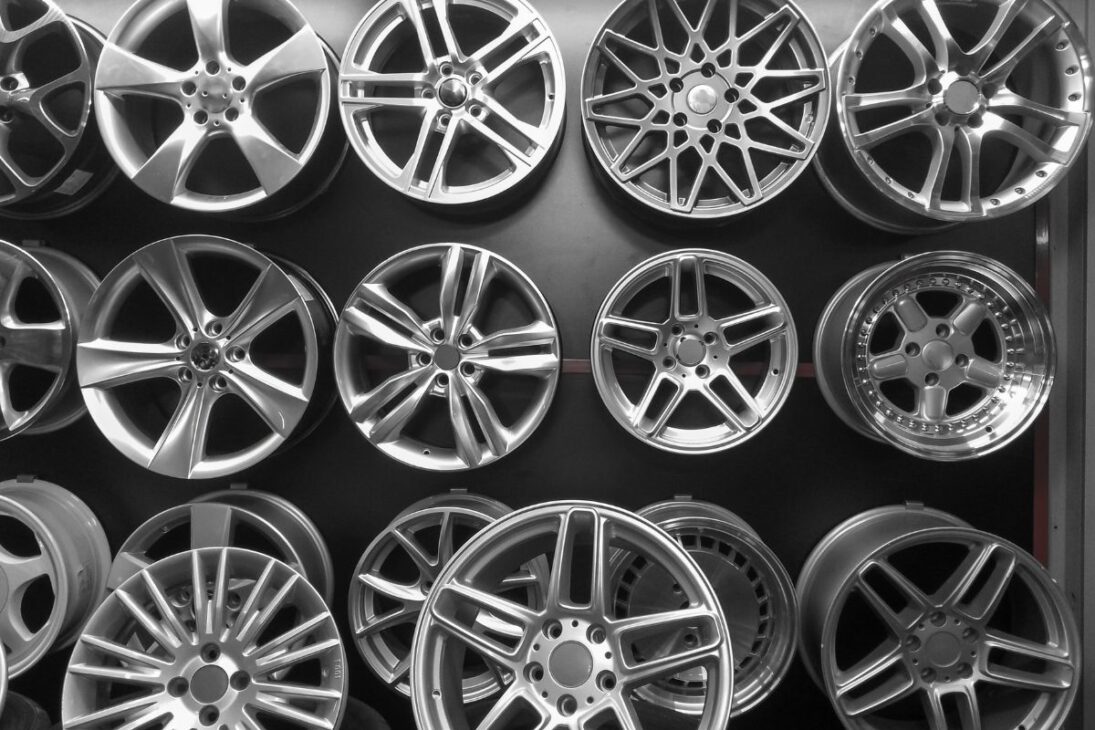
From that clay in Sumer to the barren landscapes of Mars, the wheel has traveled a lot. It is the living proof of our creativity, our tireless quest to go beyond, to solve problems, and to build a better world. More than an object, the wheel is a symbol, a philosophy of motion and progress that continues to push us forward. It reminds us that a simple yet powerful idea can change everything.
And you, what simple invention do you think has the potential to impact the future as much as the wheel has impacted us? What part of this wheel journey surprised you the most?
We Want To Hear From You!
Tell us in the comments:
- What wheel application do you find most incredible in our daily lives?
- Can you imagine an innovation as fundamental as the wheel being created today? What would it be?
- What does the story of the wheel inspire you to think about the future and innovation?
Let’s chat! Your opinion is very important to us!
- Recommended Articles:
The Microchip – The “Brain” Of The 21st Century That Started With A Tiny Circuit
Watch: Kilauea Eruption Launches Lava Jets 300 Meters High And Creates Fascinating Visual Spectacle
Quick Questions And Answers About The Wheel
The wheel was invented in Mesopotamia, more specifically by the Sumerians, around 3,500 B.C. It was first used to make pottery. Later, it became the “car wheel.”
The first documented application of the wheel was as a potter’s wheel, used to make nice, symmetrical clay pots and vases.
This was an idea from the Egyptians around 2000 B.C.! The spoked wheel was much lighter and faster than solid wooden wheels. This revolutionized chariots and war vehicles, making transportation much more agile and efficient.
Absolutely! The wheel is very important in space. It is on the robust wheels of the rovers that roam Mars, and also in gyroscopes, which are like “smart wheels” that help orient satellites and spacecraft in the vacuum.
It fits in various forms (like giant gears, turbines generating energy, bearings that make everything slide), it is essential throughout the oil and gas chain. It is in drilling equipment, pumps, vehicles transporting these fuels, and even in refineries. Without the wheel, much would not turn in this sector.









-

-

-

-

-

26 pessoas reagiram a isso.