





 English
  Francês
  Alemão
  Italiano
  Japonês
  Norueguês
  Portuguese
  Spanish
  3 min of reading
  0 comments


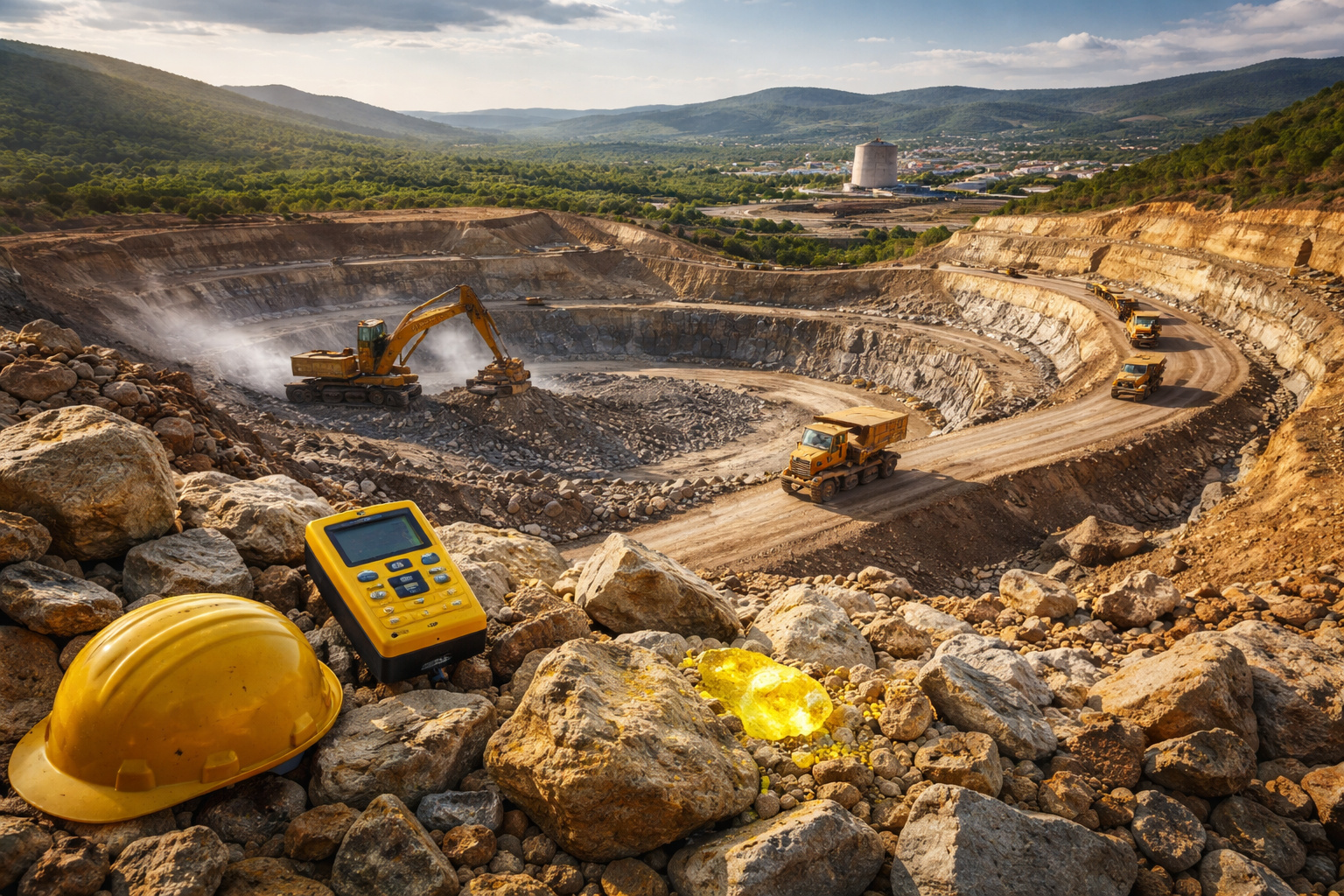
Discovery in Brazilian soil highlights strategic potential of uranium for energy, technology, and scientific development in the country
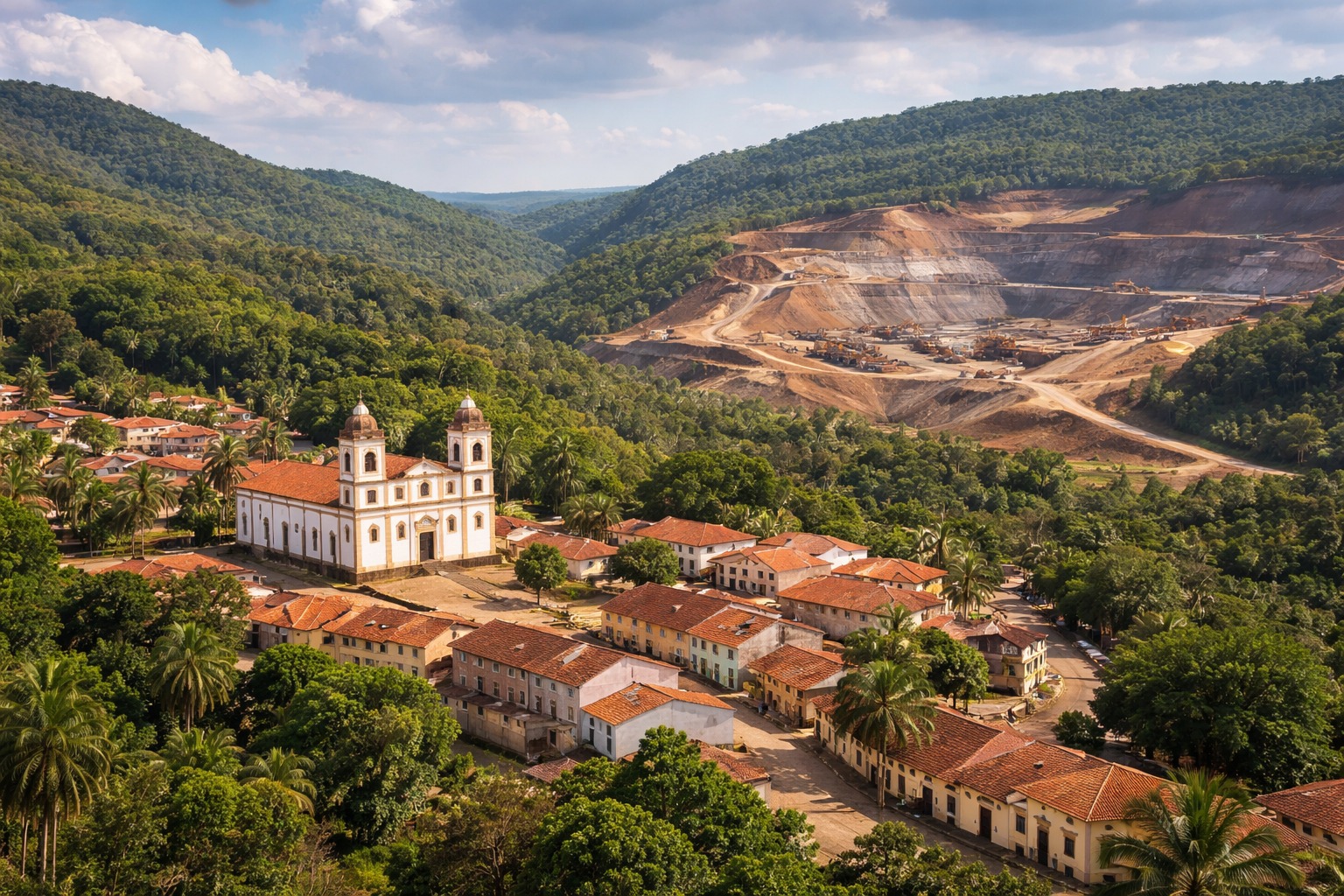
A significant mineral discovery for the Brazilian energy sector has recently gained attention, especially because, in Lagoa Real, in Bahia, a large uranium reserve with an estimated production capacity of 400 tons per year has been identified, according to data released by the Brazilian Institute of Mining (IBRAM).
Although gold remains highly valued in the global market, uranium has taken on a strategic role, particularly due to its importance in nuclear energy generation. Thus, consequently, the discovery reinforces Brazil’s positioning in the international energy scenario.
Mineral potential places Brazil among the largest holders of uranium
Furthermore, even though the country does not lead global production, Brazil has one of the largest uranium reserves on the planet. In this context, in Lagoa Real specifically, the estimated resources exceed 99 thousand tons, which consolidates the region as one of the most promising in the sector.
-
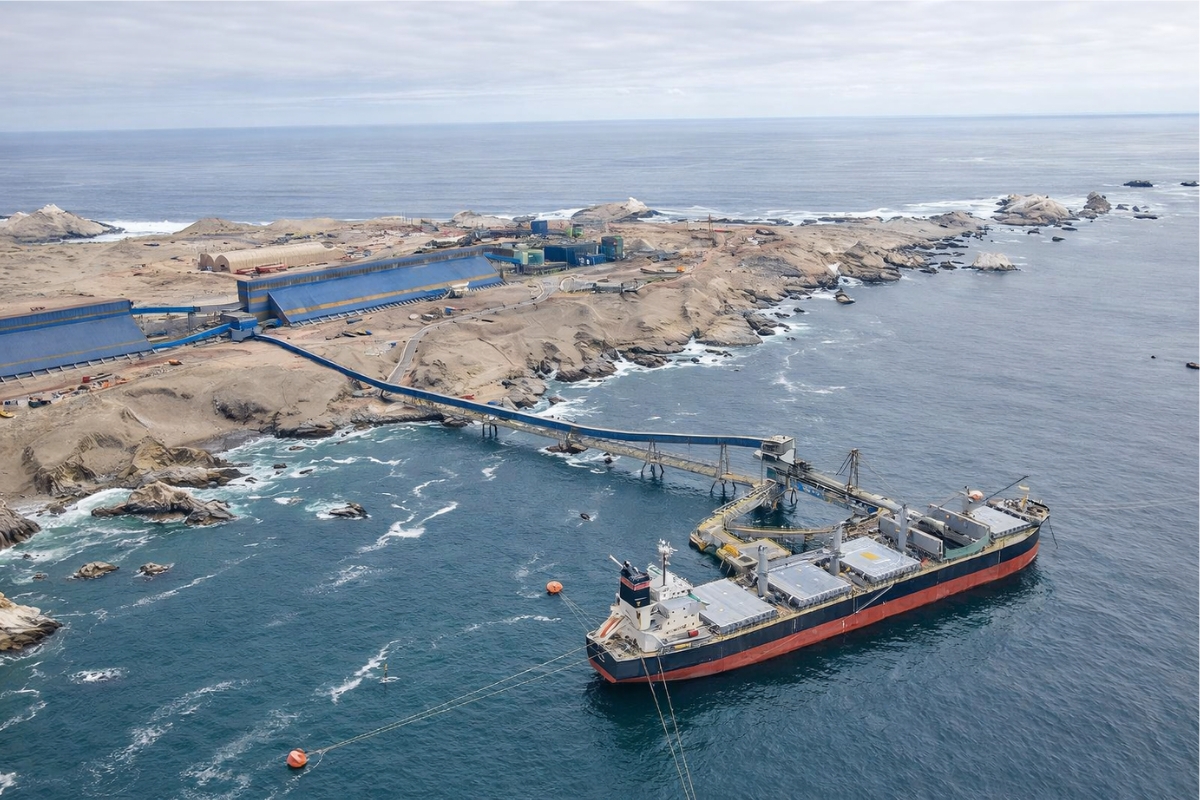
A $3.5 billion megaproject in Latin America pumps desalinated seawater at 1,050 liters per second over 194 km to keep a copper supermine in the Andes operational for another 20 years.
-
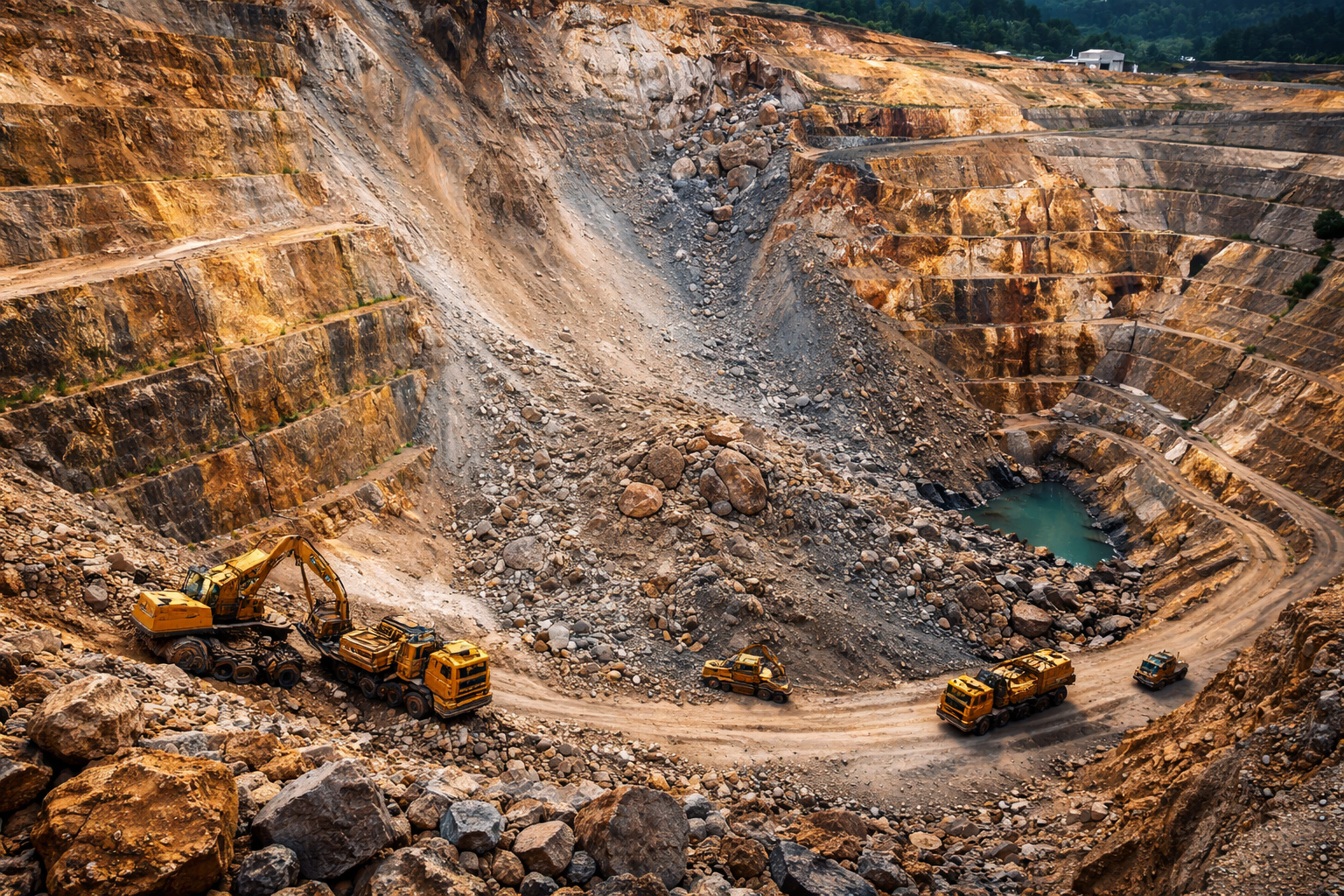
A hidden mine in the Andes valued at nearly R$ 1 trillion is starting to attract global attention, containing copper, gold, and silver, and raises an intriguing question: why do Argentina and Chile need to act together to exploit this gigantic wealth?
-
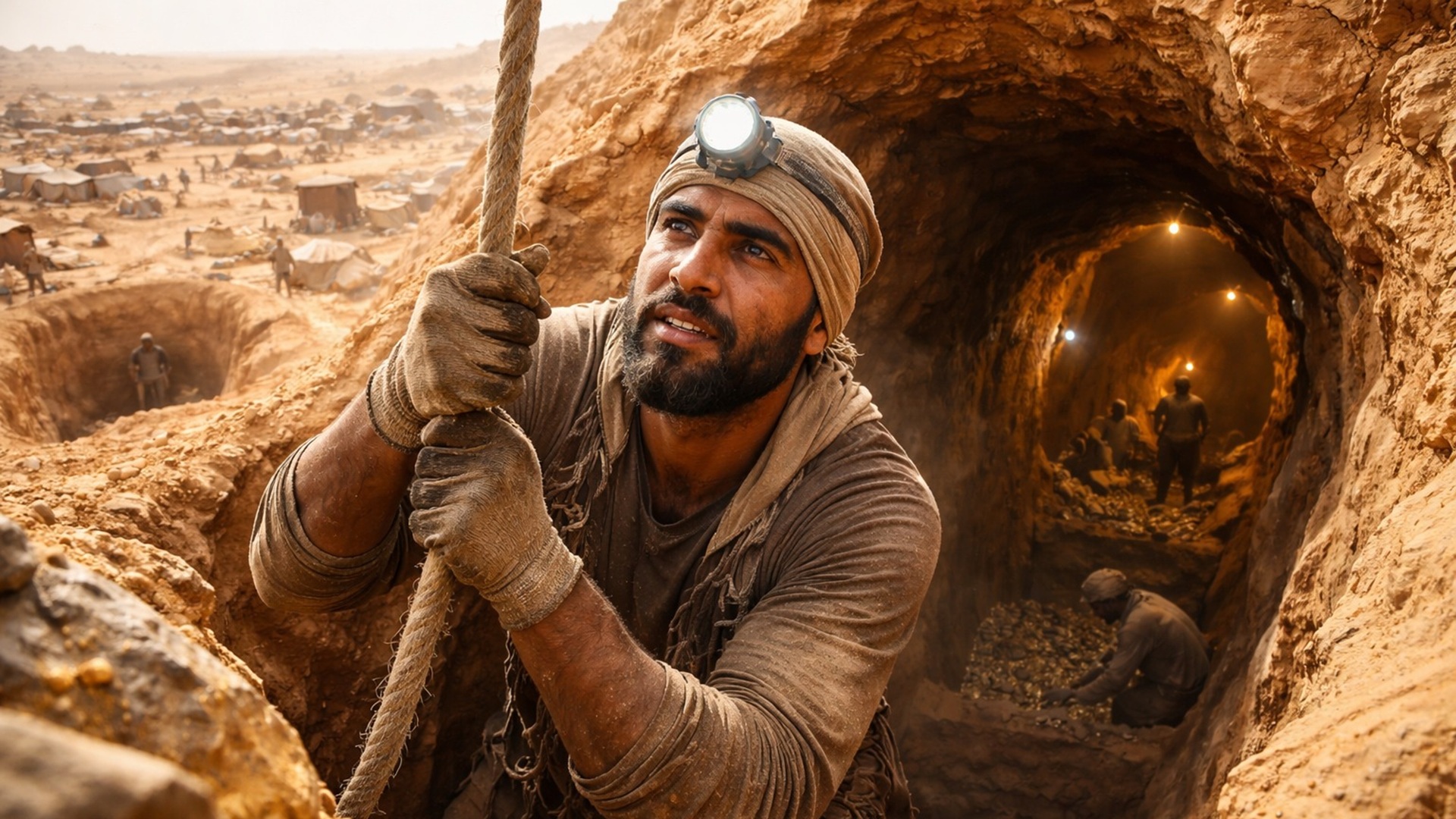
Gold Miners Descend Into Narrow Holes Up to 48 Meters Deep in the Mauritanian Desert and Spend Up to Two Days Living Inside Tunnels in an Underground City with Over a Thousand Mines
-
What’s Behind the Rise in Iron Ore? China Announces Economic Plan for 2026 with Growth Goals, Changes in the Steel Industry, Carbon Market Expansion, and Measures to Stabilize the Real Estate Market That May Shift Commodity Balance Worldwide.


According to a survey by the World Nuclear Association (WNA), released in recent studies, Brazil ranks seventh globally in reserves of the mineral. Thus, consequently, the country positions itself strategically in the international energy market, while uranium also has relevant applications in medicine and scientific research.
Technical studies advance to expand knowledge about the mineral
In light of this scenario, the Geological Service of Brazil (SGB) has intensified discussions and studies aimed at advancing research on uranium in the country. According to recent information from the agency, the goal is to deepen technical knowledge and expand the utilization of the resource.
In this regard, Cassiano Alves, director of Administration and Finance of the SGB, highlighted the importance of the mineral for national development. According to him, uranium is an essential raw material for nuclear energy, in addition to having applications in health, scientific research, and technology. Thus, consequently, Brazil can achieve self-sufficiency and even become an exporter of nuclear fuel.

Energy applications and economic relevance of uranium
On the other hand, besides the mineral potential, uranium plays a central role in the energy matrix of several countries, as comparatively, small amounts of the element can replace large volumes of coal, which enhances its relevance in the global energy context.
In Brazil, for example, sector data indicate that approximately 99% of uranium-235 is used in energy generation, while the remainder is directed towards nuclear medicine, agriculture, and scientific research. Thus, consequently, the material consolidates as a strategic resource for economic and technological development.
Health risks require strict control in the use of the material
However, despite the benefits, uranium presents significant risks to human health, particularly due to its toxicity as a heavy metal. In this sense, when inhaled or ingested, the element can cause serious complications in the body.
Studies indicate that exposure can result in cancer in the bones or liver, while additionally, when inhaled, the material can provoke lung cancer. Therefore, consequently, although it is essential for energy and technology, the use of uranium requires rigorous monitoring and proper control.
In light of this scenario, considering the economic potential and the risks involved, should Brazil prioritize the expansion of uranium exploration or proceed with caution and strict control?









Seja o primeiro a reagir!