





 Portuguese
  English
  Spanish
  4 min of reading
  0 comments


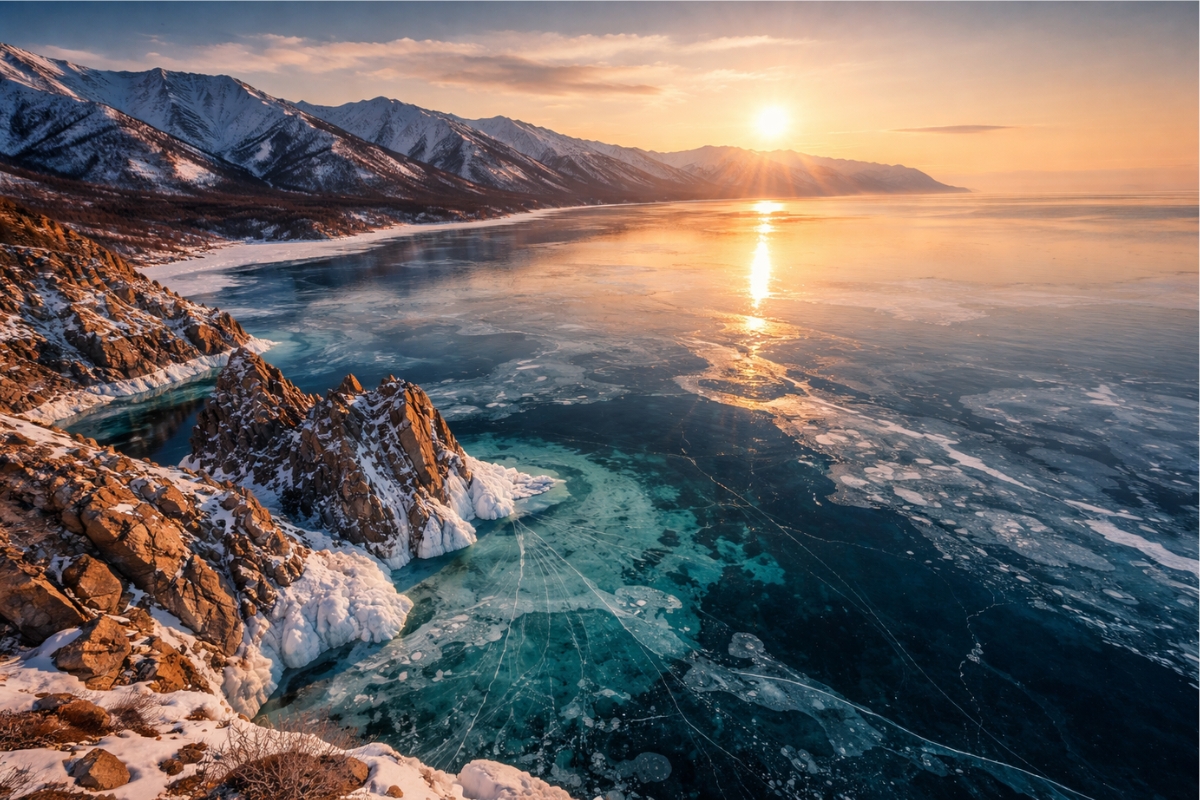
At about 25 million years old, Lake Baikal remains one of the oldest in the world, gathers a strategic volume of freshwater, and expands the debate on environmental preservation.
In southern Siberia, Lake Baikal has numbers that help explain why it is regarded as one of the planet’s most valuable natural heritages. The site reaches 1,642 meters deep and is recognized as the deepest lake on Earth.
The strength of this Russian giant is not just in its size. Its extremely cold waters hold about 20% of the world’s unfrozen freshwater, a volume that enhances its environmental, scientific, and strategic importance.
A lake with record depth and rare age
Baikal is located in Russia, between the Irkutsk region and the Republic of Buryatia, in a stretch of Siberia marked by intense cold and extreme landscapes. Besides its impressive depth, it also draws attention for its longevity.
-
How 5,000 Indian dabbawalas manage to deliver around 200,000 lunchboxes a day in Mumbai for over 130 years using bicycles, crowded trains, and a manual system that continues to operate with impressive accuracy.

-
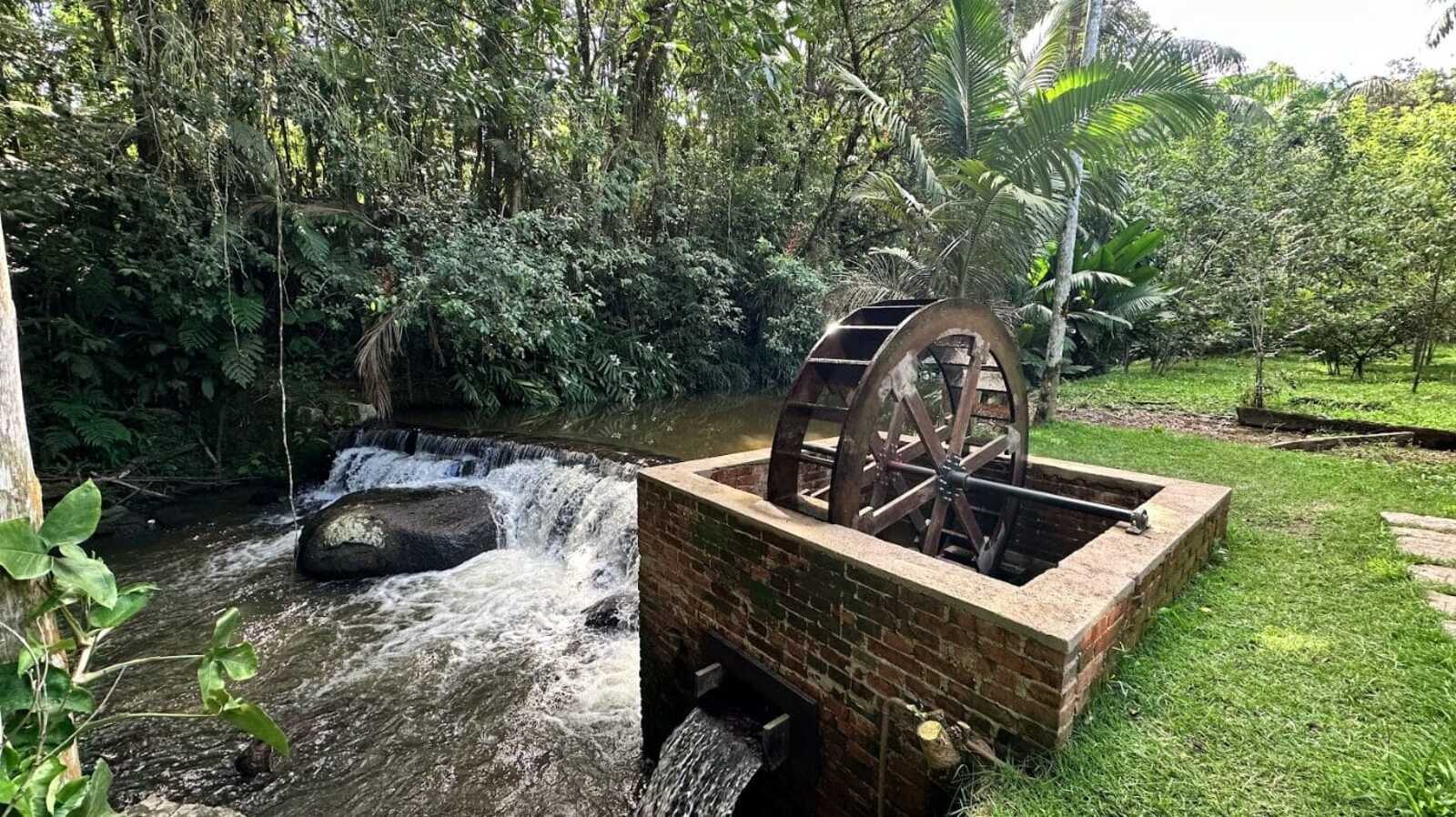
While restoring a historic mansion from 1910, a brick structure with an old turbine that generated energy from the Rio do Testo emerged, along with a hidden door and a rare floor concealed under layers of wax.
-
Italian researchers have detected what appears to be a second Sphinx buried under the sands of Egypt, and satellite scans reveal a gigantic underground megastructure hidden beneath the Giza Plateau for over 3,000 years.

-
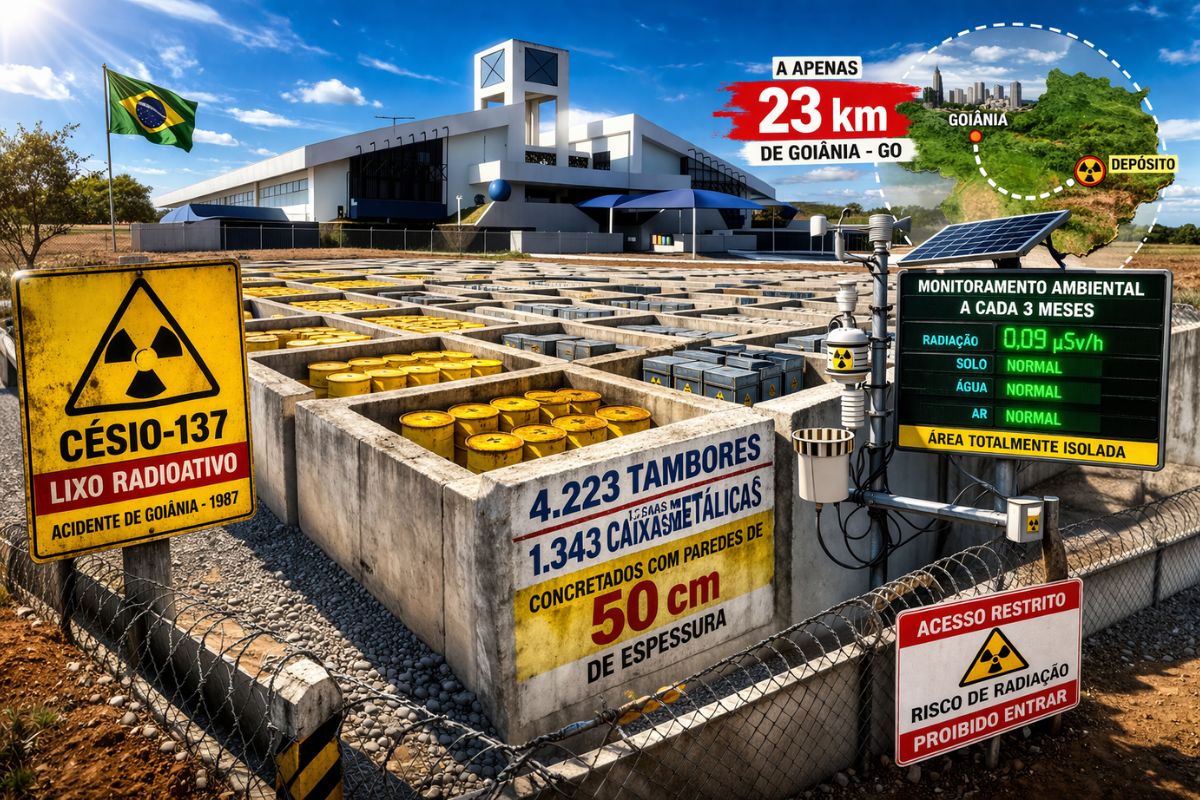
There are 4,223 drums and 1,343 metal boxes concreted with 50-centimeter walls that store the radioactive waste from Cesium-137 in the worst radiological accident in Brazil, just 23 kilometers from Goiânia, with environmental monitoring every three months.

The most accepted estimate indicates that the lake is about 25 million years old. This places Baikal among the oldest existing freshwater systems, with a natural history that spans eras and reinforces its global value.

The volume of water that places the lake at the center of environmental debate
The most impactful data involves the water reserve. Baikal concentrates approximately one fifth of the planet’s unfrozen surface freshwater, something rare on a global scale and decisive for its environmental relevance.
This weight transforms the lake into much more than a postcard from Russia. It has become a symbol of preservation, natural resource use, and the dispute over how to protect areas that have influence far beyond their shores.
Unique biodiversity enhances the importance of Baikal
The lake’s relevance also comes from the life it harbors. The local ecosystem hosts a great diversity of species, including animals that do not exist naturally elsewhere on the planet.
Among the most well-known cases is the Baikal seal, also called nerpa, noted as the only freshwater seal in the world. This set makes the lake a scientific and biological reference of global reach.
Industrial pressure left a mark on Russian waters

The environmental trajectory of Baikal also carries a chapter of significant degradation. During the Soviet period, a pulp mill installed near the lake became associated with the contamination of the area and became a symbol of industrial degradation.
According to UNESCO, the UN agency focused on education, science, and culture, Lake Baikal is a world heritage site and possesses exceptional natural characteristics, while also requiring protective actions in the face of environmental pressures on the region.
Problems did not remain stuck in the past
Even with the historical weight of industrial pollution, the concern surrounding Baikal did not end with that episode. The region still faces challenges related to waste, insufficient sanitation in some areas, tourism expansion, and the effects of climate change.
This changes the reading of the lake. Baikal remains one of the planet’s greatest environmental treasures, but it has also become an example of how a gigantic natural resource can become vulnerable when conservation and development clash.
What keeps Baikal under international attention
Global interest in the lake grows because it combines three rare factors at once. Extreme depth, enormous freshwater reserve, and exclusive biodiversity place Baikal in a position difficult to compare with other natural environments.
In practice, any significant impact in the region exceeds local interest. What happens there weighs in the debate on preservation, water use, and environmental security on an international scale.
Baikal remains one of the most extraordinary points of nature in Russia and the world. Its 1,642 meters, its 25 million years, and its reserve of 20% of unfrozen freshwater help explain why it continues to be in the spotlight.
At the same time, the history of contamination and recent pressures show that this heritage is not untouchable. The preservation of the lake has ceased to be merely a regional issue and has begun to influence the environmental and strategic reading of the planet.






Seja o primeiro a reagir!