





 English
  Francês
  Alemão
  Italiano
  Japonês
  Norueguês
  Portuguese
  Spanish
  4 min of reading
  0 comments


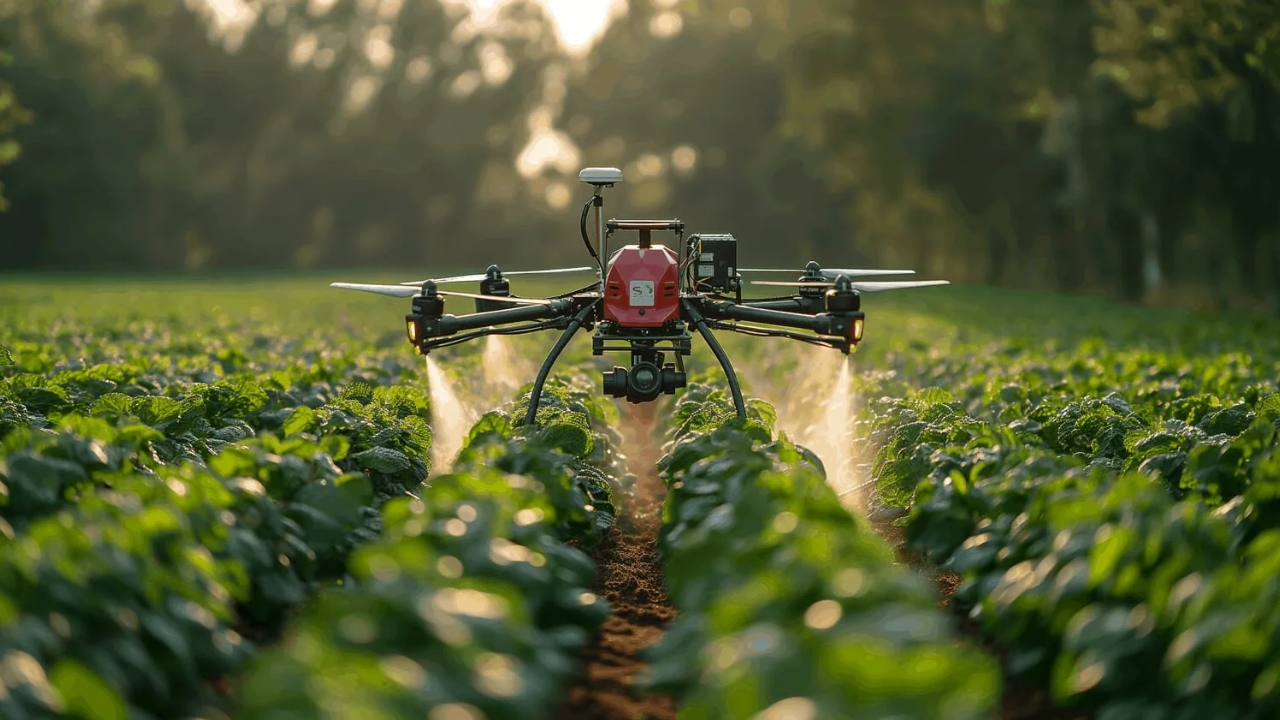
Giants Like Google, Microsoft, Amazon, and Alibaba Bring AI to the Field and Form Alliances with Agribusiness, but the Advancement of Private Platforms May Widen the Gap Between Large Groups and Small Farmers, Who Face Rising Costs and Increasing Dependence
Technology giants like Google, Microsoft, Amazon, and Alibaba have been creating AI platforms and tools to operate throughout the food production chain. From seed selection to pesticide use, the promise is efficiency and accuracy.
But this advancement has environmental and political costs. Besides requiring a lot of energy and water, it may consolidate a model of agriculture increasingly dependent on expensive digital infrastructure and private services.
This is the warning from the study Head in the Cloud, released by IPES-Food, an independent international panel formed by researchers and experts in food systems. The document points out that new partnerships between Big Tech and large agribusiness corporations may further concentrate control of the food system.
-
While Russia dominates the global wheat market, Brazil emerges as an unexpected competitor in the Cerrado, offering grain available in July and August when stocks in the Northern Hemisphere are at their lowest point of the year.

-
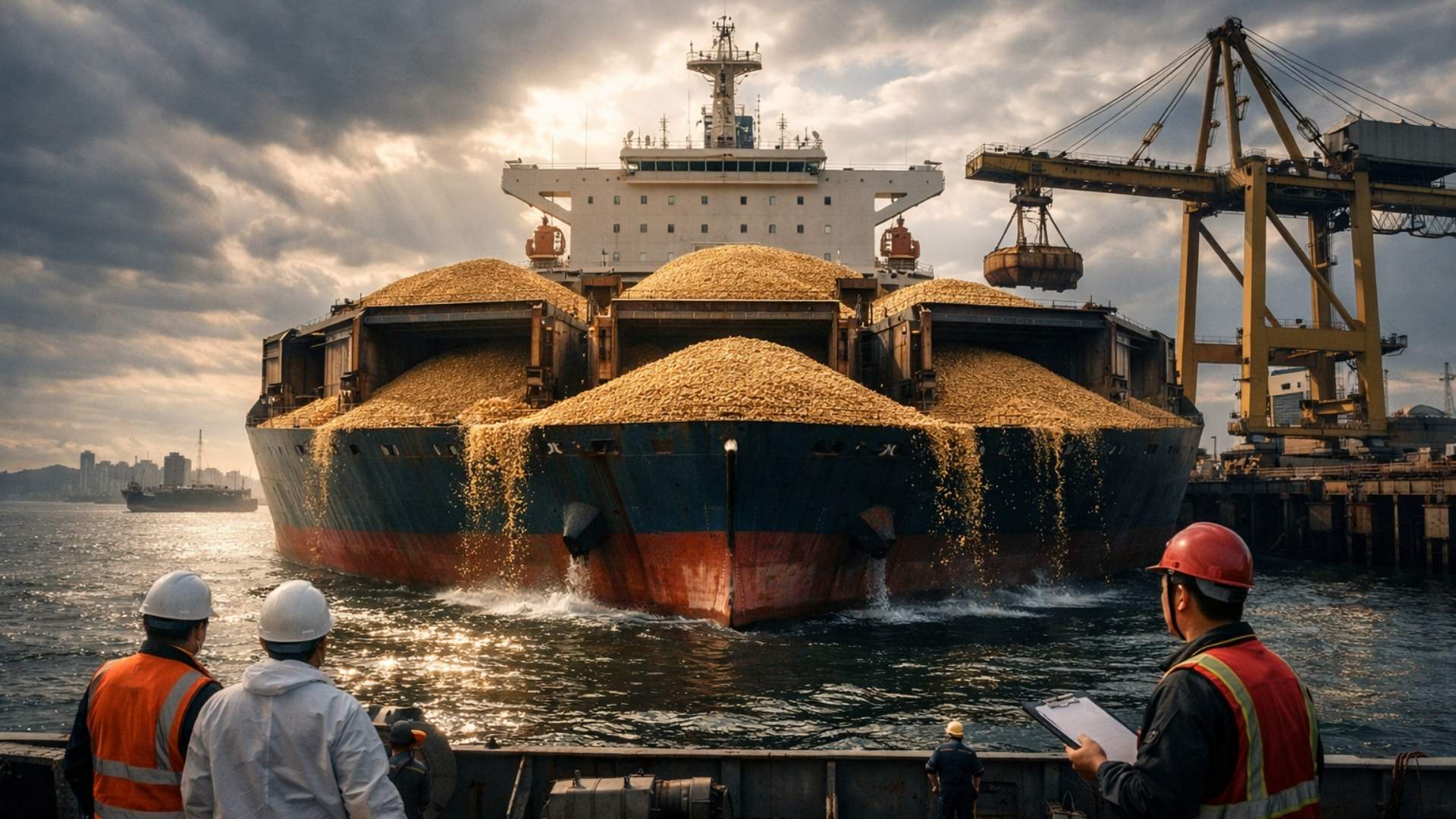
China returned almost 20 Brazilian ships with soybeans, but now everything could change: the country that buys 80% of the grain is considering relaxing regulations after impurities held up shipments of thousands of tons and caused million-dollar losses.
-
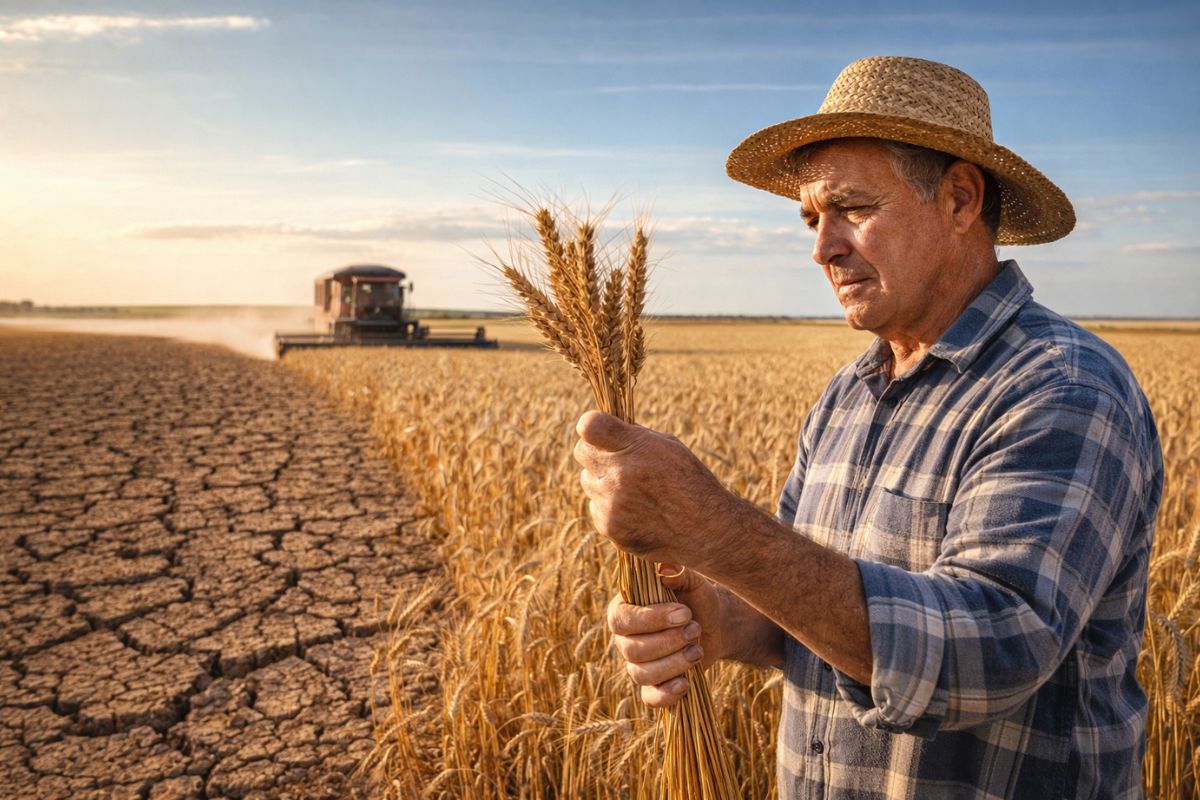
The drought of the cerrado was considered an enemy of wheat, but Brazilian scientists turned the lack of rain into a competitive advantage by creating a grain with quality that is already attracting the attention of international mills around the world.
-
THE OWNER of Brazil: a farmer who came from laundries, created an ’empire’ and today runs a company valued at R$ 42 billion after tripling its value in less than a year and receiving a billion-dollar investment from the USA.


Precision Agriculture: Useful Tool, Questionable Path
Sensors, satellites, drones, and massive data analysis drive what is known as precision agriculture. In theory, it helps produce more with less, adjusting irrigation, fertilizers, and pesticides to the specific conditions of each area.
The report does not reject technology or AI in the field. On the contrary, it recognizes that they can increase efficiency and reinforce resilience in the face of climate change.
The central point is different: who designs these solutions, what business model supports them, and what happens to farmers’ autonomy when decisions are mediated by algorithms and algorithms.

Digital Dependence and the Gap with the Global South
Advocates for digitalization say it will be crucial in a scenario of climate crisis, population growth in the Global South, and cuts in international cooperation investments. Nonetheless, IPES-Food states that innovation alone does not correct structural inequalities related to hunger.
According to the study, many systems become stuck on platforms controlled by large companies that store and process vast amounts of agricultural data. The consequence can be a technological “lock-in”: after investing in connected machines, software, and services, switching suppliers becomes difficult and expensive.
This trend may also widen the gap between countries in the North and the Global South, as well as deepen differences between large and small producers. Adoption often requires capital and access to digital infrastructure—something uneven around the world.

Data, Monocultures, and Bottom-Up Alternatives
One criticism of the report is that digitalization, within the industrial agriculture model of monocultures, may reinforce standardization. This tends to reduce diversity and elevate vulnerabilities, such as outbreaks of pests and diseases.
Nettie Wiebe, a farmer and member of IPES-Food, asserts that the narrative of the “robot-operated farm” ignores the knowledge accumulated in daily work. For her, when producers lose control over data and decisions, they also lose command over their own production.
The study also reminds us that alliances between technology and agribusiness have been around for years. It cites the purchase of Climate Corporation by Monsanto in 2013 (now part of Bayer) and highlights initiatives like Alibaba’s Chinese platform ET Agriculture Brain, focused on livestock management with real-time data. The report estimates that these agreements have driven billion-dollar investments, projected at US$ 11.67 billion in 2024.
At the same time, the text points out counterweights: farmers, local communities, and Indigenous peoples develop decentralized and diversity-focused solutions. In the Peruvian Andes, for example, initiatives preserve over a thousand local potato varieties, reinforcing food security and community autonomy.
In China, farmer seed networks bring rural communities and institutions together to protect traditional varieties. In Europe, countries like France and Belgium invest in training for maintenance and self-management, seeking to reduce dependence on expensive machines and services.
For panel experts, public policies should recognize and support farmer-led seed systems, seen as effective responses to the climate crisis and loss of biodiversity. The report observes that large organizations and governments have funded large-scale digital agriculture while local alternatives remain underfunded.







-

Uma pessoa reagiu a isso.