





 Portuguese
  English
  Spanish
  3 min of reading
  0 comments


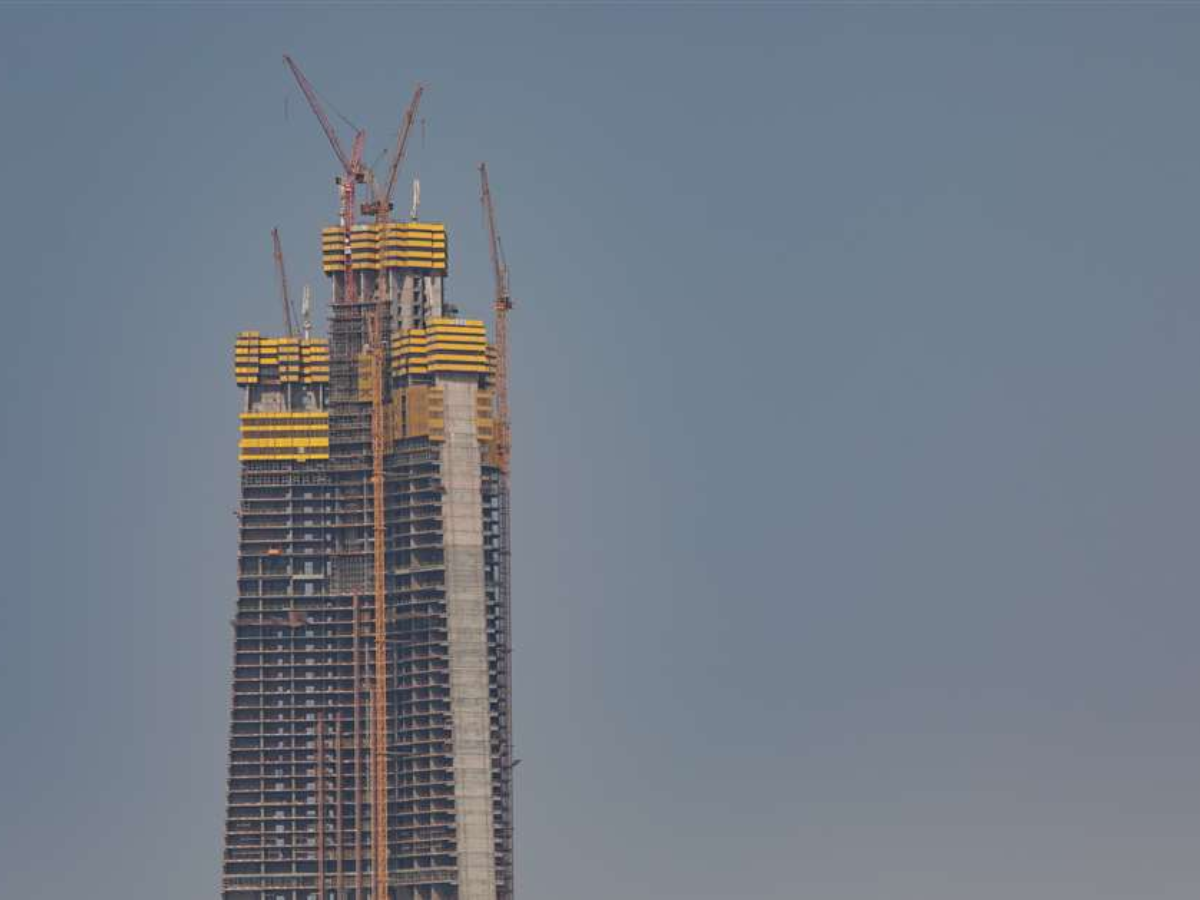
After a Break of Almost Five Years, the Construction of the Jeddah Tower in Saudi Arabia Has Resumed. Get to Know the Details of This Engineering Marvel and Its Role in Vision 2030
The human quest for unprecedented heights is about to reach a new landmark with the Jeddah Tower (formerly known as Kingdom Tower). Located in Saudi Arabia, this megastructure is designed to be the world’s first building to surpass 1 kilometer in height, significantly exceeding the current record held by the Burj Khalifa.
After a long pause, the construction of the Jeddah Tower is officially back, with a renewed sense of purpose and an ambitious timeline. This project is not just an engineering feat, but a symbol of a transforming nation’s aspirations.
What Is the Jeddah Tower and What Is Its Ambition?
The Jeddah Tower was conceived to reach a height of at least 1,008 meters, making it the tallest building on the planet. The tower is the centerpiece of the Jeddah Economic City (JEC), a US$20 billion venture, and a vital component of Saudi Arabia’s Vision 2030, a plan aimed at diversifying the kingdom’s economy beyond oil.
-
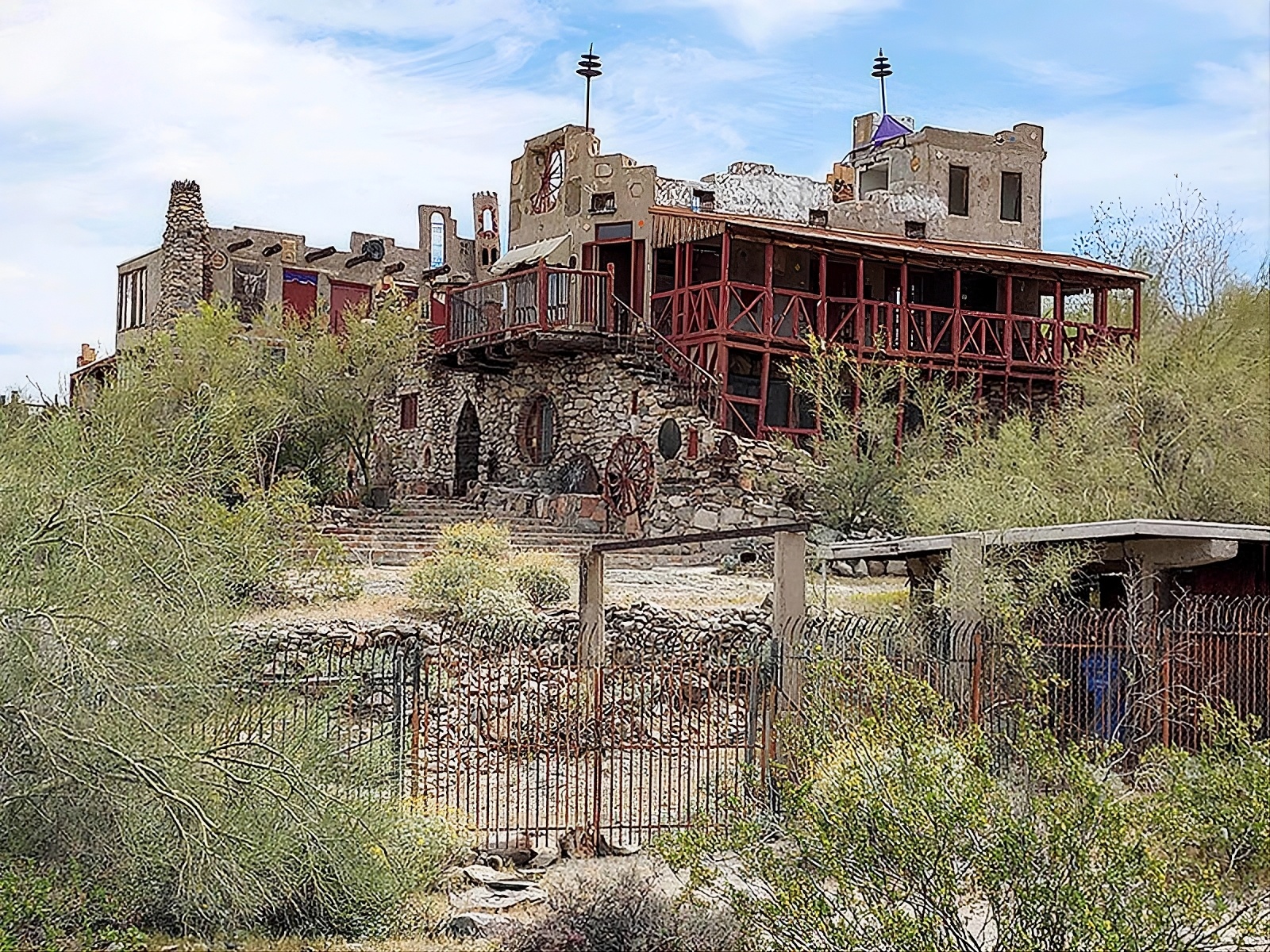
Without a blueprint, without an engineer, and using scrap from the dump, a father spends 15 years building an 18-room castle for his daughter, featuring tram tracks, 13 fireplaces, and over 700 m², which may now be demolished.
-
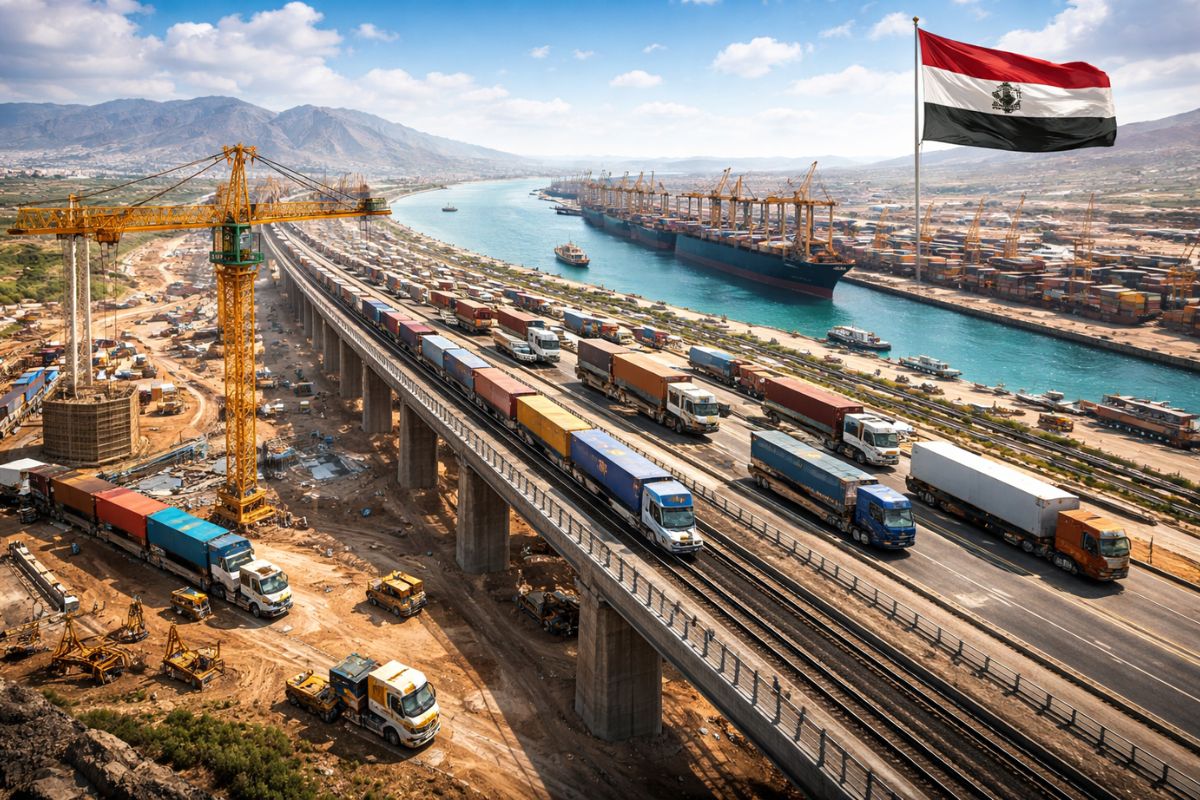
A megaproject worth R$ 89 billion is advancing in Iraq and promises to change the game in global trade by creating a new corridor between Asia and Europe, reducing traditional routes and repositioning the country as a logistics powerhouse.
-
Goodbye bedside table: floating shelves become a trend in 2026 by freeing up space in the bedroom, improving circulation, bringing visual lightness, and integrating technology without taking up floor space.

-
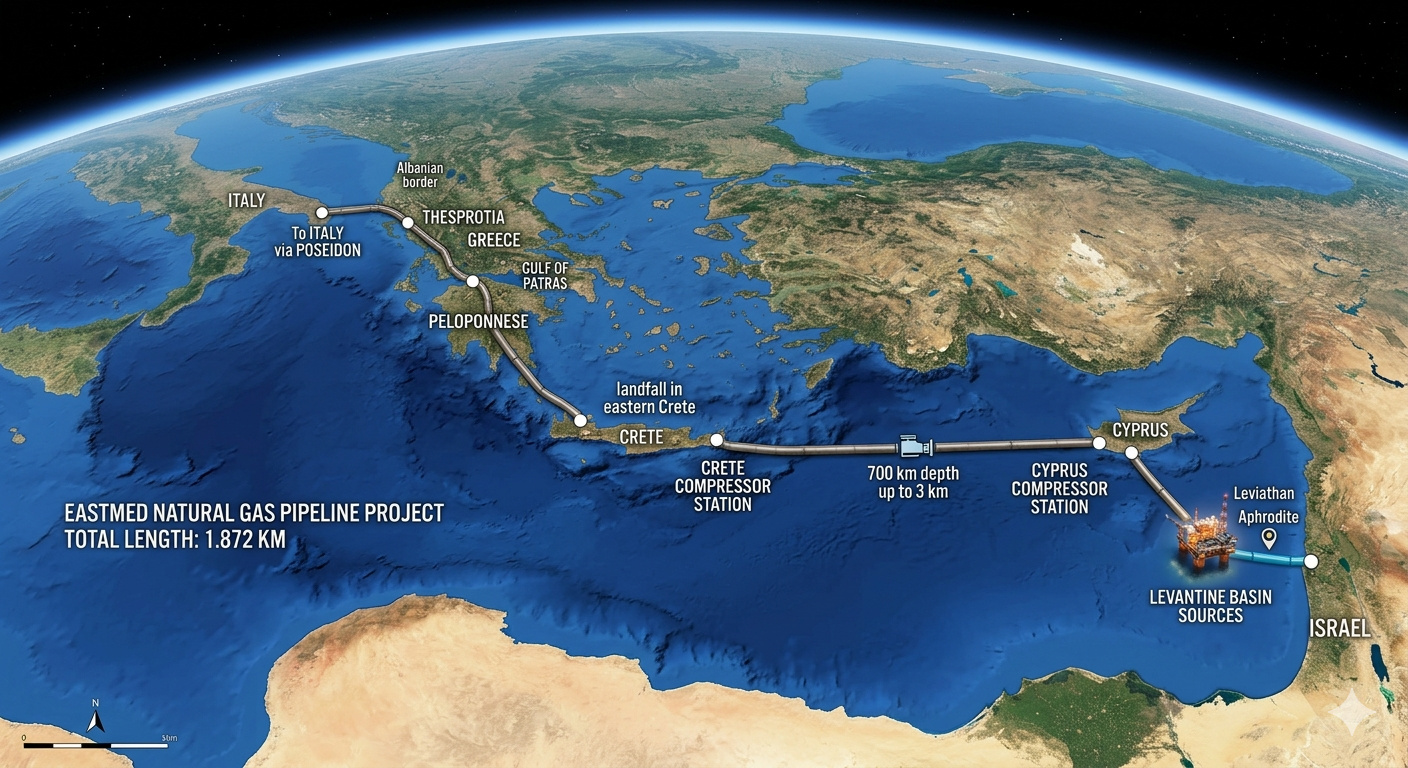
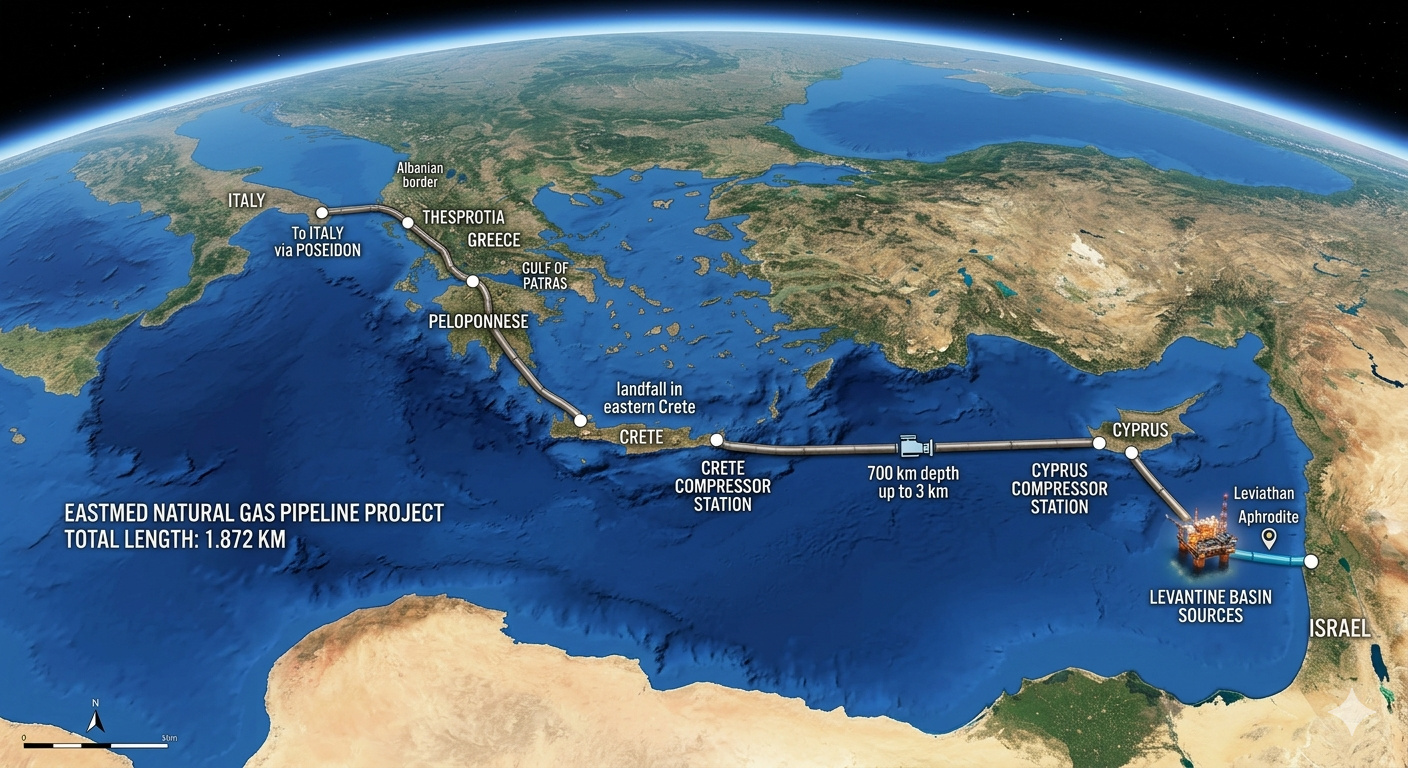
Israel, Greece, and Cyprus signed an agreement in 2020 to transport gas from the Mediterranean to Europe via a 1,872 km pipeline, but Turkey claimed sovereignty over part of the maritime route, and the project never materialized.

Envisioned by the Kingdom Holding Company (KHC), chaired by Prince Alwaleed bin Talal, the tower is promoted as a “global symbol of ambition and progress” and a “beacon of innovation.”
The Promising Start to a Five-Year Halt
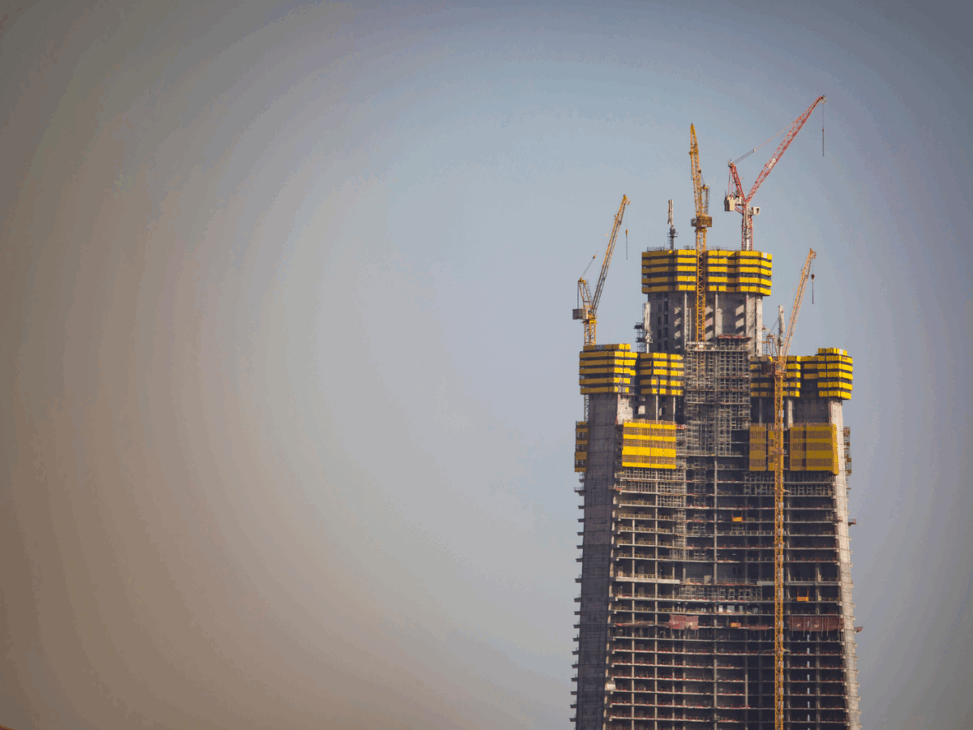
The project was unveiled in 2011, with construction officially starting on April 1, 2013. In the following years, the structure began to take shape, with foundation and piling work completed by the German company Bauer. Before the halt, the Jeddah Tower had already reached approximately one-third of its height, with around 63 floors constructed.
In January 2018, structural concrete work was interrupted. The main cause was attributed to labor issues with the contractor Saudi Binladin Group (SBG), following the arrest of its then owner during an anti-corruption purge in the country. The COVID-19 pandemic and other financial and technical challenges contributed to the long pause of nearly five years.
The Official Resumption of Construction of the Jeddah Tower in 2025
After years of inactivity, efforts to revive the project gained momentum. In September 2023, a new Request for Proposals (RFP) was issued to complete the tower. In January 2025, construction was officially resumed, with the concreting of the 64th floor.
A new contract worth SAR 8 billion (approximately US$2.1 billion) was signed with Saudi Binladin Group to finalize the work. In addition, the American company Turner International, which managed the construction of the Burj Khalifa, was appointed project manager in March 2025. The new completion target is 2028.
Inside the Design and Innovations of the Jeddah Tower
Designed by Adrian Smith + Gordon Gill Architecture, the Jeddah Tower features a neofuturistic design with a three-sided tapering silhouette, inspired by the fronds of a palm tree. This shape is not just aesthetic but functional, designed to reduce wind loads.
The stability of the tower is ensured by a network of 270 concrete piles driven up to 110 meters deep. Its use will be mixed, housing a Four Seasons hotel, offices, luxury condominiums, and the highest observatory in the world, on the 157th floor. The elevator system will be one of the most sophisticated, featuring two-story cars with speeds of up to 12 meters per second.
The Role of the Jeddah Tower as a Symbol of Progress and National Ambition
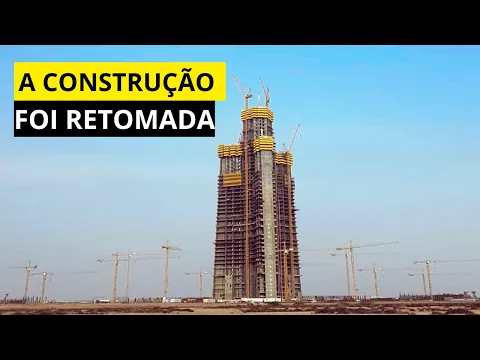

The Jeddah Tower is more than a skyscraper; it is a pillar of Saudi Arabia’s Vision 2030. It aims to stimulate investment, boost tourism, and create a new vibrant economic hub in Jeddah. Its success is a matter of national prestige.
The tower is part of a context of other Saudi giga-projects, such as NEOM (The Line), reflecting a competitive drive for global recognition. Its resumption signals renewed optimism for megaprojects worldwide. By reaching the skies, the Jeddah Tower will not only break records but also open new horizons for the future of vertical urban development.




Seja o primeiro a reagir!