





 Portuguese
  English
  Spanish
 3 min of reading


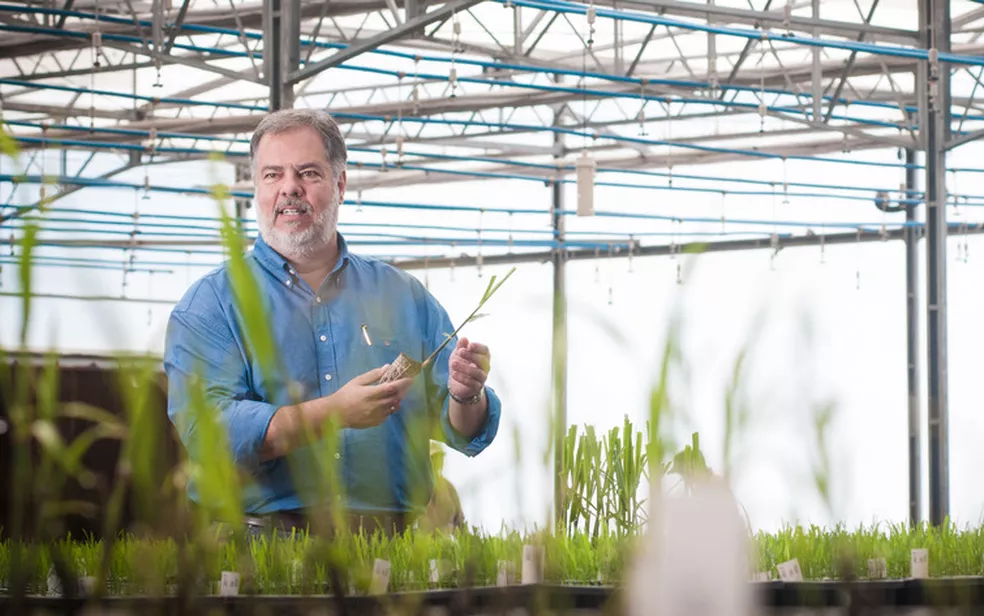
Toyota’s Visit to the Sugarcane Technology Center (CTC) Last Friday (3) Was an Initiative to Learn About the Latest Discoveries in Sugarcane, Which Will Contribute to the Sustainability of the Sugar-Energy Sector.
The delegation was led by Toyota Motor Corporation’s Powertrain General Manager, Takuya Ikoma, and included Toyota executives from Japan, Argentina, and Brazil.
Brazil has enormous potential for the development of technologies related to ethanol and bioenergy. The delegation was accompanied by members of UNICA, who discussed the ethanol production chain, and Apla, who highlighted the impressive progress in the country in terms of technology.
Brazil is positioning itself as a global leader in clean energy development, and its focus on the sustainable production of bioenergy is an important example for other countries. The use of flex-fuel cars in Brazil for 20 years prevents the emission of about 600 million tons of CO2 into the atmosphere, contributing to the health of people and the environment.
-
China banned the export of 22 tons of meat from Argentina.

-
Unemployment rises again to 5.8% at the beginning of 2026, raising alarms about the end of temporary positions and its impact on the Brazilian job market.

-
Document organization can cut invisible costs in small businesses, a simple step that prevents waste, rework, and losses in daily operations.

-
While Russia dominates the global wheat market, Brazil emerges as an unexpected competitor in the Cerrado, offering grain available in July and August when stocks in the Northern Hemisphere are at their lowest point of the year.


However, these results have caught the attention of world leaders, who seek effective and affordable solutions to reduce carbon emissions in transportation. UNICA’s executive director, Eduardo Leão, emphasized this reality.
During the presentation, Flávio Castelari from Apla pointed out that ethanol is a viable technology that has been developed in Brazil for years. He highlighted that the country is ready to help other countries produce and use this technology as part of the low-carbon mobility solution. He also emphasized that ethanol will be a significant asset both now and in the future.
The Sugarcane Technology Center (CTC) promoted understanding of the benefits of applying scientific knowledge in technologies that improve sugarcane productivity. Director Silvia Yokoyama highlighted the use of genetic improvement techniques and biotechnology to make CTC a global leader in sugarcane science.
CTC – Technological Platforms

CTC Is the Sugarcane Technology Center, a Pioneer Research Center in the Sugarcane Field That Celebrates 50 Years of History
The Sugarcane Technology Center (CTC) was founded 50 years ago and has stood out for its ability to innovate over time. To mark this moment, CTC released the book “Sugarcane Technology Center – 50 Years,” which contextualizes the emergence of the company and highlights the transformations it has undergone.
The book also reveals the deep connections between CTC’s growth and the development of the sugar-energy sector in Brazil. According to Gustavo Leite, president of CTC, innovation is a crucial issue for the competitiveness of any country.
He emphasizes that, over the last 50 years, CTC has contributed to making the Brazilian sugar-energy sector the most competitive in the world with its various innovations, from the first crossbreeding of varieties to cutting-edge genetic engineering.
Source: Sugarcane Technology Center








Seja o primeiro a reagir!