





 Portuguese
  English
  Spanish
  3 min of reading
  3 comments


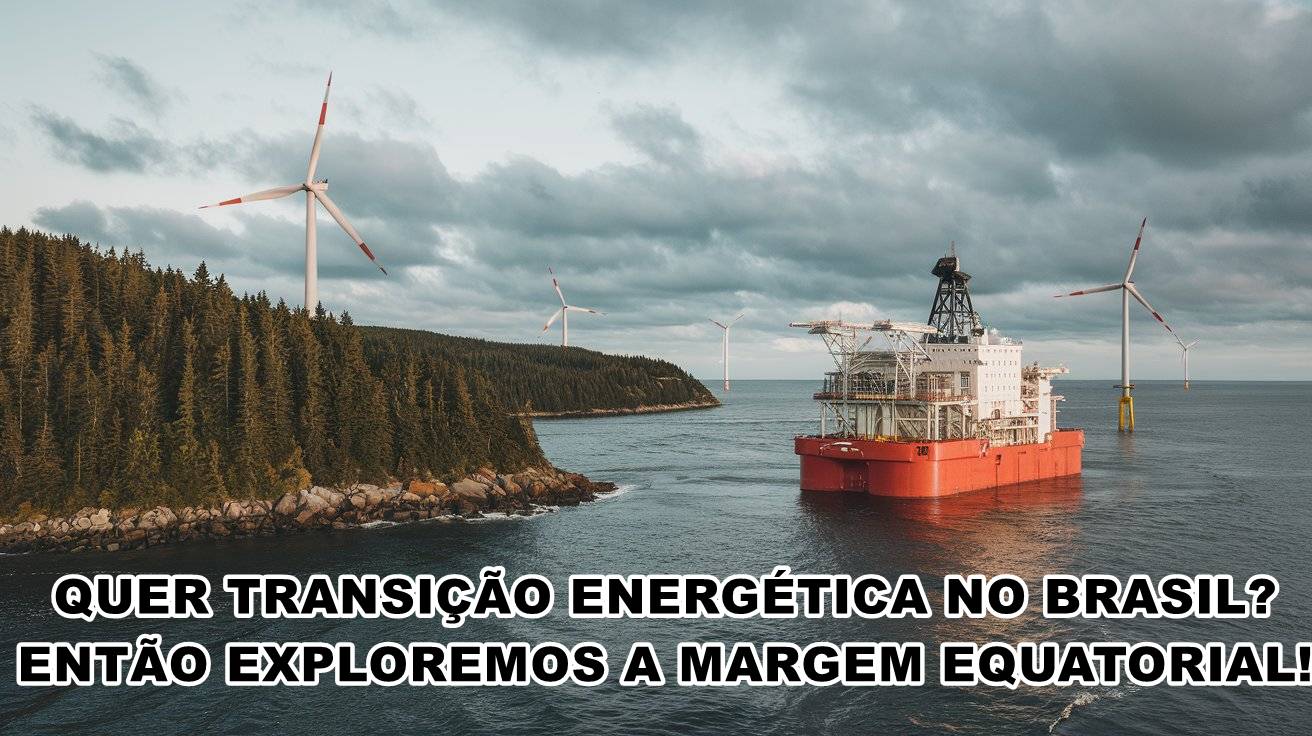


Brazil Is Sitting on a Fortune Beneath the Ocean, but While It Engages in Political Debates, Other Countries Are Already Taking Advantage of Their Natural Resources. Could Exploring the Equatorial Margin Be the Key to Financing the Much-Talked-About Energy Transition?
The Equatorial Margin of Brazil hides a treasure for energy transition that could transform the country into a global reference, and Petrobras is the most technologically qualified for this mission, even if it uses oil for it.
According to experts, the oil reserves in the region may contain billions of barrels, a volume capable of generating wealth similar to that of the pre-salt. However, exploration still faces ideological and environmental barriers.
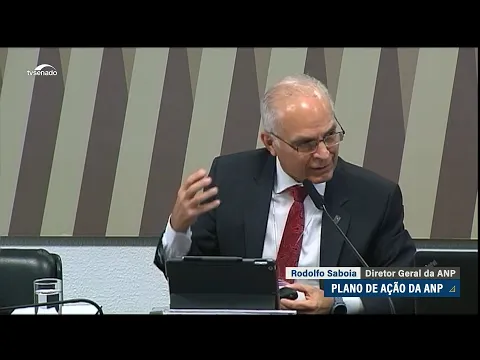

In the meantime, Brazil remains dependent on imports and misses a unique opportunity to finance the energy transition with its own resources.
-
A major turn in the Justice system suspends tax increases and directly impacts oil and gas companies in Brazil by affecting costs, contracts, and financial planning, leaving uncertain what could happen to the sector if these costs had increased.

-
Brava Energia begins drilling in Papa-Terra and Atlanta and could change the game by reducing costs in oil while increasing production and strengthening competitiveness in the offshore market.
-
Petrobras surprises the world again by announcing a new discovery in the pre-salt with excellent quality oil.
-
Offshore industrial demand in Macaé skyrockets with the recovery of oil and gas and could grow by up to 396% by 2026 in the Campos Basin.

Oil as a Driver of Renewable Energy? Yes, This Is Possible
The world is moving toward a low-carbon economy, but the reality is that there is no energy transition without money. Developed countries, such as Norway, finance renewable energy with oil profits. This is exactly what Brazil’s Minister of the Environment, Marina Silva, does not understand.
Brazil could follow the same path, allocating part of the revenue from Equatorial Margin exploration to expand sources such as solar, wind, and green hydrogen.
If the country does not do this, foreign companies will profit from this oil, taking the resource out without commitment to Brazil’s energy future. Petrobras, which already leads in offshore technology, could ensure this extraction is done responsibly and direct investments to the renewable sector.
Sustainable Exploration: Is It Possible to Balance Progress and the Environment?
Oil exploration always raises environmental concerns, but the real problem lies in how it is done.
Petrobras has already demonstrated its ability to operate safely and with environmental control. Its platforms in the pre-salt region have almost zero leak rates, as well as adopting innovative technologies to reduce impacts.
The question that needs to be asked is: if oil exploration in the Equatorial Margin is inevitable, why not ensure it is done by Petrobras, which has an environmental commitment, and that part of the generated wealth is used to finance the energy transition?
Brazil Stopped While the World Moves Forward
While Brazil debates exploring the Equatorial Margin, other countries are already securing their energy future. According to the International Energy Agency (IEA), the transition to clean energy requires billion-dollar investments, something that few countries can do without solid financing.
Saudi Arabia, for example, invests heavily in solar energy projects with the profits from its oil production.
Norway created a sovereign fund with trillions of dollars from oil, ensuring a sustainable future for its population. Brazil could do the same, but continues to be hindered by political disputes and anti-exploration narratives.
The Energy Transition Needs Planning and Investment
The idea of replacing fossil fuels with clean energy is excellent, but it doesn’t happen overnight. For this, an adaptation period, investments in infrastructure, and advanced technologies are necessary.
If Brazil does not seize the opportunity to use resources from the Equatorial Margin, it will remain dependent on imports, losing billions and falling behind in the sustainability race.
The question is not whether oil exploration of the Equatorial Margin will happen, but who will profit from it and how these resources will be used.
Brazil can choose between letting this wealth be uncontrolled by foreign companies or ensuring that Petrobras leads this transition, directing profits towards a sustainable future.
And you, do you believe that Brazil should use oil profits to drive the energy transition?









Mentira! Não vai financiar coisa nenhuma. Conversa pra **** dormir. Estão querendo enganar a nação com essa ideia de que vai financiar a transição energética. O tempo vai mostrar que é tudo uma farsa. Só querem explorar mesmo pra enriquecer cada vez mais os mais afortunados. Esse dinheiro não vai para a causa ambiental, o Brasil ainda não tem nenhuma política séria de transição energética. É tudo balela!
Pois é, mas infelizmente tem quem caia. A verdade é que não faz nenhum sentido continuar jogando CO2 na atmosfera, ainda mais sobre a premissa de que isso vai ajudar na transição energética. O mundo ainda não tem nenhuma tecnologia de retirada eficiente do CO2 da atmosfera.
O que esse pessoal que é financiado pelos grandes petroleiros (ou tem o **** amarrado, como os acionistas) não entende é que a emissão de CO2 causa danos IRREVERSÍVEIS. Não é somente uma questão de emitir CO2 e depois a gente retira e está tudo certo. Os ecossistemas possuem pontos de não retorno, bem como as dinâmicas climáticas do planeta, dos oceanos, etc. Não dá para reverter a extinção de espécies que ocorre em aumento médio de 2°C, por exemplo, não dá pra reverter a desestruturação dos corais, etc… A lista é infinita. A verdade é que se houvesse um planejamento, a transição energética já estaria sendo seguida com muito mais afinco, mas o governo prefere ficar direcionando dinheiro para banco, ao invés de direcionar para gestão ambiental, educação, etc.
O Brasil tem que explorar sim o petróleo em sua margem equatorial. É questão de soberania nacional e independência econômica, além do que as nossas reservas atuais de petróleo vão começar a cair daqui a alguns anos . Se voltarmos a importar Petróleo a inflação vai para as alturas pois estas compras são em dólares e estes valores são repassados para o consumidor final . Sem falar que Estados do nordeste da da região amazônica precisam se desenvolverem economicamente e social com investimentos na sua infraestrutura, bem como em educação, saúde, segurança pública, turismo e renda.