





 Portuguese
  English
  Spanish
  4 min of reading
  0 comments


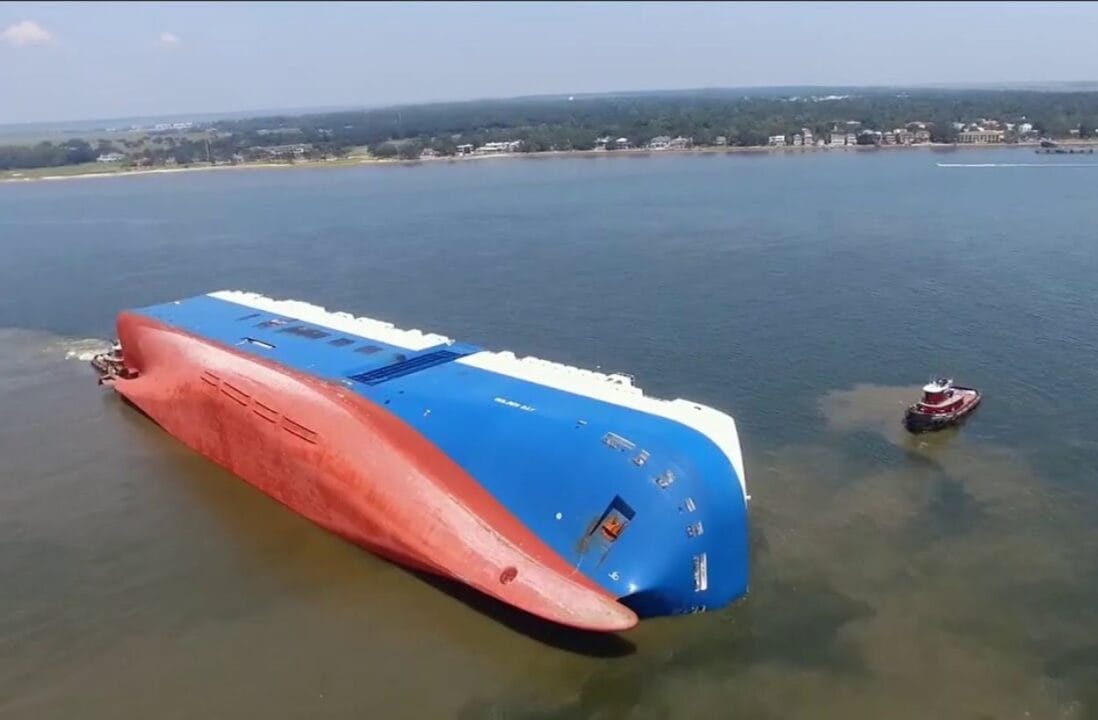
The Capsizing of the Cargo Ship MV Golden Ray, Caused by a Typing Error in the Input of Ballast Tank Data, Resulted in the Largest Maritime Disaster in the U.S., Requiring an Unprecedented Rescue Operation That Included Cutting the Ship Into Eight Pieces and Costing Over $250 Million.
In an unprecedented incident in the maritime history of the United States, the cargo ship MV Golden Ray was involved in the largest capsizing in the country due to an apparently simple mistake, but with disastrous consequences. This incident highlights the critical importance of accuracy in the operational details of large vessels and puts into perspective the challenges and costs involved in the removal of large-scale debris.
On September 8, 2019, the MV Golden Ray, an imposing 656-foot cargo ship, capsized in the St. Simons Sound, near the port of Brunswick, Georgia, just 23 minutes after its departure. The incident occurred during a maneuver to turn toward the open sea when the ship began to dramatically tilt to port, indicating a concerning list that triggered a series of catastrophic events.
What the Investigation Says About the Cargo Ship MV Golden Ray
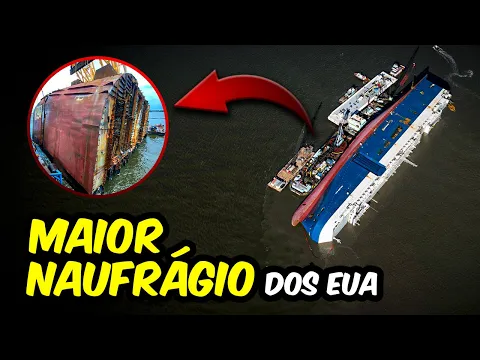

The investigation conducted by the National Transportation Safety Board (NTSB) revealed that the disaster was caused by a critical human error. The chief officer, responsible for entering the data of the 21 ballast tanks into the ship’s stability computer, failed in their task, resulting in incorrect information that severely compromised the vessel’s stability. This error led to a ballast distribution 40% lower than necessary and a 12% excess in cargo, causing the ship to lose its balance during the critical turn.
-
With 74% of companies facing difficulties in hiring, technicians and engineers in renewable energy are becoming scarce in Brazil and are essential to support the expansion of solar, wind, and green hydrogen projects.

-
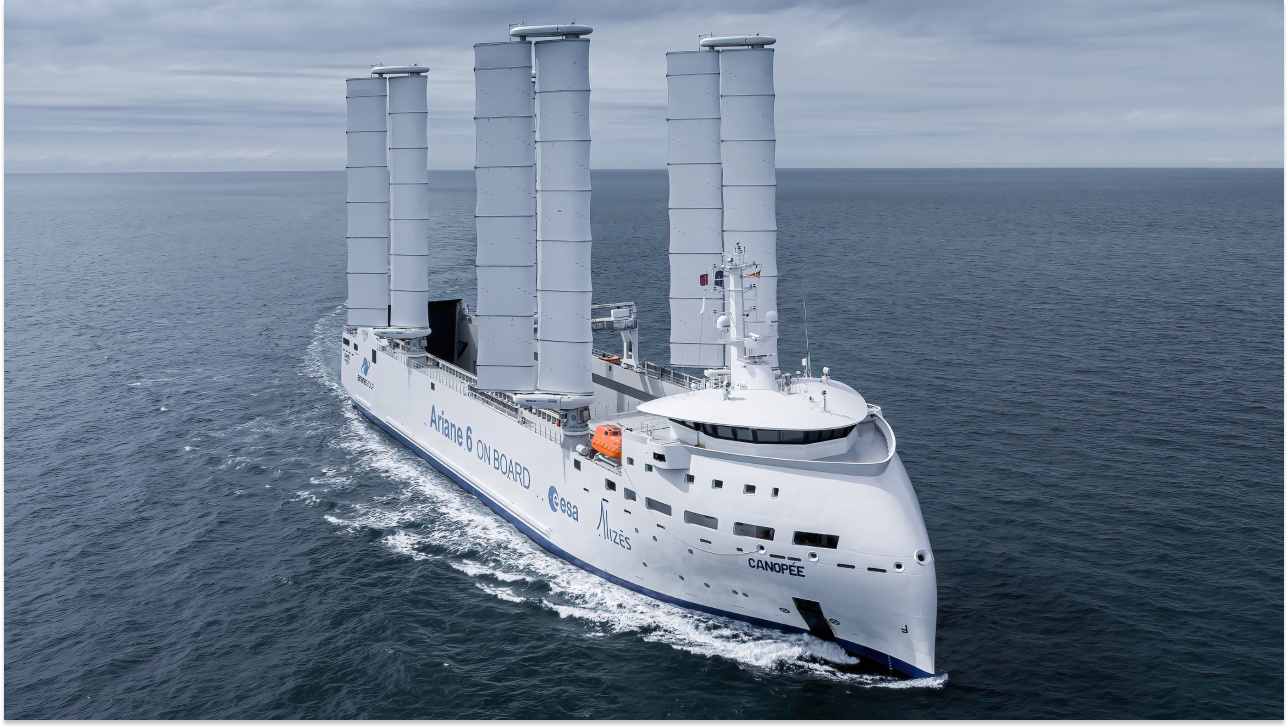
Europe is trying to create an ammonia-powered marine engine without auxiliary fuel, which could unlock the race for giant emission-free ships. The technology aims to eliminate one of the biggest obstacles to clean maritime propulsion.
-
A 4,500-ton frigate with just over 100 crew members, state-of-the-art radar, and cruise missiles is being touted as the new standard of naval warfare in the 21st century.
-
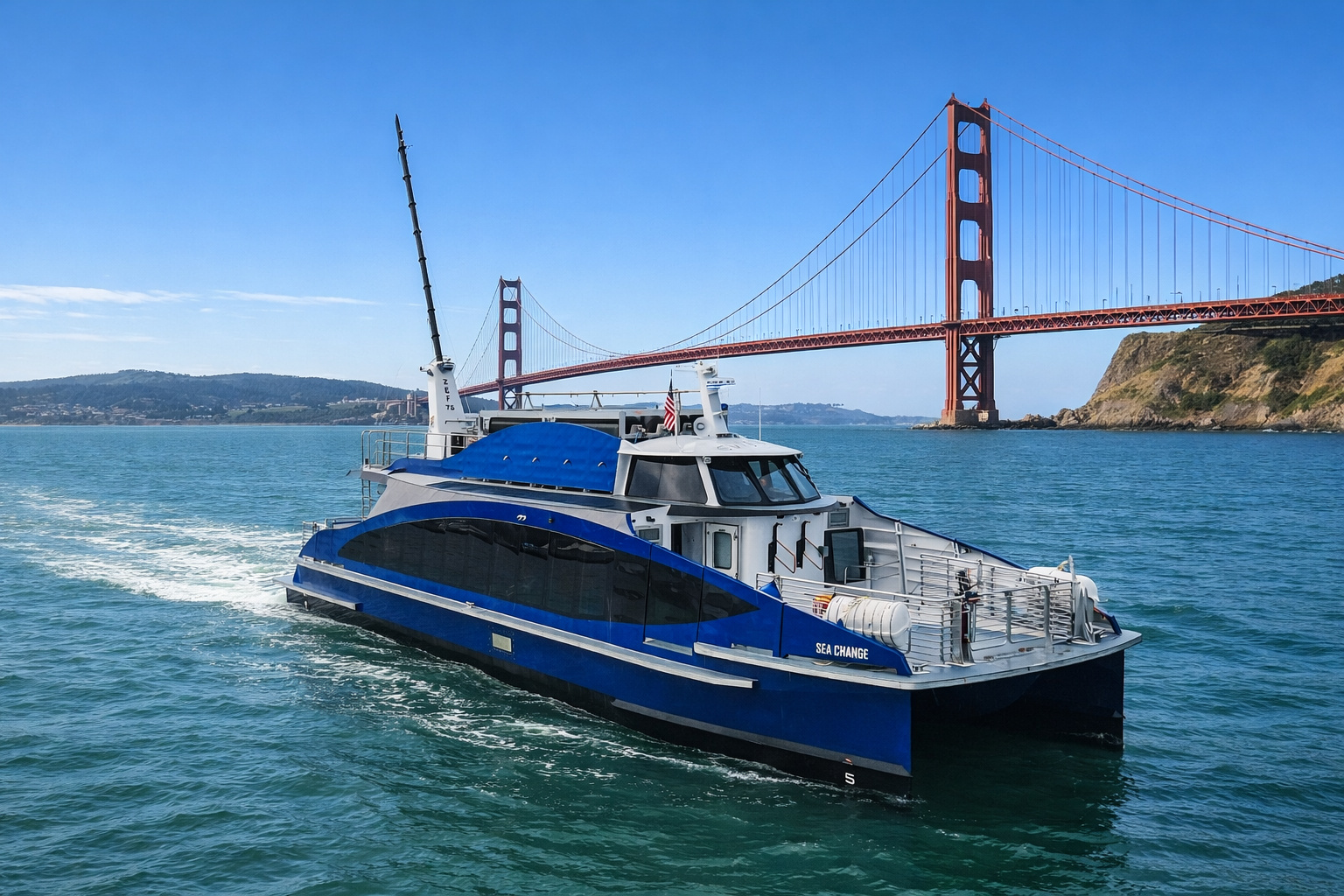
The first commercial hydrogen-powered ferry enters operation in the U.S., eliminates the use of diesel, uses fuel cells to generate clean energy on board, and transforms San Francisco Bay into a landmark of the new era of emission-free navigation.

An Unprecedented Rescue Operation
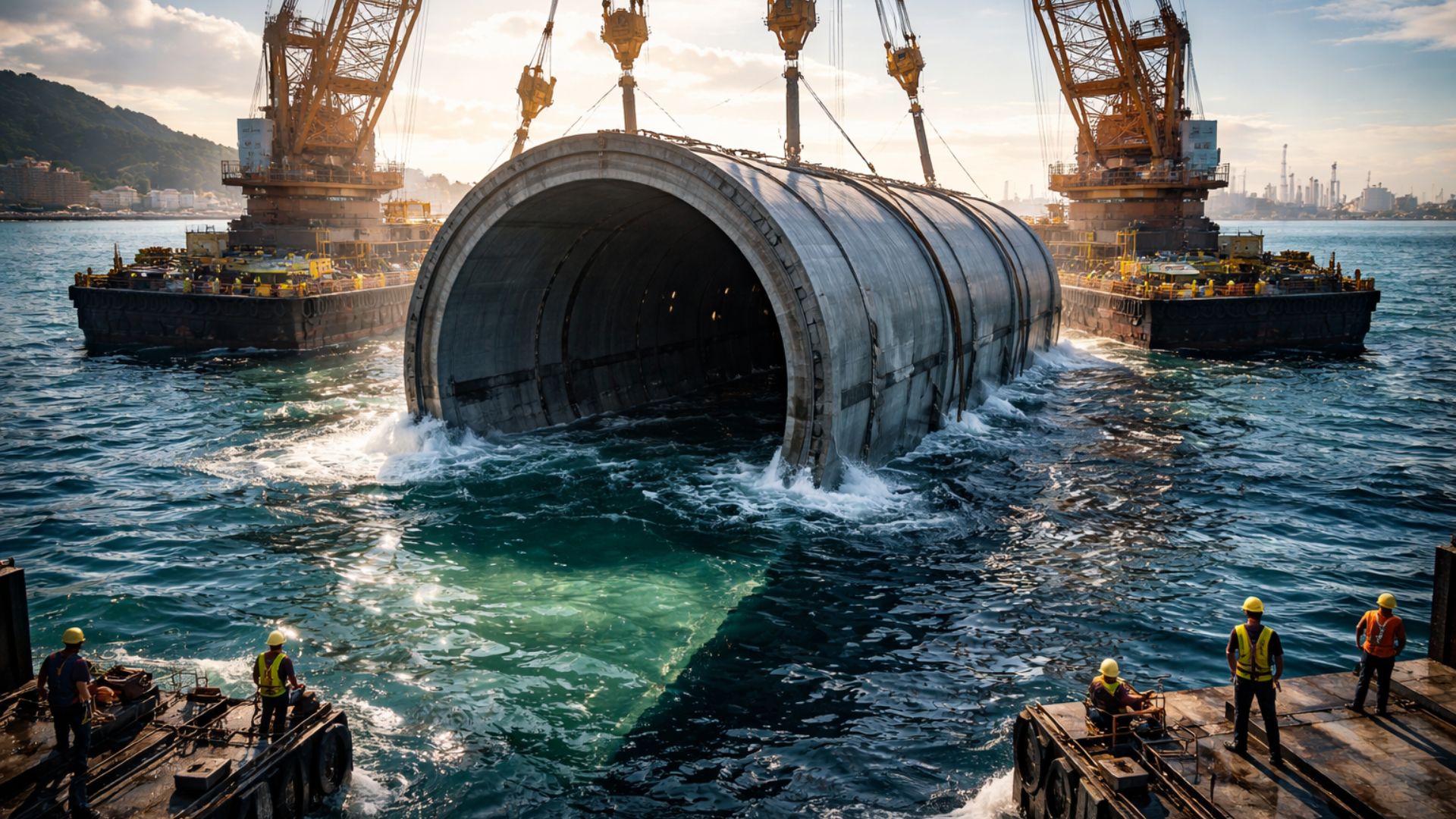
The magnitude of the capsizing required an unprecedented removal operation, lasting over two years and involving cutting the ship into eight massive pieces. The complexity and costs associated with this operation were extraordinary, exceeding $250 million, an amount that reflects the enormity of the challenge faced by the rescue teams.
One notable aspect of this operation was the funding. Most of the costs were covered by the ship’s owner, the South Korean logistics company Hyundai Glovis, with additional resources coming from trust funds and insurance. This highlights the importance of rigorous safety protocols and proper training for the crew to prevent accidents that can have devastating financial and environmental consequences.
Lessons Learned
The incident of the MV Golden Ray serves as a grim reminder of the inherent risks in maritime operations and the critical importance of accuracy and attention to detail. Furthermore, it underscores the need for proper training and robust safety protocols to prevent errors that, while seeming minor, have the potential to trigger large-scale disasters.
As the capsizing of the MV Golden Ray enters history as one of the most significant maritime incidents in the United States, it also highlights the spirit of resilience and innovation among the rescue teams. The debris removal operation for the Golden Ray not only tested the limits of marine engineering but also set new standards for future salvage operations. As the world moves forward, the lessons learned from the MV Golden Ray will remain a crucial guide to enhance safety and efficiency in global maritime transport.
Types of Cargo Ships
Bulk Carriers
Bulk carriers, specialized in transporting bulk cargo such as ores, grains, and other materials without individual packaging, are essential to the global economy. With their large hatchways and vast compartments, these ships maximize the efficiency of transporting essential commodities.
Tankers
Tankers, including oil tankers, form the backbone of liquid bulk transport, from crude oil to industrial chemicals. With advanced loading systems and designs that allow navigation in shallow waters, they are crucial for global energy supply.
LNG Carriers
Specialized in transporting liquefied gases such as LNG (Liquefied Natural Gas) and LPG (Liquefied Petroleum Gas), LNG carriers are equipped with rounded tanks and specialized systems to keep the cargo safe and stable during maritime transport.
Ro-Ro Ships
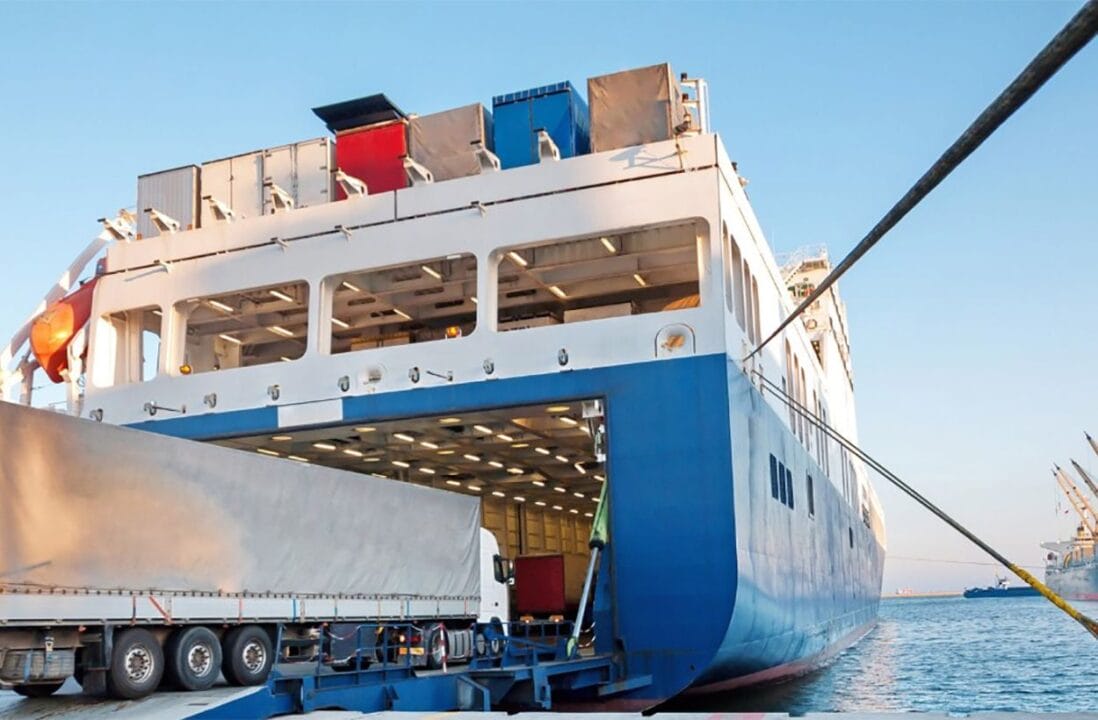
Roll-on/Roll-off (Ro-Ro) ships are designed for transporting loads that can be loaded and unloaded by rolling, such as vehicles and heavy machinery. This category of ship provides an efficient solution for transporting manufactured goods and vehicles, functioning as floating parking lots with adjustable ramps.
General Cargo Ships and Container Ships
General cargo ships transport a variety of packaged products, from food to machinery, in packaged or countable units. On the other hand, container ships, the true backbones of modern trade, are specialized in transporting containers, facilitating the logistics and global distribution of a vast range of goods.
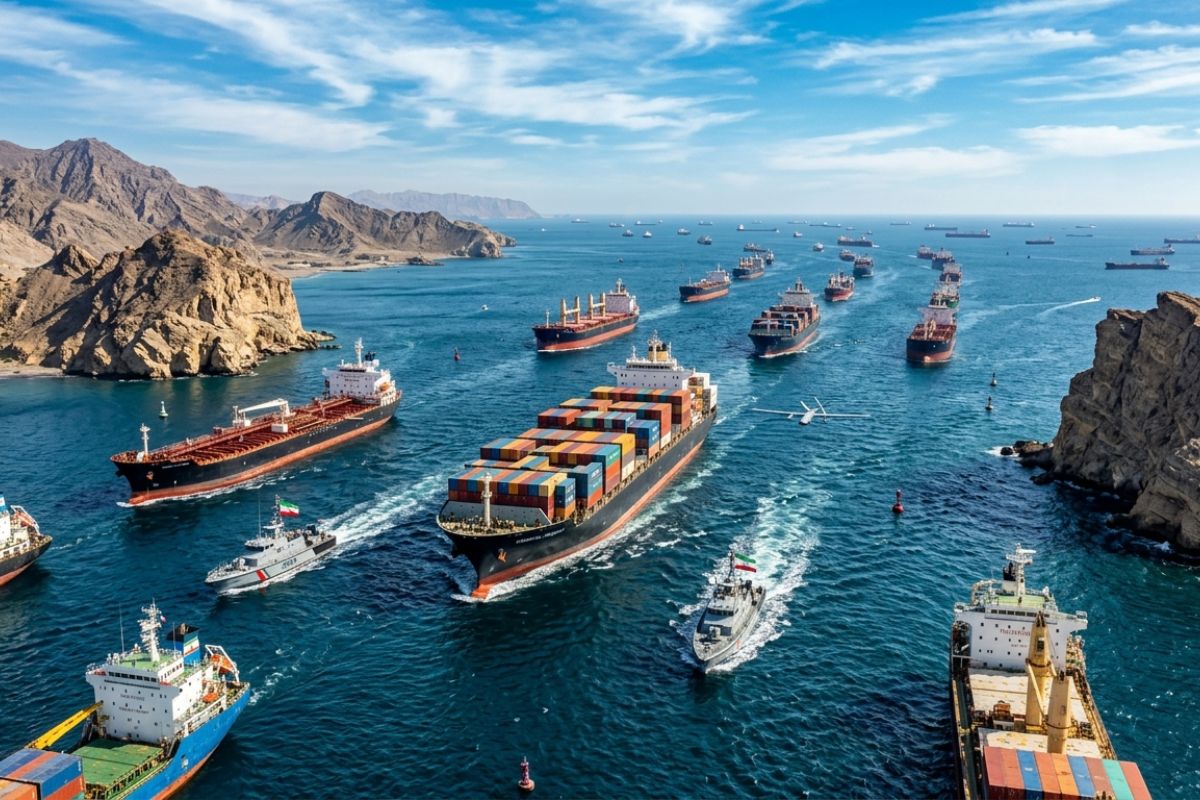
The diversity of types of cargo ships reflects the complexity and specificity of global trade, demonstrating how each category of ship is optimized to safely and efficiently transport different types of goods. The MV Golden Ray incident emphasizes the importance of accuracy, proper training, and the adoption of rigorous safety protocols to prevent disasters. As the world continues to rely on maritime transport for international trade, the safety and efficiency of these vessels remain of utmost importance.






-

Uma pessoa reagiu a isso.