





 English
  Francês
  Alemão
  Italiano
  Japonês
  Norueguês
  Portuguese
  Spanish
 2 min of reading



The System Developed by Vale at the Rio de Janeiro Terminal Is Part of the Investment of Approximately US$ 2 Billion, to Reduce Its Emissions by 33% by 2030
Vale is installing, in Rio de Janeiro, one of the largest battery energy storage systems for electrical demand supply in the country. Recently, the company announced an investment of at least US$ 2 billion to reduce its absolute direct and indirect emissions by 33% by 2030, based on the premises of the Paris Agreement, in addition to the intention to become carbon neutral by 2050.
See Also Other News:
- The Resumption of Usiminas’ Blast Furnace in Minas Gerais Will Happen Tomorrow (26) and Generates Expectations for Growth in the Country’s Steel Industry
- Petrobras Is Called Out for Irregularly Depositing Tons of Equipment and Pipelines from Oil Platforms in the Campos Basin, Rio de Janeiro
- ABB, a Leading Company in Energy and Automation Technologies, Opens Job Vacancies for Various Areas on This Day 25
For the installation of the system, Vale partnered with Siemens and MicroPower Comerc (MPC), which will effectively reduce energy costs at the port by about 20% by replacing the supply from the utility’s electrical grid during peak demand hours when the rate is higher. The equipment has a storage capacity of 10 megawatt-hours, enough to supply 45,000 homes for one hour.
-
Chinese giant worth nearly R$ 4 billion that manufactures cables for electric cars, solar energy, and robotics wants to open a factory in SC.

-
Many employers do not know, but the law guarantees domestic workers a 25% increase in salary during trips, 50% for overtime, 20% for night shifts, and 17 additional benefits that can lead to labor lawsuits if not paid.

-
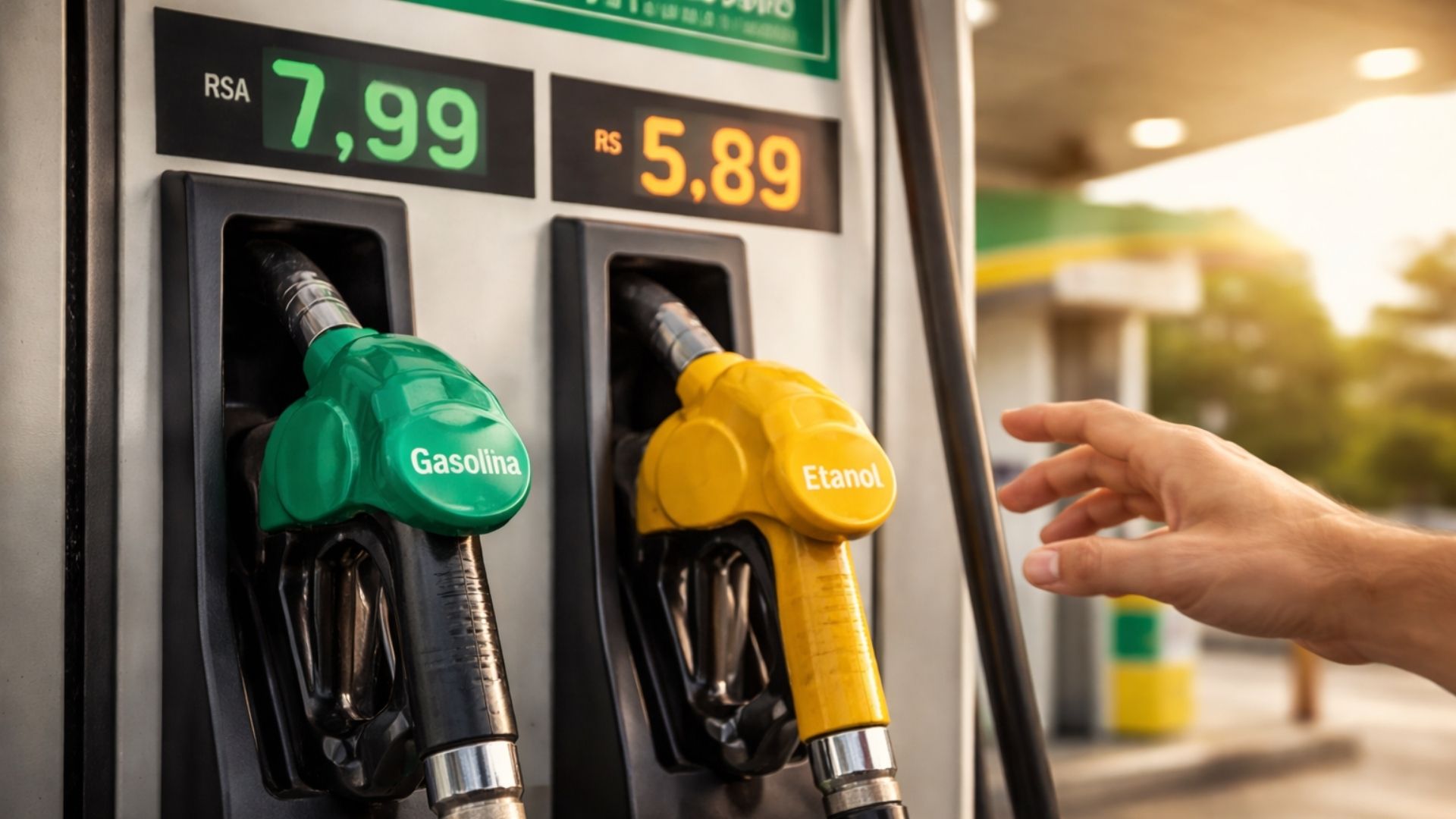
Gasoline prices soar and the question arises: is ethanol more advantageous? The 70% rule reveals the limit with gasoline.
-
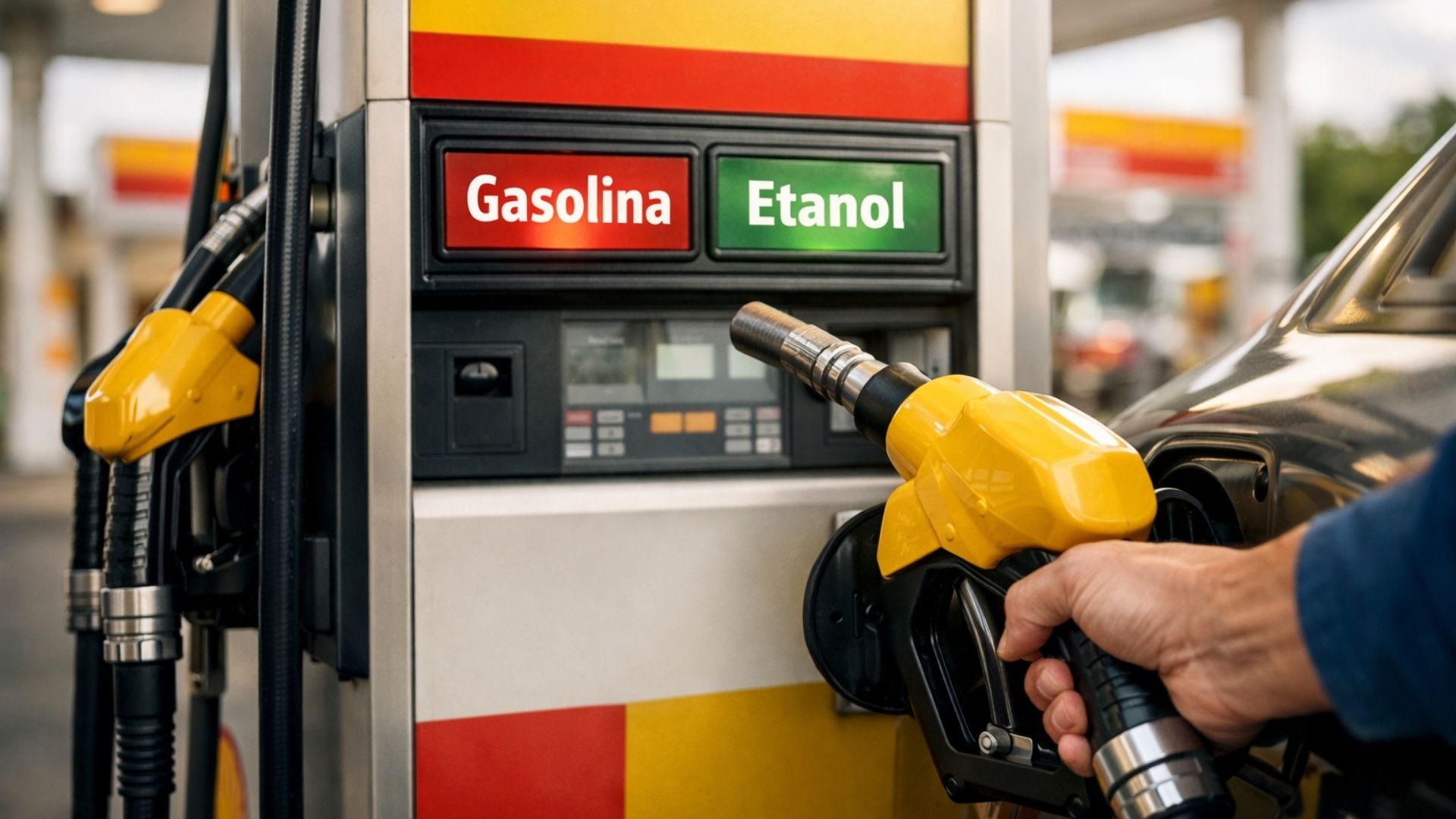
The government has made a decision and is starting a test with more ethanol in gasoline, anticipating a mixture of up to 35%, diesel with 25% biodiesel, and a study to assess the impacts on engines.

Vale reported that this type of technology is an important step in the company’s decarbonization strategy. The use of batteries is one of the technologies that should be applied to replace diesel with renewable electric energy in transportation equipment, such as locomotives and off-road trucks, included in the Power Shift program that is being implemented by the company.
“As Vale continues to decarbonize its operations, the use of batteries will become an increasingly important part of the electrification of our equipment fleet,” explains Vale’s Energy Director, Ricardo Mendes. “This project allows us to test a new technology in the field to accelerate Vale’s energy transformation, aiming to achieve self-sufficiency by increasing electricity generation primarily through solar and wind sources, in addition to our hydropower generation,” he adds.








Seja o primeiro a reagir!