





 Portuguese
  English
  Spanish
  4 min of reading
  0 comments


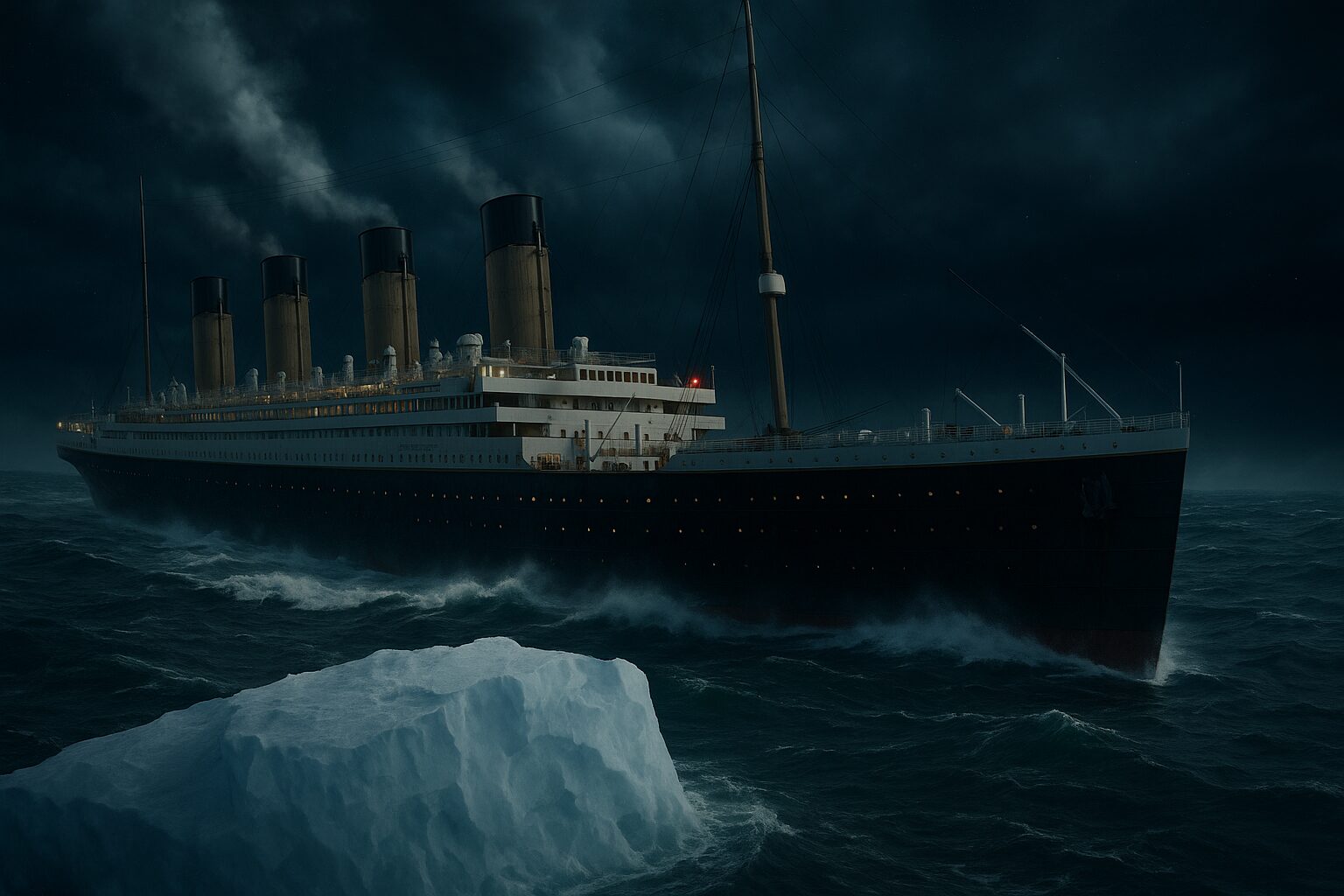
Studies Reveal That The Combination Of Fragile Steel, Low-Quality Rivets, And Failures In The Assembly Process Compromised The Structure Of The Titanic, Decisively Contributing To Its Tragic Sinking In 1912
The sinking of the RMS Titanic in April 1912 continues to draw attention more than a century later. Considered a symbol of naval engineering of its time, the ship impressed with its luxury and structure. However, technical analyses revealed that its construction had serious weaknesses — especially in its hull — that directly influenced the tragedy.
The hull of the Titanic was made of low carbon steel plates three centimeters thick, joined by rivets. The central part of the ship, where the bending stresses were most intense, received three rows of steel rivets.
At the extremities, bow and stern, only two rows of wrought iron rivets were used. This difference in material choice would prove crucial.
-
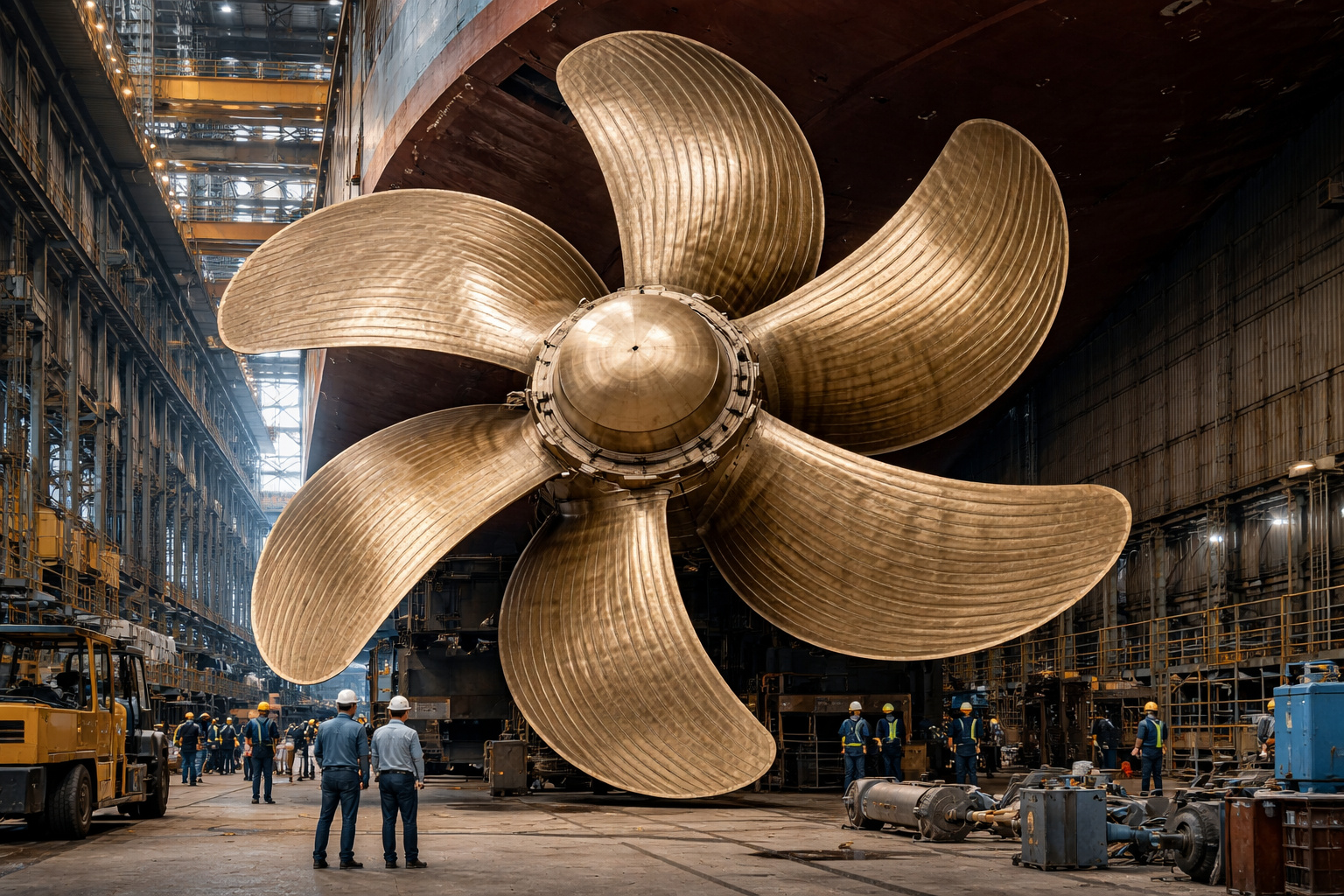
How a 131-ton, 11-meter propeller supports 90% of global trade and transforms the largest container ships on the planet.
-
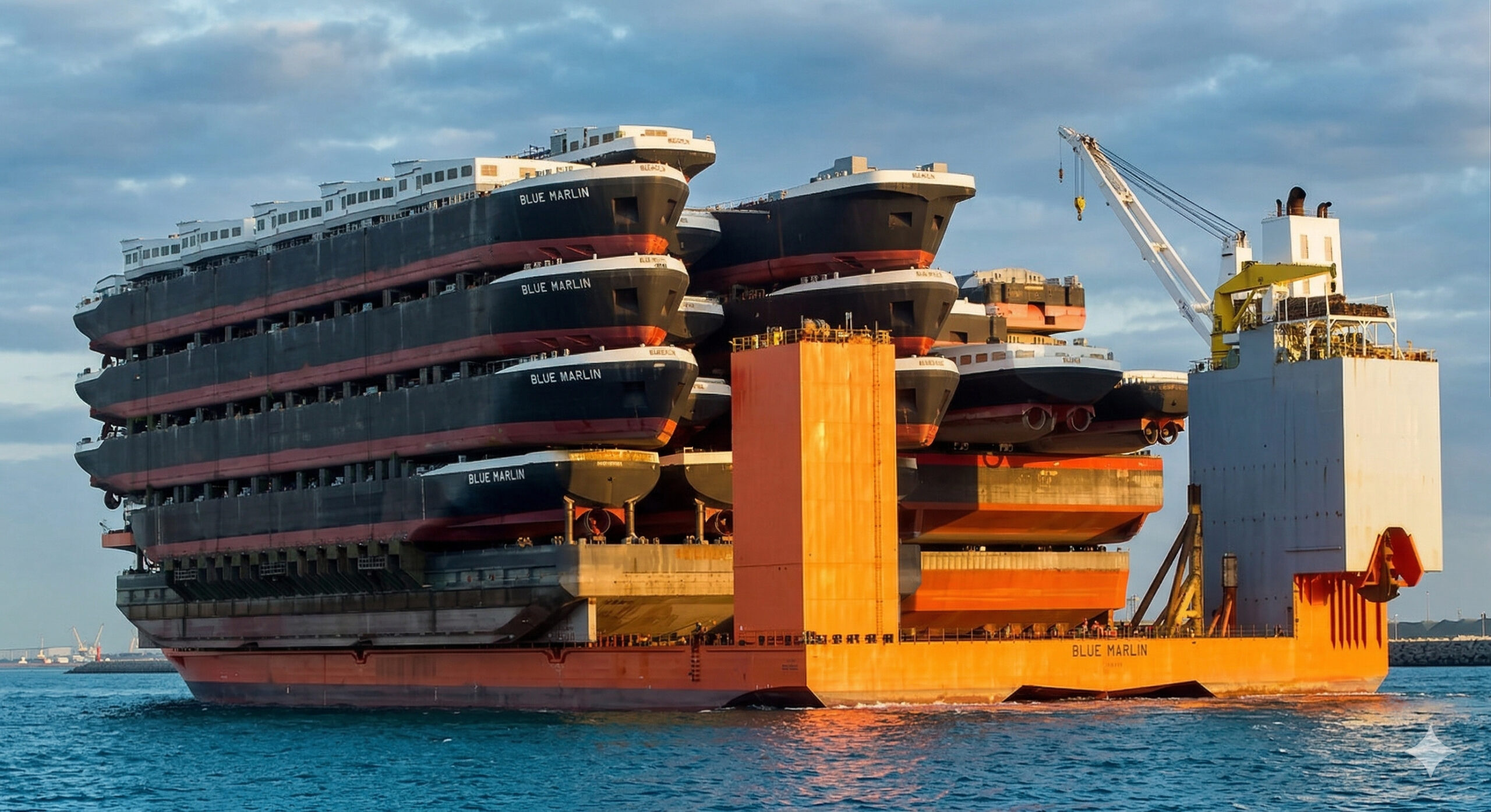
With a length of 225 meters and a capacity of 76 thousand tons, this ship “sinks” its own deck down to 28 meters deep to accommodate war destroyers, oil platforms, and giant radars floating above, and then emerges with everything intact on top like a colossal tray crossing oceans.
-
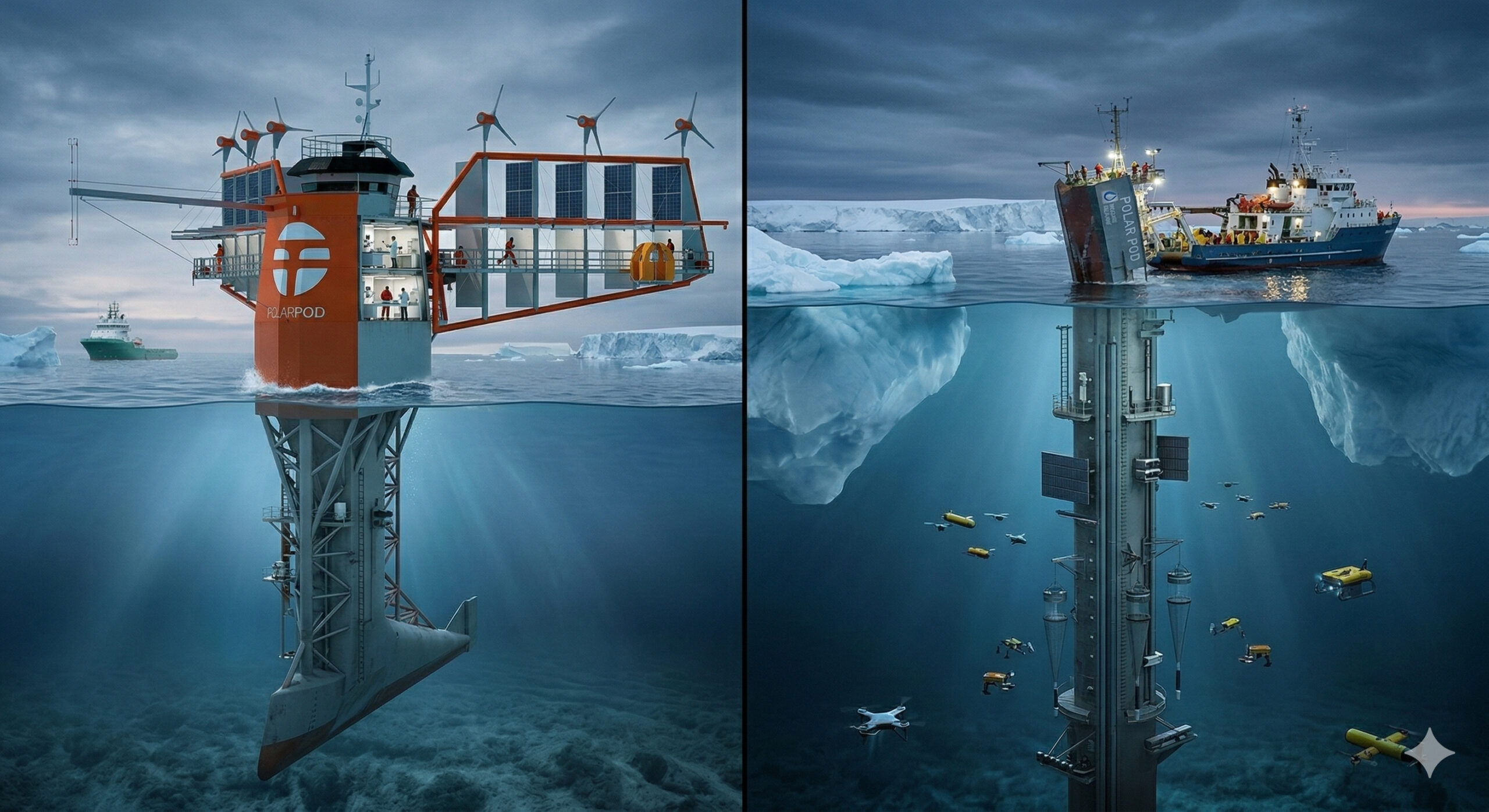
A 100-meter platform without a motor, without a keel, and operating upside down rotates 90 degrees in the ocean, sinks 75 meters, and drifts around Antarctica for two years driven by the planet’s most powerful current to study the largest carbon sink on Earth, still poorly understood by science for accurate climate modeling.
-
With a length of 108 meters and a giant spoon shape, the FLIP was the only ship in the world capable of rotating 90 degrees in the ocean and remaining vertical, with 91 meters submerged, operating for 60 years until it was retired and sent to the scrapyard in 2023.


The Impact With The Iceberg
On the night of April 14, 1912, the ship collided with an iceberg in the North Atlantic. The impact caused an opening of about 91 meters on the starboard side, near the bow, allowing water to enter.
Even designed to withstand four flooded compartments, the impact exposed six of them to the sea. Sinking became inevitable.
Hypotheses About The Cause Of The Hull Breakage
Over time, two main hypotheses emerged regarding the cause of the structural rupture: failure in the steel plates or in the rivets. The first theory pointed to the fragility of the metal plates when in contact with the extremely cold water, with temperatures of -2°C.
Tests conducted years later showed that the steel used had a critical temperature of 32°C — much higher than the conditions at the time of the accident.
Additionally, the composition of the plates included high levels of sulfur, oxygen, and phosphorus, all elements that weaken steel. The low manganese content also compromised the material’s ductility.
Tests from the 1990s indicated that the steel used in the Titanic was ten times more fragile than those used today. Nevertheless, more modern tests showed that, at temperatures close to 0°C, this steel was still capable of bending, not breaking as initially thought. Thus, this hypothesis lost traction.
Problems With The Rivets And Installation Failures
The second hypothesis gained prominence. Metallurgical studies revealed that the rivets used in the construction did not meet a quality standard.
The ones in the central part, made of steel, were more resistant. Meanwhile, the ones at the extremities, made of wrought iron, showed a higher amount of slag — a residue that decreases the material’s strength. This explained the lower cost of these rivets and their fragility under stress.
Another decisive factor was the process of fastening the rivets. Due to the curvature of the hull at the extremities, workers had to install them manually, without the aid of hydraulic presses. This limitation compromised proper fastening.
Tests indicated that external pressures on the heads of the rivets caused the plates to detach at critical points, facilitating the propagation of the damage after the impact with the iceberg.
The Construction And Inaugural Voyage Of The Titanic
The Titanic was launched in 1911 by the White Star Line as the largest passenger ship in the world. It measured 266 meters in length, 28 meters in width, and 53 meters in height.
The vessel was built in Belfast, Northern Ireland, and set sail for its inaugural voyage on April 10, 1912, departing from Southampton, England, bound for New York. There were about 2,200 people on board.
The design included 16 watertight compartments, with the expectation that the ship could continue its voyage even if four of them were damaged. Confidence in technology led to a reduction in the number of lifeboats, to keep the deck more free and elegant.
After the impact, with the bow completely submerged, the stern rose up, exposing the propellers. The structure could not withstand the stress and split in half. The bow sank rapidly, while the stern descended in a spiral motion, generating explosions and launching internal parts outward.
A Set Of Structural And Human Failures
The conclusion of the studies was clear. The sinking of the Titanic was not caused solely by a single error. It was the result of a series of accumulated failures.
The low quality of the rivets, the manual insertion method, the lack of standardization of materials, and the urgency of delivery were decisive factors. Added to this were the crew’s unpreparedness, the captain’s poor decisions, and the cost-cutting measures by the responsible company.
This combination of decisions and technical failures ultimately transformed what should have been the safest voyage of the time into one of the greatest maritime disasters in history.
With information from Engemat Solucoes.








-

Uma pessoa reagiu a isso.