





 Portuguese
  English
  Spanish
 4 min of reading
  0 comments


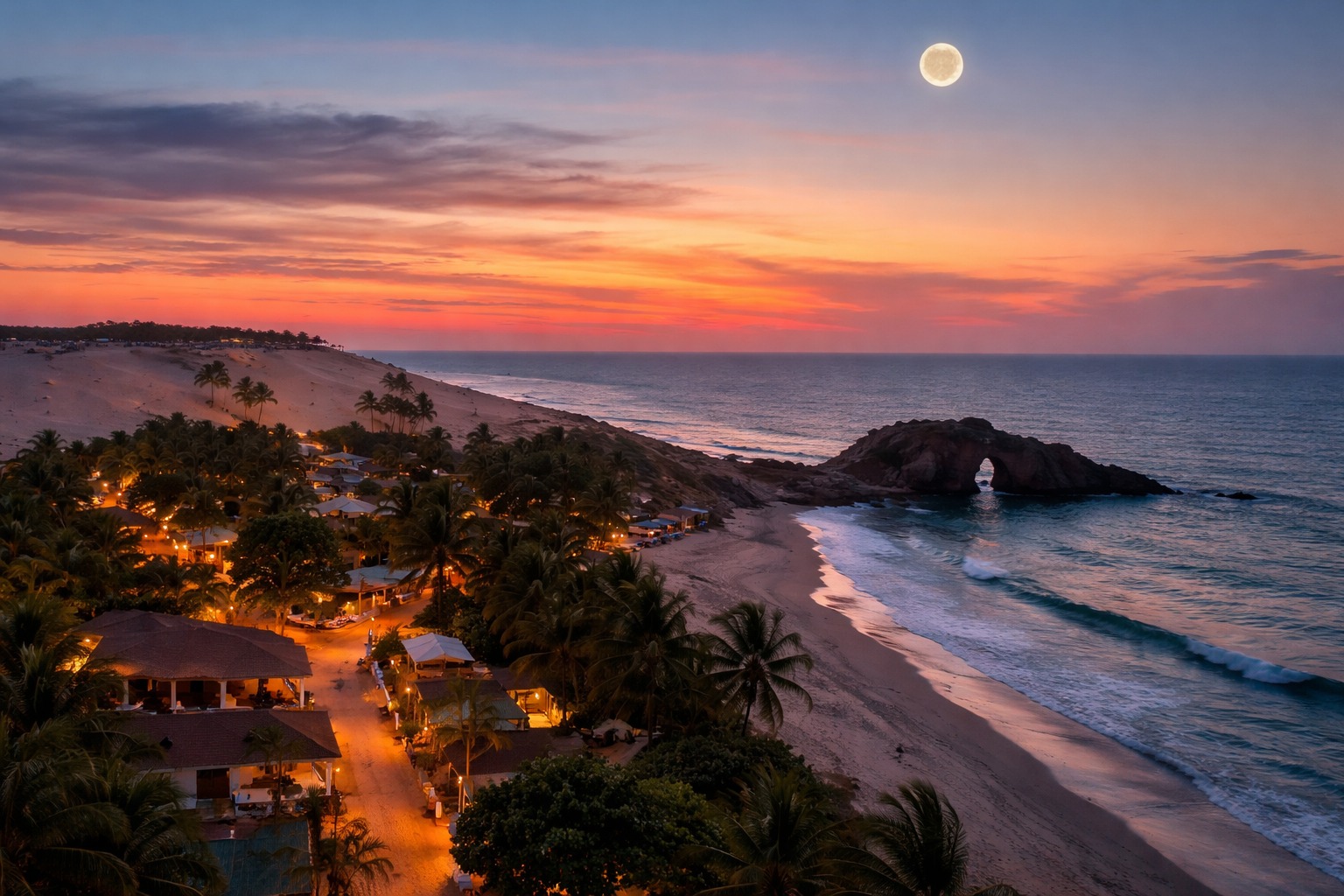
Between Moving Sand Dunes and Sandy Streets, Jericoacoara Has Become One of the Most Visited Destinations in Brazil, Receiving More Than 1.5 Million Tourists in 2024
The village of Jericoacoara, on the coast of Ceará, has established itself as one of Brazil’s main tourism hubs after decades of transformation. In 2024, Jericoacoara National Park received more than 1.5 million visits, boosting the fame of the once-isolated settlement among the dunes.


How Jericoacoara Gained International Visibility
Global recognition began in 1984. That year, the American newspaper The Washington Post included Jericoacoara among the ten most beautiful beaches in the world, revealing a previously little-known destination to the world.
Until the mid-1980s, the village was an isolated fishing settlement. There was no electricity, telephone, or road. Access was made by rafts or long walks through the dunes surrounding the region.
-
Italian researchers have detected what appears to be a second Sphinx buried under the sands of Egypt, and satellite scans reveal a gigantic underground megastructure hidden beneath the Giza Plateau for over 3,000 years.

-
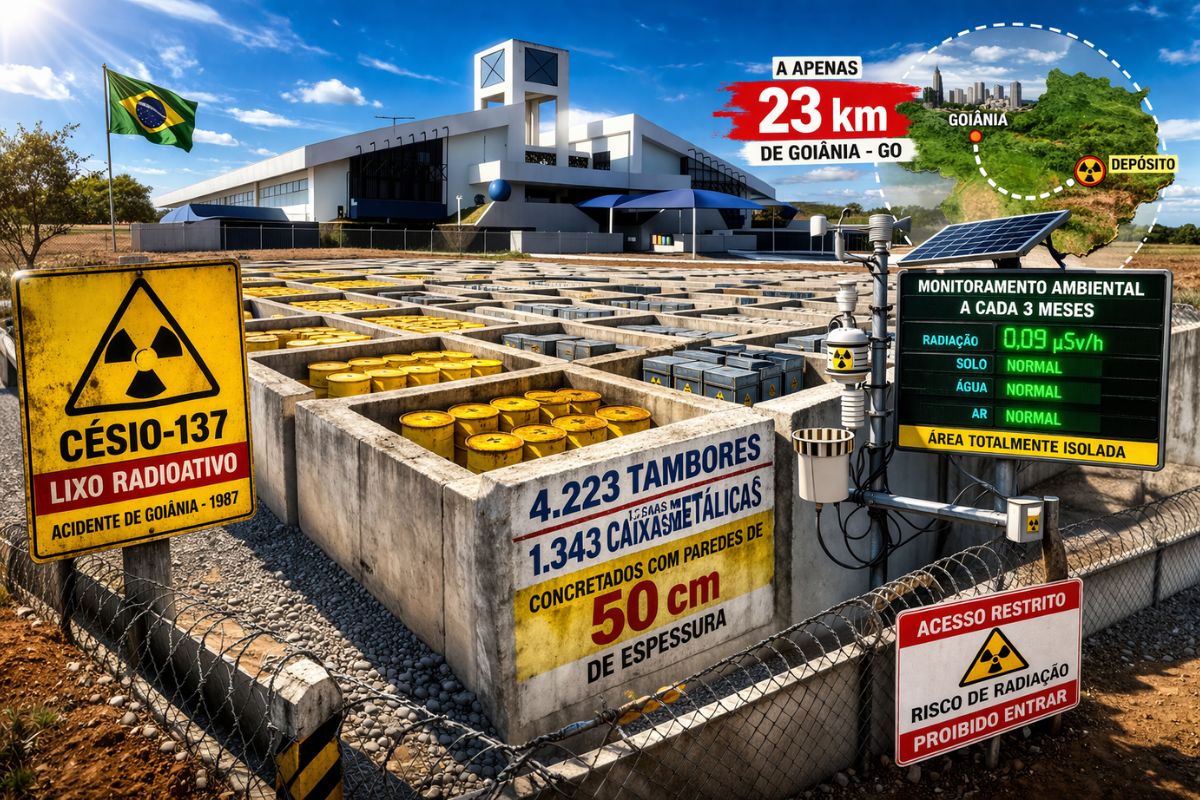
There are 4,223 drums and 1,343 metal boxes concreted with 50-centimeter walls that store the radioactive waste from Cesium-137 in the worst radiological accident in Brazil, just 23 kilometers from Goiânia, with environmental monitoring every three months.
-
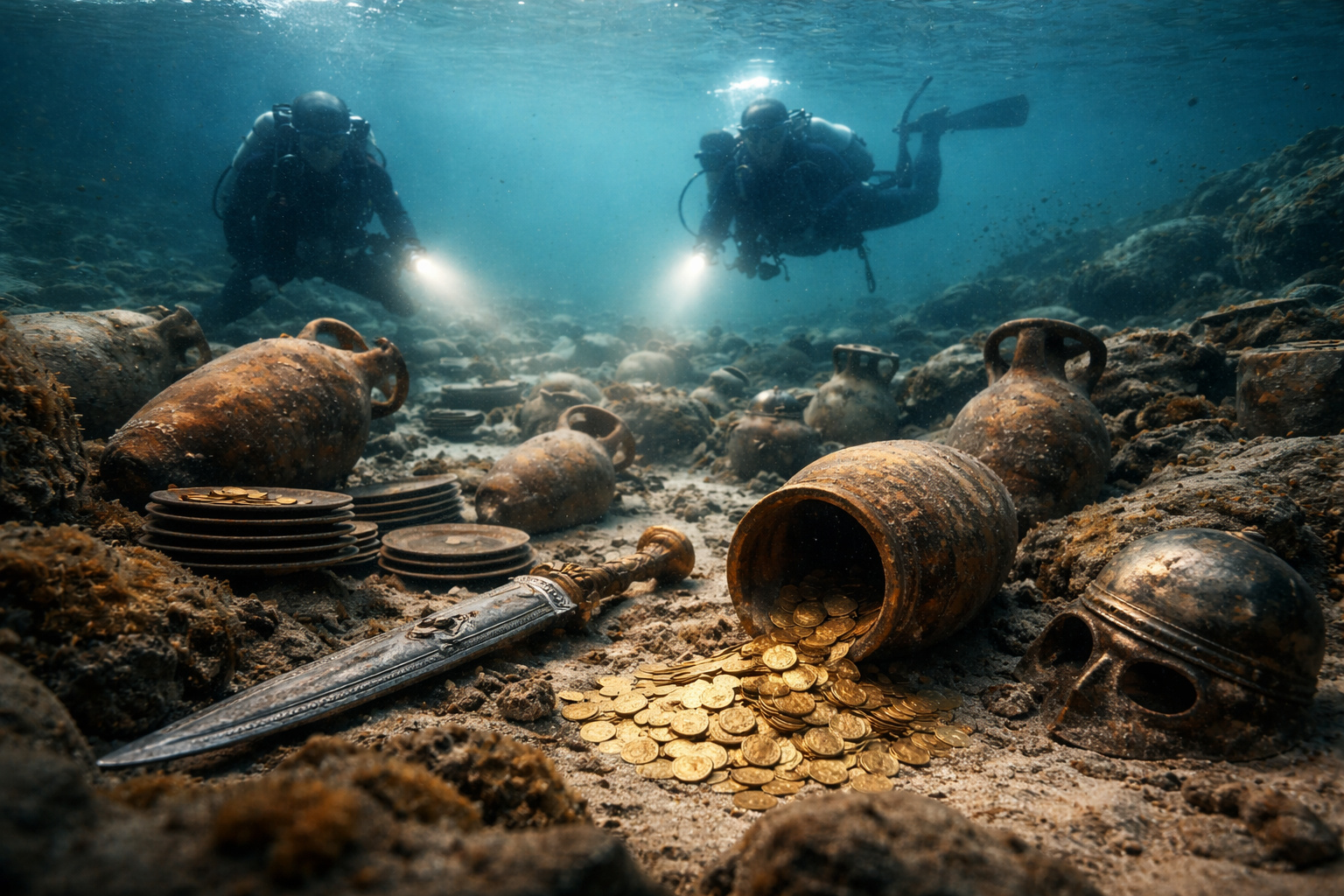
Giant Roman treasure found at the bottom of Lake Neuchâtel in Switzerland reveals an advanced trade system, circulation of goods, and armed escort in the Roman Empire about two thousand years ago.
-
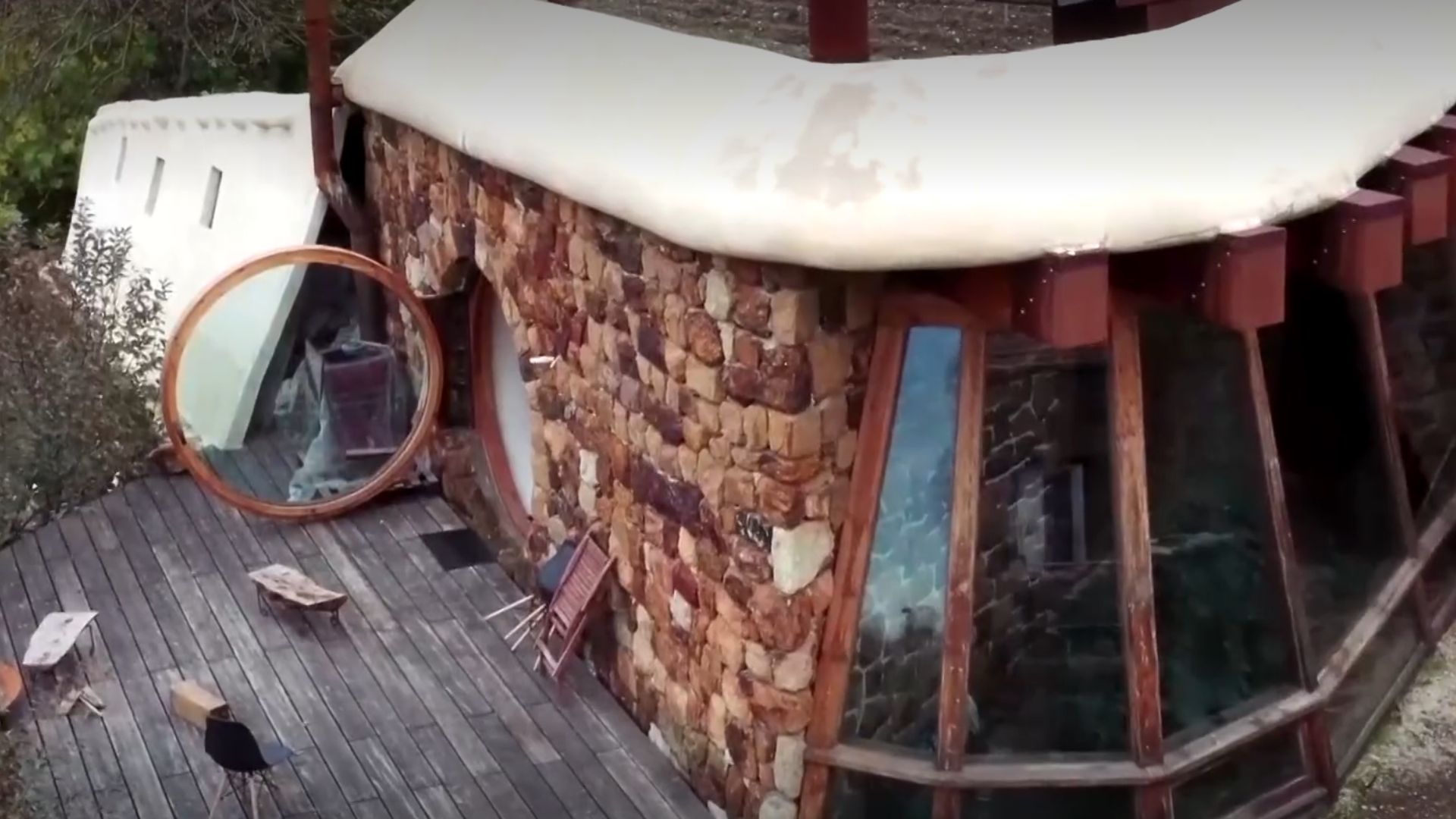
He buried 1,200 old tires in the walls to build his own self-sufficient house in the mountains with glass bottles, rainwater, and an integrated greenhouse.

The name Jericoacoara comes from the Tupi language and means “turtle’s den.” The natural landscape, formed by moving dunes, beaches, and lagoons, helped establish the site as a growing tourism destination.
In the same year of international visibility, the federal government created an Environmental Protection Area around the village.
National Park and Preservation Rules
In 2002, part of this area was transformed into Jericoacoara National Park. The conservation unit covers 8,850 hectares and is managed by the Chico Mendes Institute for Biodiversity Conservation, ICMBio.
The village’s infrastructure follows specific preservation rules. Electricity only arrived in 1998 and uses underground cables. Poles are prohibited to maintain the natural landscape and visible night sky.
Private cars are also not allowed inside the village. The last 15 km of access to Jericoacoara require 4×4 vehicles or shared vans that cross the dunes.
The streets remain covered with sand due to legal determination. This measure is part of the conservation model adopted to balance the growth of tourism with environmental preservation.
Tours Between Dunes, Lagoons, and Rock Formations
The tours in the region depart from the village and traverse dunes, beaches, lagoons, and mangroves. Most are conducted in buggies or 4×4 vehicles driven by local operators.
Among the most well-known points is Pedra Furada. The arch-shaped rock formation was carved by wind and sea and has become one of Ceará’s postcards.
Between July 15 and August 15, a phenomenon is observed by visitors. During this period, the sun fits exactly in the center of the rock arch at sunset.
Another famous spot is Duna do Pôr do Sol. Located west of the village, it gathers dozens of people who climb the dune daily to see the sun sink directly into the ocean.
Lagoa do Paraíso, about 20 km from the village, features transparent freshwater in shades of green and blue. Hammocks set up in the water attract visitors seeking relaxation.
Lagoa Azul has a simpler environment and rustic stalls. The lagoons tend to be busier between July and September, a period after the rains.
Natural Landscapes and Viewing Points
Serrote is a rocky elevation of 95 meters that offers a 360° view of the park. At the top, there is a lighthouse powered by solar energy.
The climb is common at sunrise when visitors seek to observe the park while it is still empty.
Another known spot is Árvore da Preguiça. The mangrove plant has had its roots and trunk shaped by the constant winds of the region.
The site is on the way to Praia do Preá and is included in 4×4 tourism itineraries.
Traditional Flavors of the Village
The local cuisine combines caiçara traditions with fresh seafood. Shrimp served in coconut appears frequently at kiosks near the lagoons.
Grilled lobster is offered in village restaurants for prices lower than those found in Brazilian capitals.
Among the light dishes, tapioca appears with various fillings. Sun-dried beef with cheese or coconut with condensed milk are among the most common combinations.
For dessert, cocada and tapioca pudding are regional traditions.
Climate and Routine in the Village
The heat is constant throughout the year. The main difference between seasons lies in the presence of rain and the intensity of the winds.
These factors define different experiences for those visiting the park.
The routine of Jericoacoara maintains a rhythm marked by nature. The day is usually organized around tours through the dunes and lagoons.
At dusk, candle-lit restaurants and forró performances on the sand bring together residents and visitors.
Even after decades of tourism growth, the village still lacks asphalt, visible poles, and has streets covered with sand.
This set of characteristics helps explain why Jericoacoara continues to attract visitors forty years after its international discovery, maintaining a landscape and rhythm that differentiate the destination on the Brazilian coast.
With information from Tupi.








Seja o primeiro a reagir!