





 Portuguese
  English
  Spanish
  3 min of reading
  0 comments


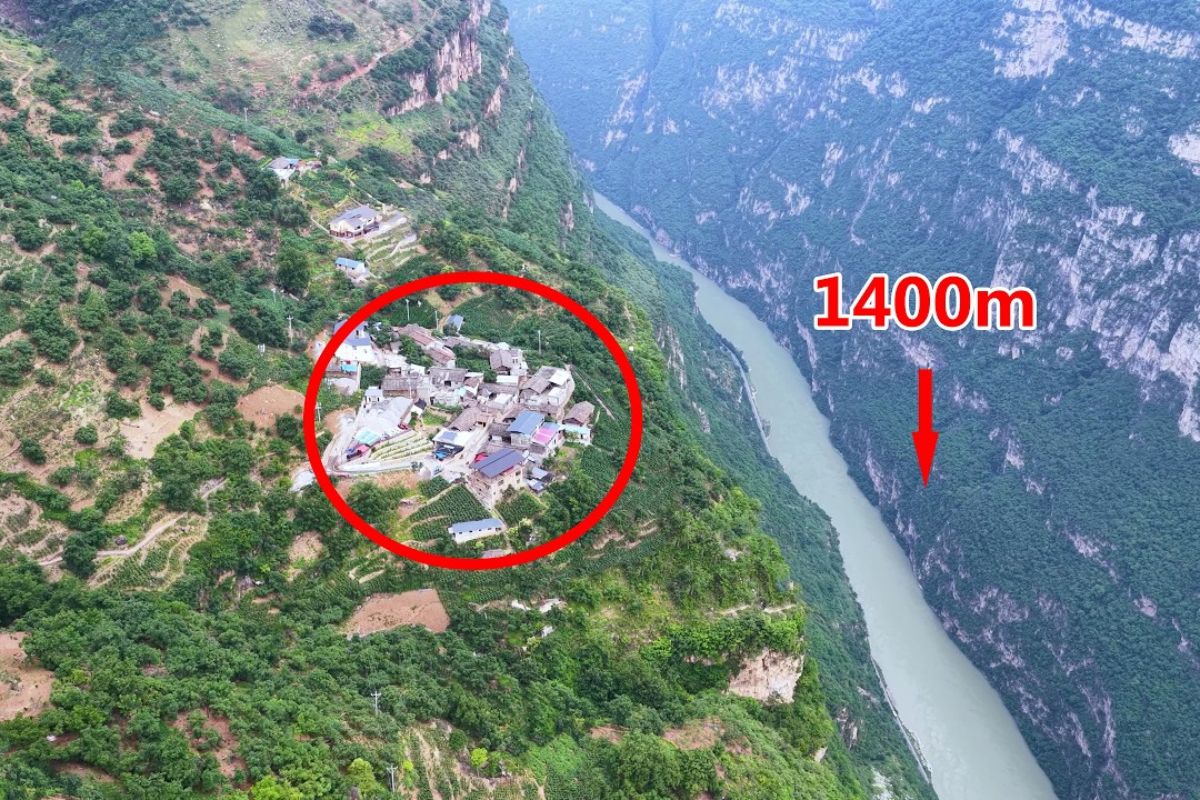
Gulu Village Residents Face Six-Hour Climbs on Hand-Dug Trails to Keep a Community Suspended at 1,400 Meters High.
The cliff village in Sichuan, known as Gulu Village, defies the very limits of humanity. Located more than 1,400 meters above sea level, it appears to float in the air, a cluster of houses balanced over a vertical abyss of one thousand meters. The journey there requires a six-hour ascent via hand-dug trails, a path where mules and horses are still the main means of transportation.
The road winds between sharp rocks and cliffs. There is no access by cars, and every step is a reminder that life on this mountain depends on persistence. Even so, families have continued to live there for centuries, steadfast and adapted, as if the cliff were a part of their identity.
The Path That Shaped Generations
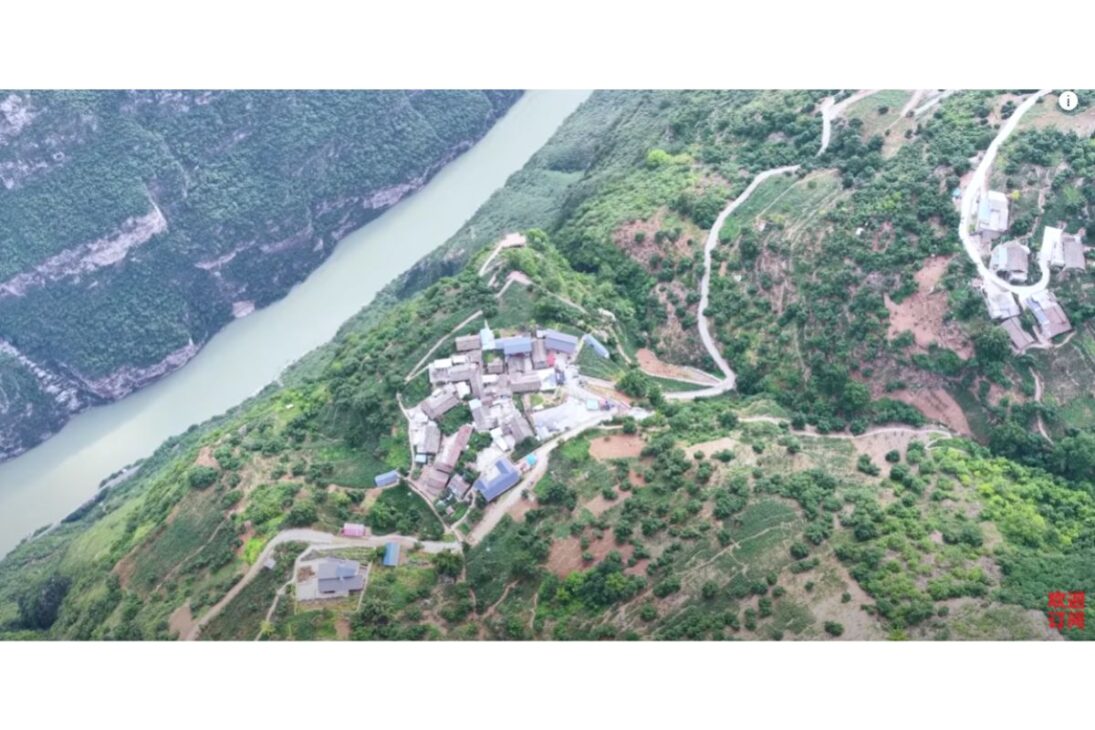
Reaching the cliff village in Sichuan is not just a physical journey, but also a historical crossing.
-
The induction stove you know may be numbered: a new invisible technology hides the stove under the stone countertop, heats only the pot, and promises to cook up to 50% faster while using less energy.

-
Garlic with pure honey undergoes a natural fermentation that transforms the two ingredients into a versatile condiment for marinades, sauces, and roasted vegetables, and it can also be used as a natural treatment in your garden.

-
A woman in the United States hired six immigrants for a $10,000 job on her house, and when the work was almost done, she allegedly called ICE to avoid paying and to have the workers deported.

-
iPhone in 2026: the technological innovations that go beyond cameras and processors


The path was shaped with rudimentary tools and courage. For decades, residents relied on wicker ladders and ropes to communicate with the world below.
Only in 2002, with community support and local resources, a plank road began to be opened on the cliff. The construction took sixteen years to complete.
The current road, just over a meter wide, still bears marks of the effort.
Hand-dug holes help mules and horses maintain their balance. Each step represents the cost of staying where ancestors chose to live.
And even in the face of difficulty, no one talks of giving up.
Tradition, Isolation, and Faith
The Gulu Village was born over 400 years ago, when groups fleeing from war scaled the cliff in search of shelter.
There they built their homes, planted on sloping land, and formed a community that learned to live with little but with deep bonds.
The isolation forged a spirit of solidarity. Families help each other with harvesting, home repairs, and dangerous journeys.
There is also a rare sense of belonging, as if each stone of the mountain holds a story of resistance.
For many residents, descending permanently would mean betraying this heritage.
The Landscape That Silences


Those who visit the cliff village in Sichuan encounter a landscape that seems to suspend time.
The Grand Canyon of the Jinkou River stretches below, and the thin air brings a mix of fear and fascination.
On one side, cliffs cut by knives; on the other, simple houses that withstand wind and isolation.
During sunset, the silence is broken only by the sound of mule bells.
The view is of a beauty almost impossible to describe, a balance between danger and peace, where each resident is a witness to the strength of living where almost no one dares to stay.
With tourism, the village has begun to change slowly.
The cable car installed between the canyons brought new visitors and opportunities, but also a challenge: how to modernize without losing essence.
The younger ones now study in the cities, but many return, not for comfort, but for pride.
Gulu is not just a tourist spot. It is a portrait of human resilience, of those who choose to stay when logic would dictate leaving.
Between the sky and the earth, this community continues to exist, reminding us that altitude is measured not only in meters, but in courage.
Could you live in a place like Gulu Village, suspended over a cliff at 1,400 meters high?








-

Uma pessoa reagiu a isso.