





 Portuguese
  English
  Spanish
  5 min of reading
  0 comments


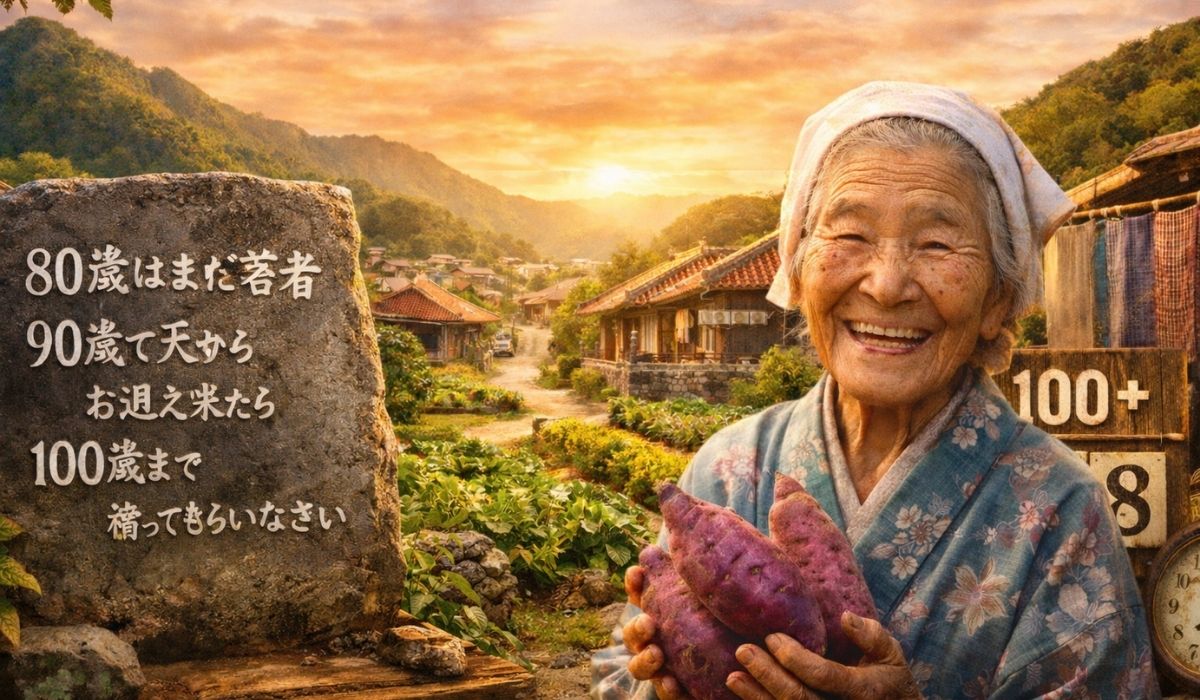
Ogimi, In Northern Okinawa, Brings Together Habits, Support Networks, and a Routine Observed for Decades by Researchers, in a Context That Transformed the Small Japanese Village Into an International Reference When it Comes to Longevity.
At the entrance to Ogimi, in the northern part of the main island of Okinawa, an inscription on a stone summarizes the image that has made the community known both inside and outside Japan: “At 80, you are still young. At 90, if your ancestors invite you to heaven, ask them to wait until you are 100.”
The phrase helps explain why the place has become associated with longevity.
In one of the most cited portraits of the village, the population was around 3,000 residents, with 15 centenarians and 171 people in their 90s, a proportion unusual even for Japan, a country that continues to report records of its population aged 100 and older.
-
With a façade that resembles a giant zipper, the building in Milan creates a sense of strangeness, featuring lighting that transforms engineering and attracts the attention of residents and tourists.

-
The Brazilian city has 319 crooked buildings built on sandy soil without proper deep foundations, houses the largest beach garden in the world, with over 5 km, and is still considered the birthplace of surfing — meet Santos, in São Paulo.
-
New Zealand builds a shimmering building that vibrates, featuring a 62-seat cinema, moving sculptures, and an environment where sound, light, and energy are felt in the body.

-
Two colored cubes of 2.5 m transform a public bathroom into a selfie spot in Western Australia, costing up to 75% less than traditional construction and helping to reduce vandalism in public spaces.

In September 2025, the Japanese government reported that the country had reached 99,763 centenarians.
Ogimi and the Study on Centenarians in Okinawa
The attention on Ogimi has consolidated over decades of observation regarding aging in Okinawa.
Since 1975, the Okinawa Centenarian Study has followed elderly residents of the province and has become one of the longest-running studies on centenarians in the world.
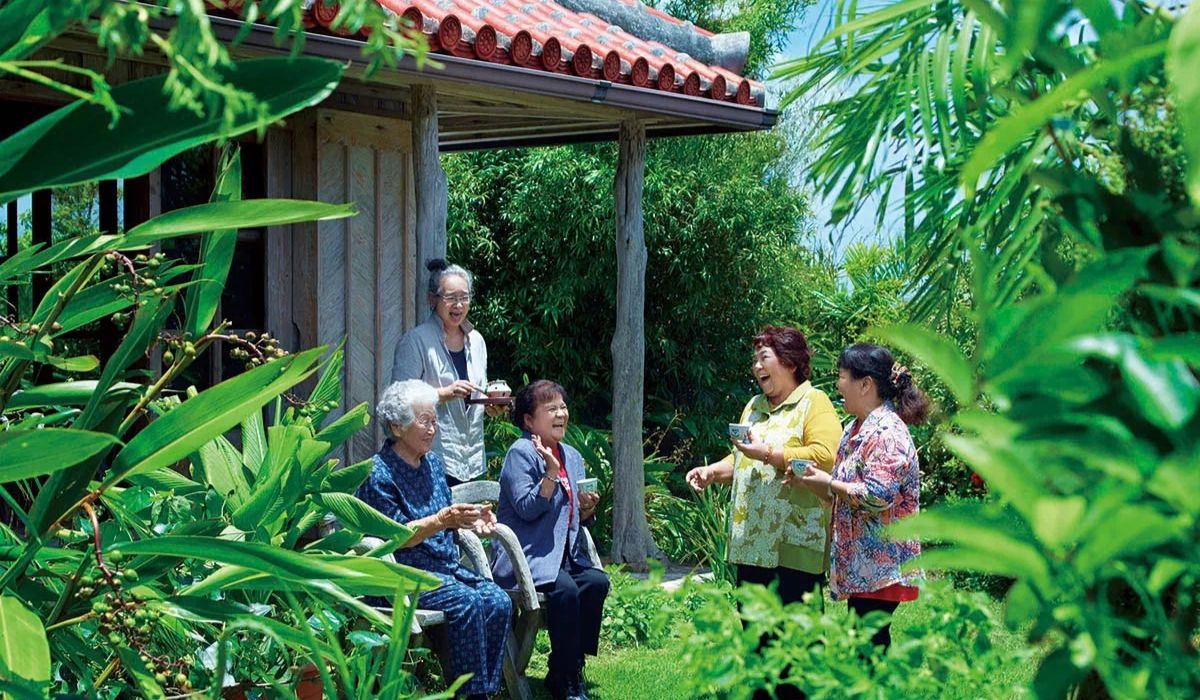
In a review published based on this work, researchers reported that more than a thousand centenarians had been examined by 2015 and described a profile characterized by a lower incidence of age-related diseases, as well as greater functional preservation compared to other studied groups.
According to researchers, there is no single factor that can explain the longevity observed in Okinawa.
Studies associate this situation with traditional dietary habits, movement incorporated into daily routines, consistent social networks, and familial genetic influence.
In peer-reviewed articles, members of the research team assert that siblings of Okinawa’s centenarians exhibit improved survival advantages compared to their respective generations, suggesting the involvement of biological heritage.
At the same time, the authors emphasize that genetics alone does not explain the phenomenon and that environment and lifestyle remain central to the analysis.
It is from this set of elements that Okinawa has come to be included among the so-called Blue Zones, areas popularized by journalist Dan Buettner as regions of exceptional longevity.
The classification projected Ogimi internationally.
Still, the topic has seen academic questioning regarding the quality of some demographic records and the risk of transforming a complex social reality into a simplified lifestyle model.
Traditional Okinawan Cuisine and the Purple Sweet Potato
In terms of diet, Ogimi is often remembered for a plant-based cuisine, with few processed ingredients and moderate portions.
Scientific reviews of the traditional Okinawan diet describe the historical consumption of sweet potatoes, vegetables, legumes, soy, and small amounts of fish, with low total caloric intake and high nutritional density.
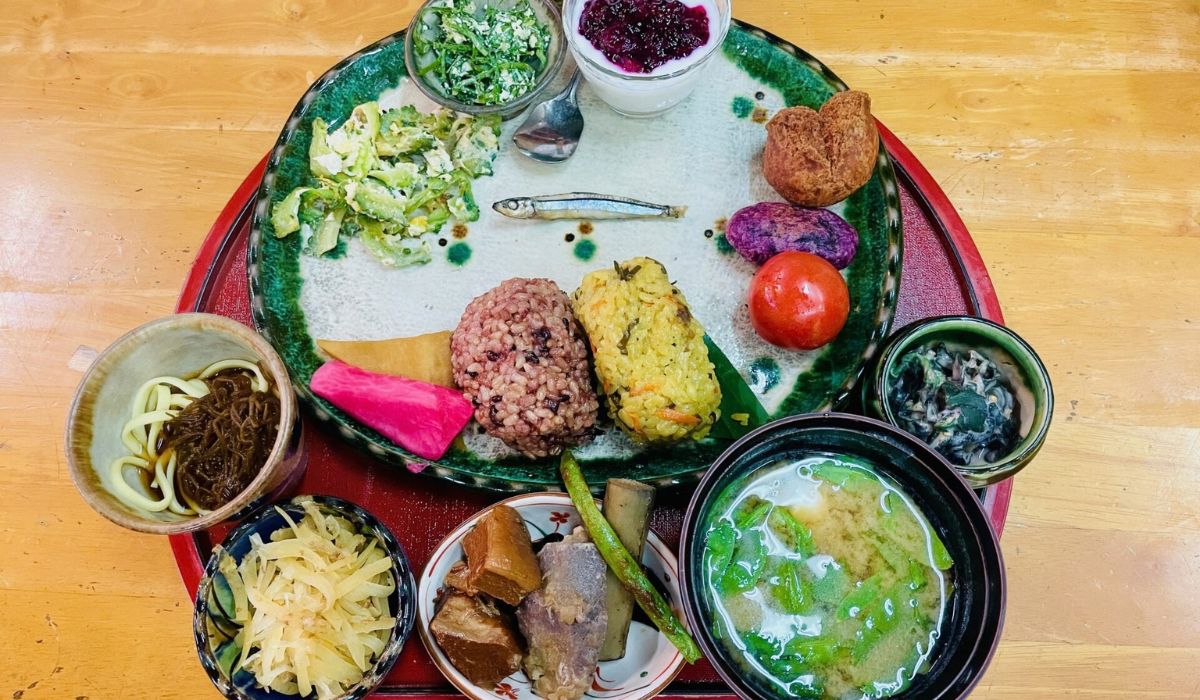
In this dietary pattern, the purple sweet potato gained prominence because, for decades, it played a central role in the diets of the older population.
Another habit often cited is hara hachi bu, a phrase used to guide the interruption of meals before complete fullness.
The scientific literature on the Okinawan diet mentions this practice as part of a pattern of dietary moderation that may have contributed to lower chronic exposure to excessive calories throughout life.
According to studies, the central point is not in an isolated formula, but in the combination of food quality, quantity consumed, and regularity of the habit.
Active Routine, Manual Labor, and Aging with Autonomy
In addition to diet, the routine of older residents often appears in studies as a relevant component.
Instead of formal exercises, what the literature and reports about the village describe are walking, working in gardens, household chores, and community participation well into advanced ages.
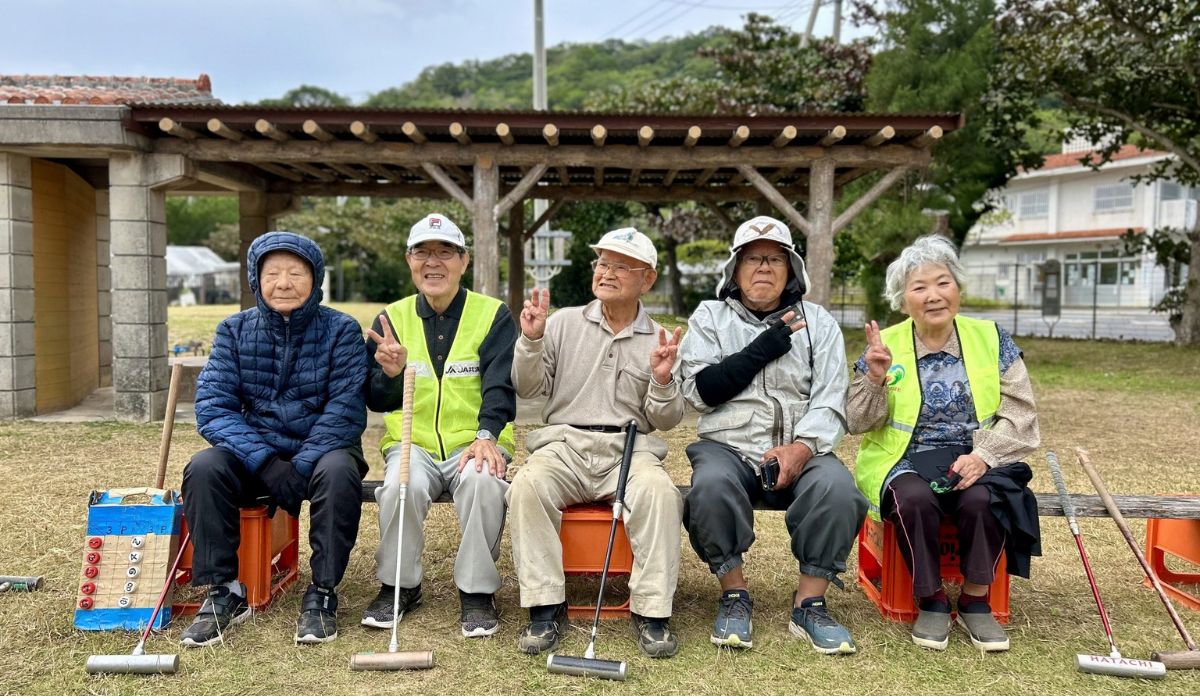
This physical effort, in this case, is distributed throughout the day, with low intensity and high frequency.
Studies on healthy aging indicate that this type of continuous movement is associated with the preservation of functional autonomy.
In Ogimi, this daily routine is also related to traditional activities that help maintain social bonds and a sense of belonging.
A local example is basho-fu, fabric made from banana tree fibers in Kijoka, a district of the village.
This craftsmanship remains recognized as cultural heritage and currently faces the challenge of training successors amid the aging population and decreasing number of specialized artisans.
Ikigai, Moai, and Social Ties in Okinawa
Another concept frequently associated with Japanese longevity is ikigai, a term used to express one’s reason for living or motivation to get up in the morning.
Recent publications on the Okinawa Centenarian Study treat the sense of purpose as a possible protective factor in aging, alongside resilience and community cohesion.
This does not mean, according to researchers, establishing an automatic relationship between purpose and increased life expectancy, but recognizing that perceived usefulness, routine, and social engagement often appear alongside better indicators of quality of life in old age.
Along with this, the tradition of moai helps explain why social life in Okinawa receives so much attention.
The term refers to support groups formed by friends or neighbors that remain close throughout life.
Reports about Okinawa and studies on social relationships and mortality indicate that lasting ties serve as protective factors against isolation, persistent stress, and health decline.
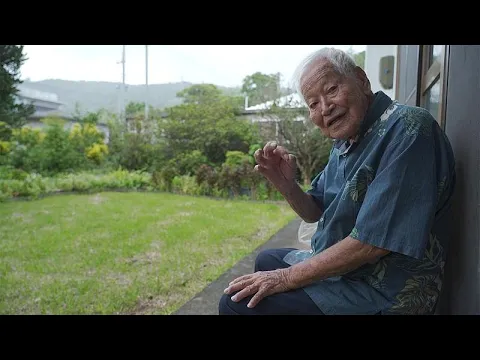

In a widely cited meta-analysis, researchers concluded that social connections exert a significant influence on mortality risk, in magnitude comparable to classic health risk factors.
Caveats About Longevity Data in Okinawa
The image of Okinawa as a territory immune to modern issues, however, does not find complete support in the most recent data.
Studies and demographic analyses show that the province has lost some of its historical advantage in male life expectancy since the 2000s, in a context associated with the Westernization of diet, increased obesity, and behavioral changes among younger generations.
More recent works report that Okinawa now faces some of the highest obesity rates in Japan, a scenario different from that which established the fame of its centenarians.
There is also debate about the robustness of some age records used to support narratives about longevity.







-

-

2 pessoas reagiram a isso.