





 Portuguese
  English
  Spanish
  4 min of reading
  0 comments



Ethanol, Although Cleaner and More Economical than Gasoline, Can Cause Oil Contamination and Accelerate Engine Wear If Used Improperly. Understand How Temperature and Lubrication Influence Vehicle Durability.
The exclusive use of ethanol in flex vehicles can cause undesirable effects on the engine, especially when the car is frequently used for short urban trips.
The explanation was detailed by mechanical engineer Kleber Willians in a video published on the Car UP channel on YouTube.
According to him, the fuel — although cheaper and less polluting — has technical disadvantages that affect lubrication and engine durability.
-
The heatwave in Brazil that hit in March is set to end as a cold front arrives between Good Friday and Easter Sunday, causing a temperature drop of up to 6 degrees and rain in the Central-South region, according to the Easter weather forecast.

-
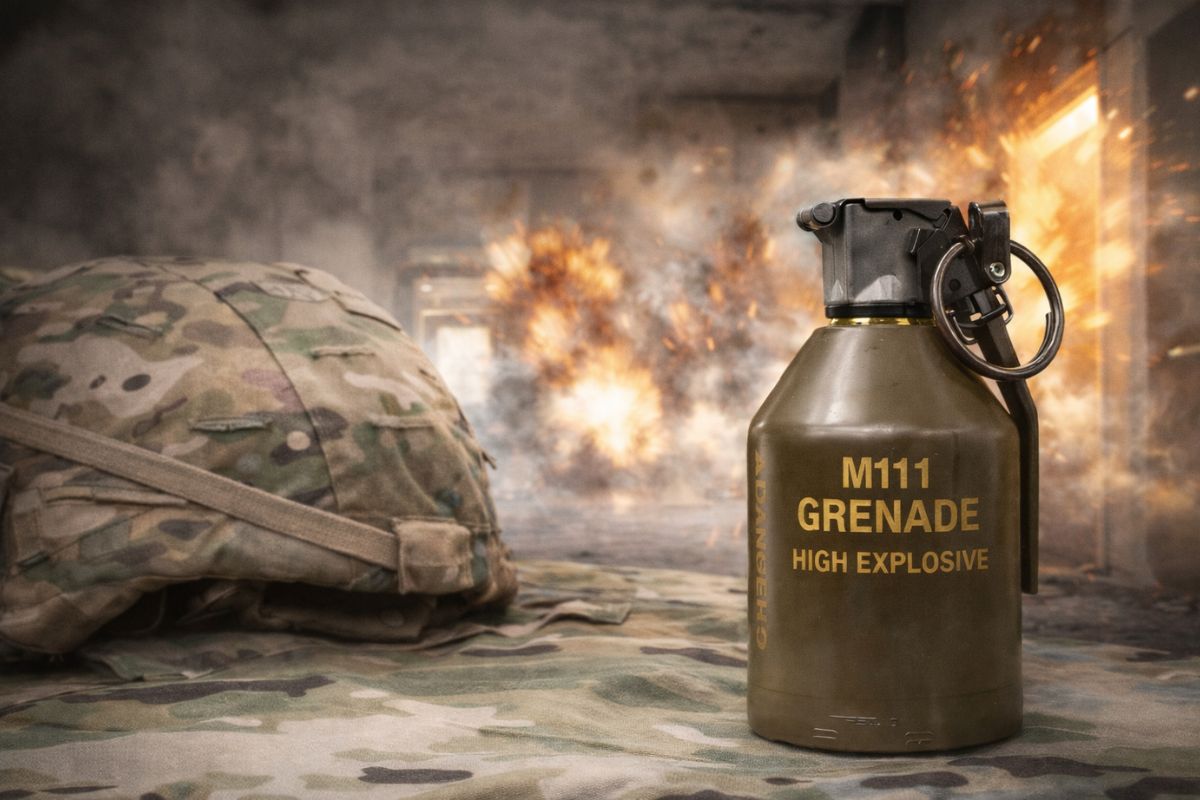
The U.S. Army has introduced its first new lethal grenade since the Vietnam War: the M111 kills using pressure shock waves that bounce off walls and can explode the enemy’s lungs without producing a single shard.
-
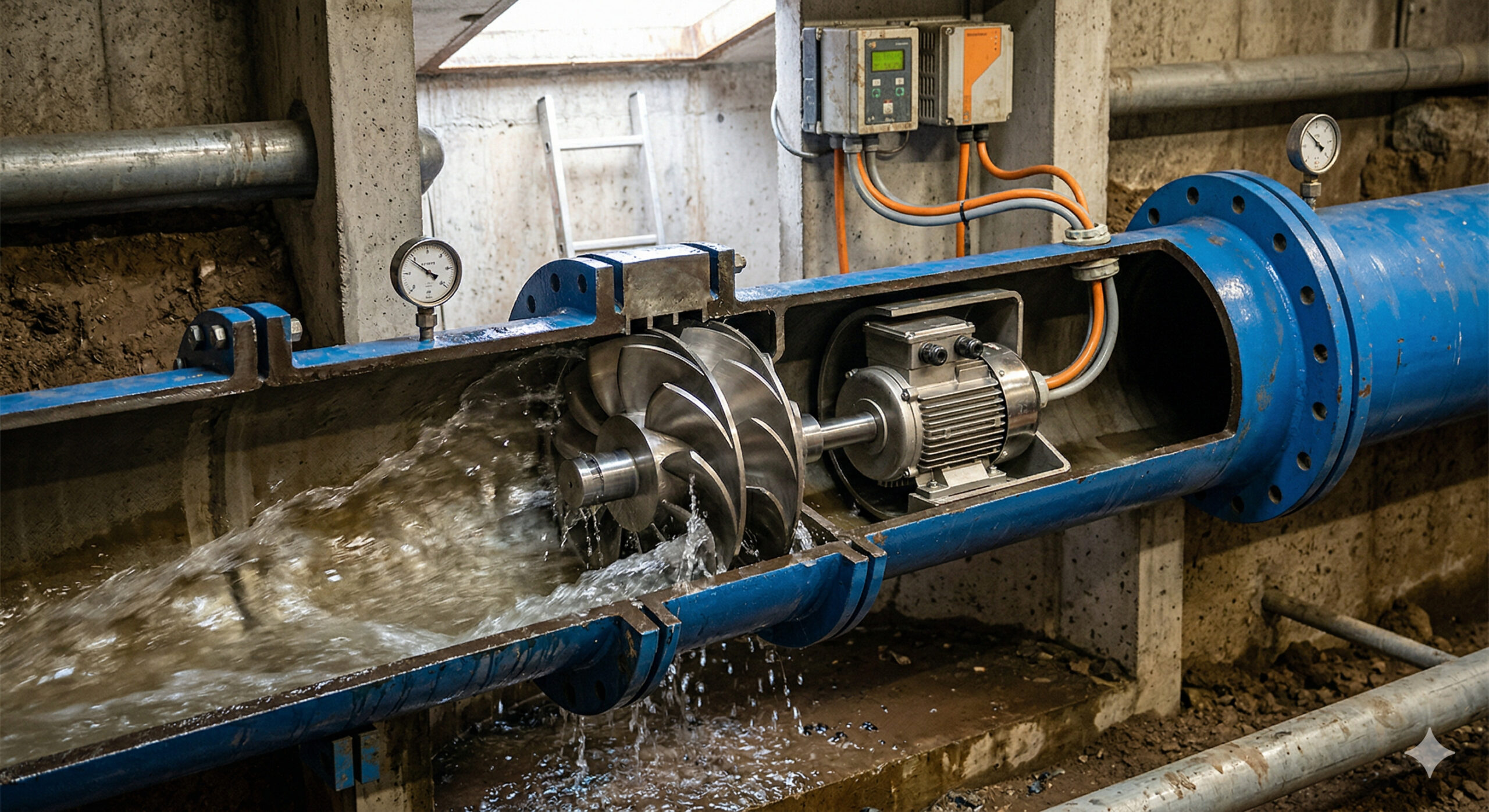
Engineers are replacing pressure valves with hydraulic microturbines within drinking water networks and are generating up to 1,100 MWh per year with in-pipe hydropower technology that harnesses energy previously wasted in urban pipelines.
-
Elon Musk focused on Brazil and lowered the price of Starlink, his internet service, but the question remains: is it worth it? An expert provides a detailed analysis of the internet that promises to connect any part of Brazil.


Ethanol Is Cleaner and Cheaper, but It Has Limitations
According to Kleber Willians, ethanol has been widely used in Brazil since the 1980s when the federal government launched the Proálcool Program to encourage the use of renewable fuels.
The engineer notes that the product has competitive pricing and a lower environmental impact due to emitting fewer pollutants during combustion.
However, he emphasizes that there is an important difference between alcohol and gasoline: the calorific power, meaning the fuel’s ability to convert into thermal energy.
“The combustion engine is a thermal machine. The more heat it receives, the more power it generates. And that’s precisely where ethanol falls short compared to gasoline,” he stated.
Difference in Calorific Power
As the specialist explained, the calorific power of gasoline is about 38 megajoules per kilogram, while that of ethanol is approximately 27 megajoules per kilogram.
This difference, combined with the presence of up to 4.9% water in hydrated ethanol sold at gas stations, causes the engine to take longer to reach the ideal operating temperature.
“When the engine is cold, internal wear is greater because the lubricant oil has not yet reached its optimal properties to reduce friction,” Kleber pointed out.
According to him, engines designed to operate at specific temperatures depend on this thermal balance to ensure performance and fuel efficiency.


Slow Heating and Accelerated Wear
While the engine does not reach the ideal temperature — around 90 °C — the lubricant oil does not achieve the proper viscosity.
This, according to Willians, creates a problem known as oil contamination by ethanol.
During cold starts, the system injects up to 30% more fuel when the car is fueled with ethanol compared to gasoline.
This excessive mixture may not be completely burned, causing part of the fuel to run down the cylinder walls into the crankcase.
“Ethanol ends up mixing with the lubricant oil and breaking the protective film that reduces friction between the parts,” explained the engineer.
“This fuel only evaporates and leaves the oil when the engine truly warms up, which takes longer than with gasoline.”
Oil Contamination and Reduced Engine Lifespan
According to the video from the Car UP channel, while the engine does not reach the ideal temperature, ethanol remains in the oil, degrading its properties.
The result is increased friction between pistons, rings, and cylinders, reducing the durability of the mechanical assembly.
Kleber Willians also commented that, even if the fuel does not cause immediate damage, the continuous use of only ethanol on short trips — where the engine does not fully warm up — accelerates internal wear.
“This is the main reason why it is recommended to alternate between ethanol and gasoline, especially for those who drive little or make short urban trips,” he noted.
Recommendation for Urban Use
As the engineer highlighted, gasoline allows the engine to reach its operating temperature faster, reducing the time of oil contamination and consequently, the wear of internal parts.
Therefore, the recommendation is that drivers who primarily use their cars for urban routes prioritize gasoline, especially on cold days.
“Gasoline helps the engine heat up faster, which preserves lubrication and prevents premature oil degradation,” he explained.
Ethanol Remains a Good Option — in Moderation
Despite the mentioned disadvantages, Kleber Willians emphasizes that ethanol is not a bad fuel.
On the contrary: it provides greater power, reduces the emission of polluting gases, and also decreases carbon buildup in the combustion chambers.
“Ethanol is an excellent fuel, but it is important to understand its limitations. When used in a balanced way, it brings benefits to both the engine and the environment,” stated the specialist in the video.
He added that, in hotter regions or for drivers making long and continuous trips, using pure ethanol does not pose significant risks.
The problem arises mainly in intense urban usage situations, with frequent starts and the engine constantly cold.
Balance Is the Key
Finally, Kleber Willians stressed that the ideal is to alternate refueling between ethanol and gasoline to maintain the balance between performance, economy, and durability.
“The important thing is to adapt the fuel to the vehicle’s usage routine. Each type of route directly influences how the engine reacts,” the engineer concluded.
The discussion on the topic raises an important question: with the advancement of flex technology, will new generations of engines be able to eliminate the disadvantages of ethanol in urban trips once and for all?






Seja o primeiro a reagir!