





 Portuguese
  English
  Spanish
  5 min of reading
  0 comments


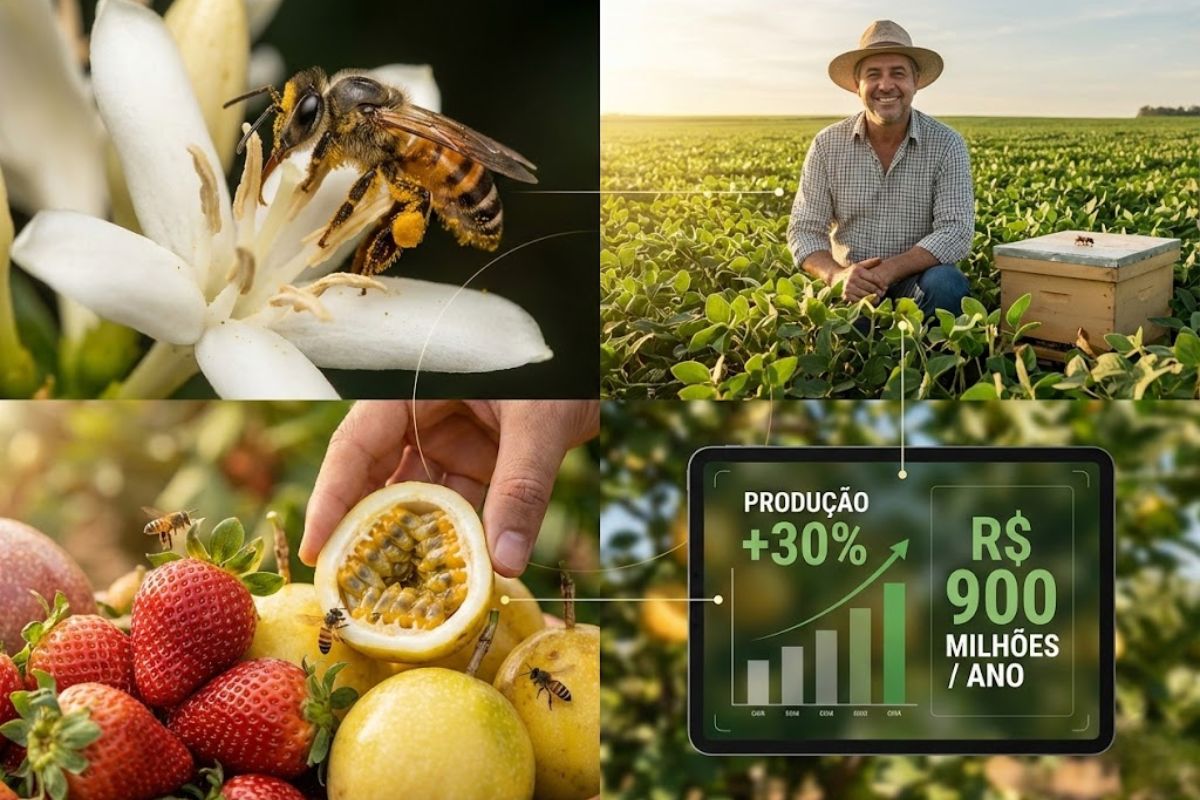
While Bees Without Stingers Help Increase Coffee, Soy, and Fruit Production by Up to 30 Percent, Beekeeping Generates About 900 Million Reais Per Year and Gains Space in Nursing Homes and Public Policies in the Interior of São Paulo, with Support from Producers, Researchers, and Actions by the City Hall.
In 2024, data from the IBGE and the Ministry of Agriculture indicate that honey production in Brazil reached 64 tons and generated about 900 million reais in the economy, a direct result of the silent work of bees in different regions of the country. Far beyond the jars of honey on the shelves, these insects ensure the pollination of entire crops and help secure the income of farmers who depend on every bag harvested.
In the interior of São Paulo, this potential appears even more concrete. In São José do Rio Preto, municipal policies encouraging the activity have opened up space for projects that place bees without stingers in nursing homes, bringing the elderly closer to nature and, at the same time, strengthening agricultural production on rural properties in the region.
Bees Without Stingers Find Home in Nursing Home and Become Living Therapy
The beekeeper Davi set up boxes of bees without stingers inside a nursing home in São José do Rio Preto, transforming an urban space into a shelter for colonies that previously only appeared in the countryside.
-
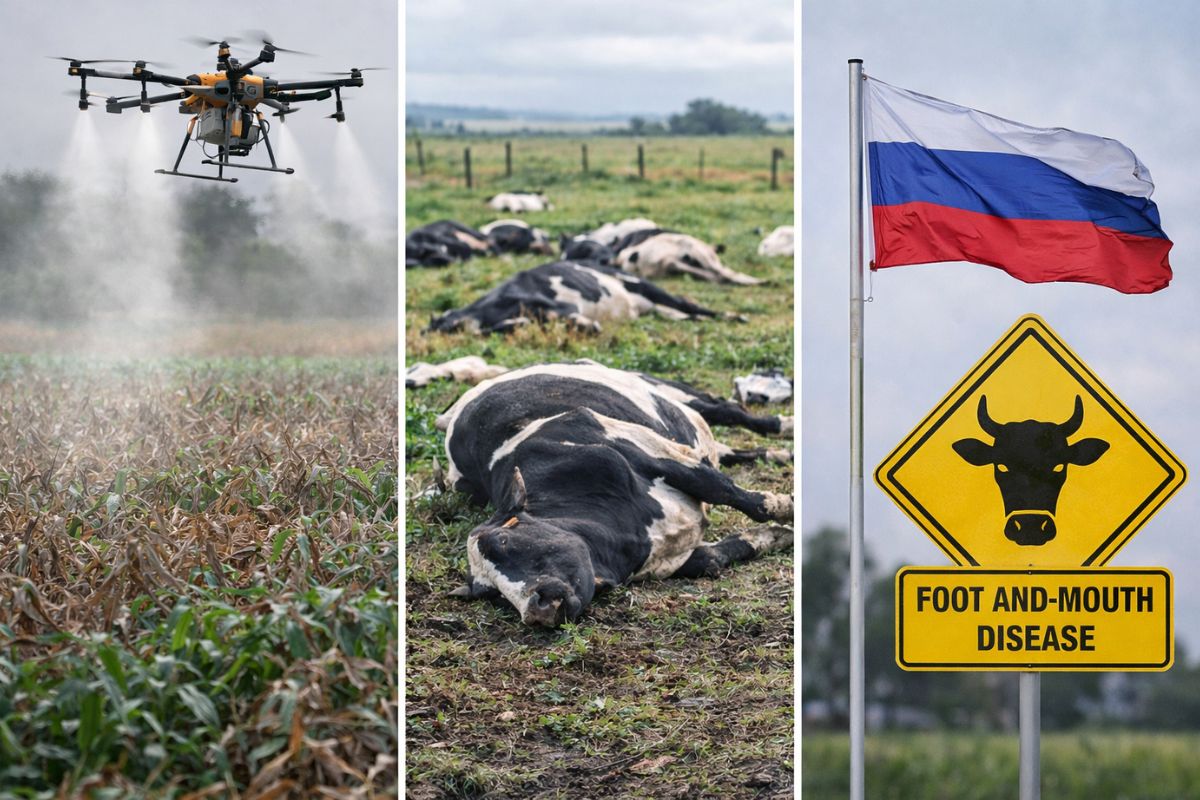
Agricultural drone sprayed poison into the air and destroyed the neighbor’s crops, causing 1 million in damages; 48 cows died from nitrite poisoning in the pasture, and Russia is hiding a possible outbreak of foot-and-mouth disease: the week was brutal for the rural sector.
-
Russia cut fertilizers, China cut fertilizers, and oil prices soared with the war in the Middle East: sugarcane producers in the interior of São Paulo are seeing costs explode from all sides and warn that the effects will take months to be absorbed.

-
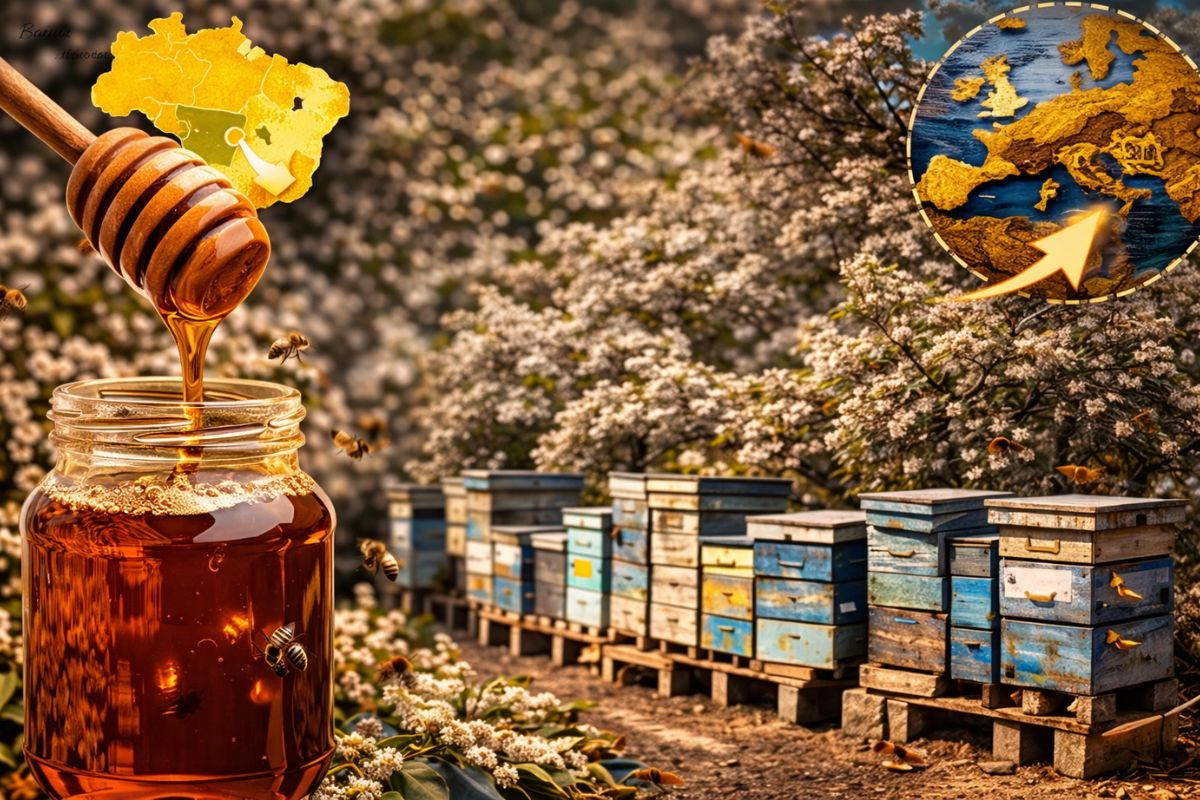
It does not come from flowers, is produced only every two years, and more than 90% goes straight to Europe: meet the bracatinga honeydew honey from Santa Catarina, considered one of the rarest in the world and overlooked by Brazil itself.
-
They said no to 26 million dollars and would do it all over again: mother and daughter from Kentucky reject a million-dollar offer from a mysterious company that wants to build the largest data center in the state on more than 2,000 acres of rural land.


According to him, the swarms pose no risk to the residents, as these bees do not have stingers, allowing for safe coexistence with the elderly.
The idea began because of a centenarian resident, who has been passionate about bees since his youth. Davi brought one box, then another, and the project grew.
The elderly man was able to see up close the bees he knew from nature, now organized in managed hives, until he turned over 100 years old.
For the institution, the beekeeping became a kind of living therapy, bringing movement to the courtyard and stimulating the curiosity of those living there.
Bees Strengthen Crops and Increase Harvests by Up to 30 Percent
In addition to the nursing home, Davi maintains a colony of bees on a rural property. He reports that when beekeepers placed boxes in the crops, there was a combination with the producers to avoid using insecticides during the pollination period, preserving the swarms and ensuring an essential environmental service.
With the intense presence of bees in the cultivation area, the difference in the harvest was noticeable. The farm’s average productivity was 20 to 30 percent higher than other producers in the region who cultivated the same product but without the same pollination management.
This gain, obtained solely through the presence of bees, means more bags per hectare, more revenue, and less waste of the plant’s potential.
Bee Rescue Becomes Business, Partnership with Firefighters, and Environmental Protection
Another beekeeper, Rafael, built a business focused on rescuing bees. He removes hives from homes, buildings, trees removed by the city, and other locations where swarms are not welcome, relocating the colonies to suitable boxes and safe management areas.
The idea began when he found an exposed swarm after a truck passed on a dirt road. With a simple box, he made the first rescue and realized that there was no one in the city specialized in this type of service.
From then on, he established partnerships with the Fire Department, city hall, zoo, and environmental agencies. Today, whenever there are fallen trees or a need for removal, he is called to save the bees, which are already listed as threatened species.
The honey, he says, comes later, almost as a result of a work that prioritizes pollination and preservation.
Bees Support 76 Percent of Plants Used in Food Supply
According to a survey by the Ministry of Agriculture and Livestock cited in the report, about 76 percent of plants that produce food in Brazil depend on animal pollination, especially bees. Without this help, the production of various crops collapses or becomes economically unfeasible.
Researchers explain that there are three major groups of plants.
The first consists of crops that depend on bees, where, without these insects, there is almost no production.
This is the case for melons, passion fruit, and apples produced in the South region, crops where the absence of bees would drop the harvest to levels so low that it would not justify investing in the plantation.
The second group encompasses crops that benefit from the presence of bees. Even if they can produce on their own, productivity significantly increases when there is intense pollination.
This group includes coffee, citrus, and soy, which are now some of the cornerstones of Brazilian agribusiness.
Who wouldn’t want 30 percent more grains or fruits just with proper management of bees on the property.
Honey Market Grows with Bees and Still Has Room to Expand in Brazil
The researcher also emphasizes that the impact of bees is not limited to pollination. The honey chain generates robust values and continues to have room for expansion.
According to IBGE, honey production in Brazil reached 64 tons in 2024, generating about 900 million reais. The state of São Paulo ranks as the sixth largest producer in the country.
There are small beekeepers who extract honey and sell it directly in the city, as well as large cooperatives and producers that export with certification and quality control.
Due to the diversity of plants in the Brazilian flora, national honey is considered of high nutritional quality compared to others offered in the international market, which opens doors and adds value to products coming from hives.
Another highlighted point is consumer habits. In Brazil, many people still see honey almost as a medicine, consuming it only when they have a cold or a sore throat.
For specialists, this is a waste, as honey is a complete food and, in several countries, is part of the daily routine, not just for moments of illness. Expanding internal consumption means further strengthening the work of beekeepers.
Bee Management Requires Technique, Patience, and Constant Care
From the outside, one might think it’s simple to keep a few boxes in the backyard, but managing bees requires knowledge and routine.
Producers report that there are specific techniques for multiplying swarms, keeping colonies strong, and ensuring that they continue reproducing and occupying the rural landscape in a healthy way.
The goal is always to keep the bees at a strength level that allows for both honey production and the natural release of new swarms into the wild, reinforcing the population of these insects.

Did you imagine that so many bees are behind the food that reaches your table and the income of thousands of families in the countryside?









-

3 pessoas reagiram a isso.