





 Portuguese
  English
  Spanish
  4 min of reading
  0 comments


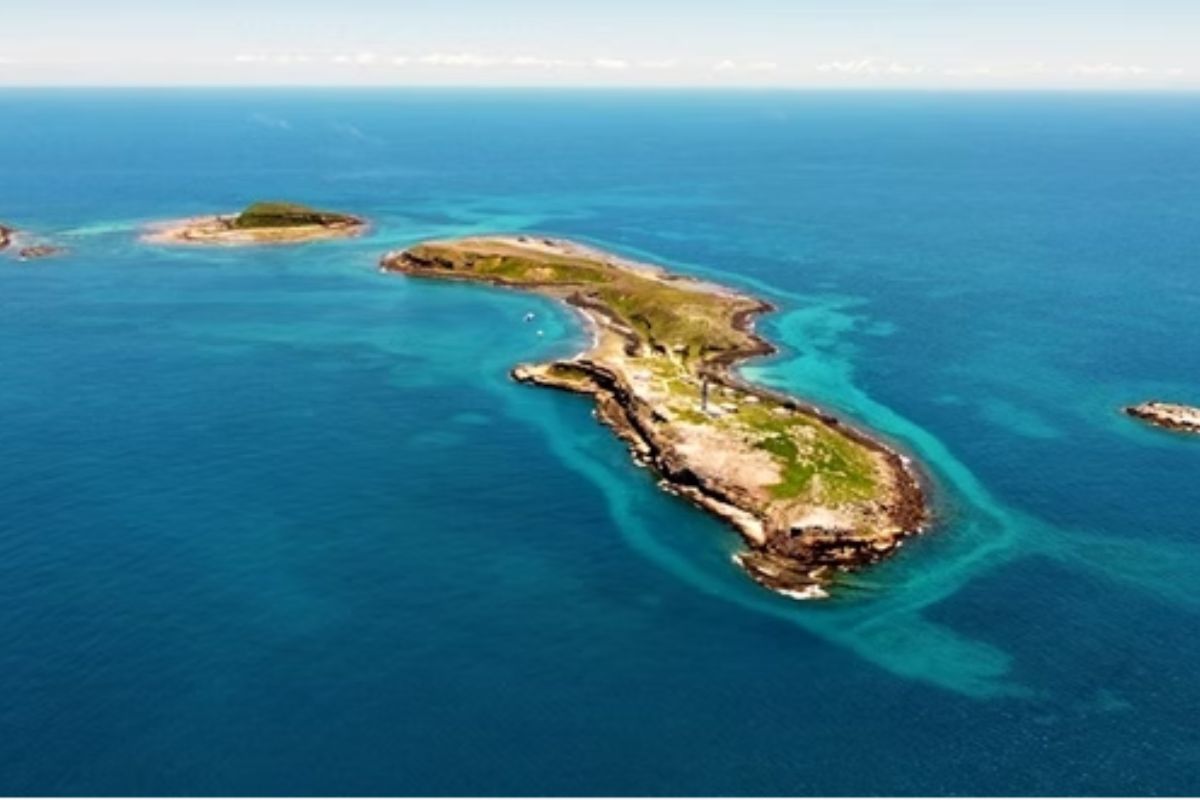
WWF-Brasil and ICMBio Study Shows That Abrolhos Transforms Biodiversity into Business with Tourism, Fishing, and Conservation Units in Southern Bahia and Northern Espírito Santo.
Abrolhos has become a direct example of how environmental conservation can generate income without destroying what sustains the local economy itself. A groundbreaking study by WWF-Brasil, in partnership with ICMBio, indicates that marine and coastal conservation in the Abrolhos Region is linked to job creation and economic activity.
According to the survey, Abrolhos generated R$ 1.9 billion and sustained 100,000 jobs in 2024, driven mainly by tourism, fishing, and the management of Conservation Units. The central takeaway is pragmatic: protecting the environment also yields financial returns.
What the Study Reveals About the Economy of Abrolhos
The study directly connects conservation and economic activity in the Abrolhos Region, located between southern Bahia and northern Espírito Santo. The scope includes sectors such as tourism and fishing, which depend on environmental quality to maintain visitor flow, productivity, and income.
-
A category 3 tropical cyclone is advancing over Oceania, and it may gain extreme strength in the coming days, increasing the risk of heavy rain, destructive winds, and rough seas that are affecting the region.
-
Neither Coca-Cola nor Pepsi wins the dispute for the healthiest zero-calorie soda in Brazil, according to experts who analyzed the sodium and sweeteners of each brand.

-
The Civil Defense issued a red alert amid the advance of the cold front in southern Brazil, where instability is increasing and the chance of problems is becoming more serious.
-
South Korea’s intelligence agency claims to have reliable information that Kim Jong-un’s teenage daughter has already been chosen as his successor and is being prepared to lead North Korea by driving tanks and shooting rifles.

The data reinforces an idea that often remains abstract: biodiversity can be an economic asset, and not just a preservation issue. In Abrolhos, this is reflected in reais, jobs, and productive chains that are sustained precisely because the territory remains preserved.
Conservation Units as “Infrastructure” for Employment and Income
The Conservation Units appear as a strategic piece for Abrolhos. According to the study, they were directly and indirectly responsible for over 29,000 jobs and an injection of R$ 536.3 million into local economies.
This represents about 30% of jobs and 28% of economic activity related to fishing and tourism in Abrolhos. In practice, protected areas function as a kind of invisible infrastructure, sustaining work and income without needing to give up natural heritage.
Parks and Reserves that Attract Visitors, Revenue, and Jobs
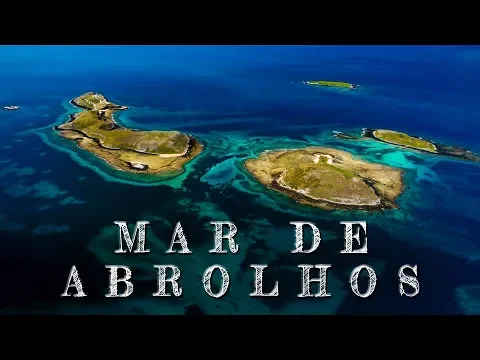

The survey also details some specific engines within Abrolhos. The Abrolhos Marine National Park recorded 16,000 visitors in 2024, generating R$ 7 million in the local economy.
Meanwhile, the Municipal Park Recife de Fora attracted over 73,000 tourists and generated R$ 51 million for the economy. The extractive reserves of Canavieiras, Corumbau, and Cassurubá account for over 18,000 jobs, with R$ 330 million in economic generation.
This set shows that preservation does not paralyze the economy; it organizes and expands the potential of the territory.
Tourism Leads Income in Abrolhos and Fishing Maintains Productive Base

Being a preserved region with unique natural beauty, tourism emerges as the main financial driver in Abrolhos. In 2024, it generated nearly 22,000 direct jobs and R$ 611.5 million in income, along with indirect effects that amplify these numbers.
Artisanal fishing is also described as essential, with over 10,000 direct jobs and a strong multiplier effect on the local economy. Here, the logic is one of balance: tourism boosts income and services, while fishing maintains production and the economic identity of the region.
Indirect Effects Can Multiply the Impact of Abrolhos
Conservation analyst Marina Corrêa from WWF-Brasil points out that the impact goes beyond what appears in the “face value” number. According to her, when considering indirect effects, the total number of jobs nearly triples and the income generated more than doubles.
This is a central part of the argument: Abrolhos does not only stimulate the sector that is in the water, but also accommodation, food, transport, commerce, boat maintenance, supply chains, and services related to tourism and fishing.
How the Study Measured the Numbers of Abrolhos

The analysis was based on official data and an input-output matrix, a methodology used to measure direct and indirect impacts on the economy.
As the survey considered only part of the protected areas with available data, the researchers indicate that the real effects may be even greater.
This detail reinforces the economic reading: the final number may be underestimated, precisely due to data limitations in some areas, and not due to a lack of activity.
Biodiversity as an Asset: Reefs, Mangroves, and Humpback Whales
The Abrolhos Region is described as rich in biodiversity, with strategic ecosystems such as coral reefs and mangroves, as well as emblematic species like humpback whales.
Recognized as a “Hope Spot” by Mission Blue, the area is considered fundamental for marine conservation in the South Atlantic.
In the end, the message of the study is clear: investing in Abrolhos means protecting nature and strengthening local economies, with job creation and sustainable development.
Do you think Brazil should use Abrolhos as a model and increase investments in conservation as an economic strategy, or does this still face resistance due to short-term political considerations?







Seja o primeiro a reagir!