





 Portuguese
  English
  Spanish
  4 min of reading
  0 comments


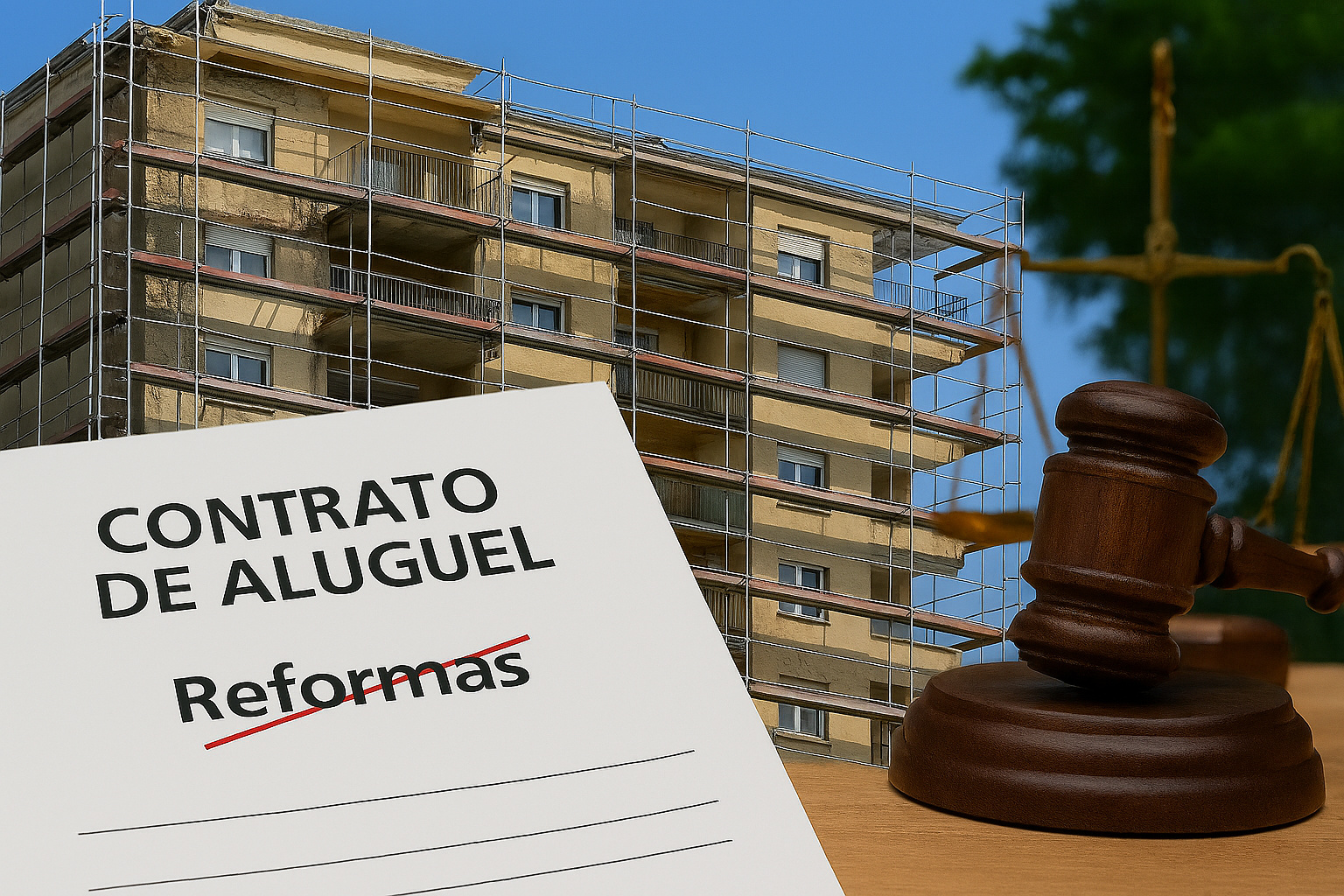
Clauses That Require The Tenant To Make Structural Repairs In Rented Properties Are Considered Abusive By The Courts, Confirming That Large Expenses Must Be Borne Exclusively By The Owner Under The Law.
The relationship between landlord and tenant often raises questions about who should pay for repairs and construction in rented properties. Although the practice of including clauses that transfer the obligation of making structural repairs to the tenant is common in some contracts, Brazilian courts have reiterated that this type of provision is abusive. The Tenancy Law (Law No. 8,245/1991) is clear in stating that it is the owner’s responsibility to maintain the structure of the property in good condition for use, which includes major repairs and essential work for the safety of the building.
What Are Structural Repairs in the Rented Property
Structural repairs go beyond simple maintenance repairs. They encompass work that involves the safety, stability, and functionality of the property, such as:
- Replacement of a damaged roof;
- Reinforcement of foundations;
- Replacement of old plumbing that presents a risk;
- Corrections of serious cracks or structural leaks.
According to the legislation, the tenant has the obligation to take care of the good use of the asset, bearing the costs of small repairs and fixes resulting from natural wear and tear, such as painting, replacing the showerhead resistor, or maintaining faucets. Major interventions cannot be transferred to them.
-
The noise law will no longer be in effect at 10 PM starting in June with a new rule valid during the 2026 World Cup.

-
The Chamber opens a debate on driver’s licenses at 16 years old as part of a reform that includes around 270 proposals to change the Brazilian Traffic Code and may redesign rules for licensing, enforcement, and circulation in the country.

-
The new Civil Code could revolutionize marriages in Brazil with “express divorce” and changes that could exclude spouses from inheritance.
-
Banco do Brasil sues famous influencer for million-dollar debt and intensifies debate on delinquency, risks of seizure, and direct impact on Gkay’s credibility.



What The Tenancy Law Says
Article 22 of the Tenancy Law defines as the landlord’s obligation to deliver the property in usable condition and to maintain it throughout the rental period. This includes necessary repairs to its structure, electrical and plumbing systems, as well as conservation work.
On the other hand, Article 23, which addresses the obligations of the tenant, is limited to routine care and simple repairs. Thus, any clause that attempts to invert this responsibility is considered null, as it places the tenant at an excessive disadvantage, which is also supported by the Consumer Defense Code.
Jurisprudence Reinforces The Illegality of The Clause
In recent years, courts in different states have annulled clauses that required tenants to make structural repairs. In recent decisions, judges asserted that this practice violates contractual balance and transfers to the tenant a burden that does not belong to them.
An example comes from the São Paulo Court of Justice, which considered abusive the requirement for a repair in the roof of a building made to the tenant, determining that the costs should be borne by the owner. In other states, such as Rio de Janeiro and Minas Gerais, similar decisions reinforced that the property owner is legally responsible for this type of expense.
Difference Between Maintenance and Structural Work
The major confusion that leads to litigation lies in the difference between maintenance and structural work.
- Maintenance: small part replacements, simple repairs, and daily usage expenses (tenant’s responsibility).
- Structural Repair: large-scale work that ensures the habitability and safety of the property (owner’s responsibility).
This distinction is fundamental to avoid abuses and clarify the rights and duties of both parties.
Tenant’s Rights Regarding Abusive Clauses
If the contract contains a clause that shifts structural repairs to the tenant, the tenant can refuse to fulfill this obligation and, if necessary, file a lawsuit to enforce their rights.
The courts usually declare the clause null, ensuring that the costs are borne by the property owner. Additionally, if the tenant has incurred undue expenses, they can request reimbursement and even compensation in cases of proven bad faith.

Impact on The Real Estate Market
The decisions of the courts have an educational effect, encouraging real estate agencies and property owners to review their contracts and avoid abusive clauses. For tenants, legal security and confidence in entering into rental agreements are reinforced. The settled understanding contributes to a more balanced market, where obligations and rights are respected according to the law.
The attempt to transfer structural repairs to the tenant is a practice considered abusive and null by the courts. It is the owner’s responsibility to bear the costs of major works, ensuring the safety and functionality of the property. For tenants, understanding the law is essential to avoid losses and to demand that contracts respect their rights.










-

-

-

-

28 pessoas reagiram a isso.