





 Portuguese
  English
  Spanish
  4 min of reading
  46 comments


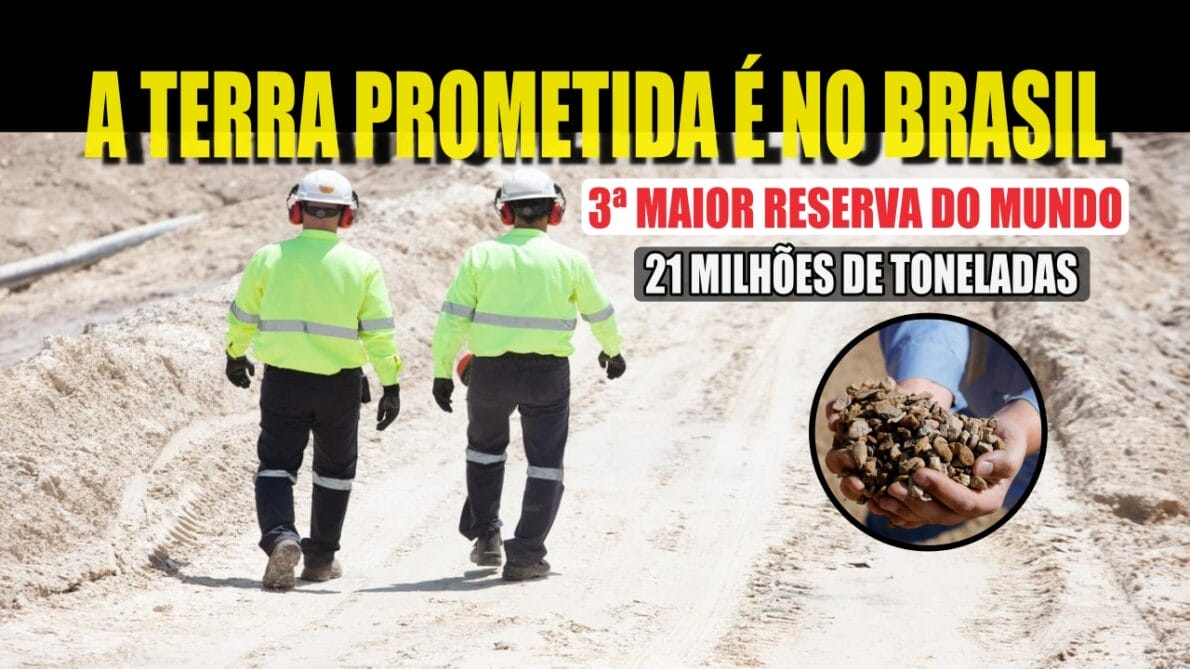

Brazil Is a Reference in Iron Ore and Gold Extraction. Lithium and Niobium Are Already Realities, and Rare Earths Will Bring Even More Economic Development to the Country.
Brazil is a reference in the extraction of iron ore, niobium, gold, lithium, and niobium. Now, with an estimated rare earth deposit of 21 million tons, according to the Brazilian Institute of Mining (IBRAM) and the Geological Service of Brazil (CPRM), the country has the potential to become one of the five largest producers of rare earth minerals globally in the coming years. This potential could generate revenues of tens of billions of dollars.
Rare earths are essential in the manufacture of advanced technologies, such as electronics, clean energy, electric vehicles, and medical applications.
Rare Earth Minerals: What Are They, Where Are They Found, and How Are They Used in Our Daily Lives?


Although Brazil Ranks Third in the World, Its Extraction Is Limited
Brazil holds the third position globally, alongside Russia, with a rare earth reserve estimated at 21 million tons. The largest reserves are in China (44 million tons) and Vietnam (22 million tons). However, Brazil’s extraction is limited, coming from remaining monazite reserves in a decommissioned unit in Buena, Rio de Janeiro.
-
Historic bankruptcy of Centauro shocks the market, and the century-old company puts more than 500,000 products, machines, and complete infrastructure up for online auction.

-
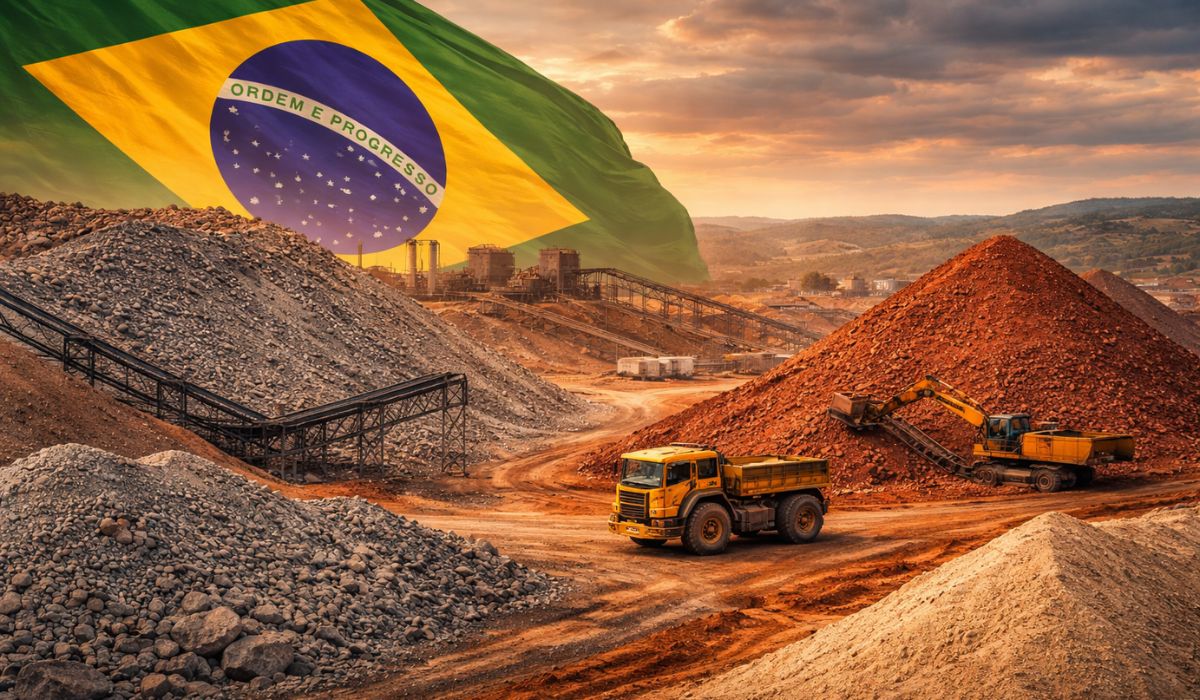
Brazil extracts 26.3 million tons of ore from what was previously treated as waste, transforming residues into wealth, producing over 3 million tons of sand, and demonstrating how national mining is relearning to generate value.
-
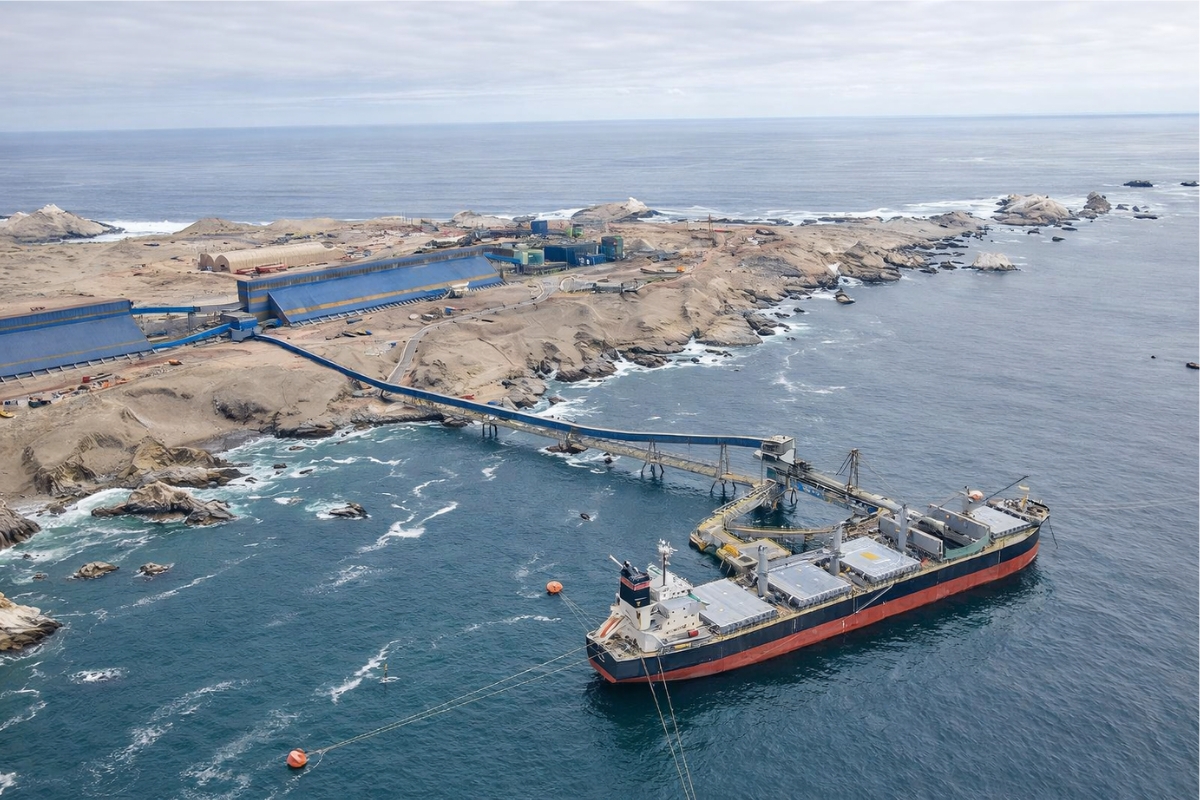
A $3.5 billion megaproject in Latin America pumps desalinated seawater at 1,050 liters per second over 194 km to keep a copper supermine in the Andes operational for another 20 years.
-
New shoe factory in Ceará is expected to create 400 jobs and strengthen the local economy.

The Ministry of Mines and Energy (MME) is developing a new policy to assess the productive potential and the socioeconomic and environmental characteristics of mining projects, ensuring that the activity is safe, sustainable, and generates social development and jobs, increasing Brazil’s competitiveness.
The High Added Value of Rare Earths Compared to Traditional Minerals
The value of a ton of neodymium oxide, one of the most valuable rare earths, can reach US$ 75,000, while the price of iron ore is about US$ 120 per ton. This comparison highlights the high added value of rare earths compared to traditional minerals.
There are feasibility studies for mining in Araxá-MG, Morro do Ferro-MG, Serra Verde-GO, Pitinga-AM, Foxfire-BA, and Energy Fuels-BA. The project in Poços de Caldas, in southern Minas Gerais, is in an advanced stage and is expected to start operations in 2026.
Government Will Invest R$ 1.5 Billion in the Next Three Years
Recently, the National Secretary of Geology, Mining, and Mineral Transformation of the MME, Vítor Saback, visited the Caldeira Project of Meteoric Resources in Poços de Caldas, where R$ 1.5 billion will be invested in the next three years.
The project, which comprises 51 mining processes, is expected to generate 500 direct jobs and 1,500 indirect jobs from the start of operations.
Lithium, Iron, and Niobium Are Already Realities, and Promoting the Extraction of Strategic Minerals Is a Priority for the MME to Position Brazil as One of the Largest Producers of Rare Earths in the World
“Minas Gerais is a traditional reference in the extraction of iron ore and gold. In recent years, the state has advanced in the mining of other fundamental substances, putting Brazil in the spotlight in the international economy. Lithium and niobium are already realities, and rare earths will bring even more economic and social development, generating jobs and income for the population,” said the Minister of Mines and Energy, Alexandre Silveira.
Accompanied by Inácio Cavalcante Melo Neto, president of the Geological Service of Brazil (SGB), Vítor Saback highlighted that in addition to lithium, iron, gold, and niobium, promoting the extraction of strategic minerals is a priority for the MME. He emphasized the importance of rare earths in the production of clean and renewable energy, which is receiving special attention from the technical teams.
“The Caldeira Project is promising, as are many others under study in the country. In a few years, we could be among the three largest producers of rare earths in the world, reducing international dependence on this mineral,” Saback stated.
Exploration of Rare Earths in Brazil Promises to Generate Billions of Dollars in Revenues and Position the Country as a Global Leader in the Production of Essential Minerals
Besides the potential of rare earths, Brazil is already a major exporter of iron ore. In 2022, the country earned about US$ 41 billion from the export of this mineral, according to data from the Ministry of Economy. The exploration of rare earths in Brazil could become an economic pillar as significant as soy, generating billions of dollars in revenues and positioning the country as a global leader in the production of essential minerals for emerging and sustainable technologies.
I would love to know if you have heard of rare earths. Let us know in the comments section if you are a professional in mining, steelmaking, or related fields. Don’t forget to turn on CPG notifications to keep up with all the news from Brazil and around the world. See you next time!







Terra prometida para quem? Com este governo, o povo nunca irá usufruir de nada que esta terra tem a oferecer.
COM OS POLÍTICOS QUE TEMOS, COMO O ATUAL DESGOVERNO SOCIALISTA DO PT, PSOL, PSD, ETC, LOGO LOGO VAI ENTREGAR PARA CHINA.
Toda riqueza de um país contribui precipuamente para aumentar os privilégios e enriquecimento das classes dominantes, ou seja, dos governantes e autoridades dos três poderes