





 Portuguese
  English
  Spanish
  2 min of reading
  0 comments


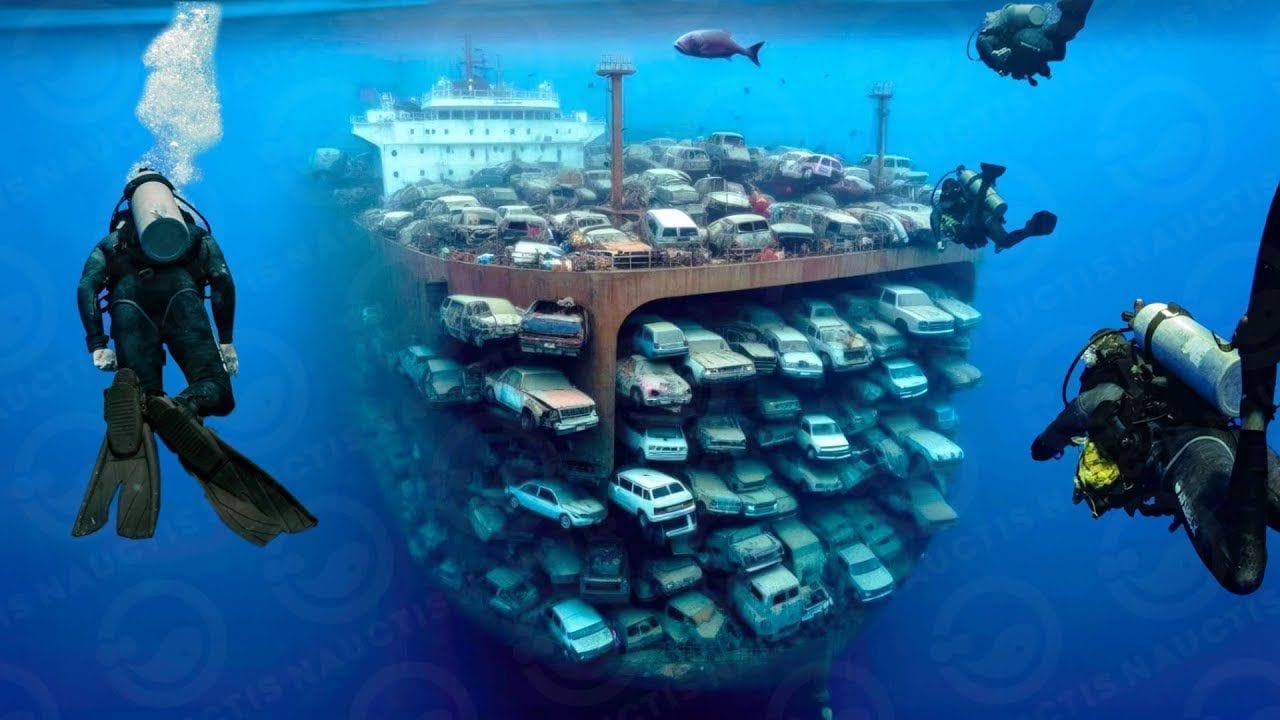
From the Rescue Operation of MV Tricolor to the Sinking of Golden Ray, the Challenges and High Costs Involved in Salvage Operations for Sunken Ships Reveal a Complex and Costly Side of Maritime Navigation.
Even with significant advances in maritime technology and safety, ship accidents remain a disturbing reality, bringing to light rescue operations that are as challenging as they are costly. Shipwrecks, especially those involving valuable cargo like luxury cars, highlight the efforts and exorbitant financial resources needed to mitigate losses and environmental damage.
MV Tricolor: A Multimillion-Dollar Rescue Operation
In December 2002, the MV Tricolor, transporting 3,000 cars from Belgium to England, met its fate in the cold waters of the French sea after a collision. The complex rescue operation involved not only the removal of oil to prevent environmental disasters but also the innovative technique of cutting the ship into sections to facilitate the rescue, an endeavor that took months to complete.
Golden Ray: An Engineering Challenge and Financial Loss
Another striking example is the Golden Ray, which capsized near the port of Brunswick, Georgia, in 2019. Transporting 4,100 cars, including vehicles from Mercedes and Chevrolet, the accident resulted in a loss exceeding 20 million dollars. The rescue operation, involving about 3,000 people and the division of the ship into parts, highlighted the logistical challenges and astronomical costs involved in recovering a ship of this magnitude.
-
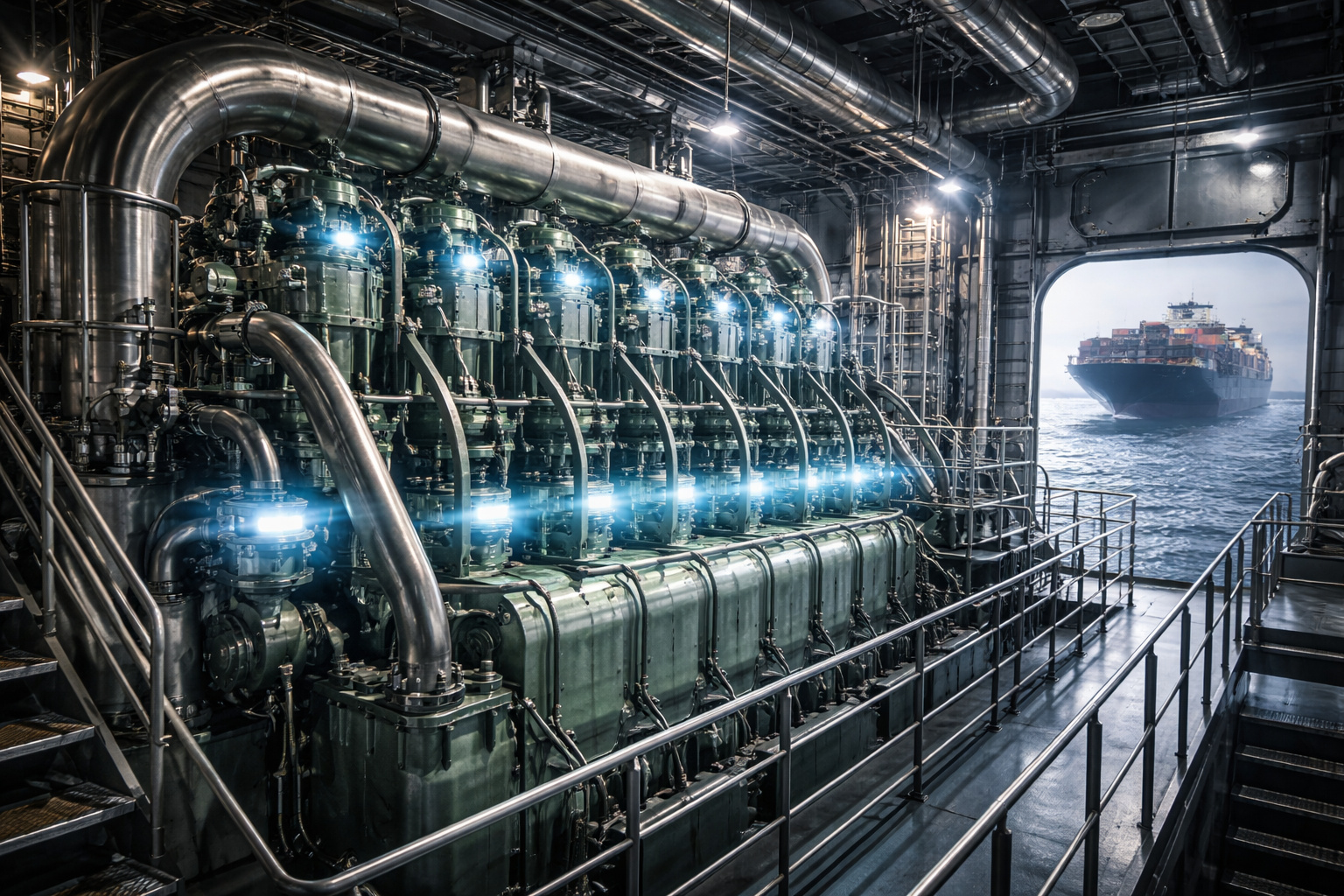
Europe is trying to create an ammonia-powered marine engine without auxiliary fuel, which could unlock the race for giant emission-free ships. The technology aims to eliminate one of the biggest obstacles to clean maritime propulsion.
-
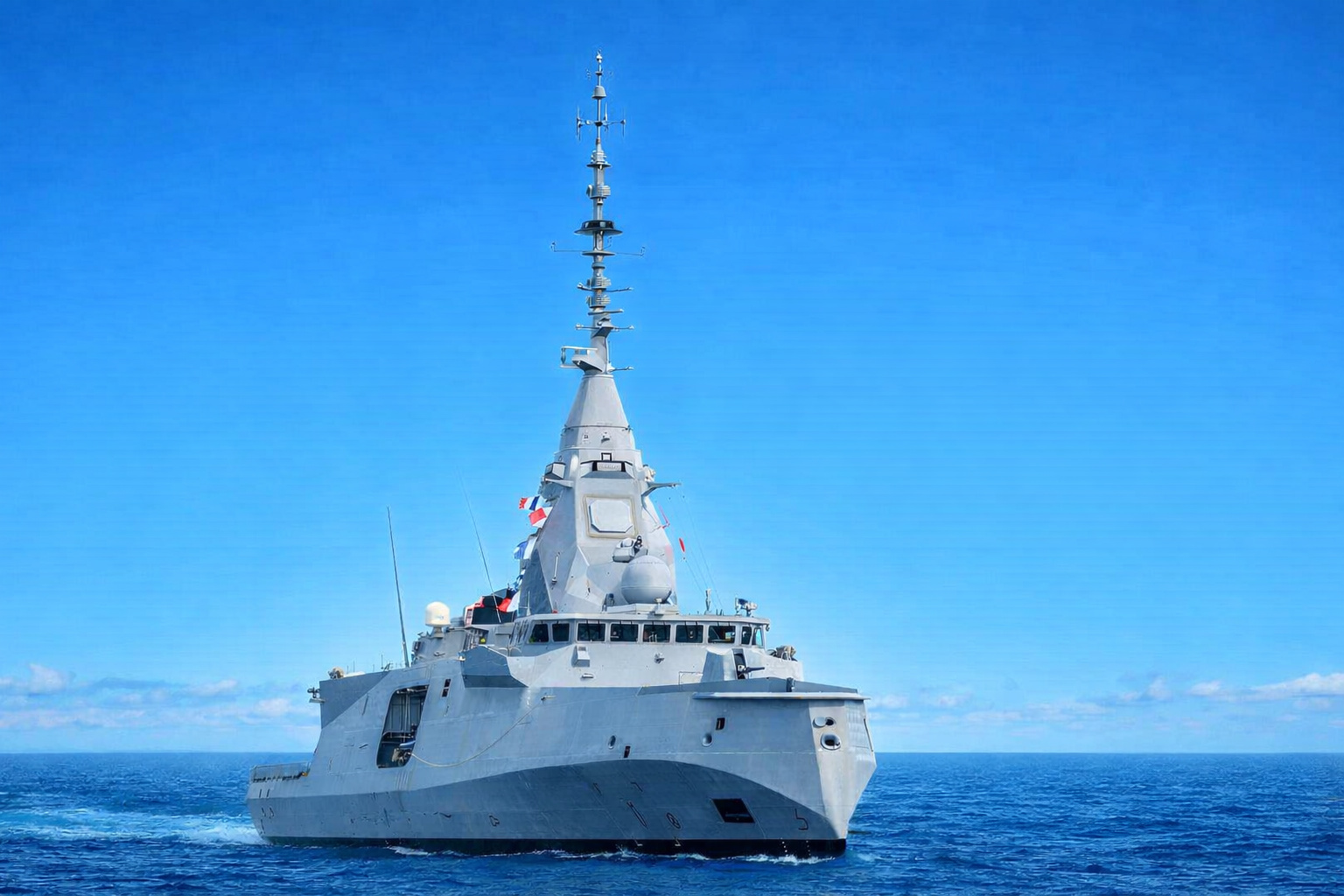
A 4,500-ton frigate with just over 100 crew members, state-of-the-art radar, and cruise missiles is being touted as the new standard of naval warfare in the 21st century.
-
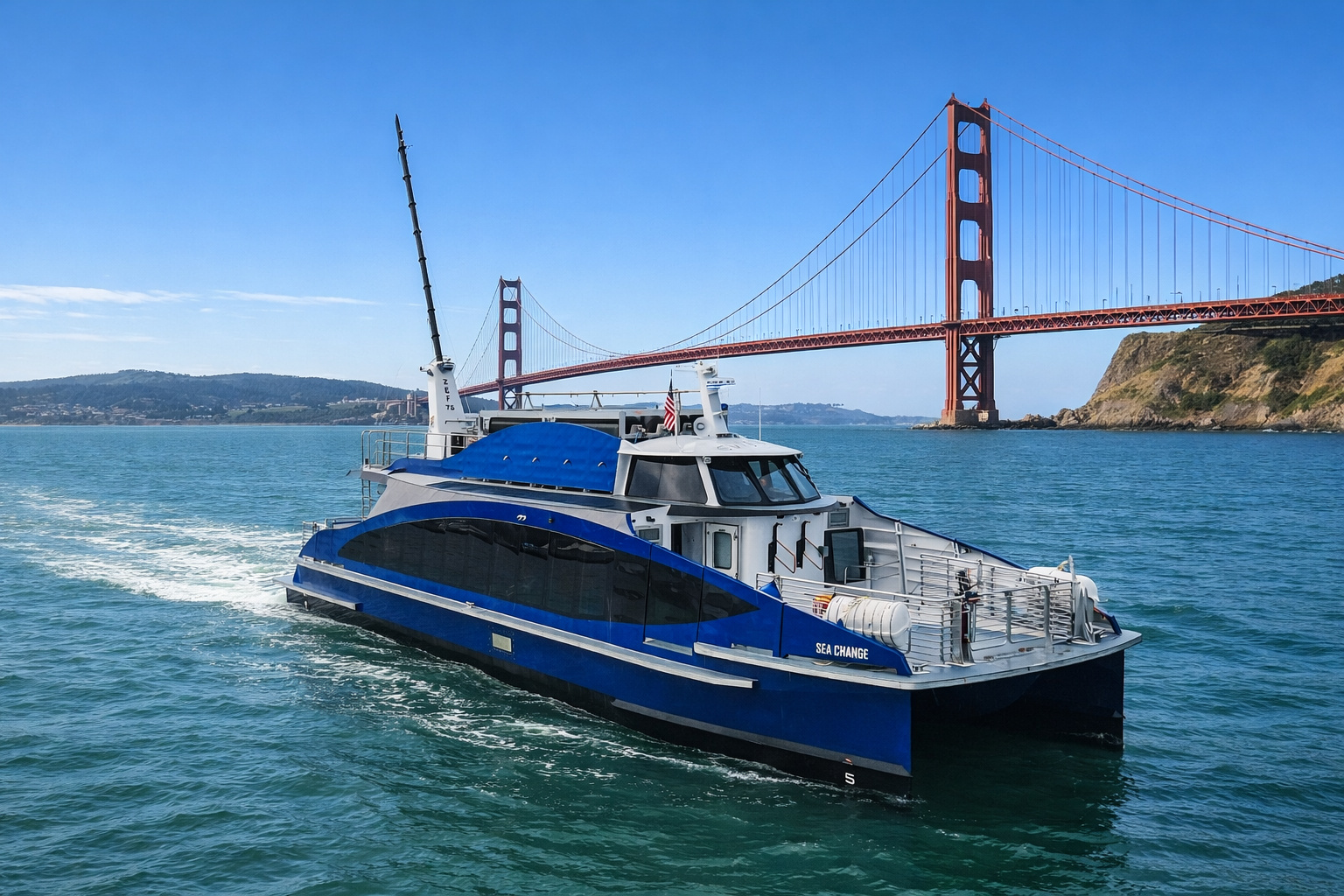
The first commercial hydrogen-powered ferry enters operation in the U.S., eliminates the use of diesel, uses fuel cells to generate clean energy on board, and transforms San Francisco Bay into a landmark of the new era of emission-free navigation.
-
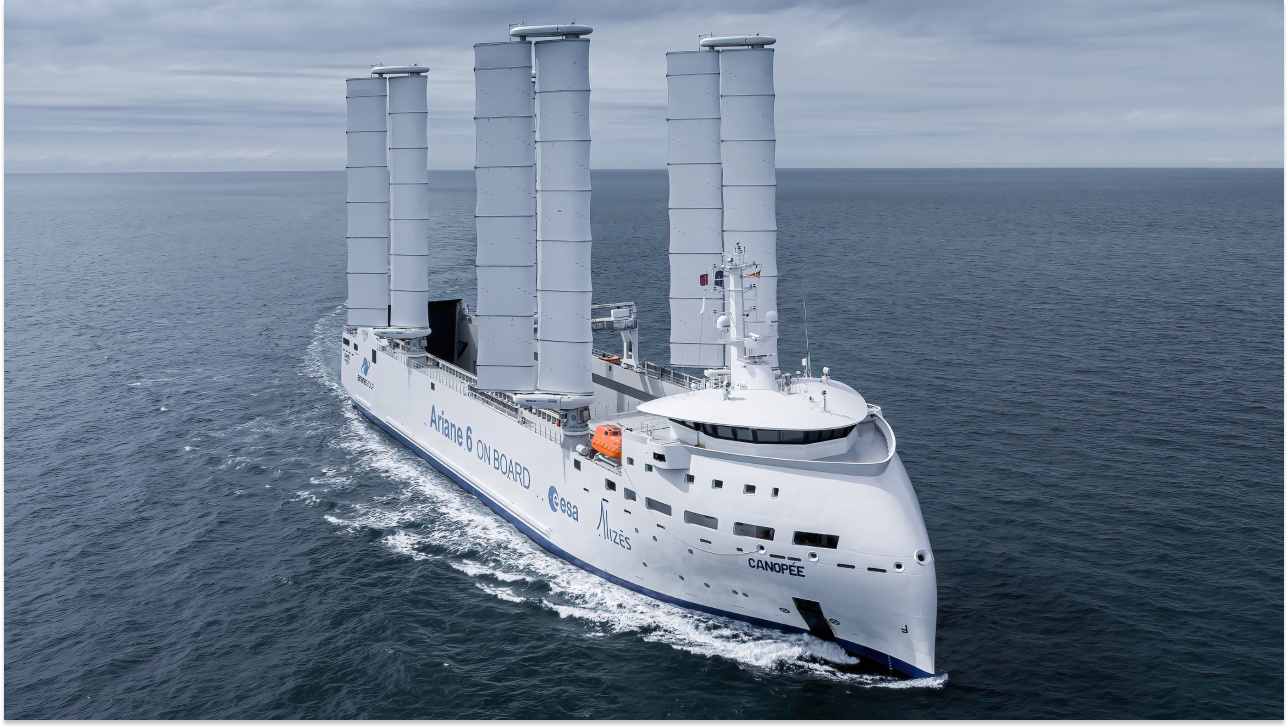
With a length of 121 meters and four rigid sails of 36 meters that automatically rotate to capture the wind, Canopée is the world’s first hybrid industrial cargo ship powered by wind, used to transport rockets and reduce fuel consumption by up to 30% on transoceanic routes.

Baltic Ace: Between Recovery and Tragedy
The sinking of the Baltic Ace in 2012, after colliding with a container ship, resulted in the loss of lives and the environmental challenge of recovering 1,400 Mitsubishi cars. The operation to remove the wreckage was a race against time, underscoring the importance of swift response to prevent more significant environmental impacts.
Lessons Learned and the Future of Maritime Safety
These events highlight not only the inherent risks of maritime navigation but also the ongoing need for innovation in safety and rescue technology. As the industry strives to improve practices and minimize accidents, the costs and challenges associated with the rescue of sunken ships will remain a reminder of the responsibilities that accompany global maritime transportation.
Through these rescue narratives, we see the unyielding commitment to maritime safety and environmental protection, crucial elements to ensure that the seas remain safe and sustainable pathways for international trade.
In conclusion, these accidents and shipwrecks serve as valuable case studies to improve practices, technologies, and preparedness for future generations in the field of maritime navigation, reinforcing the importance of constant vigilance and ongoing innovation in safety.







Seja o primeiro a reagir!