





 Portuguese
  English
  Spanish
  3 min of reading
  0 comments


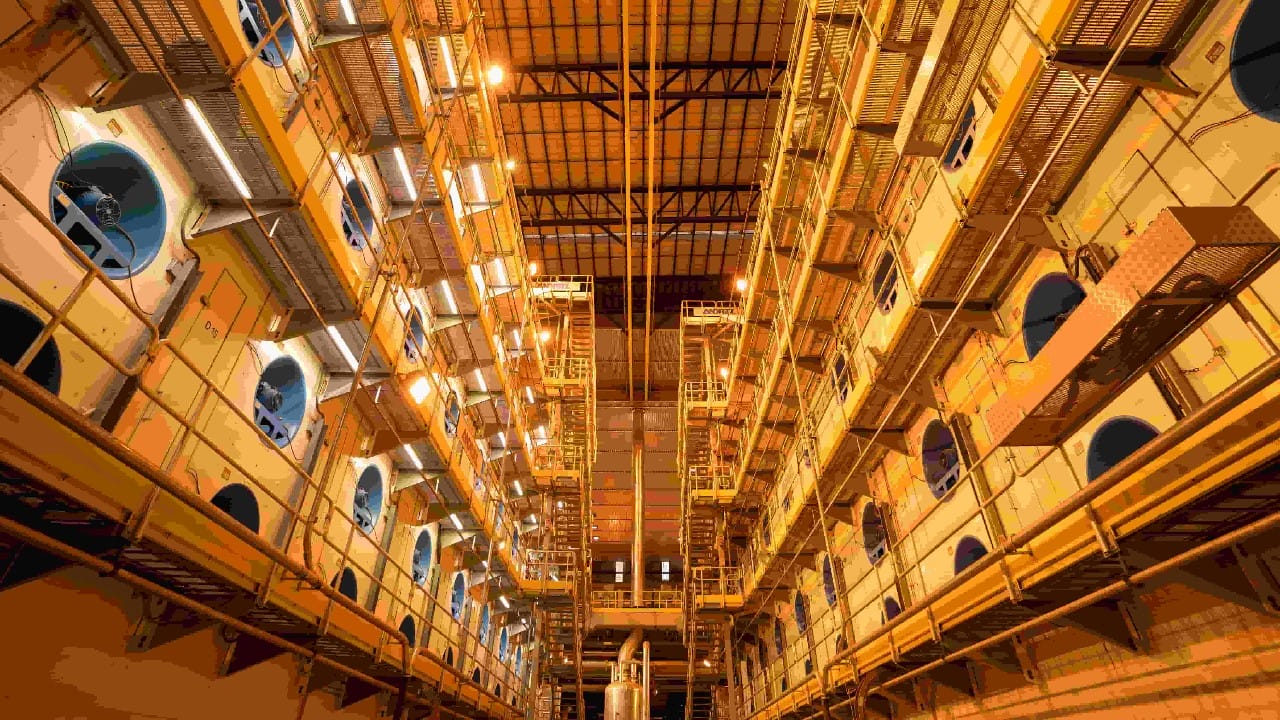
CNI President Highlights Need for Transformation of National Industry to Reverse Low Growth, Focusing on Sustainability and Competitiveness.
In a challenging economic scenario, Brazil will face another year of uncertainties regarding economic growth. Projections from the National Confederation of Industry (CNI) indicate a slowdown in the pace of economic growth for the year two thousand and twenty-four. It is estimated that the Gross Domestic Product (GDP) will expand by 1.7%, and industrial GDP will increase by 0.9%.
With the slowdown in economic growth, the country will face challenges in maintaining financial stability and promoting development. It is essential that measures are taken to boost the resumption of growth, thus ensuring the sustainable expansion of the economy in the coming years.
Urgent Measures to Boost Economic Growth
This performance is clearly insufficient to improve the quality of life of the population. It is imperative to urgently adopt measures to reverse the situation of low economic growth. An essential action is the transformation of the national industry, which I have been calling neo-industrialization, aimed at a more significant economic expansion. With a more dynamic, innovative, and competitive industrial sector, Brazil can have a cycle of sustainable development.
-
Historic bankruptcy of Centauro shocks the market, and the century-old company puts more than 500,000 products, machines, and complete infrastructure up for online auction.

-
New shoe factory in Ceará is expected to create 400 jobs and strengthen the local economy.
-
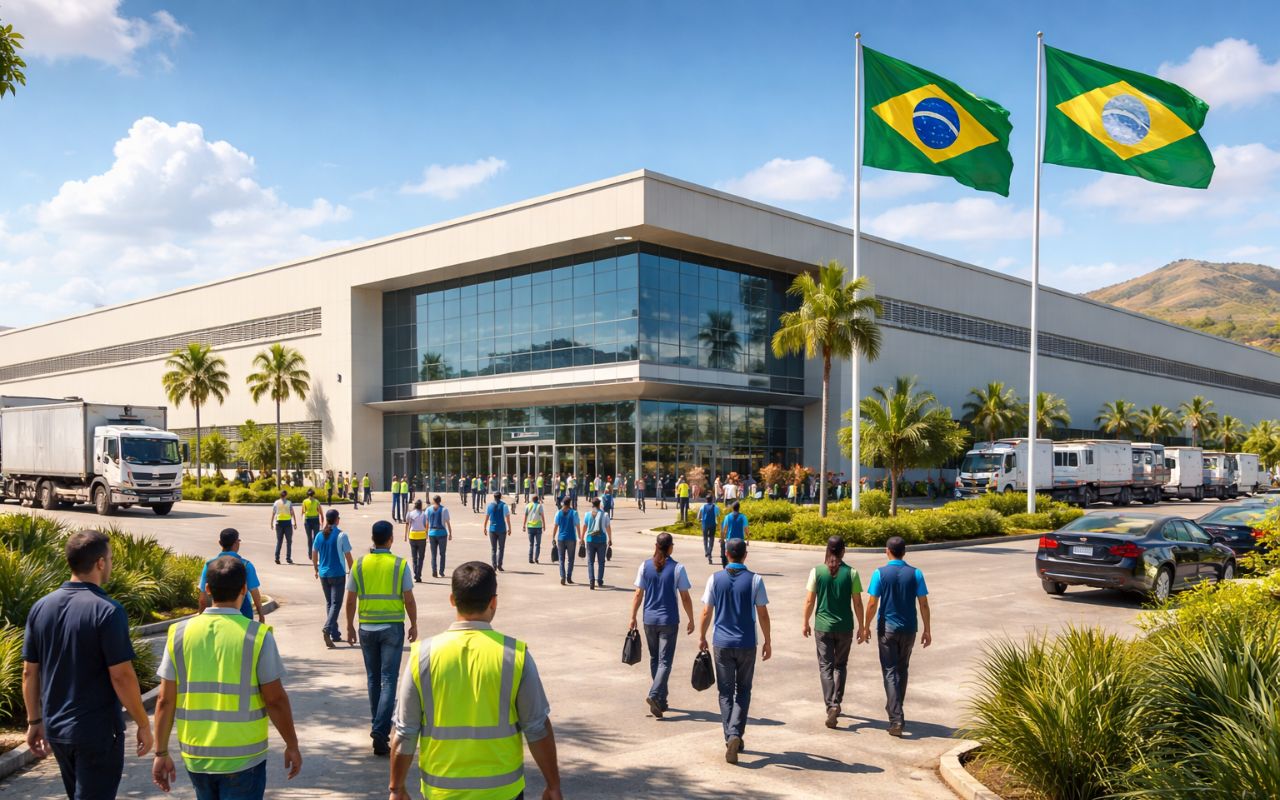
No one imagined it, but a mixture of sawdust with a mineral that fights fires surprises scientists with a result that changes the course of fire-resistant construction.

-
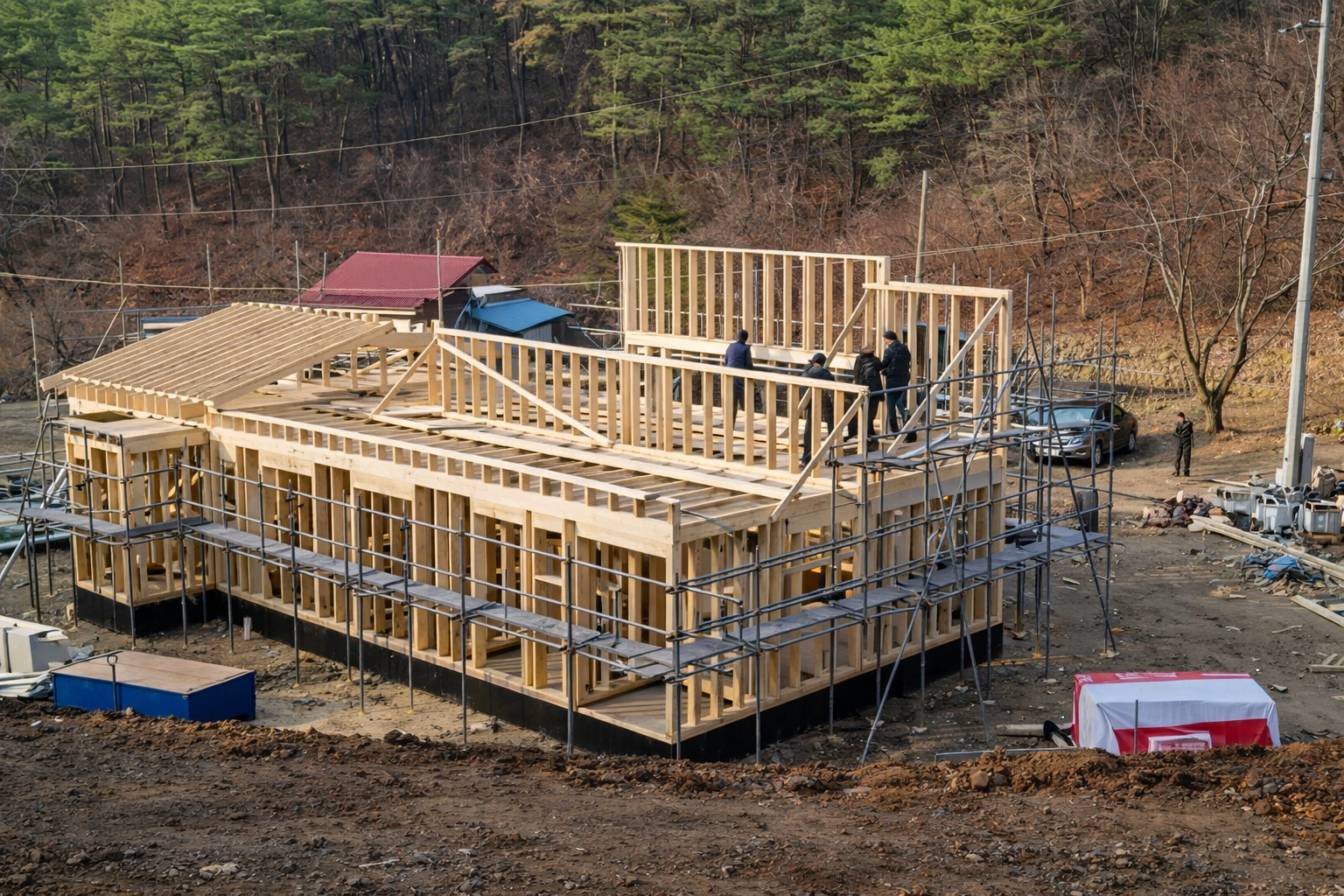
From empty land to a high-end house, wooden construction uses a lightweight system, metal structure for the foundation, ventilated ceramic cladding, and special windows to create an efficient and comfortable living space throughout the year.
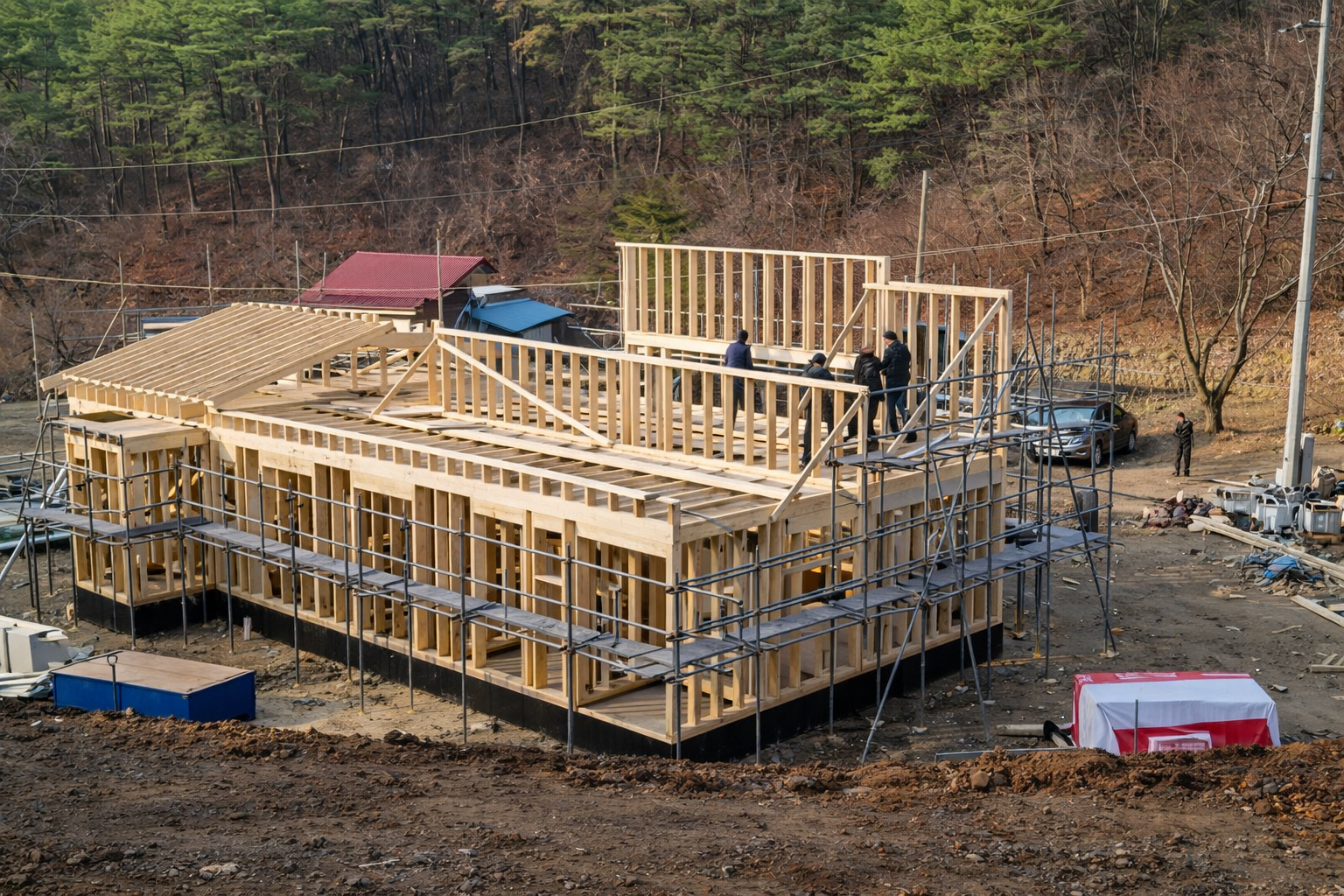

The good news is that there is, worldwide, a confluence of factors favoring the revitalization of Brazilian industry, such as the transition to a low-carbon economy, the reorganization of global value chains, and the digitalization of activities, which will certainly drive the country’s economic growth.
Projections and Goals for 2024
Domestically, the government has recreated the Ministry of Development and reinstated the National Council of Industrial Development. Based on dialogue with the productive sector, it has been adopting important measures to strengthen the industry, aiming for sustainable and lasting economic expansion.
The industrial policy is expected to be launched in early 2024, with missions focused on decarbonization, digital inclusion, energy transition, food security, sanitary resilience, technological development, and urban infrastructure, to drive economic growth and ensure sustainability.
Challenges and Advances for Economic Growth
We need to accelerate actions to contain climate change and transform our comparative advantages, such as the clean energy matrix and invaluable natural heritage, into gains of competitiveness for companies, aiming for the country’s economic growth and the generation of wealth and jobs.
The National Congress has approved the reform of consumption taxation. The change eliminates distortions, simplifies, and provides more transparency to the collection system, which will benefit the entire economy and boost the country’s economic growth.
Perspectives for the Future
Although the challenges are many, we must remain optimistic. With the right measures, we can build a new industry, a more prosperous economy, and a fairer country, aiming for sustainable and lasting economic growth.
(*) Ricardo Alban is President of the CNI.
The article was published in the newspaper O Globo on 12/28/2023.
REPRODUCTION OF THE ARTICLE – Articles published by the News Agency of Industry have between 4 and 5 thousand characters and can be reproduced in full or partially, provided that the source is cited. Possible changes for publication must be consulted in advance.
Source: Portal da Indústria









Seja o primeiro a reagir!