





 Portuguese
  English
  Spanish
  4 min of reading
  1 comment


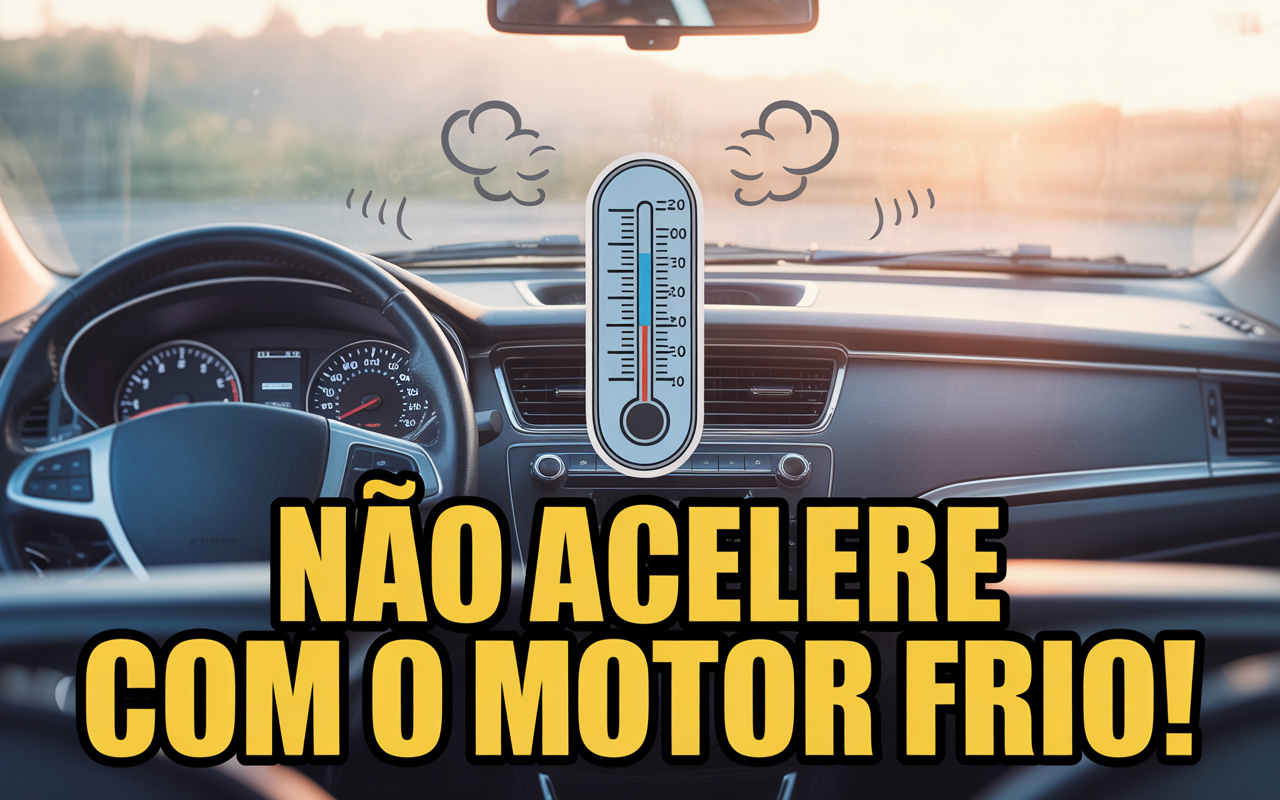


In The First 60 Seconds After Starting The Car, The Engine Is More Vulnerable. Understand Why Excessive Acceleration Or Leaving Quickly Can Cause Internal Wear And Reduce Its Lifespan By Up To 40%.
Few drivers know, but the first minute after starting the car is the most critical moment for the engine. It is during this short interval that most silent damage occurs, compromising the durability of essential parts such as pistons, rings, bearings, and valves.
According to automotive engineers and manuals from manufacturers like Toyota, Honda, and Volkswagen, accelerating too much or leaving quickly right after starting is one of the most common and costly mistakes made by drivers, which can significantly reduce engine lifespan in the medium and long term.
The reason is simple: when the car is cold, the oil has not yet fully circulated through the system. And while this lubrication does not reach all internal parts, every second of high rotation means friction, wear, and cumulative micro-damages.
Why The First Minute Is So Important
After ignition, the engine relies on a thin layer of oil to reduce friction between the metallic parts that move at high speed. However, in the first 5 to 30 seconds, the oil is still cold and thick, taking time to reach the cylinder head, the cylinders, and the camshaft.
-
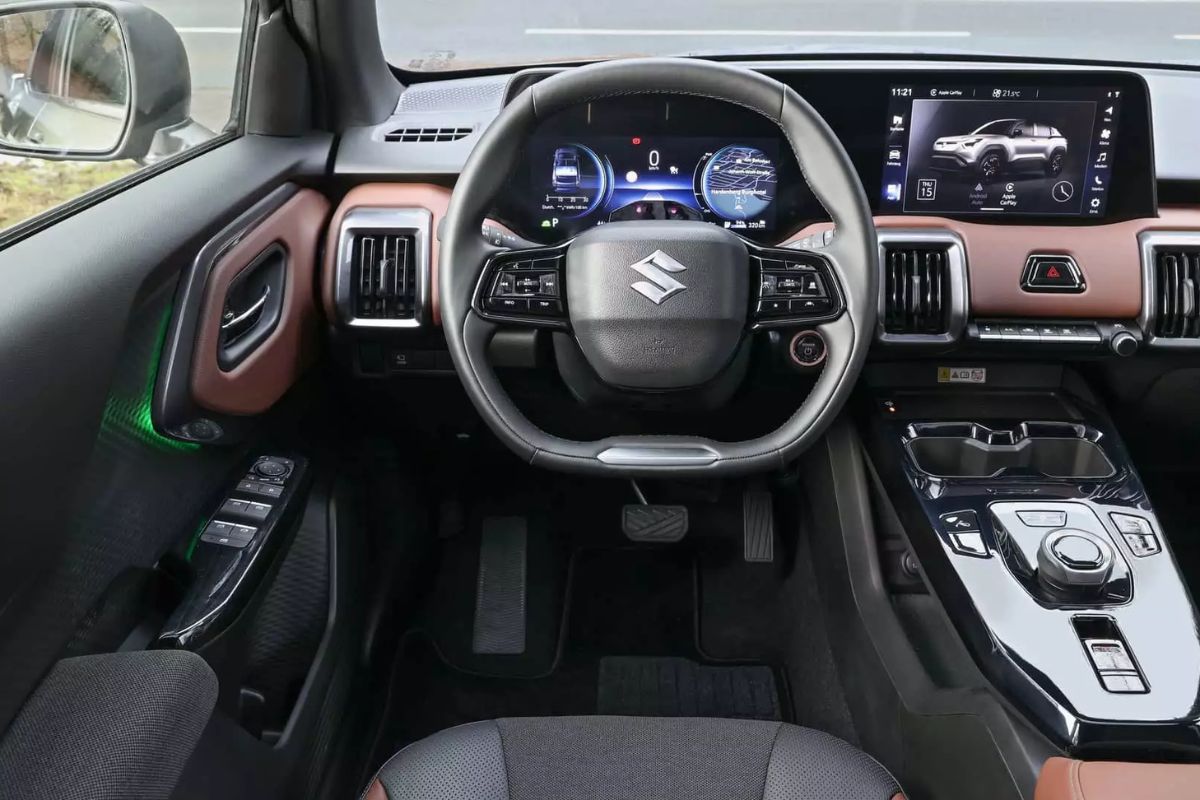
The 2026 electric Vitara arrives in Brazil and proves that Suzuki is not leaving: 4×4 traction, 184 hp, 61 kWh LFP battery, 293 km range, R$ 259,000, and a trunk capacity of 224 L.
-
Hyundai has unveiled the Boulder, a square SUV with a body-on-frame design, 37-inch mud tires, and carriage-style doors that seems to be made to take on the Ford Bronco and the Scout Traveller in the United States.

-
The Toyota Hilux is R$ 75.5 thousand cheaper and bets on the 2.8 turbodiesel engine with up to 204 hp and 50.9 kgfm to catch up with the VW Saveiro, which leads with 4,472 sales.

-
The new Renault Koleos has a screen exclusively for the passenger that is invisible to the driver, heated rear seats, and 29 assistance systems, but its Chinese competitors cost R$ 40,000 less and deliver more power.



Meanwhile, pistons and rings move at thousands of rotations per minute practically dry. It is during this brief period that most internal wear of an engine occurs over its lifespan — something between 60% and 80% according to studies by SAE (Society of Automotive Engineers).
If the driver accelerates or leaves quickly at this moment, the friction between the parts increases exponentially, compromising the integrity of the mechanical assembly and, over time, causing loss of compression, increased oil consumption, and metallic noises.
What Happens Inside The Engine During This Period
In the first seconds of operation, the oil needs to be pumped from the oil pan to the upper parts of the engine. In modern engines with optimized lubrication systems, this takes only a few moments — but it is still enough time to cause damage if the driver accelerates hard or demands immediate performance.
While the oil does not reach the ideal temperature (between 90 and 100 °C), it does not have enough fluidity to circulate properly. Thus, forcing the cold engine increases wear on the cylinder walls, bearings, and camshaft.
Moreover, the fuel injected during cold starts tends to wash away the protective oil film, further reducing protection against friction. Therefore, engines that operate frequently on short trips — such as daily urban use — suffer accelerated wear.
Accelerating A Cold Engine: A Mistake More Serious Than It Seems
Many drivers believe that accelerating the car in the first few seconds “helps the engine warm up faster.” But the effect is the opposite: the increase in rotation generates localized heat in poorly lubricated areas, favoring micro-cracks, uneven expansions, and premature failures in seals and gaskets.
Over time, this results in symptoms such as increased oil consumption, power loss, stalling at idle, and metallic noises — typical signs of premature wear.
Moreover, the cold engine injects more fuel to compensate for the low temperature, and intense accelerations only increase consumption and emissions of pollutants, without any real performance gain.
What Manufacturers Recommend
Manufacturers are categorical: it is not necessary to warm up the car while stationary, but also one should not accelerate immediately. The ideal is to find a balance.
According to Toyota’s technical manual, the driver should:
- Start the car and wait between 10 and 20 seconds for the oil to begin circulating;
- Start driving in a smooth and gradual manner, avoiding revs above 2,500 rpm until the engine reaches operating temperature;
- Avoid repetitive short trips, as they do not allow the oil and the catalytic converter to reach the ideal temperature.
Honda emphasizes that the best warming method is driving gently. The movement of the vehicle warms the oil, the coolant, and the exhaust system in a balanced way — something that the stationary car at idle cannot achieve.

What Really Destroys The Engine In The First Seconds
According to automotive maintenance specialists, the most harmful mistakes made by drivers in the first 60 seconds include:
- Accelerating Immediately After Starting, before the oil reaches ideal pressure;
- Starting Quickly On Uphills Or High Rotation With A Cold Engine;
- Leaving The Car Idling For Long Minutes, thinking that this safely warms it up;
- Using Oil Outside The Recommended Specification, which delays lubrication during cold starts;
- Ignoring Oil Change Intervals, which reduces viscosity and compromises the protective film.
These habits, repeated daily, can reduce the engine lifespan by up to 40%, according to data from SAE and studies conducted by Lubrizol Corporation, one of the largest manufacturers of automotive additives in the world.
The first minute after starting the car is one of the most delicate moments in modern automotive mechanics. The temptation to “accelerate to warm up” or “leave quickly” may seem harmless, but in the long run, it causes costly and silent damage.
Instead, the secret lies in patience: start the engine, wait a few seconds, and drive gently until the system reaches the ideal temperature. It is a simple gesture, but it can mean years of extra lifespan for your engine — and thousands of reais saved on repairs.










Ótimo conteúdo.