





 Portuguese
  English
  Spanish
 3 min of reading


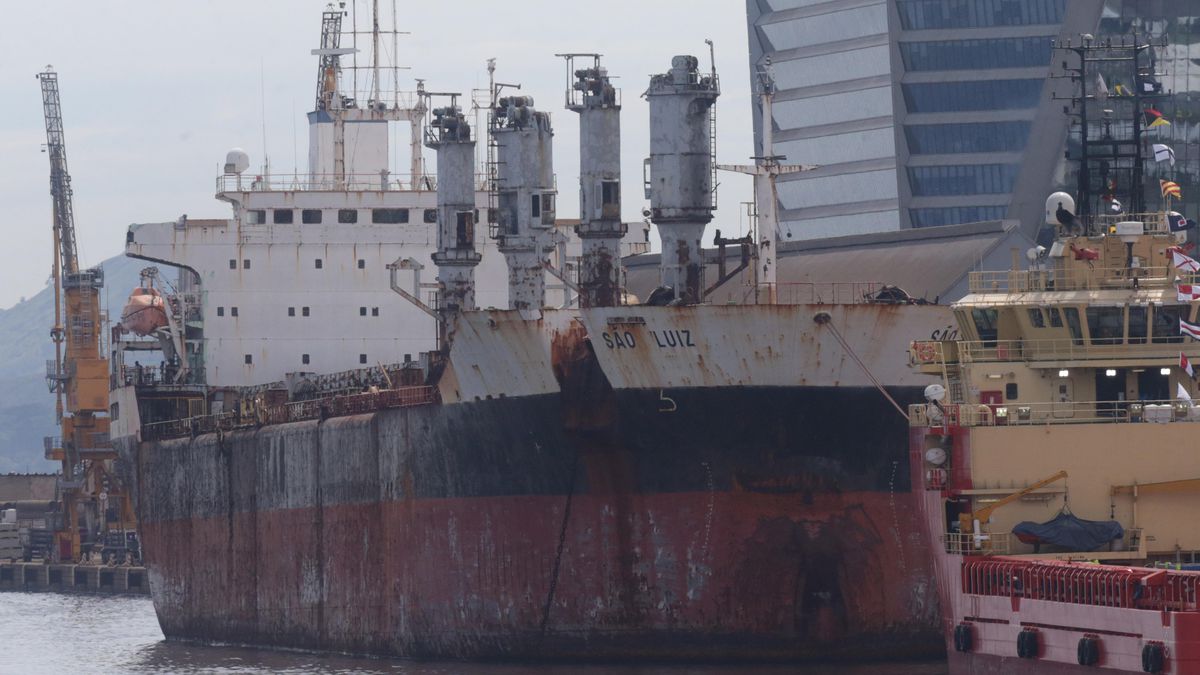
The Bulk Carrier São Luiz That Collided With The Famous Bridge Connecting The Municipalities Of Rio De Janeiro And Niterói Was In Complete State Of Abandonment, Just Like Other Vessels In The Bay Of Guanabara
The vessel São Luiz had been anchored in an area near the Rio-Niterói bridge since April 7, 2016, warning that a tragedy could happen at any minute. The ship is 200 meters long, over 30 wide, and had the capacity to transport 42,000 tons of grain while in operation. Even with a 7.5-ton anchor, it could not withstand the strong winds of last Monday afternoon (14), being carried adrift until it collided with the bridge structure. The case reignites an old discussion: abandoned ships in the Bay of Guanabara cause environmental damage and turn the area into a true naval cemetery.
Between the municipalities of Niterói and São Gonçalo lies the São Lourenço Canal. This area, which is part of the Bay of Guanabara, accumulates hundreds of abandoned ships and rusty wrecks. Some collect oil and other pollutants that harm biodiversity. The exact total of vessels is unknown, as there are others at the bottom of the water. All of this contributes to an environmental liability spanning over 30 years. The same problem is observed in Gradim, in São Gonçalo, and in sections of Caju, Ilha do Fundão, around Ilha do Governador, and in Canal do Cunha.
Many of these abandoned ships in this vast naval cemetery of potential environmental damage are targets of legal actions and await auction. According to the Movimento Baía Viva, there has never been a study to determine how many forgotten vessels exist in the area. In a statement, the NGO’s environmentalists remind that since 1984 they have alerted federal and state public authorities about the risk of environmental disasters in the waters of the Bay of Guanabara due to the presence of a large number of vessels abandoned for years or that are sunk (if the tons of sewage dumped daily were not already enough).
-
Elevator Plummets From Tenth Floor in Commercial Building in Recife, Raising Concerns About Safety and Engineering of Vertical Transport Systems Used Daily in Urban Buildings
-
Cyclist Hit by Car in Sobradinho, DF Is Rescued After Traffic Accident This Sunday

-
Civil Defense Issues Alert and Advises Evacuation in 51 Streets of Juiz de Fora After Risk of Instability; See the Complete List of Affected Neighborhoods
-
Military Plane With Money Crashes In Bolivia, Leaves 20 Dead And Leads Central Bank To Annul 10, 20, And 50 Bolivianos Notes After Chaos At Airport


Over this time, there is a significant risk of oil spills, other chemical substances, and heavy metals from these vessels that decay at the bottom of the Bay or that are anchored precariously and unsafely in the water surface, without the due periodic monitoring that should be conducted by the environmental bodies Instituto Estadual do Ambiente – INEA or IBAMA, nor even by the Port Authority.
Excerpt from the statement of Movimento Baía Viva
Ship That Collided With The Rio-Niterói Bridge Awaits Legal Proceedings For 6 Years
The ghost ship that collided with the Rio-Niterói bridge in the Bay of Guanabara has been the subject of legal proceedings since 2016. The bulk carrier São Luiz has been out of operation due to a bankruptcy process pending in the Federal Court of Rio de Janeiro. The vessel was owned by the defunct company Navegações Mansur.
When it entered bankruptcy, the company that owned the ship had already disposed of almost all its properties, leaving only the ship São Luiz, which was in dispute with BNDES, the company’s creditor. Indústrias Reunidas Caneco S.A. was the recipient of the funds that Navegações Mansur had borrowed from BNDES.
The estimate is that the ship São Luiz is estimated to be worth R$ 156 million, since the price of scrap iron is usually around R$ 1 per kilogram.
What Those Cited Say
The Navy reports that it has opened an inquiry to investigate the causes of the accident that closed the Rio-Niterói Bridge for more than three hours, affecting important roads in both cities.
The Instituto Estadual do Ambiente (Inea) stated that the inspection of vessels is the responsibility of the Port Authority and that the agency is only contacted when environmental damage is detected.
The Port Authority reported that it conducts naval inspection activities daily, verifying the safety regulations of navigations and the prevention of water pollution.










Seja o primeiro a reagir!