





 Portuguese
  English
  Spanish
  3 min of reading
  0 comments


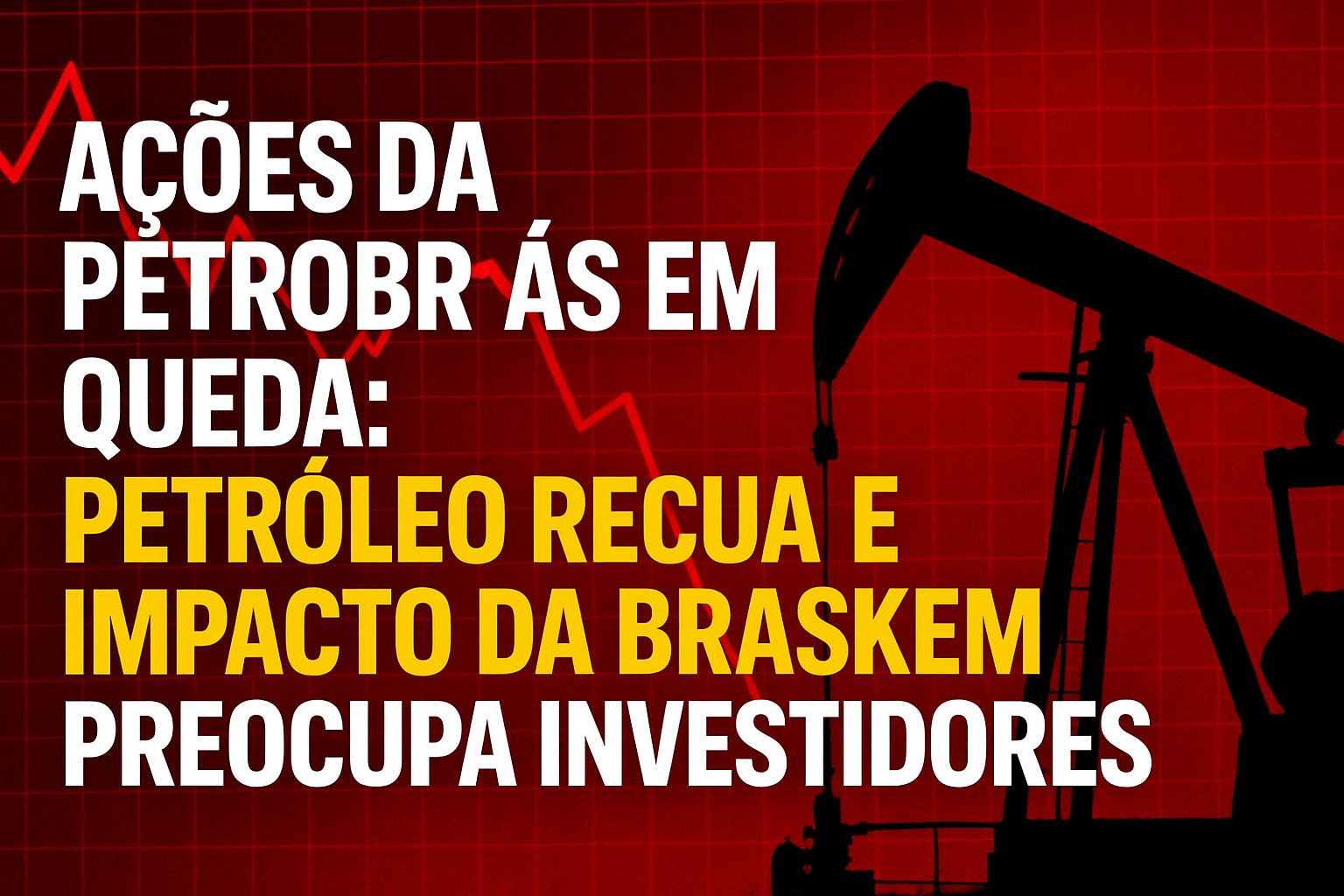
Petrobras Stocks Record 5th Consecutive Drop, Pressured by Oil Decline and Uncertainties Surrounding Braskem.
Petrobras Stocks Fall for 5th Session in a Row
Petrobras stocks fell again on Tuesday (30), marking the fifth consecutive session of losses. PETR3 ended down 1.57%, priced at R$ 33.78, while PETR4 fell 1.10%, to R$ 31.46.
The decline occurs amid a combination of factors involving the drop in oil prices, regulatory pressure on the Equatorial Margin exploration, and the potential restructuring of Braskem, a company in which the state-owned enterprise has a stake.
This movement reinforces investors’ concerns about Petrobras’ ability to maintain attractive dividends in a climate of increased uncertainty.
-
In the 1970s, oil became a weapon of war and paralyzed the entire world, and now the same thing is happening again with Iran closing off the route for 20% of the planet’s fuel.

-
When oil prices rise, the gas station increases prices the next day, but when it drops by 13% at once, no one explains why gasoline remains at the same price for months.

-
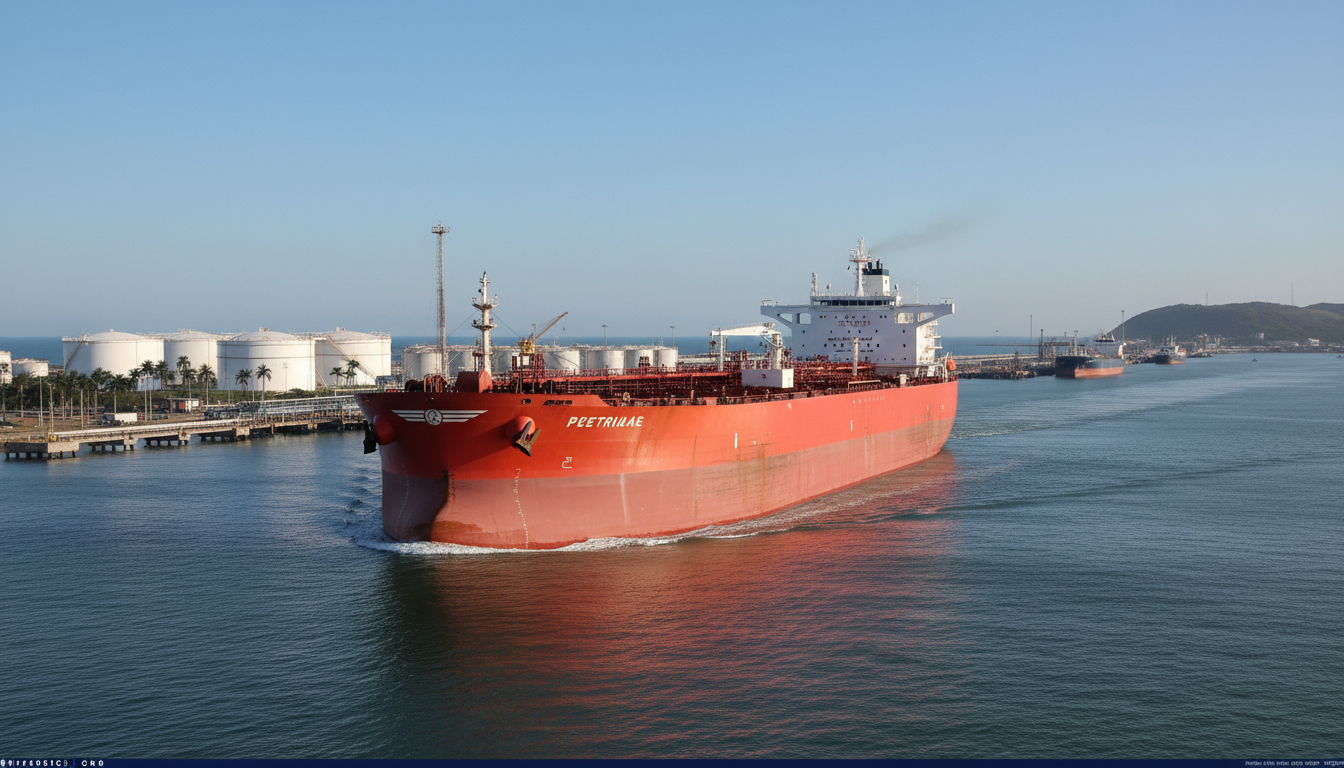
The largest fuel distributor in Brazil has just been forced to import diesel and gasoline on its own after Petrobras reduced its monthly deliveries.
-
After Trump gave Iran 48 hours to reopen the route for 20% of the world’s oil, the barrel skyrocketed to $117, dropped 13% with a truce, and the Central Bank had to inject $2 billion to stabilize the dollar.

Oil Pressures Stocks and Worsens Losses
The international oil price remains the main pressure factor. WTI, the benchmark in the United States, fell 1.70% and closed at US$ 62.37 per barrel. Meanwhile, Brent, traded in London, dropped 1.58% and ended the day at US$ 66.03.
Additionally, the commodity had already dropped more than 3% on Monday (29). The movement occurred after rumors that OPEC+ could increase global supply. At the same time, diplomatic negotiations for a ceasefire in the Gaza Strip also influenced the market.
In this context, Citi revised its projections. The bank lowered its Brent price forecast for 2026, from US$ 66 to US$ 62.
Furthermore, it cut the target price of Petrobras’ preferred shares, from R$ 35 to R$ 31. The ADRs traded abroad also underwent adjustment, falling from US$ 12.50 to US$ 12.
Braskem on the Radar and Worries Petrobras Shareholders
Another point of concern is the situation of Braskem (BRKM5). The petrochemical company’s stocks have already fallen over 40% in 2025 and dropped almost 4% in the last session, following rumors of a debt restructuring.
A report from BTG Pactual highlighted that Petrobras might need to inject up to US$ 1.7 billion to maintain its 49% stake if a conversion of debts into equity occurs.
“If 25% of Braskem’s debt (US$ 1.7 billion) were converted into equity, Petrobras would need to match that amount to avoid dilution,” the document states.
In this scenario, analysts warn that Petrobras’ dividend yield could drop from 9% to 8.2%, reducing returns for investors.
Ibama and Equatorial Margin Add Uncertainties
Alongside international market conditions and Braskem, the state-owned company also faces challenges in Brazil. The environmental licensing process for exploring the Equatorial Margin is still under review by Ibama, adding another layer of uncertainty to the scenario.
Although the agency has already approved preliminary tests, it has requested adjustments before granting the final license.
This drilling in the region is considered strategic for the company and, therefore, could significantly redefine its future production.
Continuous Decline of Stocks Worries Investors
With five consecutive sessions of decline, Petrobras is going through one of the most delicate phases of the year. On one hand, the falling oil prices pressure the company’s revenues; on the other, the regulatory risks and the impact of Braskem amplify market uncertainties. This negative triad keeps investors on alert and reinforces a climate of caution.
Given this scenario, the big question is how far the state-owned company can preserve its dividends while also sustaining its prominent position amid global and domestic turbulence.
The pressure is constant, and every decision can directly reflect on shareholder returns.
Meanwhile, investors react immediately to new information.
Therefore, any movement regarding oil prices, Braskem negotiations, or Ibama’s requirements could influence not only Petrobras stocks but also the balance of the entire energy sector in Brazil.










Seja o primeiro a reagir!