





 Portuguese
  English
  Spanish
  6 min of reading
  0 comments


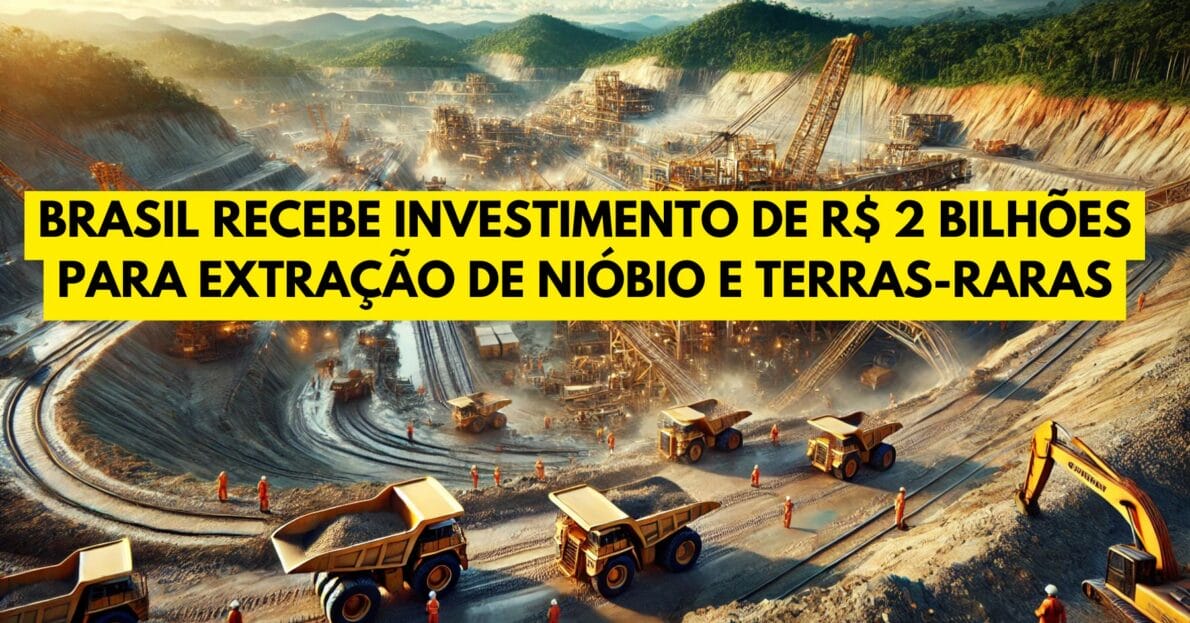
Niobium and Rare Earth Extraction Project in Minas Gerais Marks New Phase for St. George and Can Boost the Brazilian Mineral Sector with Technology, Jobs, and Sustainable Development.
Mining in Brazil has just gained significant momentum with a new billion-dollar agreement. The Australian mining company St. George Mining Limited announced an investment of R$ 2 billion for the extraction of niobium and rare earths in Minas Gerais, consolidating the Araxá Project, in Alto Paranaíba, as a strategic initiative for the development of essential raw materials for the country’s energy and technological future. This mega contract will not only boost the local economy but also promises to transform the mining industry in Brazil.
Araxá Project Details: Niobium and Rare Earth Extraction in Minas Gerais
The Araxá Project is a partnership between St. George Mining and the government of Minas Gerais, where the Australian company plans to explore niobium and rare earths, materials increasingly demanded by the global market for sustainable technologies.

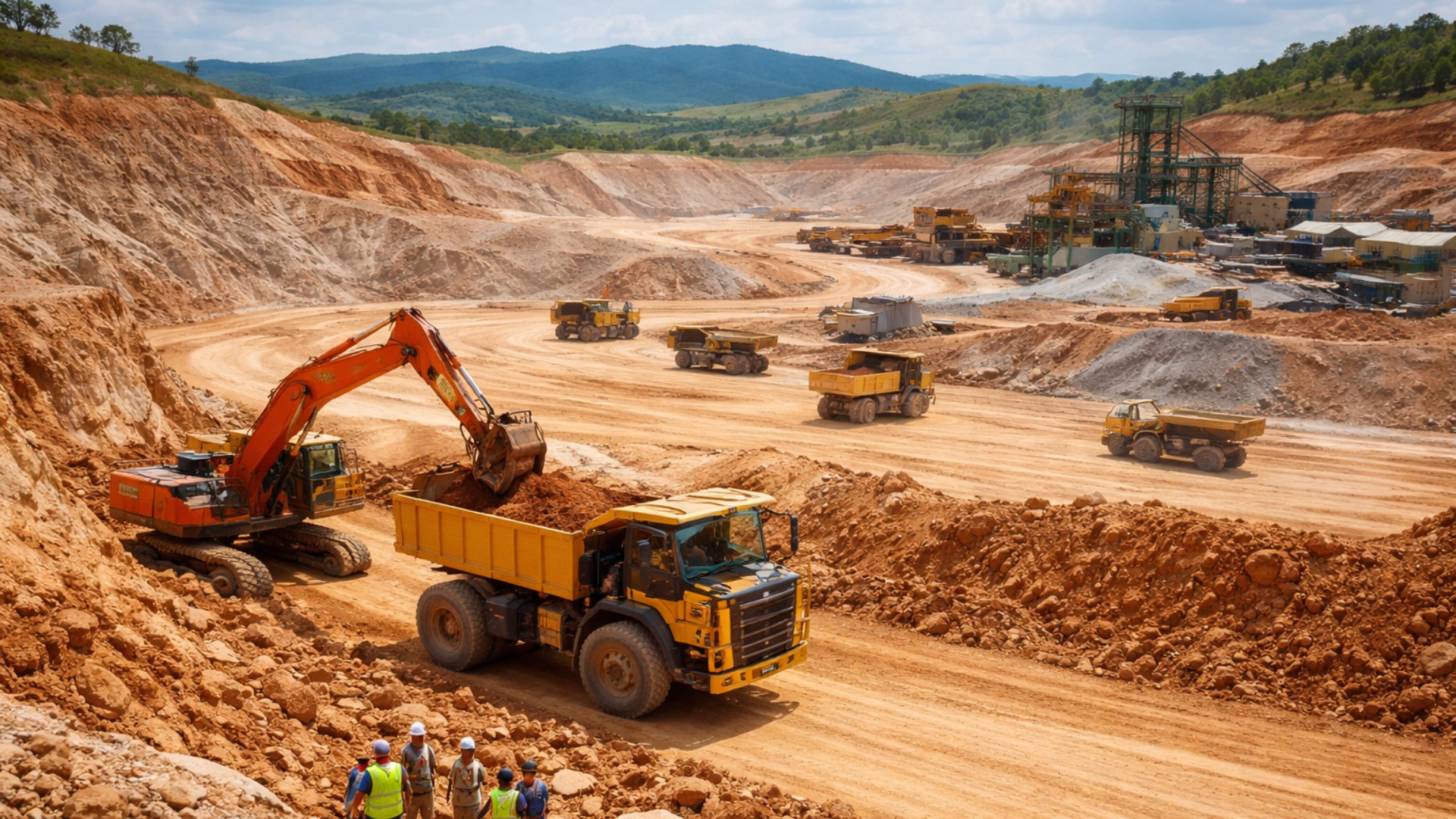
The billion-dollar investment of R$ 2 billion covers the stages of studies, development, and construction of the mine, with operations expected to begin in 2027. The annual production potential of the unit is up to 20,000 tons of niobium and rare earth elements (REEs), positioning Brazil as one of the largest suppliers of these strategic materials.
-
USA and China compete for Brazil over resources that could be worth trillions — rare earths put the country at the center of a global dispute

-
With 74% of companies facing difficulties in hiring, technicians and engineers in renewable energy are becoming scarce in Brazil and are essential to support the expansion of solar, wind, and green hydrogen projects.

-
After China, it’s now the turn of the USA to ‘secure’ a share of Brazil’s natural resources: the country buys critical rare earths for R$ 3 billion and enters the center of the global technology dispute.
-
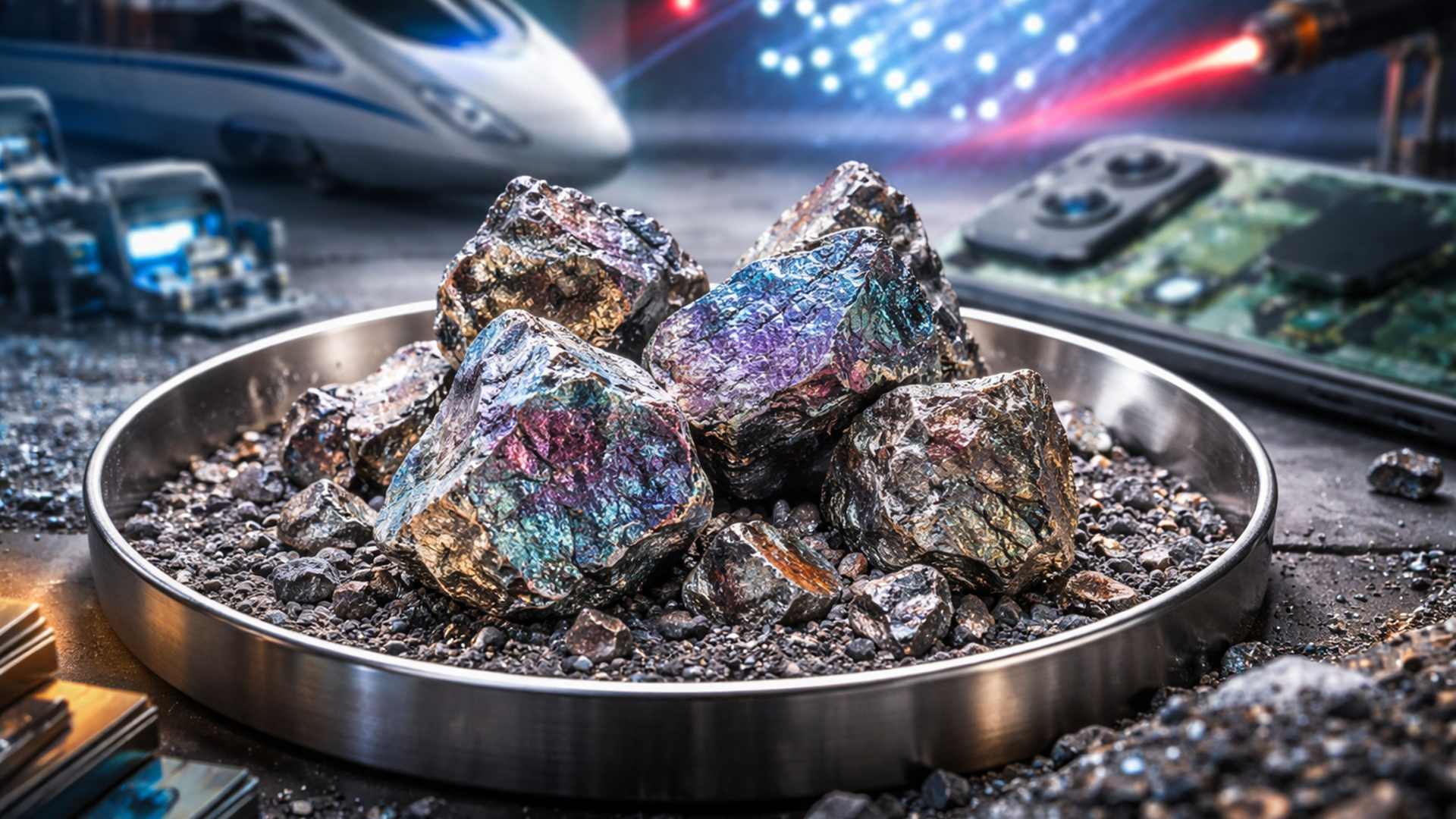
Rare earths are in everything, from cell phones to bullet trains, and what almost no one realizes is why they have become the target of such a delicate global war.
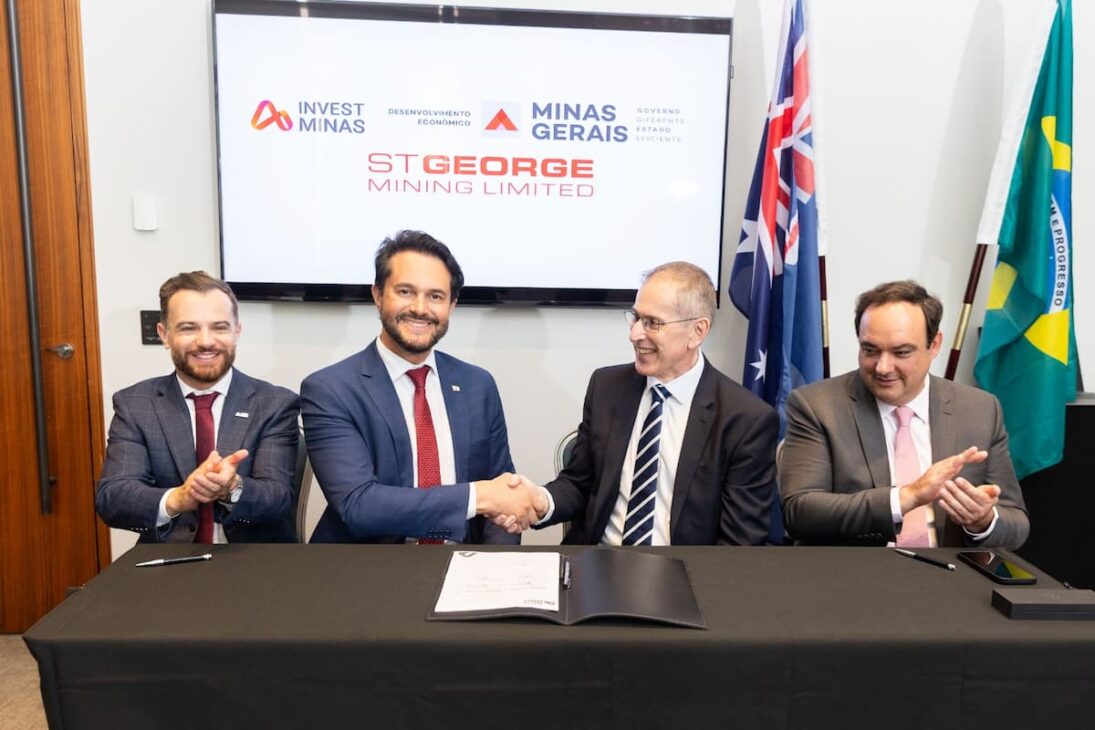
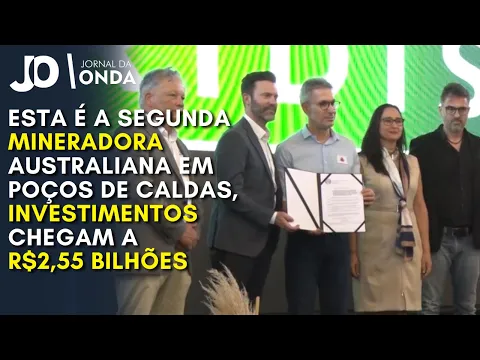
Fernando Passalio, Secretary of Economic Development of Minas Gerais, highlighted the importance of this agreement to the Diário do Comércio. According to him, the state government has been working hard to attract foreign investments and promote mining in Brazil as a sustainable and economically viable activity.
THOUSANDS of New Jobs and Local Development
The expectation is that the Araxá Project will generate 400 direct jobs and up to 1,000 indirect jobs in the region, fostering economic growth and providing job opportunities for the local community.
St. George Mining has committed to prioritizing the use of local suppliers and labor, further encouraging regional development. This commitment to valuing the local economy is crucial for strengthening the supply chain and creating a support structure for the rare earth and niobium industries.
Additionally, St. George will work to meet local infrastructure needs, which includes potential improvements to access roads and power supplies. The company views Brazil as a promising market for the future of mining with niobium extraction, standing out for its mineral wealth and diversity as well as the legal security the country offers.
The Importance of Niobium and Rare Earths for the Energy and Technological Transition
Niobium and rare earths are two essential elements in the development of sustainable technologies, such as batteries and advanced electronic components. Niobium, for example, is widely used in the production of strong metal alloys and in the manufacturing of high-density batteries, essential for electric vehicles. Rare earths, a group of special chemical elements, have applications in high-performance magnets used in electric motors and wind turbines, and are also fundamental for the production of technologies like smartphones and tablets.
With the advancement of the Araxá Project, mining in Brazil diversifies and takes on an increasingly relevant role in the production chain of clean energy and high technology.
The export potential of these materials also promises to benefit the Brazilian trade balance and position the country prominently in the global market.
Complementary Agreements: Other Australian Investments in Minas Gerais
The agreement with St. George Mining is just part of the mining government’s commercial mission in Australia. During this trip, Fernando Passalio and his delegation signed other Memoranda of Understanding (MoU) with Australian companies, totaling around R$ 2.5 billion in investments for Minas Gerais.
The mining companies Lightning Minerals Limited and Perpetual Resources are also in the process of implementing projects for the extraction of essential minerals, like lithium and other critical elements.
These additional investments aim to develop strategic areas and promise to generate hundreds of direct jobs in regions such as the Jequitinhonha Valley, the Steel Valley, and South Minas. The strategy is to stimulate sustainable growth and expand mining in Brazil, creating an integrated production network with the renewable energy sector and the electronics sector.
The Expansion of Mining in Brazil: Opportunities and Challenges
The mining sector in Brazil has benefited from public policies aimed at sustainability and attracting investments. Minas Gerais, in particular, has been working to open new business opportunities and develop high-technology areas, such as the Lithium Valley, in the Jequitinhonha Valley, which has been growing as a hub for producing essential minerals for technology and clean energy.
The state government also plans to strengthen ties with other countries and attract more investors, offering advantages like legal security and infrastructure. These factors position Minas Gerais prominently as an investment destination in the mining sector. With the arrival of St. George Mining, the state advances further in the production of niobium and rare earths, establishing a solid base for the development of advanced technologies and the export of strategic mineral resources.
The Future of Mining in Brazil
New investments in mining in Brazil reflect a growing commitment to sustainability. Companies like St. George Mining and other mining companies establishing operations in the country are adopting environmentally responsible practices and seeking to minimize the environmental impact of their activities. Sustainable mining is one of the main focuses of the Minas Gerais government, which sees the sector’s development as a path to a greener and more technologically advanced future.
The Federation of Industries of the State of Minas Gerais (Fiemg) is promoting partnerships with mining companies to develop research at CIT Senai ITR, in Lagoa Santa, the first research and production center for rare earth magnets in Latin America. This investment in innovation is essential for the vertical integration of the production chain and to ensure that Brazil is not only an exporter of raw materials but also a producer of cutting-edge technology.
The R$ 2 billion contract with St. George Mining represents a milestone in mining in Brazil. The Araxá Project, with its promise of niobium and rare earth extraction, positions Minas Gerais strategically for the development of advanced technologies and for strengthening the national economy. Besides generating thousands of jobs and fostering regional growth, the agreement contributes to positioning Brazil as a global leader in the production of essential raw materials for the energy and technological future.
With Australian investments expanding into other areas, such as lithium extraction and critical minerals, the state of Minas Gerais is preparing to lead a new era of sustainable mining. These investments not only diversify the mining economy but also open doors for the development of clean technologies and for strengthening Brazil’s position in the international arena.
The entry of St. George Mining into Brazil demonstrates the country’s potential to attract significant investments and reaffirms the importance of mining in economic development. As the project advances, Minas Gerais and Brazil follow a promising path toward innovation, sustainability, and prosperity.








Seja o primeiro a reagir!