





 Portuguese
  English
  Spanish
  3 min of reading
  2 comments


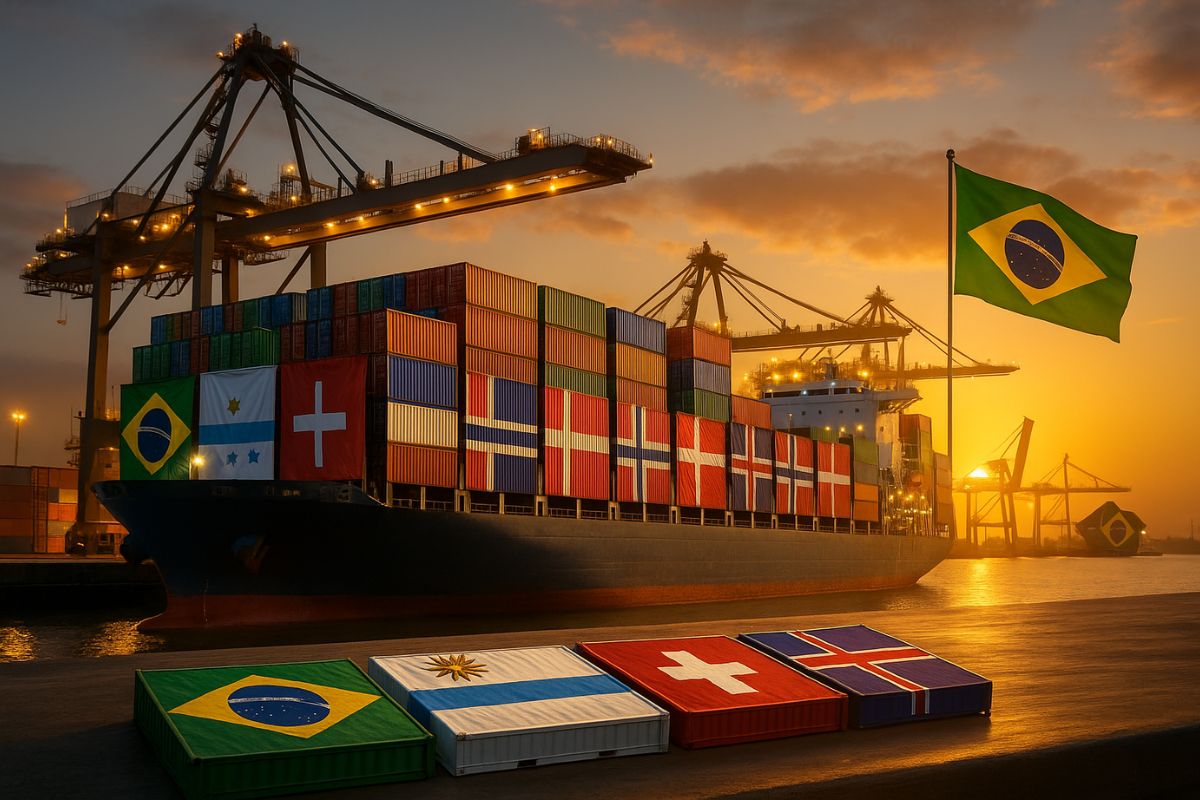


Treaty with Switzerland, Norway, Iceland and Liechtenstein Marks Strategic Repositioning and May Accelerate the Arrival of New Investments in Brazil.
The Brazilian government officially signed, on Tuesday (16), in Rio de Janeiro, the free trade agreement between Mercosur and the European Free Trade Association (EFTA), a bloc formed by Switzerland, Norway, Iceland and Liechtenstein, according to IstoÉ Dinheiro. The treaty represents not only immediate trade gains but also an opportunity to attract new investments in Brazil and reposition the country in global value chains.
The pact has been negotiated since 2017 and is considered one of the most relevant for Brazilian foreign policy in recent years.
According to official projections, the agreement is expected to generate R$ 3.34 billion in additional exports and R$ 660 million in new investments in Brazil, in addition to increasing access to technologies and high-value-added goods.
-
After nearly 30 bids and competition among industry giants, a Spanish company purchases one of the largest airports in Brazil for almost R$ 3 billion and takes over the management of Galeão in a concession that will last until 2039.

-
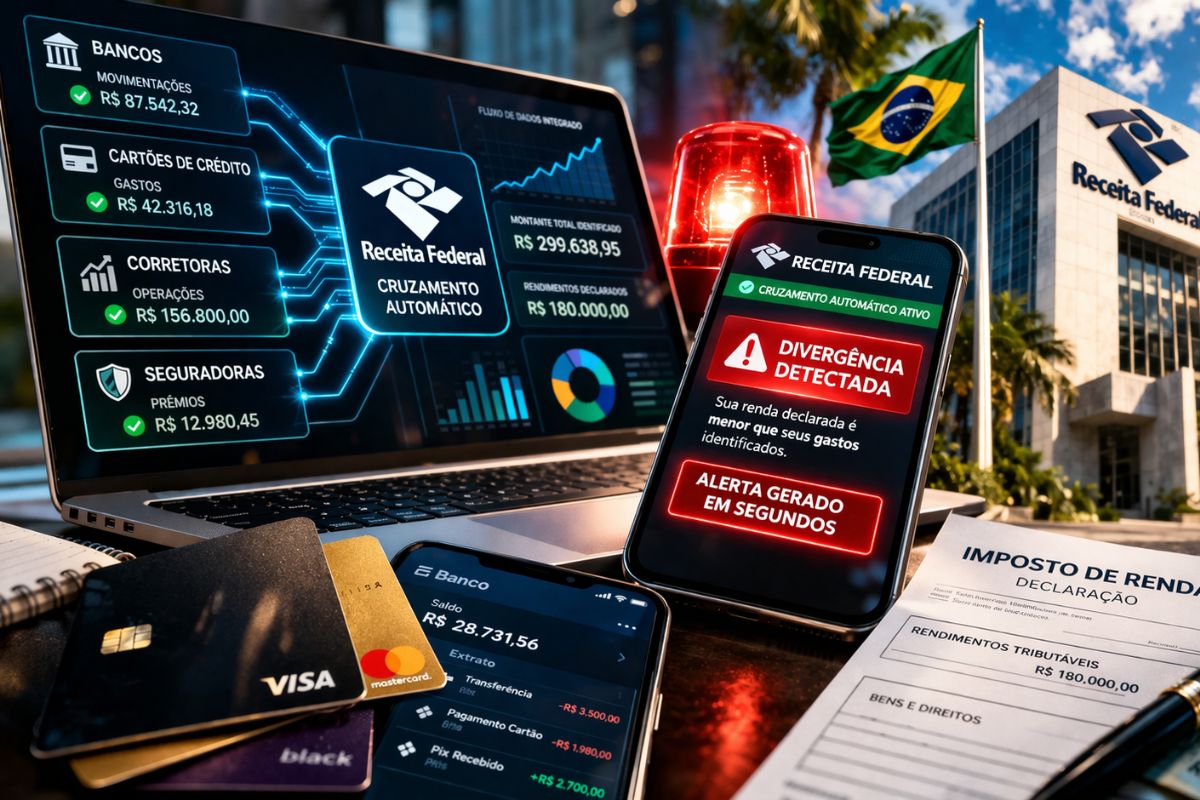
The Federal Revenue Service now automatically cross-references everything you declare with data from banks, credit cards, brokerage firms, and insurance companies, and any discrepancy between your income and your expenses triggers an alert in seconds.
-
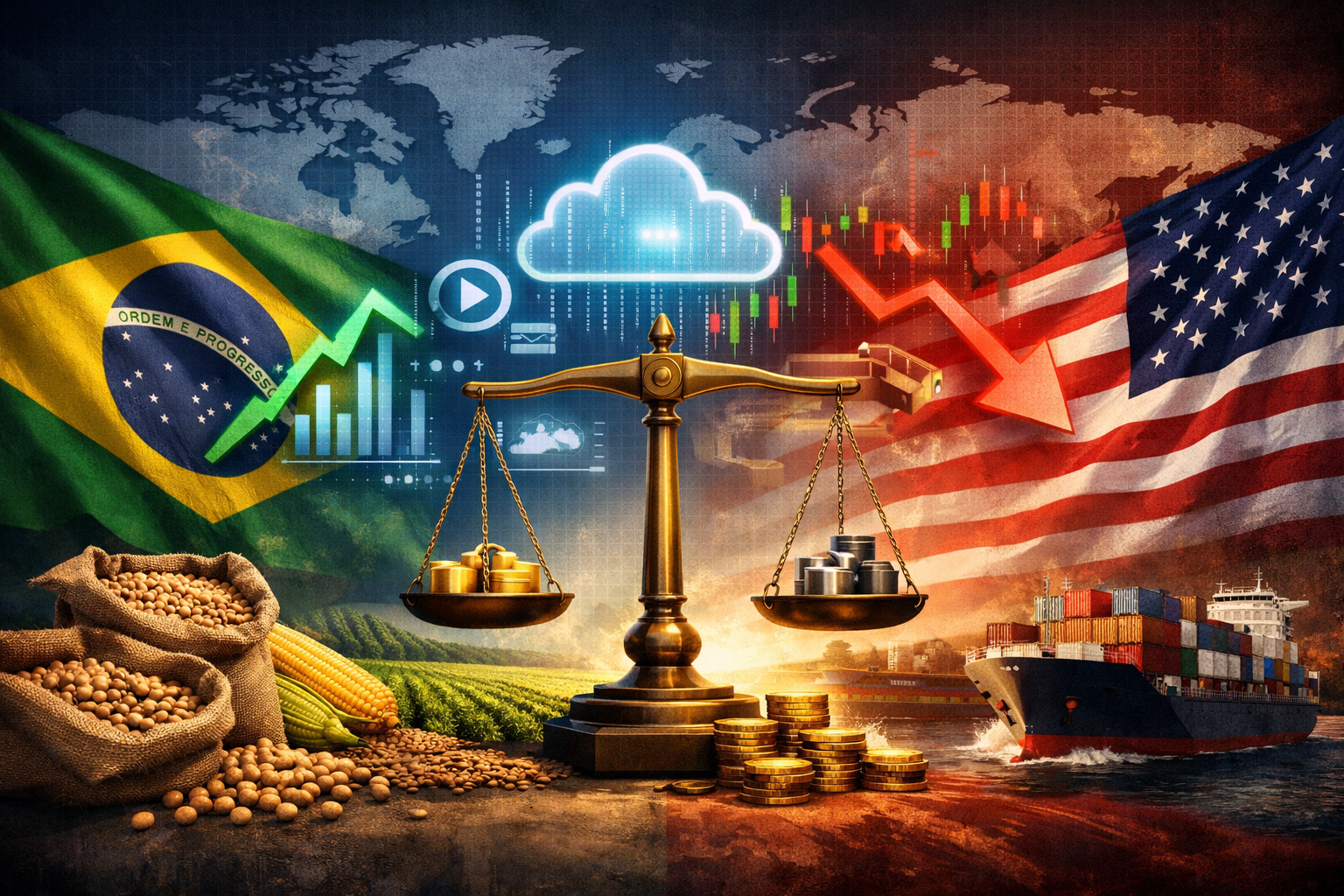
Amid global tensions, Brazil blocks the United States’ proposal at the WTO and paves the way for a trade crisis and possible retaliations.
-
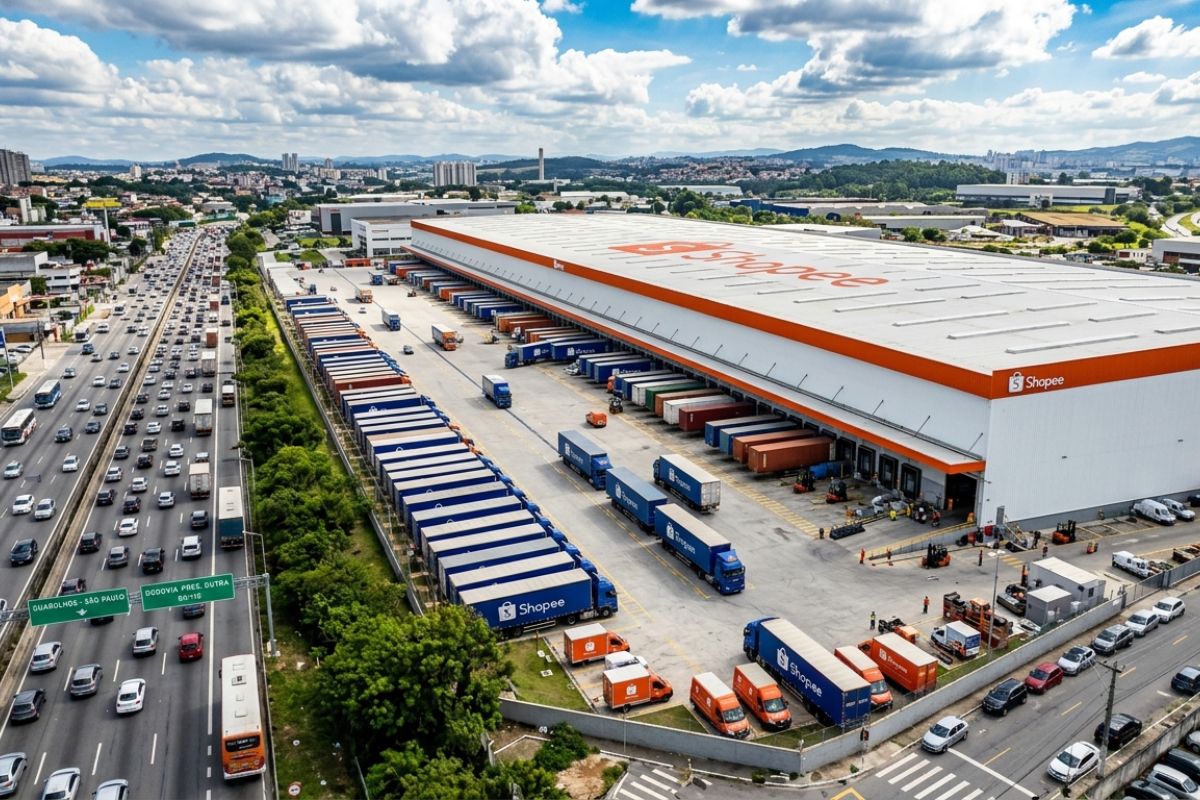
Shopee opens the largest logistics warehouse in Brazil in Guarulhos: 220,000 m² on Dutra, contract signed before construction, pays R$ 45/m² and accelerates deliveries at scale, putting pressure on Mercado Livre and Amazon.

The Direct Impact of the Agreement on the Brazilian Economy
Government estimates indicate that, by 2044, the agreement will have an impact of R$ 2.69 billion on the national GDP.
In the short term, Brazil is expected to experience positive effects on the trade balance, with net gains in exports and increased competitiveness across various sectors.
In addition to the increase in exports, a growth of R$ 2.57 billion in imports is expected, particularly for high-tech goods such as medical equipment, pharmaceuticals, and industrial inputs.
This could reduce internal costs and expand the population’s access to higher-quality products, generating indirect effects on consumption and real wages.
Strategic Priorities of Brazil in Mercosur
During the ceremony, Itamaraty emphasized that the Mercosur–EFTA agreement strengthens Brazil’s role as a regional leader in economic integration. Among the announced priorities are:
Support for the full membership of Bolivia in Mercosur, strengthening South American integration.
Enhance the social dimension of the bloc, with the strengthening of the Institute of Public Policies on Human Rights (IPPDH) and the Social Institute of Mercosur (ISM).
Launch the Mercosur Strategy to Combat Organized Crime, expanding cooperation in public security and regional justice.
Why the Agreement with EFTA is Strategic
Experts interviewed by IstoÉ Dinheiro state that the pact with EFTA acts as a complement to the Mercosur–European Union agreement, which is still stalled by environmental and political disagreements.
Unlike the European bloc, EFTA countries have very high per capita income and strong demand for quality agricultural, energy, and industrial products, in which Brazil is competitive.
This means that the treaty not only ensures new investments in Brazil but also opens up space for Brazilian companies to increase exports of meat, grains, coffee, biofuels, and industrial goods in demanding markets, driving the modernization of local production chains.
Challenges to Transform Projections into Real Gains
Despite the optimism, analysts warn that market opening comes with complex challenges.
The EFTA countries have strict sanitary, environmental, and technological standards, which will require Brazilian companies to invest in innovation, traceability, and sustainability.
Moreover, international competition is strong. For Brazil to convert projections into real gains, a coordinated effort between government and the private sector will be necessary.
Without modernization, part of the benefits of the agreement may be lost to global competitors already adapted to these requirements.
The Mercosur–EFTA agreement represents a historic step in Brazilian trade policy, with the potential to increase exports and attract new investments in Brazil.
However, the true impact will depend on the country’s ability to take advantage of access to high-standard markets, adapting to international requirements and modernizing its production.
And you, do you believe that Brazil will be able to turn this treaty into concrete gains for the economy and the population?
Leave your opinion in the comments; we want to hear from those who experience the impact of this type of change in practice.








Antônio
Sim acredito