





 Portuguese
  English
  Spanish
  3 min of reading
  0 comments


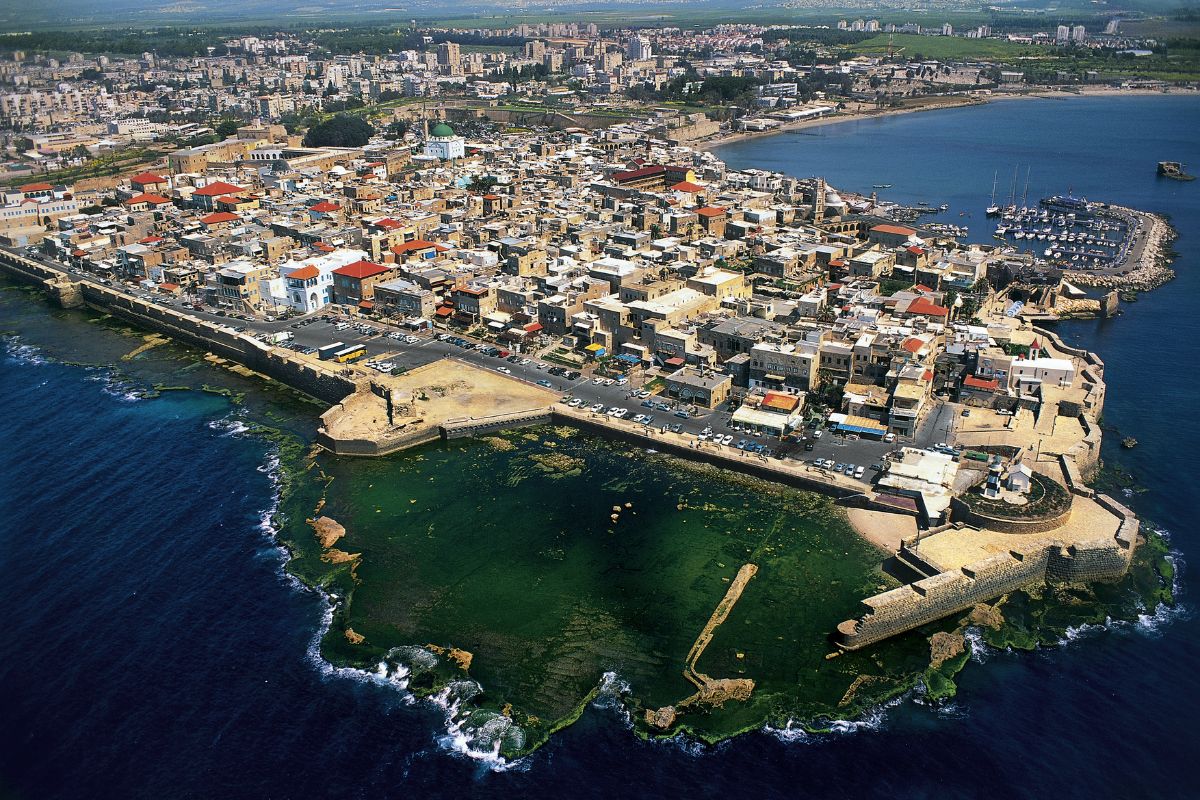
Reports on a Vast Oil Reserve in Acre, Sometimes Called the “Oil Aquifer”, Generate Hope and Skepticism. Understand the Real Potential of This Energy Frontier, the Logistical Challenges, and the Immense Environmental and Social Risks Involved.
In the far west of the Brazilian Amazon, in the state of Acre, there is speculation about the existence of an oil reserve in Acre, an energy potential that could redefine the country’s future. The idea of an “oil aquifer,” although geologically imprecise, evokes the image of a vast underground sea of hydrocarbons capable of awakening optimism.
However, this promise of energy wealth is confronted by monumental challenges: extremely difficult access in a remote region, extreme ecological sensitivity of the Amazon rainforest, and significant socioeconomic complexities. This article analyzes the geology, the history of exploration, and the intense debates surrounding the possible oil reserve in Acre.
The “Oil Aquifer” of Acre
The term “oil aquifer” is not a standard geological designation. Aquifers contain water, while oil is found in reservoir rocks. This popular expression simplifies the idea of a large formation saturated with oil in the Acre Basin. This basin, with over 4,700 meters of sediment, is located on the border with Peru and Bolivia, adjacent to producing basins.
-
Petrobras surprises the world again by announcing a new discovery in the pre-salt with excellent quality oil.

-
Offshore industrial demand in Macaé skyrockets with the recovery of oil and gas and could grow by up to 396% by 2026 in the Campos Basin.
-
Offshore industrial demand in Macaé surges with the recovery of oil and gas and could grow by up to 396% by 2026 in the Campos Basin.
-
Brazilian giant expands borders in the Southeast: Petrobras confirms new oil discovery in ultra-deep waters in the pre-salt of the Campos Basin.


Its geology includes hydrocarbon-generating rocks, such as the shales of the Cruzeiro do Sul Formation (Permian), reservoir rocks (sandstones and carbonates), and sealing rocks (evaporites), essential elements for a petroleum system. However, these formations may overlap or be close to important freshwater aquifers, such as the Solimões, creating contamination risks.
Decades of Search and Indications of the Oil Reserve in Acre
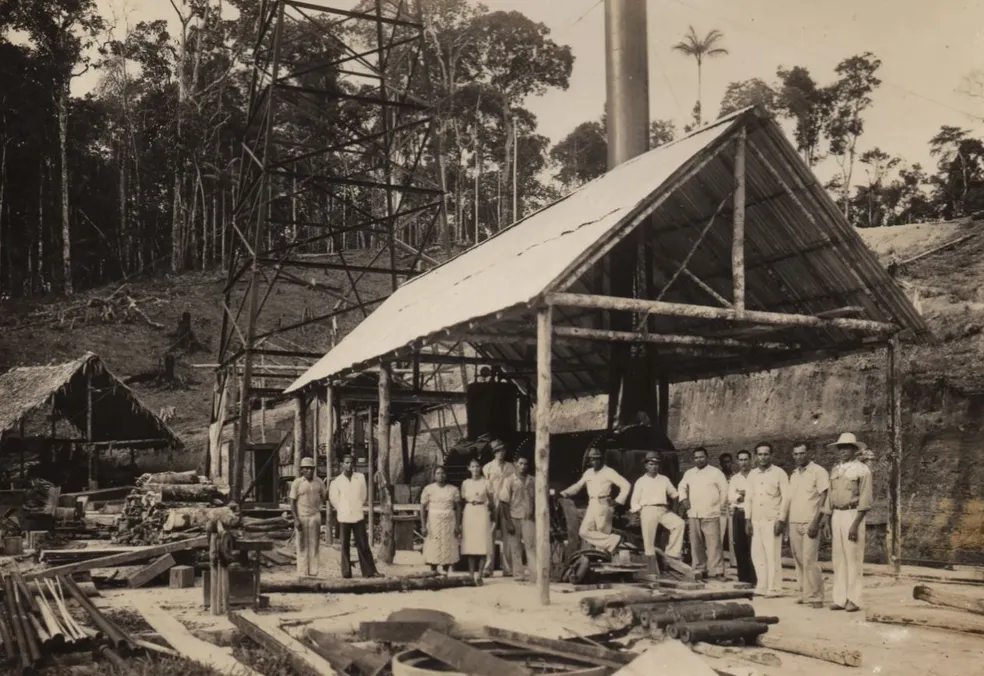
The search for hydrocarbons in Acre goes back to 1935. Petrobras intensified studies between 1958 and 1997, drilling 11 wells, of which three showed signs of hydrocarbons. The discovery of the Camisea megafield in Peru, a geologically similar basin, renewed interest in the region.
After 1997, the National Agency of Petroleum, Natural Gas and Biofuels (ANP) granted exploratory blocks, such as AC-T-8. However, recent data from the ANP indicated the absence of contracted blocks in the Acre Basin in 2023, suggesting limited or suspended exploratory activity in recent years.
What Is Known About the Oil Reserve in Acre?
The presence of an active petroleum system in Acre is confirmed by oil spots in wells and “micro-seepages” of gas at the surface. The ANP estimates a potential of natural gas of 2.2 trillion cubic feet (TCF) in situ.
Exploring an oil reserve in Acre faces colossal challenges. Logistics in the Amazon are extremely complex and costly, due to remoteness and lack of infrastructure. Transporting equipment and the evacuation of production would be monumental operations.
The environmental risks are extremely high: deforestation, habitat fragmentation, loss of biodiversity, and contamination of rivers and aquifers. The region has 29 Indigenous Lands just in Alto Juruá and Conservation Units, making environmental licensing and obtaining social license to operate extremely complex and restrictive processes. Economic viability is also uncertain, given the high costs and volatility of energy prices.









Seja o primeiro a reagir!