





 Portuguese
  English
  Spanish
 4 min of reading
  0 comments


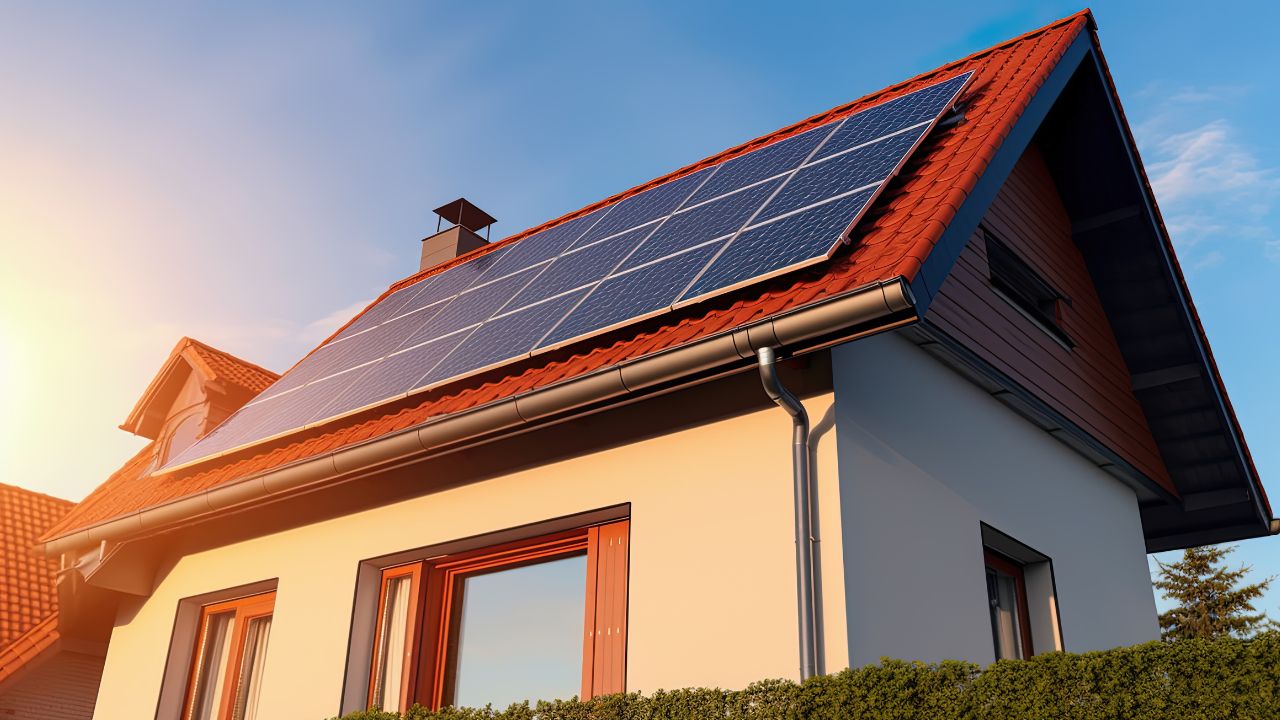
Acre Ranks First in States with the Cheapest Solar Energy in Brazil in 2025, with an Average Cost of R$ 2.24 per Watt-Peak, According to Solfácil.
Despite being located in the Northern region — traditionally marked by the highest logistics and operational costs in the country — Acre achieved, in 2025, the leadership in the national ranking of states with the cheapest solar energy in Brazil. The data was released on Wednesday (23) by the company Solfácil, a reference in the renewable energy sector, and indicates an average cost of R$ 2.24 per Watt-Peak (Wp) in the second quarter of the year.
This value places the state ahead of federal units such as Alagoas (R$ 2.27/Wp) and Amazonas (R$ 2.31/Wp), even surpassing the national average of R$ 2.51/Wp. The analysis positions Acre as the best destination in the country for those wishing to invest in photovoltaic systems in 2025.
Cheapest Solar Energy in Brazil Amid Rising Equipment Costs
The scenario is even more surprising when considering the context of rising solar equipment prices. This is primarily due to the new export tax on solar panels applied by China, the world’s largest supplier of the technology.
-
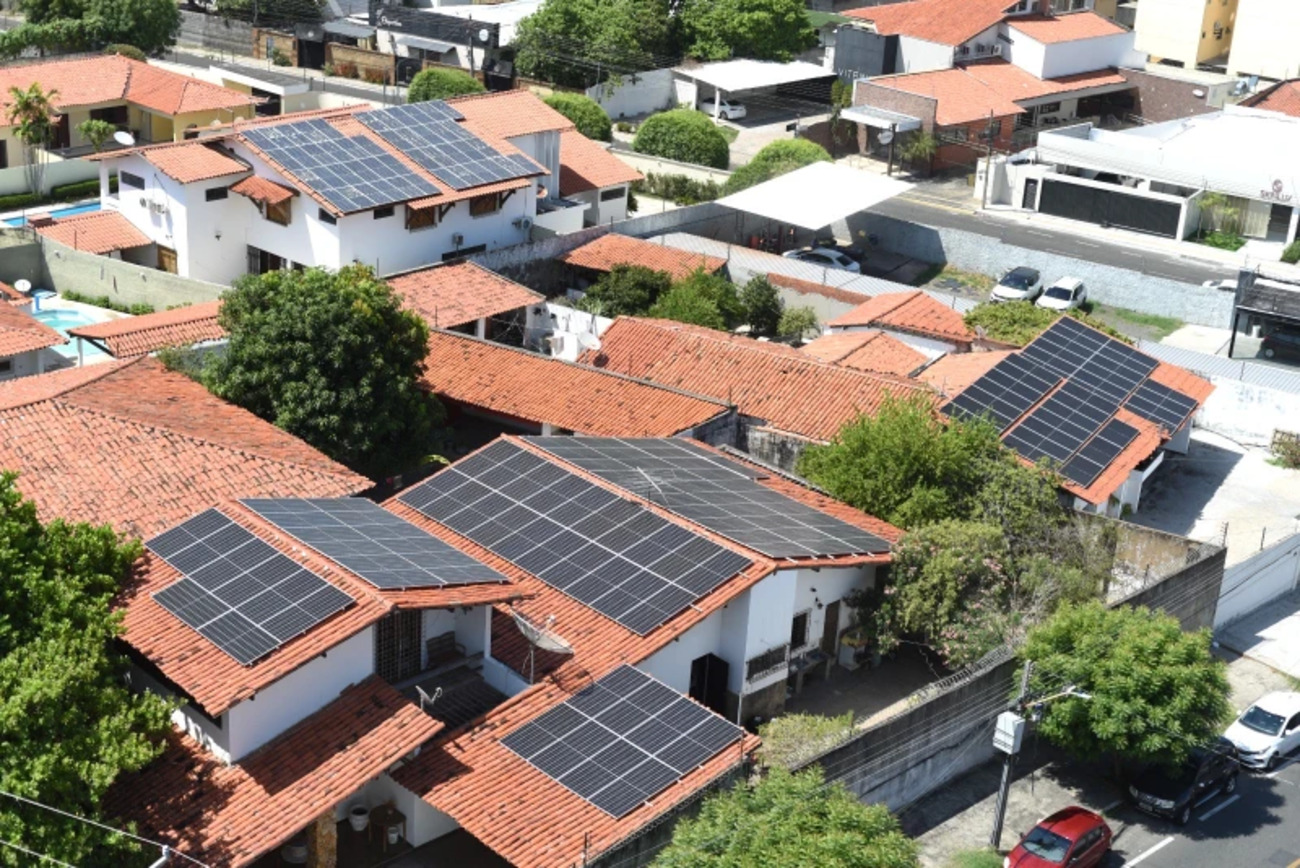
Piauí reaches a historic milestone in energy transition: State records nearly 160,000 households powered by solar energy and leads growth in the Northeast.
-
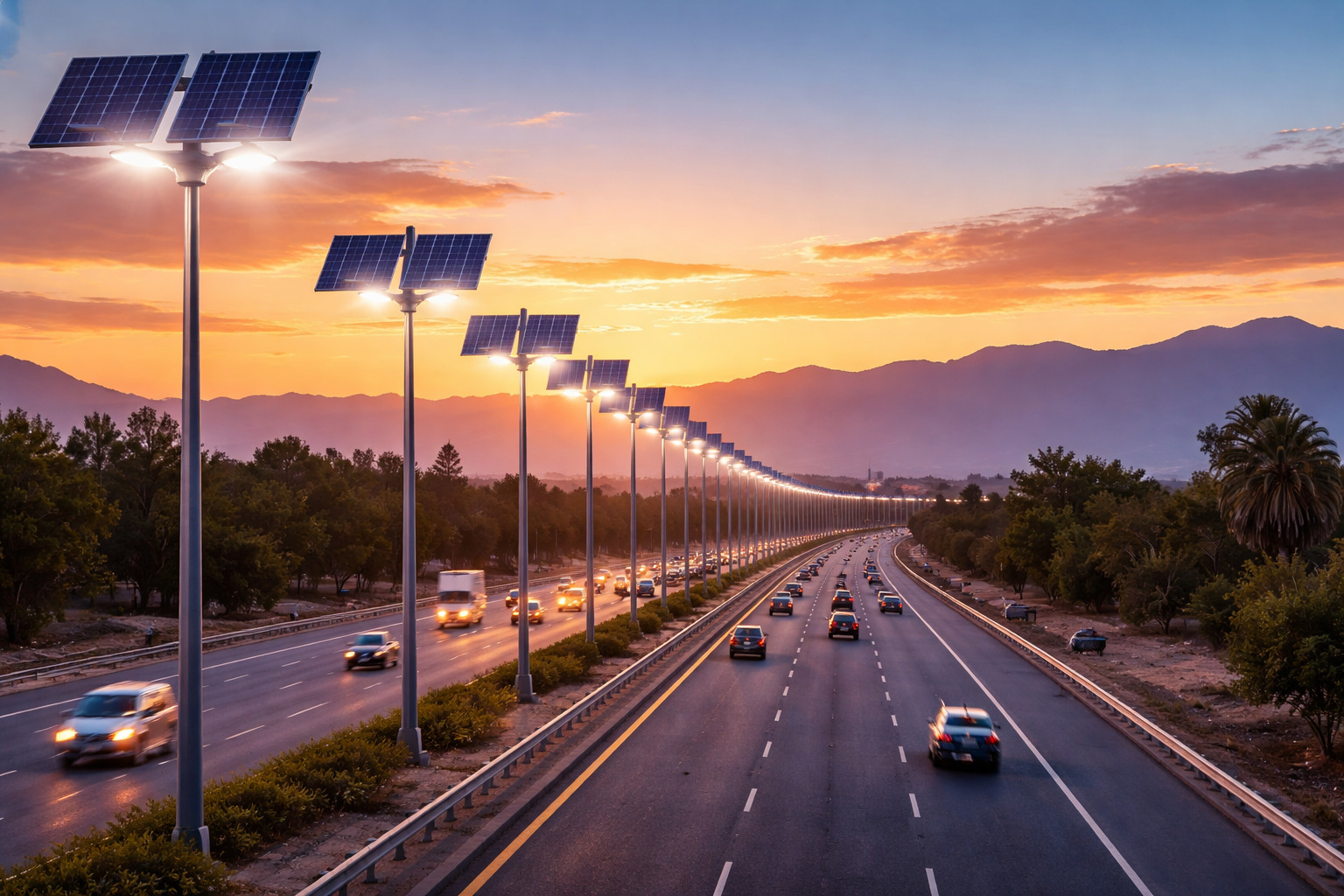
Argentina debuts its first 100% solar-powered highway and transforms an entire road into a showcase of clean energy.
-
Minas Gerais reaches a historic record and surpasses the power of Itaipu, but network costs generate debate: Understand why solar energy in MG impacts the electricity bill of those without panels.
-
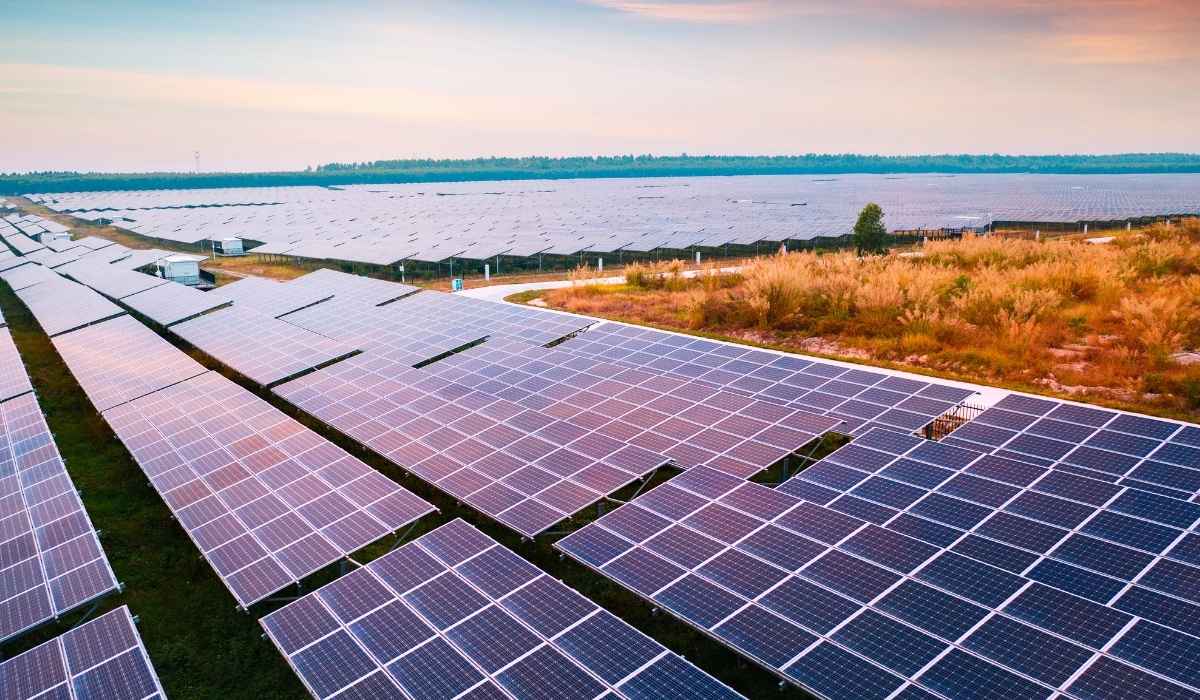
Mexico surprises the world by building the future largest solar plant in Latin America, advancing with planned expansion to over 1 GW, and boosting solar energy in the country.

However, according to Solfácil, the recent drop in polysilicon prices — the raw material used in the manufacture of solar panels — helped offset costs and pull prices down, which directly contributed to making Acre the state with the cheapest solar energy in Brazil.
The survey also reveals that the distributed generation sector, a model in which the consumer generates their own energy, continues to expand rapidly. By June 2025, Brazil had over 3.66 million solar systems connected to the electricity grid, according to the Infographic Solfácil based on data from the National Electric Energy Agency (ANEEL).
Residential consumers stand out, as they remain the primary growth driver in the sector. From January to June of this year, there were about 419,000 new connected systems, with a greater focus on smaller solutions that serve homes and small businesses.
Smaller Systems Gain Prominence in the National Scenario
The preference for lower-power systems, generally more accessible, reflects a shift in consumer profiles. In 2025, equipment with power between 3 and 6 kilowatts-peak (kWp) accounted for 46% of new connections — a range common in residential rooftops and small commercial establishments.
For comparison, this same range was responsible for only 35% of installations in 2017. Currently, 82% of all photovoltaic systems in Brazil are installed in residences, while the commercial and rural sectors each account for 8%. The industrial sector, in turn, represents only 1% of connections.
The attractiveness of the cheapest solar energy in Brazil is not restricted to Acre. Solfácil’s CEO, Fabio Carara, emphasizes that investing in solar systems remains economically advantageous, especially for the end consumer.
“The cost of solar panels continues to fall, the return on investment is quick, usually in less than three years, and electricity bills keep rising,” says Carara.
The combination of immediate savings and rapid returns strengthens the adoption of solar energy as a viable alternative for thousands of Brazilians, even with regulatory changes.
Central-West Leads in Proportion of Users with Solar Energy
Another highlight of the study is the regional advance of solar generation. The Central-West leads in proportional terms: 9.5% of consumer units in the region already have installed solar systems.
Next are the South (7.6%), North (5.6%), Southeast (5.2%), and Northeast (5.1%). Despite growth throughout the national territory, the data indicate that the potential of solar energy still remains far from being fully explored — especially in the Northeast, which has one of the highest solar occurrences on the planet.
São Paulo, Bahia, and Minas Gerais Lead in New Connections
In absolute numbers, São Paulo, Bahia, and Minas Gerais were the three states with the highest number of new connections between July 2024 and June 2025. Together, the three accounted for almost 30% of new installations in the country.
São Paulo leads with 159,000 new connections, followed by Bahia with 69,000, and Minas Gerais with 64,000. Mato Grosso (63,000) and Rio Grande do Sul (53,000) complete the list of the top five.
Price Drops, Accessible Credit, and New Regulatory Framework Boost the Sector
The growth in the number of solar systems across Brazil is driven by various factors. In addition to technological advancements and reduced equipment costs, there is also the role of facilitated credit for the acquisition of systems — a model in which companies like Solfácil are key players.
Another relevant stimulus is the legal framework for distributed generation, approved in 2022, which brought greater legal certainty for investors and consumers. Even with the transition of compensation rules that started in 2023, the model remains attractive for those seeking energy autonomy and savings on their electricity bills.
Solfácil, considered the largest ecosystem of solar solutions in Latin America, conducts monthly follow-ups on the evolution of distributed generation in Brazil, crossing public data from ANEEL with market analyses.
These reports are an important tool for both consumers and integrators and investors, allowing for more strategic and informed decisions based on the real scenario of prices, demand, and regional penetration of the technology.







Seja o primeiro a reagir!