





 Portuguese
  English
  Spanish
  6 min of reading
  0 comments


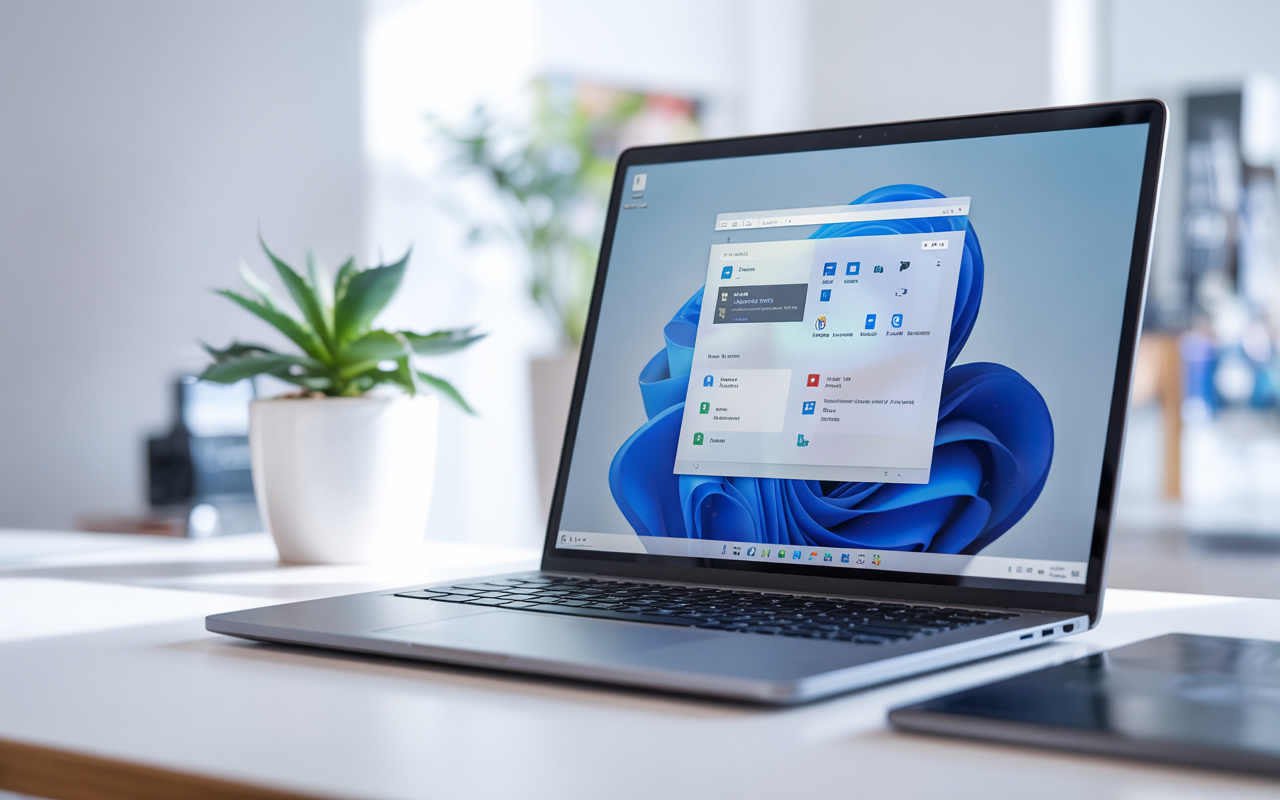
Discover How The New System Update With Self-Diagnosis Transforms Windows 11: Automatic Error Correction, Self-Resolved Failures, And More Stability On The PC Without Complications For The User
Windows 11 has just received one of the most anticipated features by users: automatic failure correction. With the new update of the system with self-diagnosis, Microsoft promises a more stable operating system, capable of identifying and resolving problems without the need for user intervention. This novelty comes as part of ongoing efforts to improve performance and reduce crashes, one of the biggest annoyances for those who use the computer on a daily basis.
The functionality has been confirmed by Microsoft itself and is part of the improvement package for version Canary Build 26236, currently in testing for developers and members of the Windows Insider program. The company ensures that, soon, the feature will be available to all users, bringing significant benefits for those seeking more productivity and less headache with unexpected failures.
How Does The New Automatic Correction Work In Windows 11?
The main innovation of this update is the proactive diagnostic system, which continuously monitors the operation of Windows in the background.
-
Goodbye pet hair on clothes: a washer with an internal filter promises to remove up to 5 times more hair than regular machines and uses an XL trap dryer system to capture what remains.

-
The most overlooked waste in the electricity bill doesn’t come from the refrigerator or the air conditioner; it escapes through almost invisible cracks in doors and windows, operating all day long and can steal up to 20% of the energy used for climate control, while a low-cost seal takes just a few hours to eliminate this loss.

-
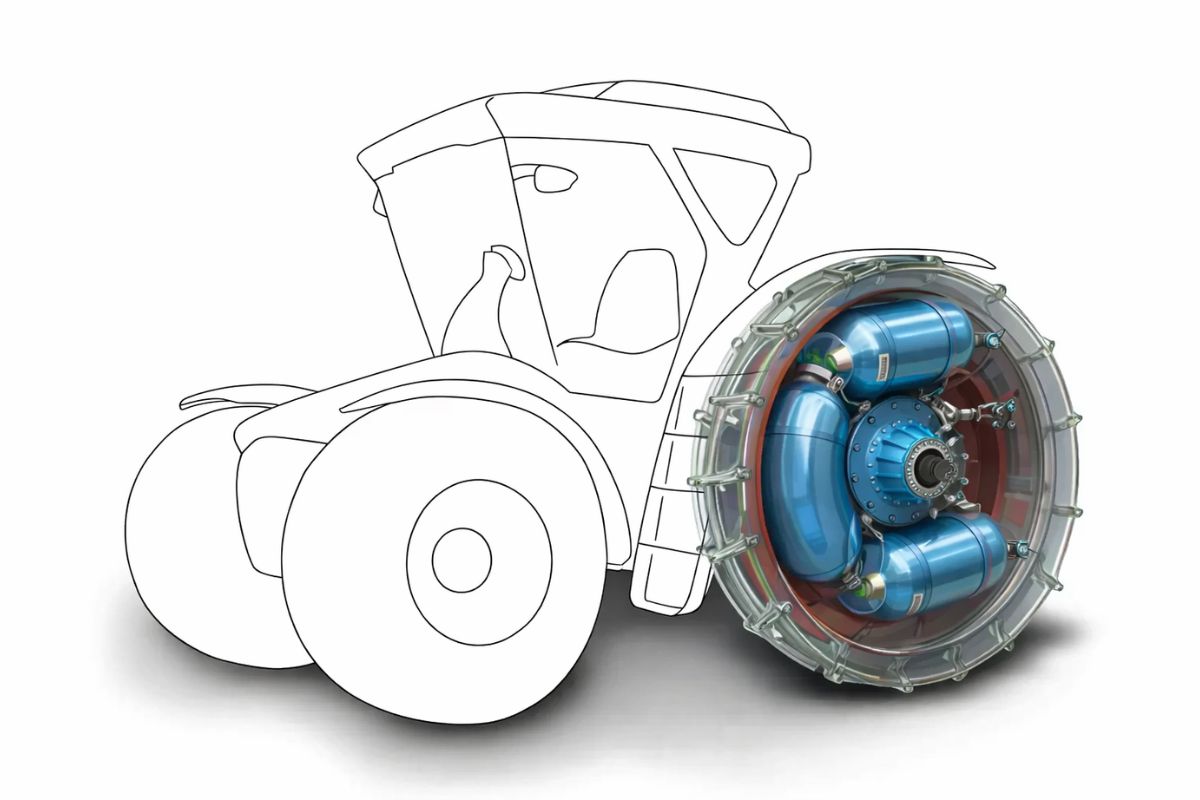
German engineers had an idea that no one had tried before: to hide the hydrogen tank inside the tractor’s wheels so that the machine can operate all day in the field without needing diesel.
-
China has created its first space exploration school, an academic structure with 14 areas, 22 new subjects, and a focus on interstellar propulsion to prepare for missions beyond the Moon and Mars.


When detecting anomalies, such as application failures, system errors, or performance issues, Windows itself is capable of performing automatic repairs. This automatic correction in Windows 11 operates silently, without interrupting the use of the computer or forcing unwanted restarts.
According to Microsoft, the new automatic correction feature aims to enhance the overall stability of the system, acting on the detection and repair of failures in the background to reduce interruptions in user experience. This solution integrates with Windows Update, utilizing artificial intelligence and machine learning to predict and correct failures before they impact user experience.
Self-Resolved Failures: What Changes In Practice For The User
Until now, Windows 11 users relied on tools like the “System File Checker” (SFC) and “DISM” to solve critical errors, often needing to consult technical tutorials to identify the problem.
Now, with failures being corrected automatically by the system itself, it is expected that the average user will no longer have to worry about advanced commands or complex reinstalls.
This automation is particularly beneficial in corporate environments, where downtime represents financial loss. Thus, companies can save hours of technical support thanks to this functionality. For home users, the benefit is the continuity of PC use without unexpected interruptions.
Windows 11 Gains Stability With Intelligent Self-Diagnosis
The launch of the feature occurs at a time when Microsoft seeks to consolidate Windows 11 as the company’s most reliable operating system. With Windows 11 gaining stability through self-diagnosis, the user experience is expected to be significantly improved, both on newer machines and on mid-range computers.
According to Statcounter data, Windows 11 already occupies about 35% of the global operating system market, surpassing previous versions like Windows 8 and Windows 7.
Microsoft is working hard to increase this share, primarily by eliminating friction points that drive some users away, such as system failures and frequent crashes.
What Stability Improvements Are Expected With The Automatic Correction In Windows 11?
With the introduction of the new automatic correction feature in Windows 11, Microsoft promises to enhance user experience through proactive repairs in the system.
Although specific details about all functionalities have not yet been fully disclosed, some known areas of the system already have diagnostic mechanisms that are expected to be improved. According to information released so far, the anticipated improvements are:
- Improvements In Windows Update: The update brings optimizations in the update process, reducing failures and errors during the installation of new packages. Microsoft claims that the goal is to make Windows Update more reliable for all users.
- Stability In File Integrity: Windows 11 maintains tools like System File Checker (SFC) and Deployment Image Servicing and Management (DISM) to repair corrupted files. While automatic correction may work in conjunction with these resources, total automation without user commands has not been confirmed.
- Background Application Management: The system already has capabilities to monitor application behavior and terminate non-responsive programs. With stability improvements, a more efficient management of these processes is expected, but no official details are provided regarding automatic application restarts.
- Boot Recovery: Windows still relies on tools like Startup Repair to fix problems that prevent a proper boot. The automatic correction feature is expected to complement this process, but there is still no official confirmation of new specific functions for boot failures.
- General Performance Adjustments: Microsoft mentions that the new version brings overall performance enhancements, with silent corrections in the background. However, it has not been specified which specific optimizations will be implemented automatically by the system.
In summary, Microsoft confirms that Windows 11 will provide a more stable and intelligent experience, but so far the available information indicates gradual advances in reliability, without confirming that all mentioned areas will have total automation.
System Update With Self-Diagnosis: Which Versions Will Receive The Feature?
Initially, the system update with self-diagnosis is being tested in the Canary version of Windows 11, aimed at developers and advanced testers. Microsoft has stated that the public release will occur in phases, prioritizing users who keep their system updated.
Users of Home, Pro, and Enterprise editions will have access to the feature for free, without the need for additional subscriptions. The only requirement will be to keep Windows Update active to receive cumulative and monthly updates that will activate the functionality.
The expectation is that the tool will reach all Windows 11 users by the end of 2025, accompanying other innovations focused on AI, productivity, and security.
Will Windows 11 Gain Stability And Will Self-Corrected Failures Become The Standard?
If the functionality delivers the expected performance, Windows 11 may finally distance itself from the image of a failure-prone system, consolidating itself as a modern, autonomous, and stable platform. Microsoft has already stated that it intends to keep the feature active by default, without requiring manual configuration.
Although the company does not make direct comparisons with other operating systems, the improvements aim to provide a smoother experience for users. While Microsoft has not yet announced specific plans to expand this feature to other applications like Microsoft Edge or Office, the company has been continuously investing in stability improvements in its main products.
More Productivity And Less Worries In Windows 11 With The System Update With Self-Diagnosis
The introduction of automatic correction in Windows 11 marks a significant advancement in the pursuit of more stability and reliability in Microsoft’s operating system. With self-resolved failures and a smarter system, users can focus on their daily activities without worrying about technical errors or the need for manual repairs.
The system update with self-diagnosis has the potential to transform the user experience, offering a Windows 11 that gains real and consistent stability over time. For those seeking a faster, more reliable PC without interruptions, the future of Windows promises to be promising.
As the feature becomes more popular, it will be possible to assess the practical impact on the reduction of problems. For now, expectations are high, and the tech market is already pointing toward a more efficient Windows, aligned with the needs of modern users.







Seja o primeiro a reagir!