





 Portuguese
  English
  Spanish
  3 min of reading
  0 comments


Study Reveals That Brazil Is Ready to Become a Global Leader in Climate Solutions, Attracting Trillions in Investments by 2050. But Are We Ready for This Transformation?
According to the website poder360, a study by the Boston Consulting Group (BCG), presented during an event in Paris, suggests that Brazil has an incredible potential to attract up to US$ 3 trillion in green investments by 2050. With a focus on sustainability, the country can transform its capabilities in the production of biofuels, renewable energies, and low-carbon agriculture, accelerating the mitigation of carbon emissions in the coming years. The report, entitled Brazil Climate Report 2024, emphasizes that Brazil is in a unique strategic position in the world to establish itself as a global hub for climate solutions.
Mandatory Investments: The Path to Decarbonization
The study divides the potential of the new green economy into two axes. The first axis covers the mandatory investments needed to zero out and mitigate greenhouse gas emissions, which will require around US$ 2 trillion by 2050. This includes an estimated investment of US$ 800 billion in decarbonizing the transport matrix, covering hybrid, electric, and biofuel-powered vehicles. Additionally, around R$ 400 billion will be needed to reduce emissions in the industry, while the oil and energy sector will require R$ 300 billion.
“If we stop to think, this is a true race against time, where Brazil can get ahead,” comments an expert closely following sustainability trends. By adopting cleaner and more efficient technologies, the country not only meets global requirements but also positions itself as a leader in the sector.
-
A study confirms that the natural gas sector will reduce greenhouse gas emissions in Brazil by 0.5% and accelerate the energy transition by 2026.

-
Petrobras implements a severe adjustment and confirms a 55% increase in the price of aviation kerosene with a proposal for installment payments for the companies.

-
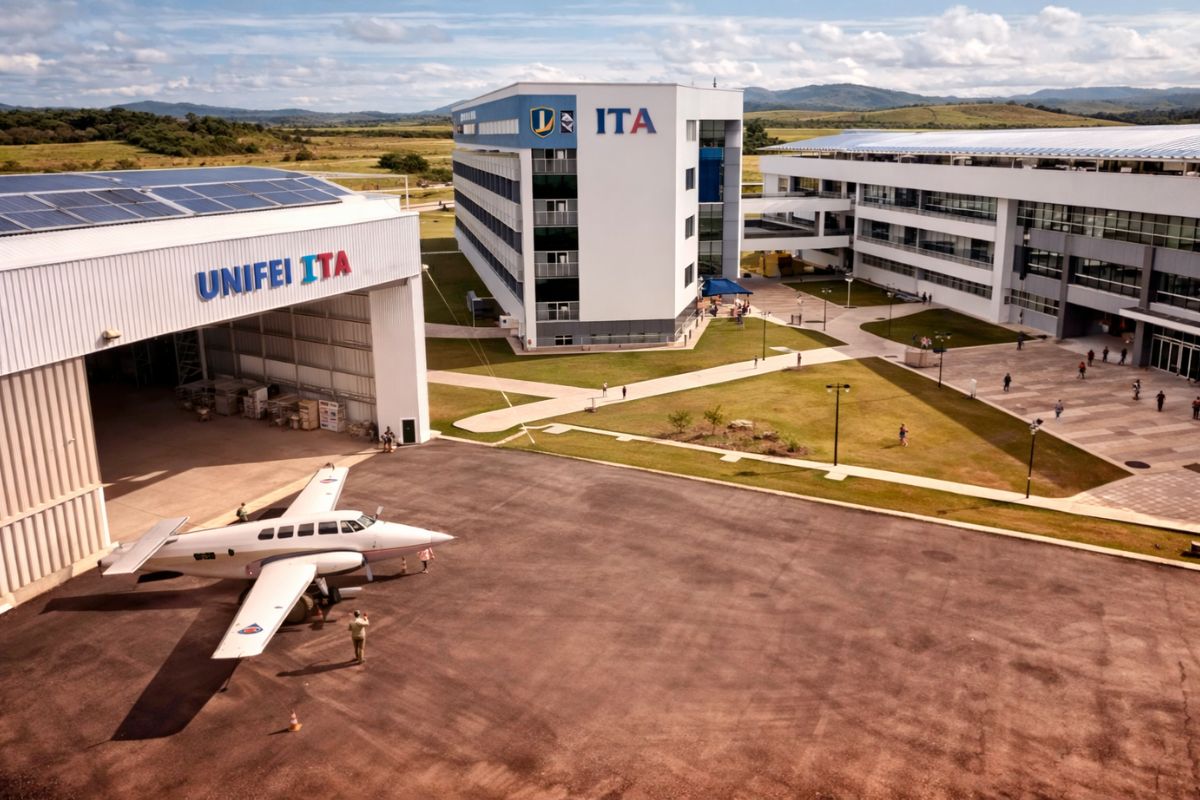
The institute that trained the greatest aerospace engineers in Brazil has just opened its first campus outside São Paulo after 75 years: ITA Ceará will have R$ 445 million, new courses in energy and systems, and classes are expected to start in 2027.
-
Luciano Hang, owner of Havan, goes to Juiz de Fora after the tragedy in February, brings R$ 1 million, hands out R$ 2,000 cards, and donates up to R$ 15,000 to victims in the region.

The Potential of the New Green Economy
The second axis of the report goes beyond the mandatory investments, exploring the possibility of new projects that could generate between R$ 600 billion and US$ 1 trillion. This new positive climate agenda focuses on four main pillars: nature, sustainable agriculture, renewable energy, and green industrial products. This includes the production of green steel, biofertilizers, and the recovery of degraded pastures. The transformation in agriculture can not only increase food production but also promote the export of sustainable products, further boosting the economy.
The study indicates that, with the combination of these new projects and mitigation initiatives, the level of investments in relation to Brazil’s GDP could jump from 17% to 30%, surpassing the average of the European Union and the United States, which ranges from 21% to 23%.
Brazil: The New Destination for Data Centers and Critical Minerals
The report also points out promising opportunities in the data center sector, which deactivates intensive electricity consumption. Brazil can become a crucial player in this expanding market, especially due to its clean electricity matrix, powered by renewable sources. Furthermore, the country has vast reserves of strategic minerals such as nickel, lithium, and rare earth elements, essential for the energy transition and the development of less renewable technologies.
“If Brazil positions itself as a reliable supplier of critical minerals, we could see a significant transformation in the national economy,” says a market analyst. Investments in new protection and production technologies could not only increase Brazil’s competitiveness but also contribute to a more sustainable and less fossil fuel-dependent economy.
Towards a Sustainable Future
The BCG report highlights that, although Brazil is already a leader in biofuel production, a true transformation into a sustainability hub depends on concrete actions and robust investments. Adaptation to climate change, along with setting targets and action plans, will be crucial for facing the challenges of the “new normal.”
Moreover, the involvement of the private sector and the strengthening of the public sector are crucial to ensure that these investments come to fruition. Therefore, Brazil not only has enormous potential ahead but also a vital responsibility: to act now to reap the benefits of a greener and more prosperous future.






Seja o primeiro a reagir!