





 Portuguese
  English
  Spanish
  6 min of reading
  0 comments


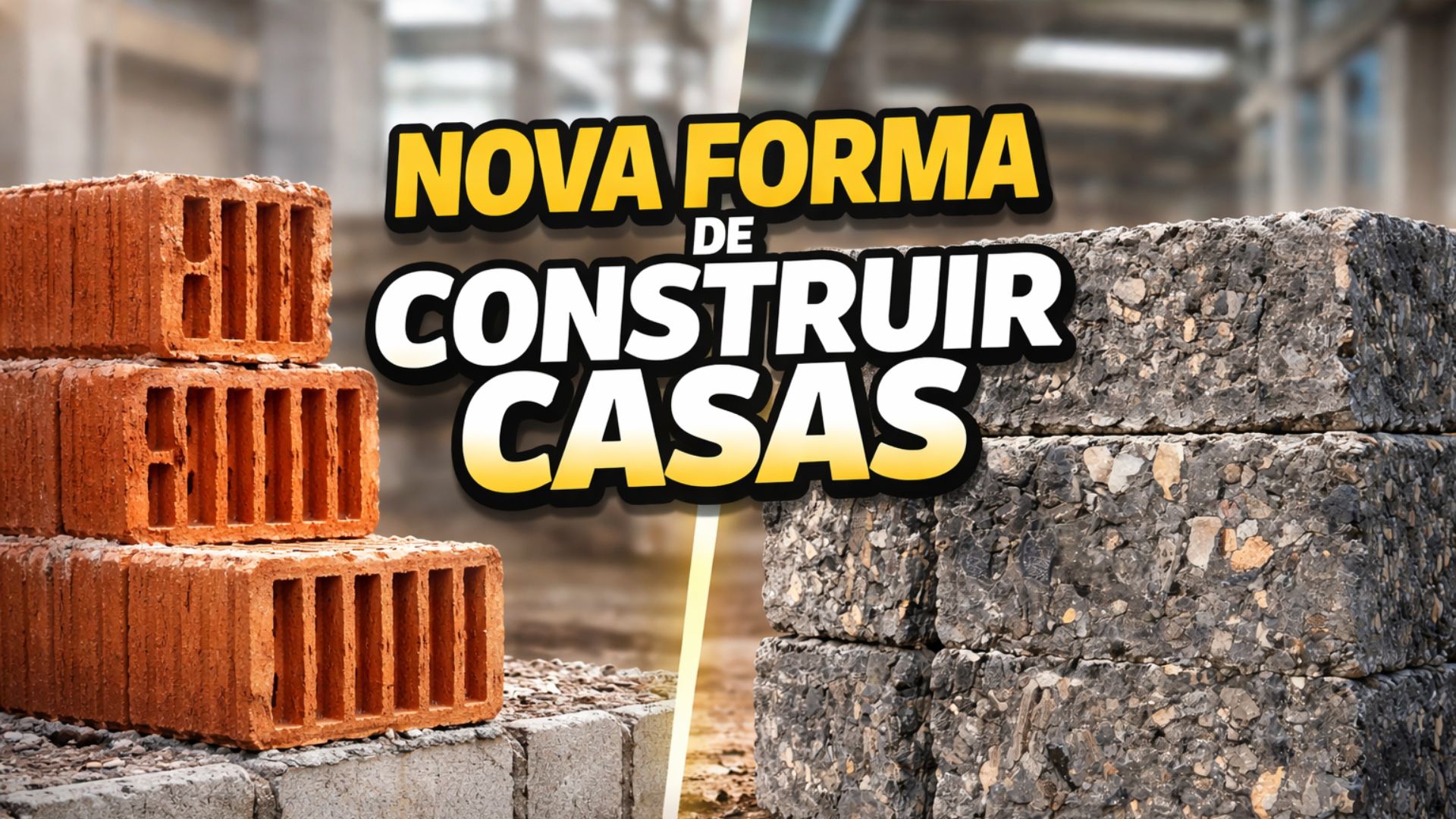
Masonry Blocks Made with Steel Slag Cured in CO₂ Gain Ground as an Alternative to Brick and Concrete with Cement, Using Mineralization to Harden Without Traditional Binders. Industrial Process Reuses Steel Industry Waste and Incorporates Carbon Dioxide into the Material, Maintaining Similar Applications to Masonry.
An alternative to traditional brick and concrete block begins to take shape outside the construction site and within the industry: masonry blocks produced from steel industry waste, compacted and “cured” in a CO₂ atmosphere to acquire strength, without using cement as a binder.
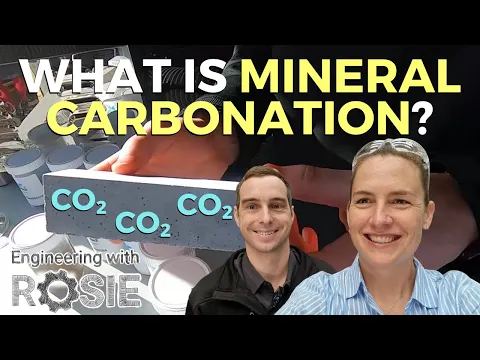
The proposal, known commercially as Carbstone, is presented as a technology that utilizes calcium- and magnesium-rich slags and transforms carbon dioxide into part of the material itself by chemically binding it during the carbonation process.
How Carbonation with CO₂ Works in Block Manufacturing
In practice, the method replaces the “glue cement” with a controlled reaction: CO₂ acts as a curing and hardening agent by reacting with the alkaline components of the slag, forming stable carbonates.
-
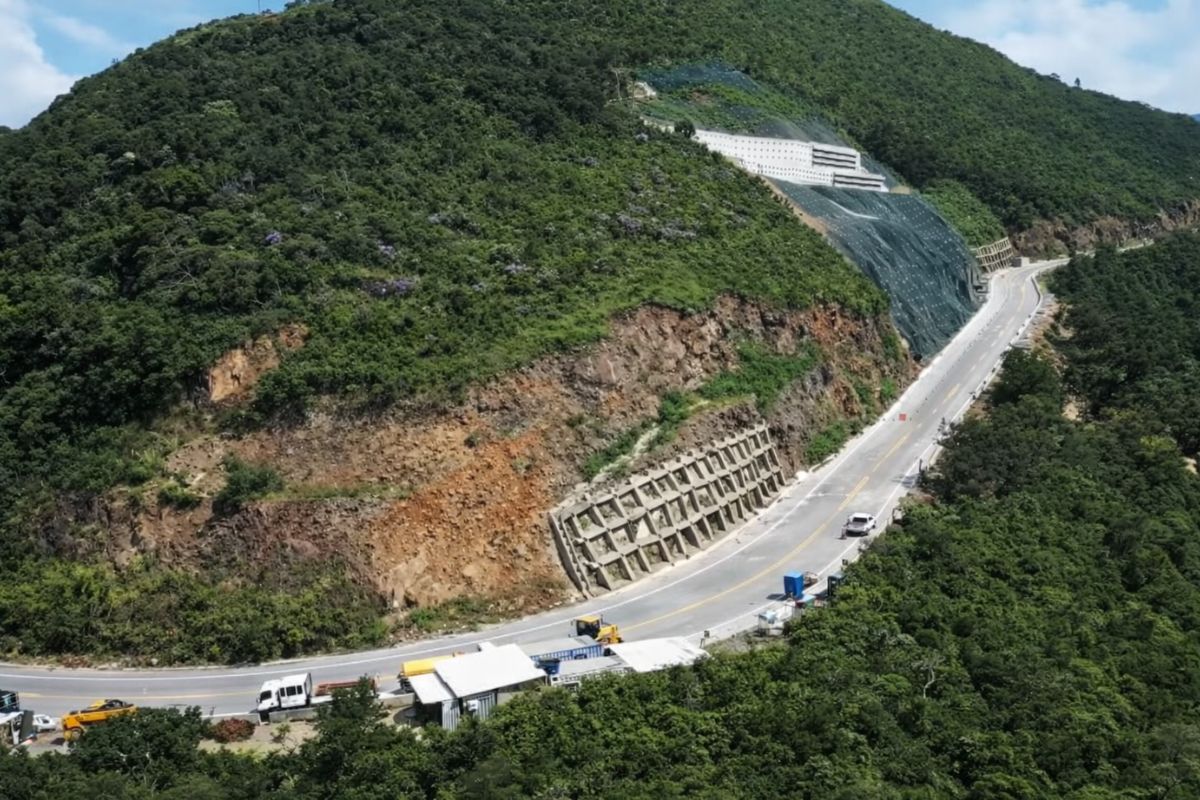
The section of Serra da Rocinha on BR-285 is now open in Timbé do Sul: 50 m tensioned curtains and top-down technique stabilize the slope, with a stairway duct controlling the water.
-
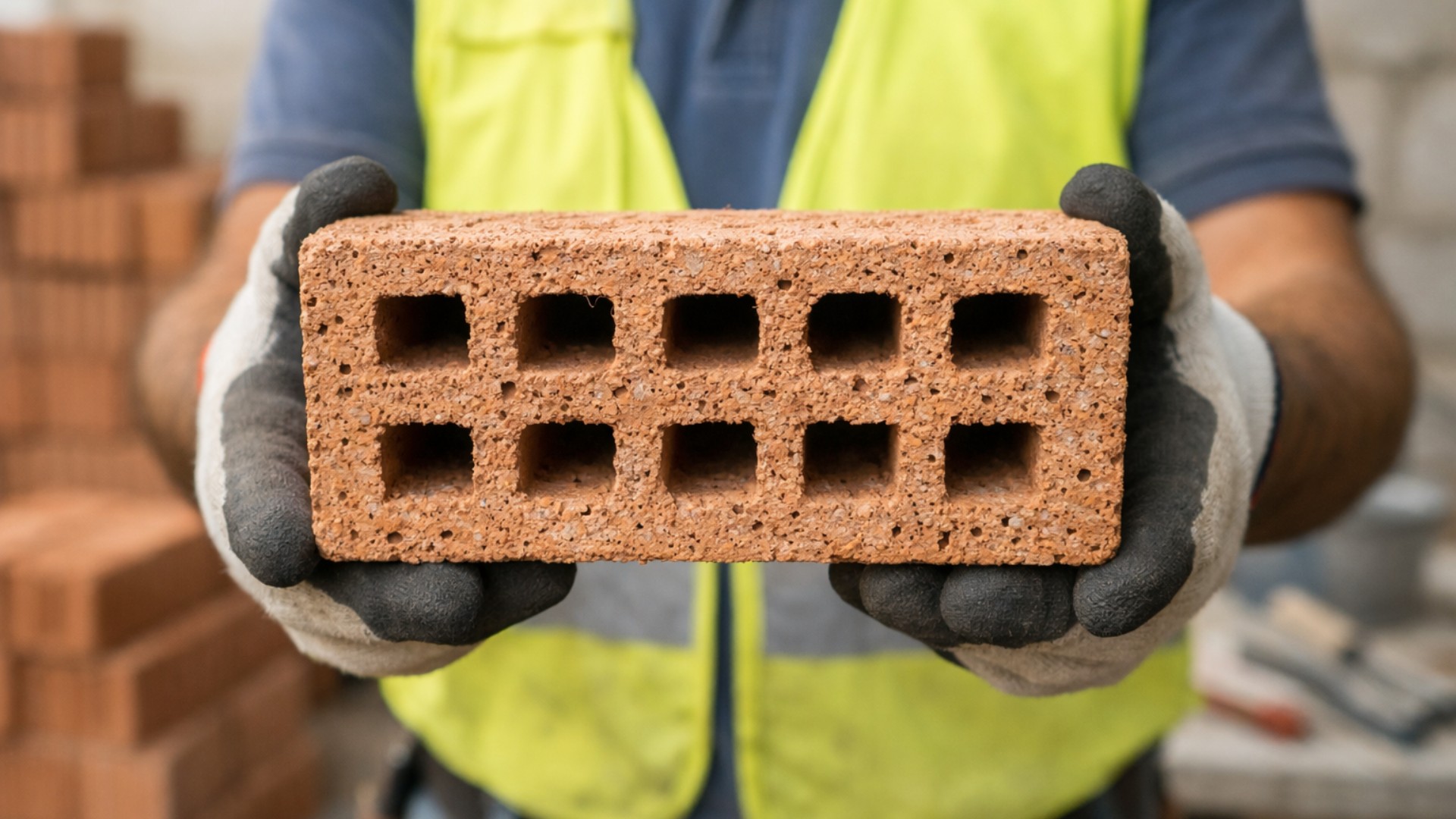
Scientists use sawdust mixed with clay to create a lighter brick, promising efficient thermal insulation and impressing by transforming waste into a solution for construction.
-
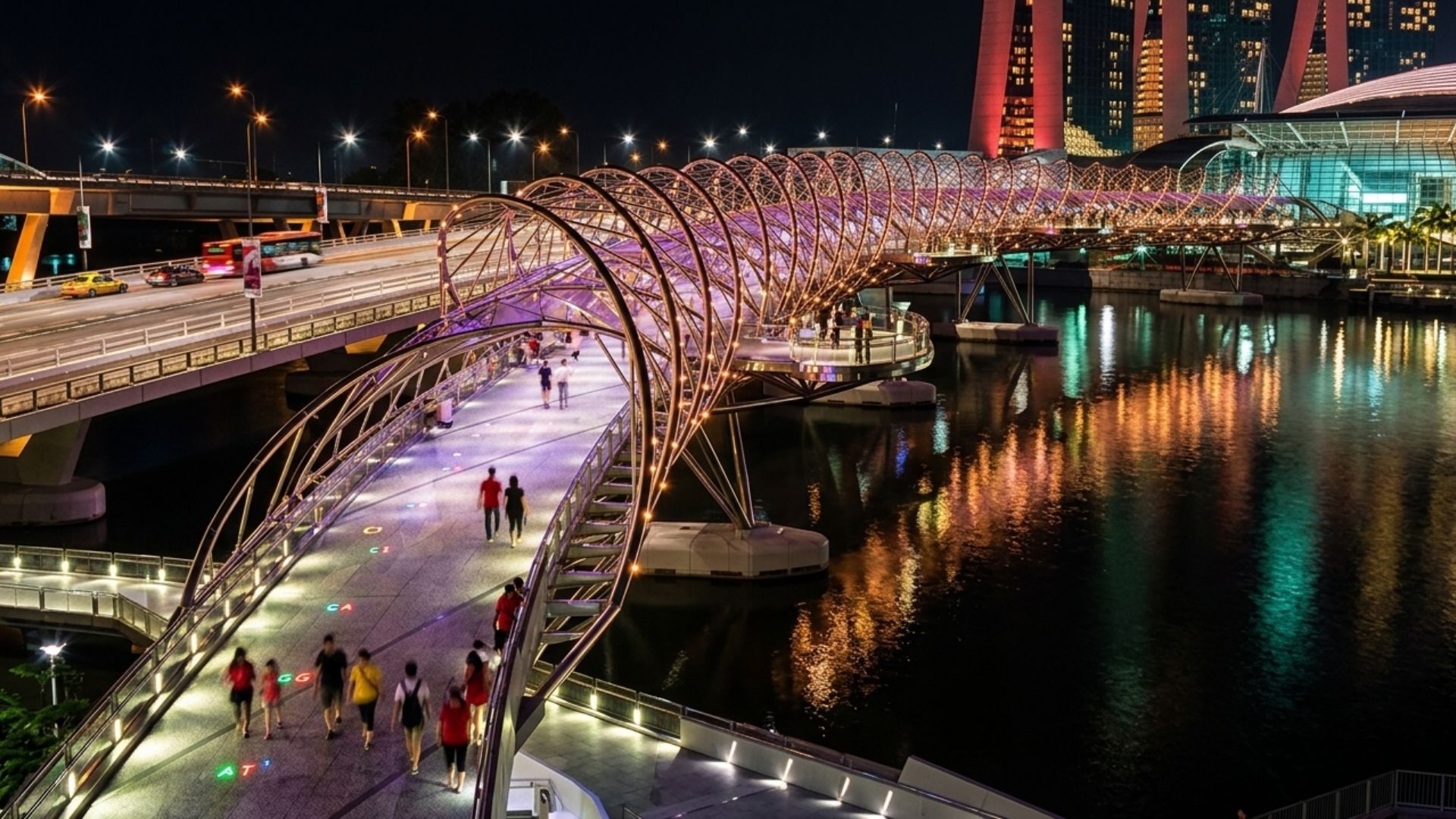
With a DNA shape, this bridge in Singapore draws attention in modern architecture and surprises tourists by transforming a simple crossing into an unforgettable visual experience in the urban heart.
-
Giant underwater pipeline begins to take shape with a R$ 134.7 million project at the Port of Santos: the 1.7 km structure uses 12-meter and 700 mm pipes to supply water to 450,000 people in Guarujá.


The explanation appears both in the description of the technology by VITO, a Belgian research center associated with the development of the concept, and in the institutional materials of Orbix, a company linked to the industrial application of the process.
Steel Slag as Raw Material and “Zero Cement” in Masonry
What stands out is the promise to maintain the familiar constructive logic of masonry—laying blocks, erecting walls, and creating openings—while altering the “recipe” and the industrial path of the product.
Instead of relying on clinker and Portland cement, the block starts with steel by-products, which already go through recycling routes to recover metal and mineral fractions, and proceeds to a stage where CO₂ is introduced as a binder.
VITO describes the use of steel slag as raw material and states that the technology utilizes CO₂ instead of cement, also highlighting the liquid storage of CO₂ per volume of material in examples published by the institution itself.
Circular Economy and CO₂ Mineralized in the Material
Manufacturers and developers link Carbstone to a central idea of circular economy: industrial waste becomes construction inputs, while a gas associated with global warming is mineralized during production.
On the Carbstone website, the company presents its blocks as “cement-free” and “CO₂-negative”, and highlights that the material would absorb CO₂ and continue hardening over time, under the exposure conditions described by the supplier itself.
From Research to Factory Floor in Europe
The European chain behind the product has been publicly narrated as a journey that moved from laboratory observations to validation and industrialization.

In a press release, VITO states that researchers observed the hardening of slags subjected to tests in a CO₂ atmosphere, which directed efforts to study the mechanism and take the process to applications in construction materials.
Orbix and the Industrial Process of Hardening Without Cement
At the industrial link, documents and corporate pages detail that carbonation relies on materials rich in calcium and magnesium oxides.
Orbix describes the technology as a conversion of CO₂ and industrial waste flows into durable materials, specifically citing steel slags, with the premise of eliminating the need for cement.
Production at Scale and Commercial Offer of Carbstone
Industrial-scale operations also appear in the communication of partner manufacturers.
A commercial PDF from Masterbloc, associated with the block’s market offering, describes Carbstone as a “circular, CO₂-negative, and cement-free” alternative to traditional concrete blocks, attributing the carbonation technology to the partnership with Orbix and emphasizing industrial-scale production.
Technical Evidence: Strength, CO₂ Absorption, and Process Control
Although the communication to the public uses terms like “capture” and “carbon-negative,” the scientific literature tends to frame the phenomenon as mineralization and accelerated carbonation of slags, with process parameters influencing strength gain, CO₂ absorption, and environmental performance.
In an article published in Frontiers in Energy Research, researchers describe the accelerated carbonation of compacted slag treated with CO₂ under controlled conditions, discussing how temperature, pressure, and slag type impact CO₂ absorption, strength development, and even environmental aspects like leaching of certain elements, a relevant topic when discussing the use of industrial waste in construction materials.
Environmental Balance and Life Cycle Assessments
Another crucial point for the “real world” is the environmental balance when the process moves out of the laboratory because carbonating, capturing, and concentrating CO₂ requires energy and logistics.
A life cycle assessment study published in the Journal of CO₂ Utilization compared carbonated blocks produced from stainless steel slags with conventional Portland cement-based blocks, analyzing benefits and environmental costs in an LCA approach, precisely to measure the trade-off between sequestering CO₂ in the material and the energy impacts of the process.
Product Performance in Applications Like Pavers and Blocks

In mechanical performance and applicability, research also investigates specific pieces such as pavers and blocks.
An article in the journal Applied Sciences (MDPI) deals with “Carbstone Pavers” and describes slag materials used in the process, including fractions produced by Orbix, in addition to discussing the product properties in an urban context, which helps to anchor the topic in published technical evidence, beyond institutional materials.
What Changes for the Construction Site and Wall Finishing
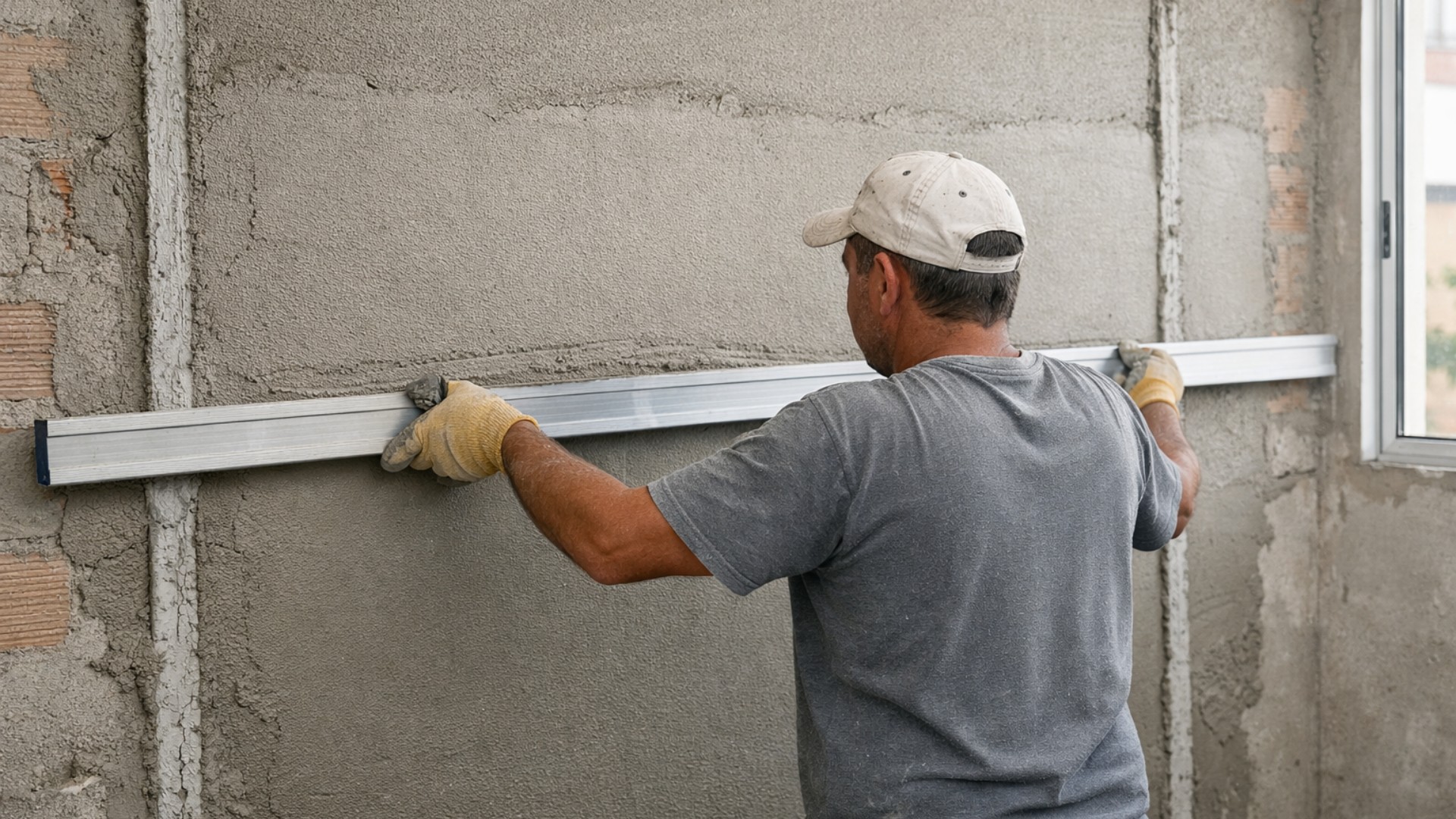
From the perspective of the construction site, the most immediate impact is that the wall goes back to being erected with a modular unit—“block on block”—but the finishing and behavior of the assembly may change according to the dimensional quality and surface regularity of the piece.
The Carbstone communication mentions structural strength, fire, and ice as product attributes, without dismissing the need for local validation by standards and testing when it comes to specifications in projects.
Parameters Defining Quality: Pressure, Humidity, and Reaction Time
In the materials industry, the key to enabling this type of block is standardizing the raw material, controlling the compaction stage, and conducting carbonation under predictable conditions.
Technical reviews on slag carbonation highlight that parameters such as temperature, partial pressure of CO₂, humidity, reaction time, and liquid-to-solid ratio influence the kinetics of the process and the formed microstructure, factors that determine how much the material hardens and how much CO₂ is effectively retained as carbonate.
Industrial Initiatives Associated with Carbstone Technology
The same technological route also appears in initiatives with a clear focus on masonry blocks produced with industrial gases.
The co2ncreat project, for example, publicly claims to manufacture “cement-free” blocks and that it permanently stores CO₂, presenting the initiative as an industrial implementation linked to years of research by Orbix in Carbstone technology.
A Traditional Block with a Different Chemistry
For the reader who associates “construction without brick” with 3D printing or dry systems, Carbstone draws attention for taking a different path: it industrializes the material but delivers to the construction site a piece that fits the classic language of masonry.
The main change is hidden in the factory, where CO₂ stops being just an emission and enters the equation as a hardening reagent, while the slag goes from difficult-to-dispose waste to a high-value input.
If the wall of the future can be assembled with blocks that eliminate cement and still incorporate CO₂ into the very structure, what will be the next industrial waste to become “raw material” for construction at scale?






Seja o primeiro a reagir!