





 Portuguese
  English
  Spanish
  4 min of reading
  0 comments


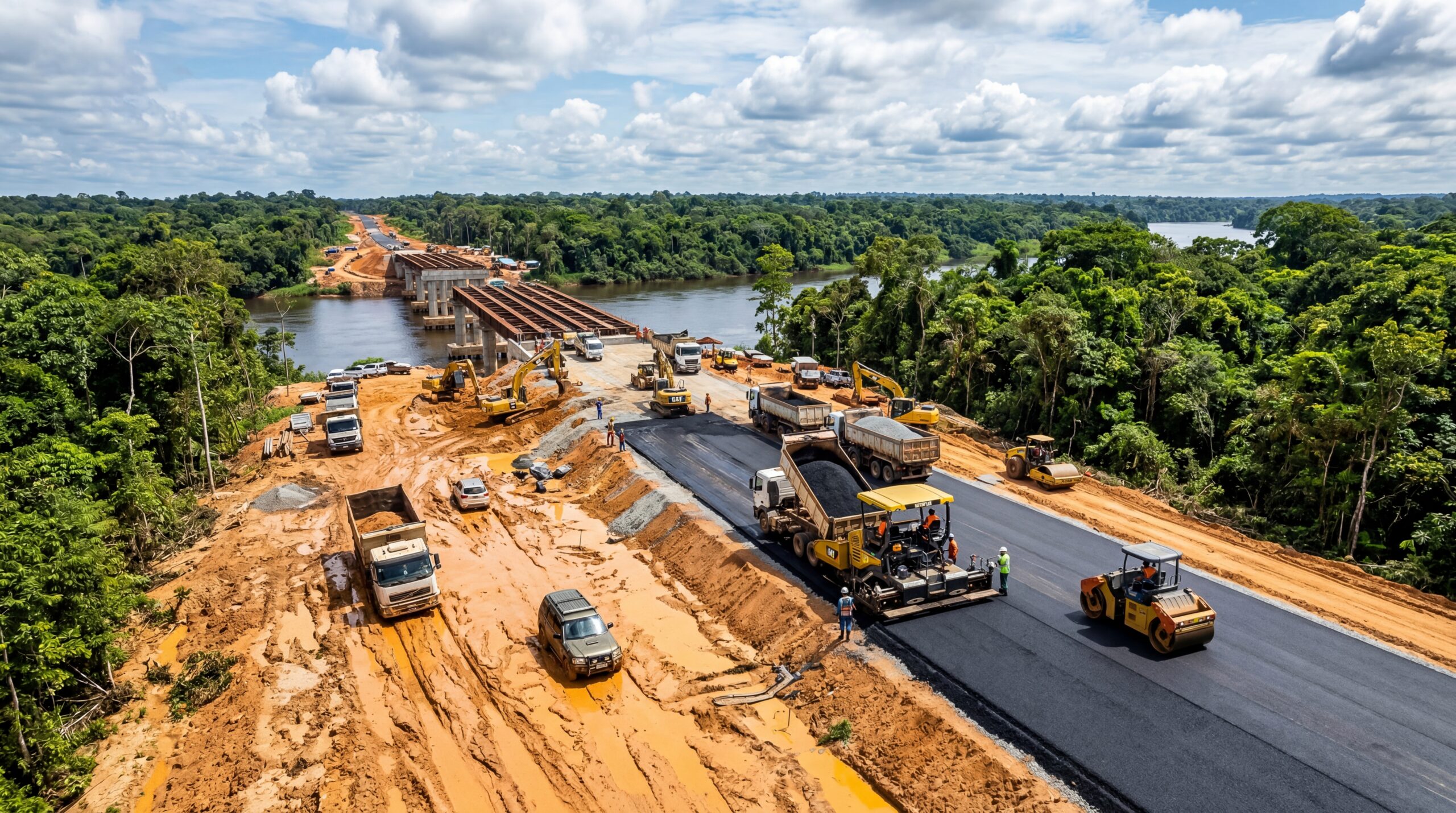
BR-319 advances with works aimed at paving, the bridge over the Igapó Sul river, reducing the isolation of Amazonas, and the direct impact on the economy of Amazonas.
The BR-319 has returned to the center of federal decisions after nearly 50 years of neglect, with the formalization of investments of R$ 678 million for paving works on nearly 340 kilometers of the highway. The measure aims to change a historical scenario of mud, potholes, bogs, and circulation difficulties faced by truck drivers, travelers, and residents of the state.
The authorization was formalized by the Ministry of Transport and Dnit, which also opened the bidding process for the services. The expectation now is to transform a road marked by precariousness into a safer, passable, and strategic route, although the progress of the works still depends on overcoming environmental requirements and ensuring continuous maintenance so that the problem does not recur in the future.
BR-319 advances after decades of neglect
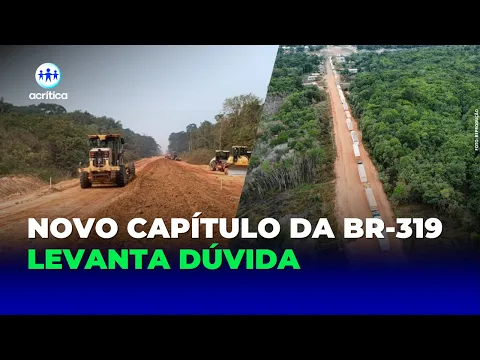

For almost 50 years, the BR-319 has become a symbol of road isolation in Amazonas. The highway, in many stretches, has turned into a survival challenge for those who depend on it to circulate, transport goods, or simply try to reach their destination without getting stuck in the mud.
-
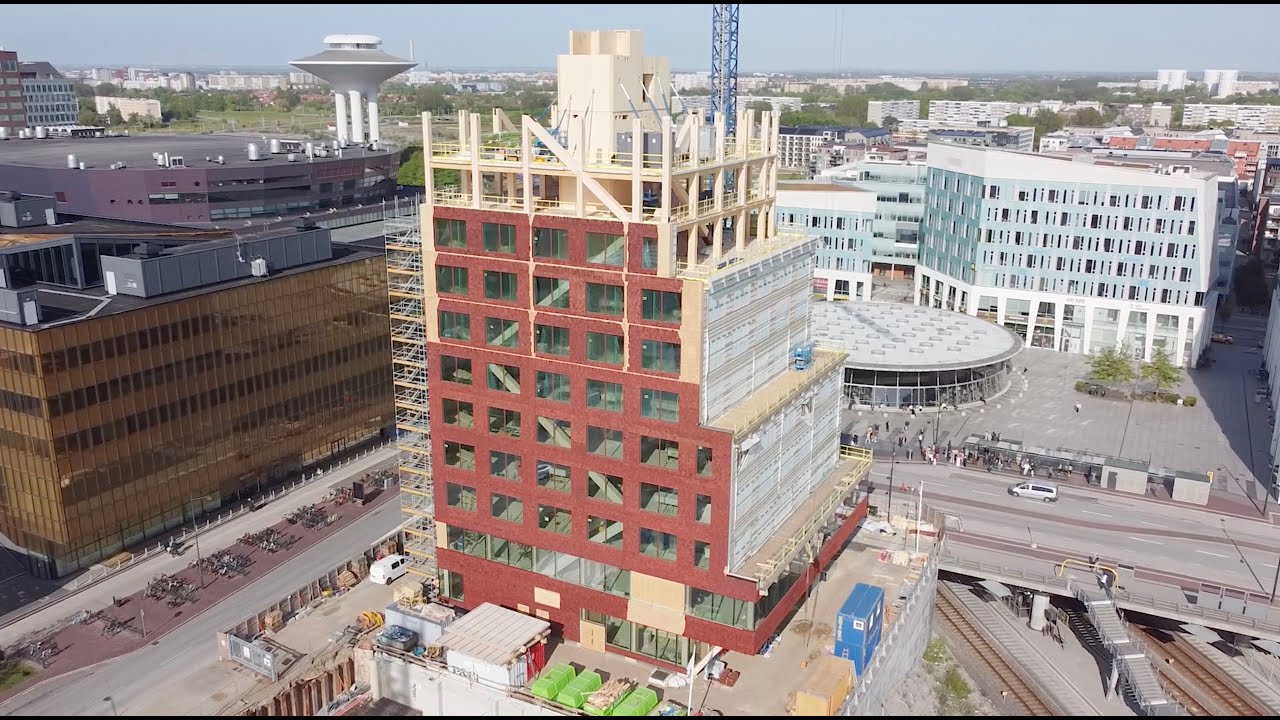
In Sweden, a 51-meter tower was built almost entirely of wood, without a concrete structural core and with solar panels integrated into the facade, using CLT and laminated beams to challenge the dominance of steel and concrete in modern buildings.
-
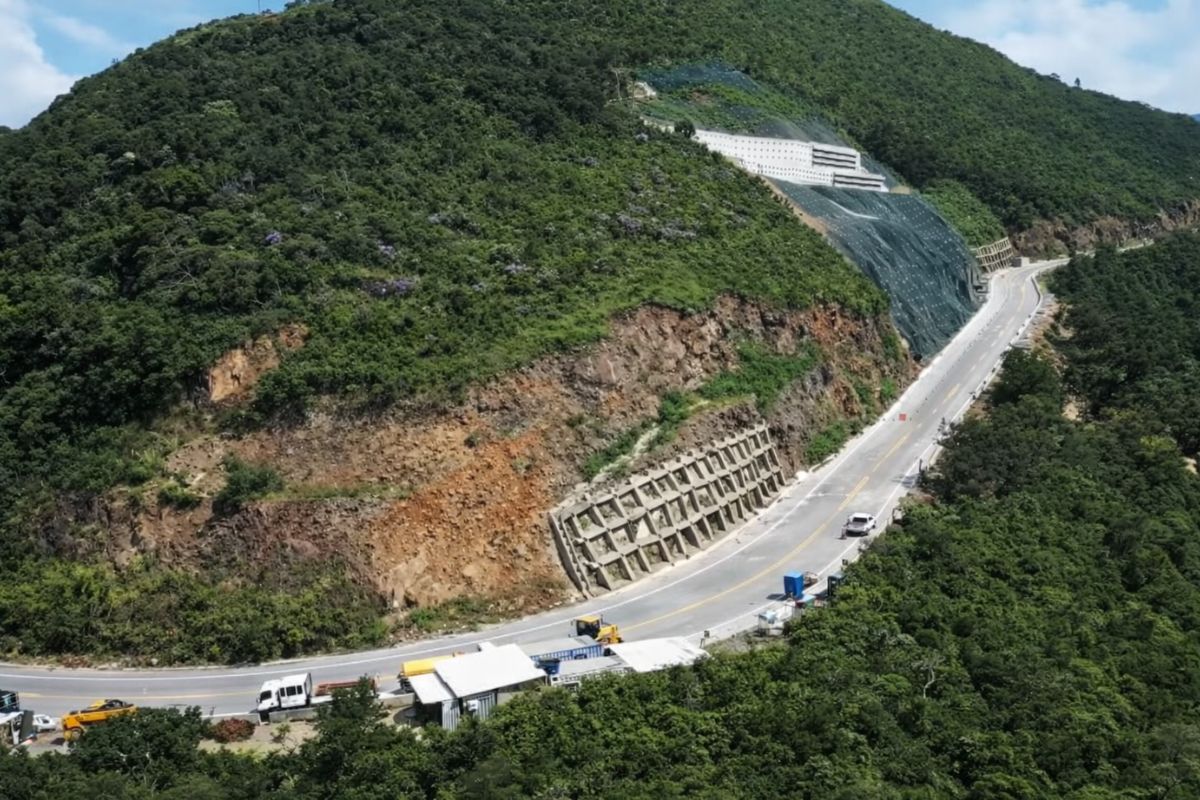
The section of Serra da Rocinha on BR-285 is now open in Timbé do Sul: 50 m tensioned curtains and top-down technique stabilize the slope, with a stairway duct controlling the water.
-
Scientists use sawdust mixed with clay to create a lighter brick, promising efficient thermal insulation and impressing by transforming waste into a solution for construction.

-
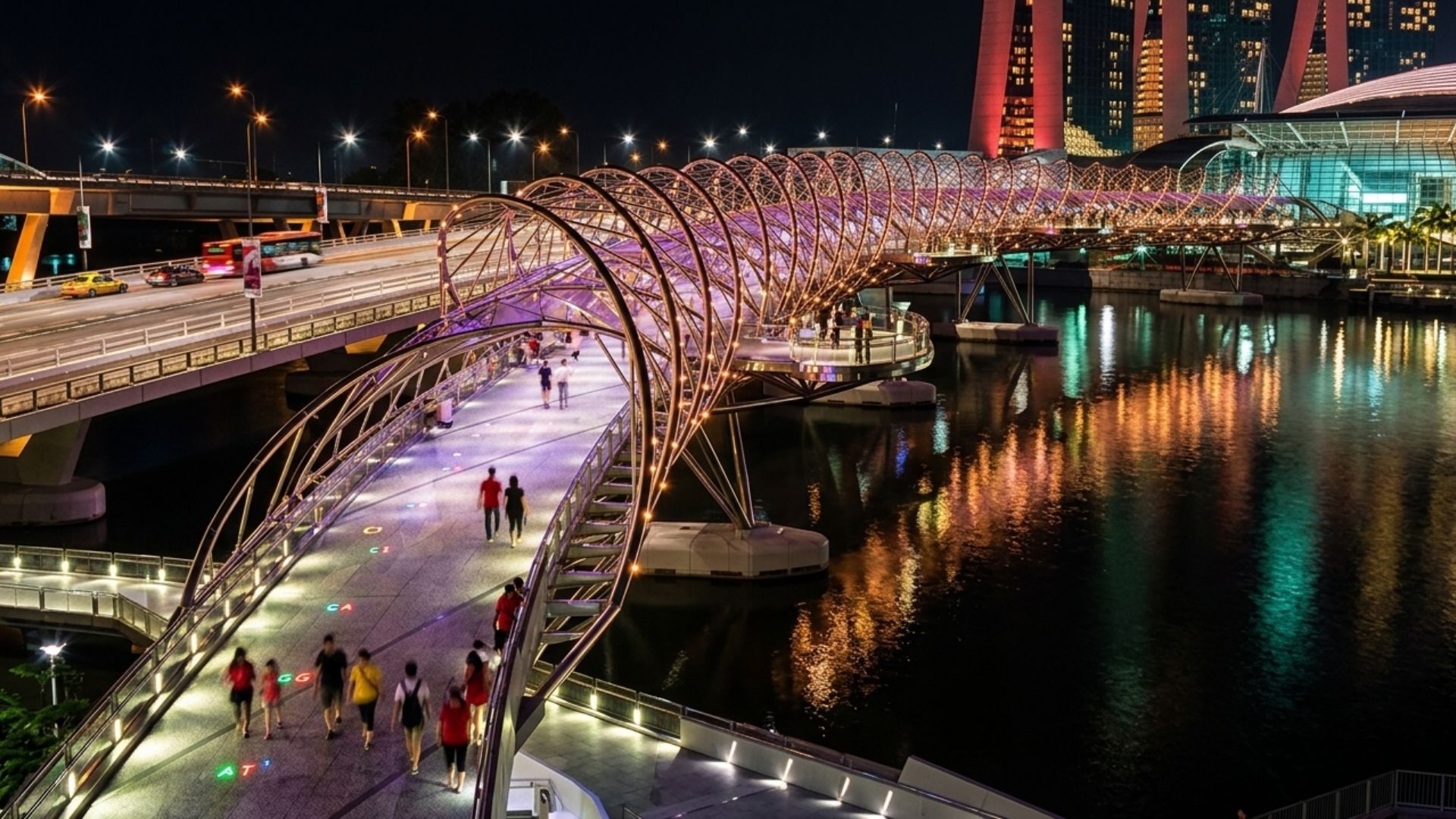
With a DNA shape, this bridge in Singapore draws attention in modern architecture and surprises tourists by transforming a simple crossing into an unforgettable visual experience in the urban heart.

With the new decision, the federal government authorizes the paving of the stretch from Igarapé Apuí to Igarapé Realidade, totaling nearly 340 kilometers.
The package represents one of the largest recent attempts to reverse the neglect of the road and restore minimum circulation conditions in a corridor considered essential for the state.
Investment includes a 320-meter bridge
In addition to paving, the project includes the construction of a bridge over the Igapó Sul river. The structure is budgeted at R$ 44 million and will be 320 meters long, with a projected completion time of 23 months.
The work is considered an important part of the logistical recovery of the region. It is not just about paving the road, but about rebuilding the functionality of a connection that has imposed suffering and uncertainty on those who need to cross the highway for years.
Highway is seen as a hub of the economy of Amazonas
The recovery of the BR-319 has a direct economic weight. In the report presented, the road appears as a key piece for the transport of products, inputs, and passengers, impacting local production and also the costs felt in daily life.
The assessment is that the state suffers from isolation and that this influences the circulation of goods linked to the Manaus Free Trade Zone, the industrial hub, and the producers living along the highway. When the road fails, logistics costs rise, and the effect reaches the population’s pockets.
There is also an understanding that Manaus, with over 2 million inhabitants, should not continue without a paved access compatible with its size.
In this context, the BR-319 ceases to be merely an infrastructure project and is treated as a matter of human development, regional integration, and economic competitiveness.
The challenge now is to start the works and avoid new obstacles
The proposals from interested companies will begin to be received at the end of April. The mentioned expectation is that the works can start in May, a period seen as more favorable after the peak of the rains in Amazonas.
Even so, progress is not treated as guaranteed. There is recognition that blockages and obstacles may still arise, especially due to the environmental requirements surrounding the highway. The service order has been signed, but the competition for the effective execution of the work is not over yet.
Another highlighted point is the need to avoid repeating past mistakes. The assessment is that the road cannot be paved and then return to degradation due to lack of maintenance. Without continuous maintenance, the cycle of neglect tends to repeat itself.
BR-174 also receives funds for maintenance
Alongside measures for the BR-319, the government allocated R$ 66 million for maintenance and conservation services of the BR-174.
The amount will be applied to a stretch of 255 kilometers, focusing on trafficability and safety for drivers.
Although the main focus is on the BR-319, this parallel action reinforces the attempt to improve road infrastructure in the region and ensure better conditions for the flow of products and the transport of passengers.
BR-319 concentrates the expectations of those living the reality of the road
The sentiment described around the BR-319 is one of hope, but also caution. There is an entire population waiting for the moment when it will be possible to travel without fear of getting stuck, without concern for breakdowns caused by mud and potholes, and without the feeling that any trip could turn into a serious problem.
Therefore, the announcement of investments carries symbolic and practical weight. For Amazonas, the BR-319 is treated as a decisive corridor to reduce isolation, strengthen the economy, and restore predictability for those who depend on the road.
And you, do you think that now the BR-319 will finally come to fruition and change the reality of Amazonas?






Seja o primeiro a reagir!