





 Portuguese
  English
  Spanish
  5 min of reading
  0 comments


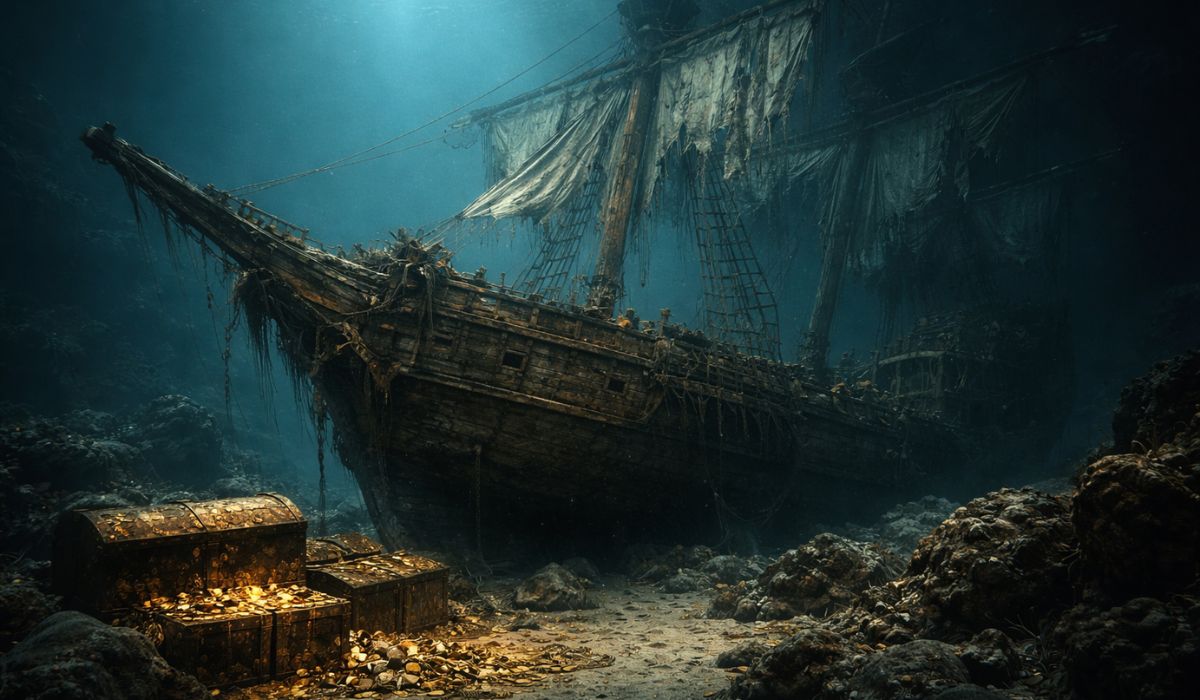
Between historical records, disputes over the cargo, and a never-confirmed location, the Flor de la Mar remains at the center of one of the greatest maritime enigmas linked to Portuguese expansion in Asia and the imaginary of sunken treasures.
The Portuguese ship Flor de la Mar, lost in November 1511 during the return journey from the conquest of Malacca, remains at the center of one of the most cited episodes in maritime history.
The shipwreck is recorded by chroniclers of the time and, to this day, its location has not been confirmed with certainty.
The fortune attributed to the ship, often described in billion-dollar figures and detailed lists of gold, jewels, and ceremonial objects, appears in part in estimates and later accounts.
-
Costco will open the first independent gas station in the company’s history with 40 pumps and no store around it on a 1,500 m² lot where a Bed Bath and Beyond used to operate in California, as fuel prices in the U.S. approach $6 per gallon.

-
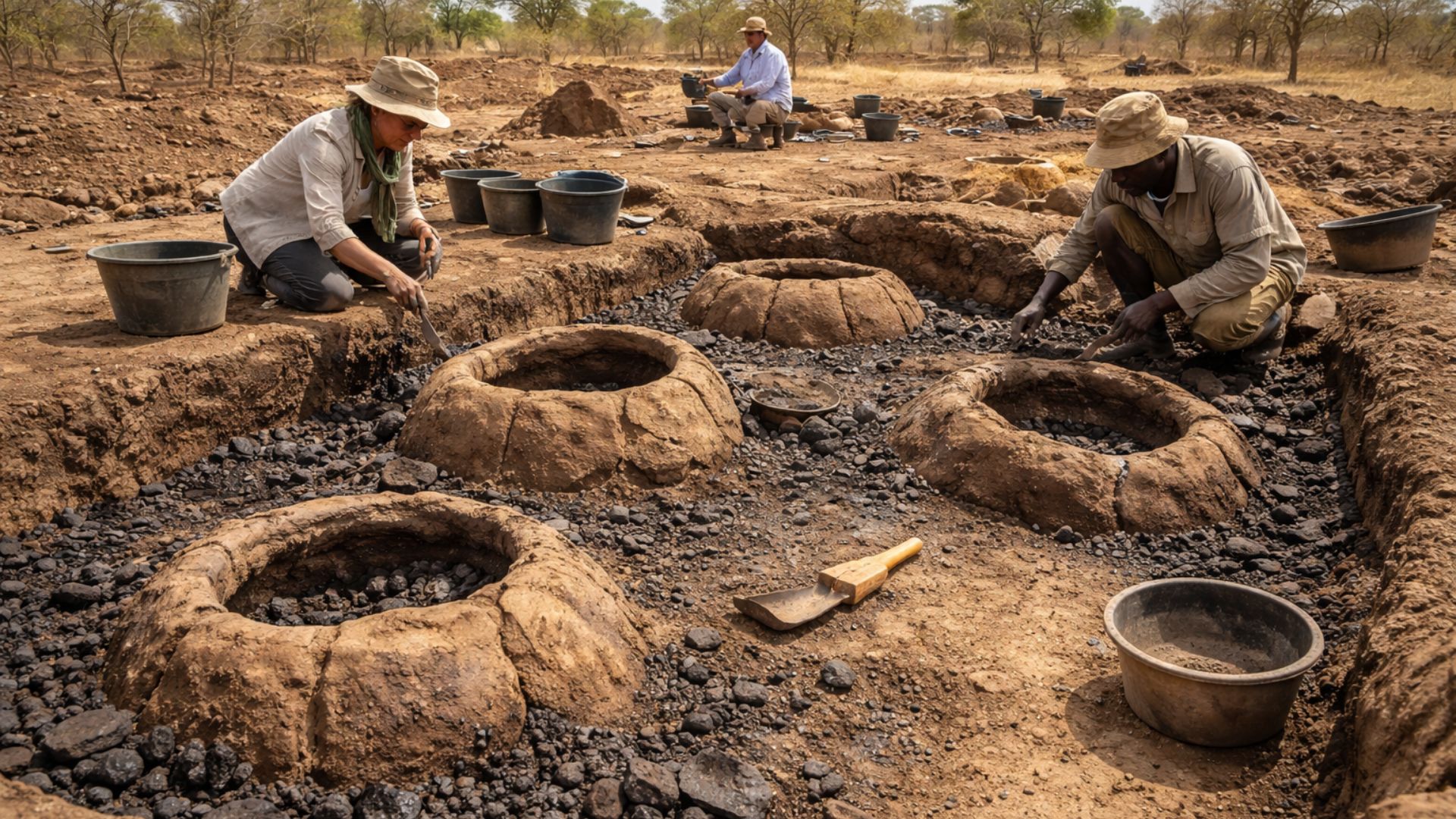
Discovery in Senegal reveals iron factory that operated for 800 years without changing technology, with advanced furnaces, surprising thermal control, and continuous production since the 12th century, challenging everything we knew about ancient innovation.
-
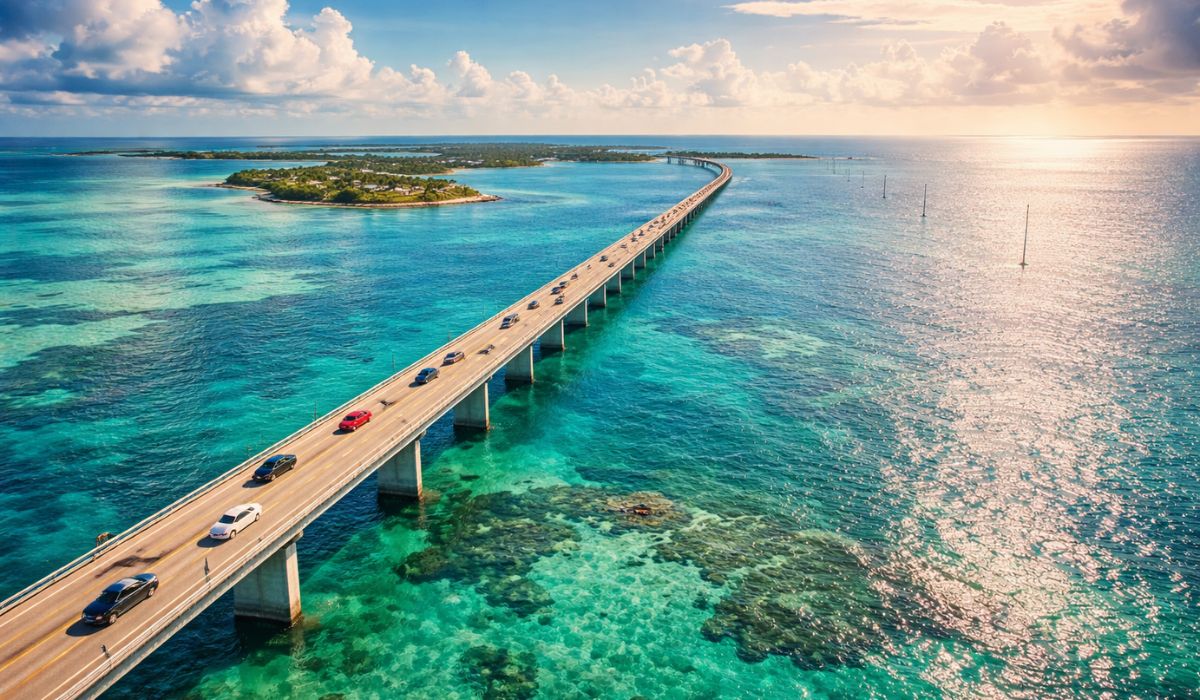
The impressive 180-kilometer highway that seems to float over the sea connects 44 islands and allows you to cross the ocean by car on one of the most incredible routes on the planet.
-
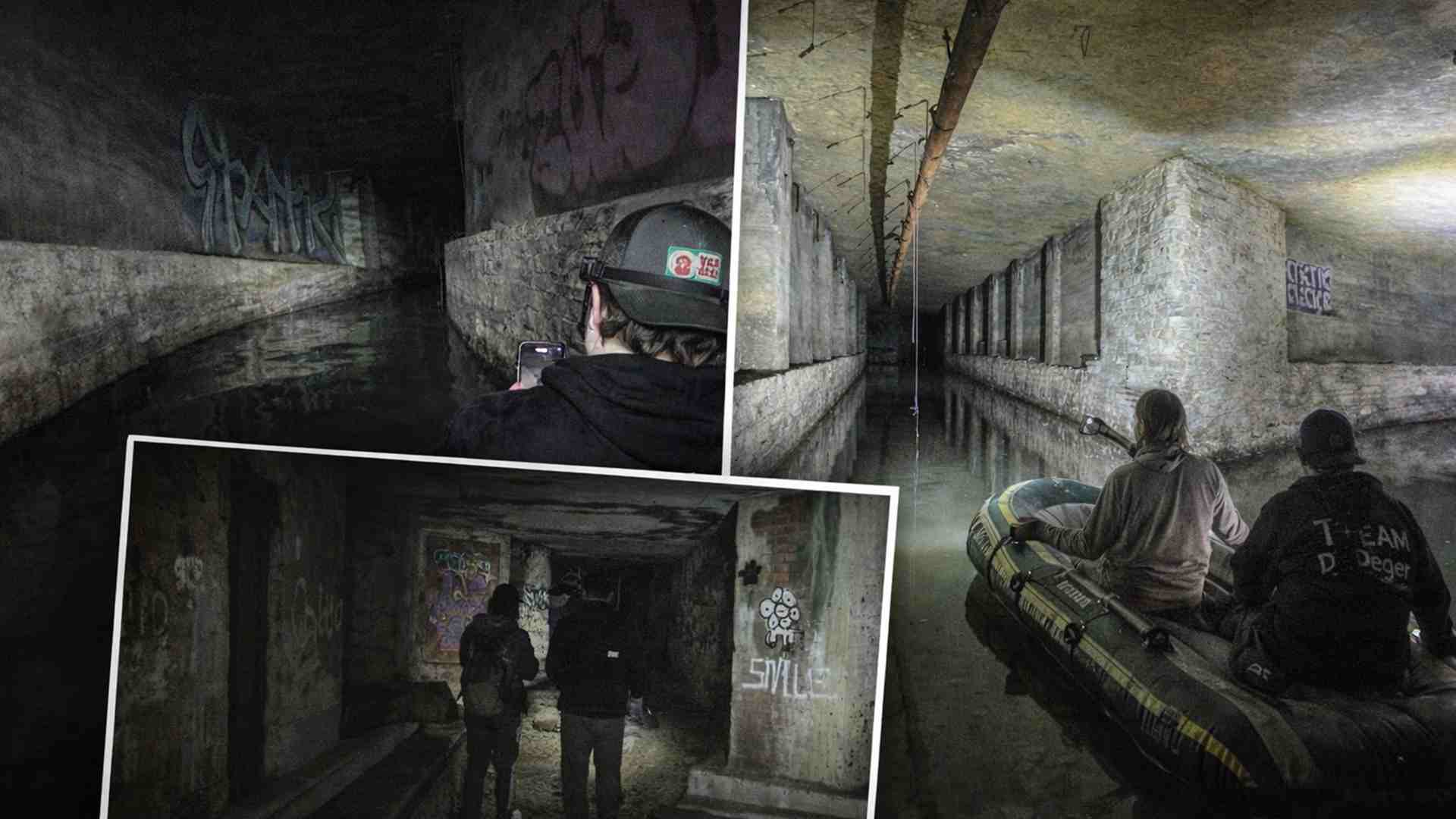
The dark underground world that exists beneath the Twin Cities of Minnesota.
What historical records indicate about the loss of the Flor de la Mar
Built in Lisbon in the early 16th century, the Flor de la Mar participated in decisive campaigns of Portuguese expansion in the Indian Ocean.
Over the years, the vessel gained strategic importance on the routes to India and was also mentioned in records for navigation difficulties when heavily loaded.
After the capture of Malacca by Afonso de Albuquerque in 1511, the ship left the port carrying part of the spoils collected after the conquest.
Albuquerque was on board, along with a cargo described in the chronicles as being of high value.
During the crossing through the Strait of Malacca, near the coast of Sumatra, the ship was hit by a storm and was lost on the night of November 20, 1511, according to reference works and studies on the episode.
Albuquerque survived the shipwreck, but the cargo and a large part of the crew disappeared with the vessel.
The loss occurred at a decisive moment of the Portuguese presence in Southeast Asia.
Malacca occupied a central position on the routes between the Indian Ocean and the South China Sea, and the sinking impacted an operation that had military, commercial, and political weight for the Portuguese Crown.
What is known about the cargo of the Portuguese ship
Over the centuries, the Flor de la Mar has come to be described as the richest shipwreck in the world.
This reputation is supported, on one hand, by historical references to the existence of treasure on board.
On the other hand, it has been amplified by later accounts, estimates without clear public methodology, and narratives linked to treasure hunting.
The chronicles associated with Afonso de Albuquerque record the loss of valuable objects and mention, for example, a bracelet he intended to show to the king, as well as bronze lions from the Sultan of Malacca.
There are also references to the transport of significant wealth.
Still, lists reproduced today in different publications, with exact numbers of treasure chests, closed tons of gold, or rare manuscripts, do not appear unequivocally in the primary sources consulted.
For this reason, it is possible to assert with certainty that the ship carried goods of great value by the standards of the time.
However, there is not enough documentary basis to treat as a proven fact that the cargo included 200 tons of gold and diamonds, nor to establish a definitive monetary value for this material.
The difference is relevant because, in other historical shipwrecks, part of the cargo has already been archaeologically identified.
In the case of the Flor de la Mar, the main limitation remains the absence of confirmation of the site.
Why the vessel has not yet been located
The area most frequently associated with the shipwreck is located around the northeastern coast of Sumatra, in a region historically linked to the ancient kingdom of Aru and nearby routes of Pasai.
This geographical reference, however, does not correspond to a fixed point on a map.
The historical sources do not fully converge on the location of the loss, and the coastal environment has undergone changes over five centuries.
Ocean currents, sedimentation, sandbanks, and changes in the coastline help explain the difficulty of the search.
In areas of strong sediment deposition, wooden remains may be buried under thick layers on the seabed, while metallic objects may disperse or remain covered.


Due to this scenario, the absence of location is not only due to a lack of historical interest but also to technical and documentary limitations.
Furthermore, underwater archaeology operations require state authorization, high funding, specific equipment, and coordination among different institutions.
Without this set of conditions, the possibility of locating and studying a site of this magnitude is restricted, even when there is international interest in the case.
The legal impediment to a possible salvage of the wreck
A potential location of the Flor de la Mar also encounters legal and diplomatic issues.
The UNESCO Convention of 2001 on the protection of underwater cultural heritage establishes that in situ preservation should be considered as the first option and prohibits the commercial exploitation of such archaeological goods.
The treaty also restricts the automatic application of salvage rights in cases of this nature.
The legal framework becomes more complex because the countries involved in the case do not occupy the same position regarding the convention.
Portugal ratified the treaty.
Malaysia and Indonesia, in turn, do not appear as States Parties in the consulted UNESCO lists.
This does not eliminate the need for cooperation among countries, but it shows that there is no uniform diplomatic regime for a potential operation of locating, researching, and retrieving pieces.
In practice, a discovery would not automatically pave the way for salvage for commercial purposes.
Before that, discussions would arise on topics such as maritime sovereignty, archaeological preservation, the fate of potential artifacts, treatment of possible human remains, and historical recognition of the vessel.
UNESCO itself establishes that this type of heritage must be protected within scientific criteria and long-term conservation.
The historical and archaeological interest in the Flor de la Mar
The persistence of the Flor de la Mar in historical debate is not explained solely by the value attributed to the cargo.
The shipwreck is linked to a moment of maritime expansion, commercial dispute, and circulation of wealth in the early 16th century.
The eventual location of the vessel would allow for a confrontation between what was recorded in the chronicles and what archaeology might identify on the seabed.
This point helps explain why the ship continues to attract the attention of researchers, governments, and specialized publications.
In a case marked by centuries of expanded accounts, a single piece with proven provenance and recovered in a scientific context would have greater relevance than repeated estimates of billion-dollar figures.
More than five centuries after the sinking, the Flor de la Mar remains a case where historical documentation and the absence of material proof walk hand in hand.






Seja o primeiro a reagir!