





 Portuguese
  English
  Spanish
  4 min of reading
  0 comments


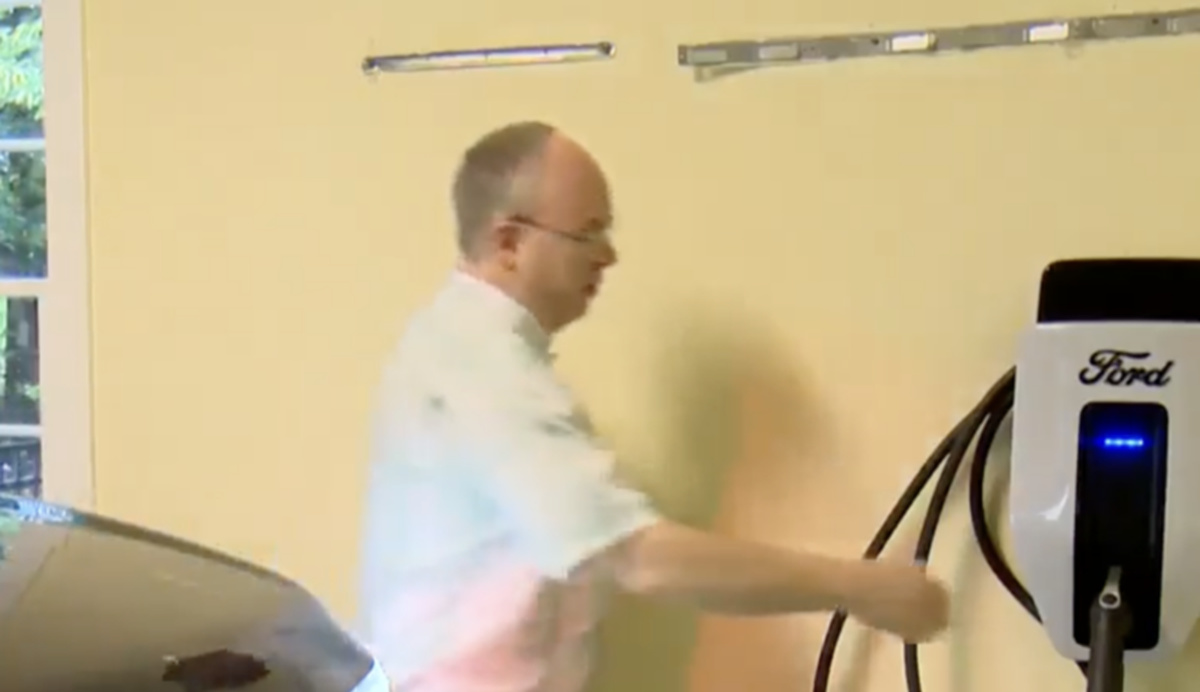
After successive power outages in Maryland, a family began using a Ford F-150 Lightning electric truck as a backup source to power their home, in a test that transforms the truck’s 100 kWh battery into a practical alternative during blackouts
The frequent power outages led the Foreman family in Maryland to transform an electric truck into a backup source for their home through a pilot project that uses the Ford F-150 Lightning with bidirectional charging. The initiative placed the electric truck at the center of a domestic alternative to face blackouts without relying solely on the traditional grid at that moment.
The experience was made possible with the Pro Power Onboard and Intelligent Backup Power features, present in the latest version of Ford’s F-150. With this setup, the truck began to reliably and safely return energy to the home whenever the external supply was interrupted.
The change occurred amid a broader transformation in how electricity is produced and used. Over the past few decades, global generation has stopped relying exclusively on fossil fuels and large power plants, while renewable technologies have progressively gained ground.
-
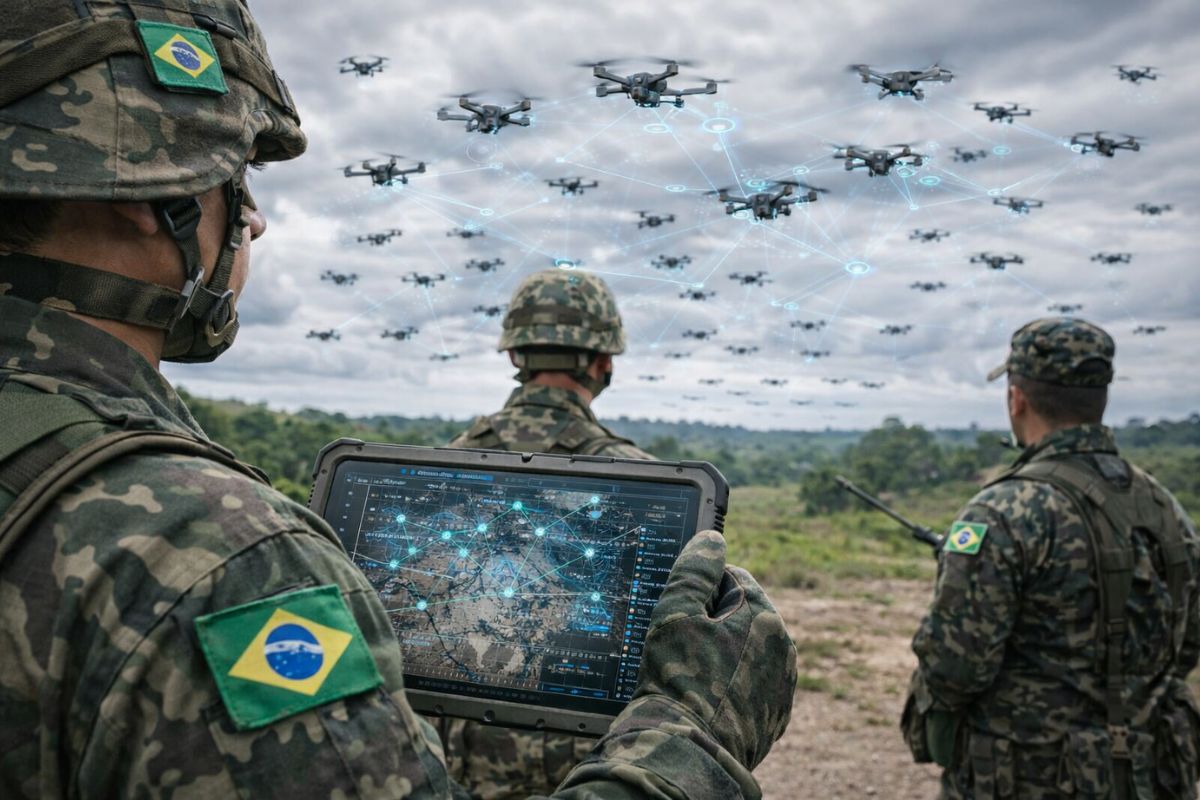
Ukraine is already testing, and China has already shown the world, and now the Brazilian Army is developing its own swarm of autonomous drones with artificial intelligence that share data in real time and operate without centralized control, uniting military and universities.
-
Few people know, but the most nutritious part of wheat has been discarded for decades to produce white flour, and the “polyamine” spermidine activates cellular cleaning, reduces mortality, and may slow down memory loss.

-
NASA and China issued a joint alert because a 60-meter rock could hit the Moon, and the impact could generate a storm of debris in space that would knock out the internet, satellites, and GPS worldwide for years.

-
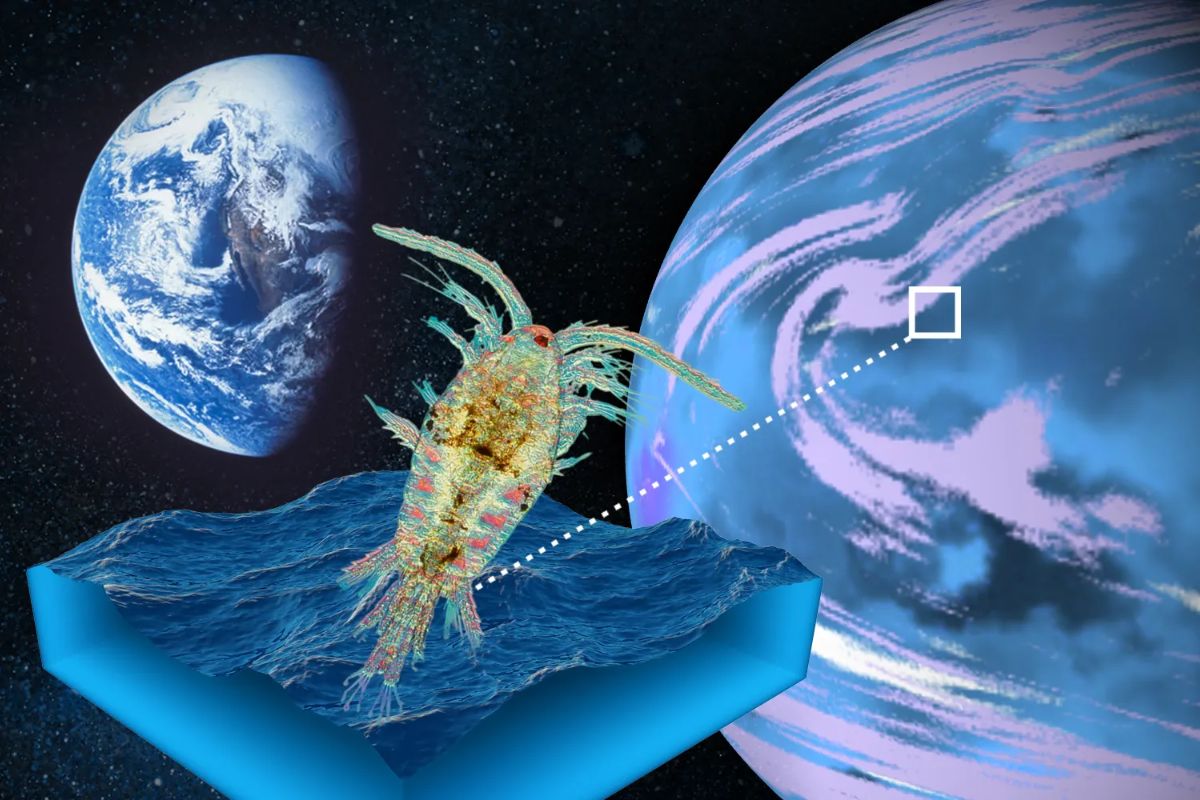
What the James Webb telescope found on the planet K2-18b is raising alarms in the scientific community: gases that on Earth only exist because of living organisms have been detected in the atmosphere of an oceanic world 124 light-years away from us.

From centralized generation to the advancement of renewables
The structure of the global electricity subsector has changed significantly over the past few decades. For a long time, energy supply was concentrated in refineries, fossil fuels, and nuclear plants, but this scenario began to share space with innovations related to renewable sources.
The numbers show the extent of this change over time. In 2000, the combined production of solar and wind energy accounted for only 0.2% of global electricity, while in 2023 this percentage reached 13.4%.
This advancement occurred alongside an accelerated technological evolution in the sector. Renewable generation has taken on a more significant role not only for environmental reasons but also in the pursuit of more distributed and adaptable solutions for everyday use.
Solar technology has also expanded possibilities
Recent innovation has not been limited to the scale of power plants or residential systems. For decades, conventional silicon solar panels dominated the market, but in recent years there has been a shift to perovskite, a mineral-like material that has begun to gain traction in the solar sector.
Last year, certified perovskite-silicon tandem cells achieved 34.85% efficiency. This performance reinforced the perception that renewable technology continues to advance at a steady pace, with the potential to change how homes and cities can be powered.
Solar energy has also begun to occupy new spaces in the urban environment. New types of solar trees have started to be used as public lighting poles in some cities, expanding the use of sunlight beyond more traditional formats.
Electric truck became a domestic energy source
It was in this context that the Foreman family decided to act in response to the constant power outages in their city. Instead of relying solely on the normalization of the grid, the residents joined a pilot project that allowed them to use the family’s electric truck as the primary source of energy for their home.
The Ford F-150 Lightning used by the family includes features designed for this type of application. The system was designed to return electricity from the vehicle’s battery to the home, turning the truck into a kind of mobile energy reserve.
The proposal aligns with a recent trend of viewing electric vehicles as giant batteries. In this model, the vehicle ceases to be just a means of transportation and also takes on an energy function in times of need.
How the system works during a blackout
To operate in this way, the system requires a residential integration software package that allows for bidirectional charging. This setup detects the power outage and automatically reverses the flow, returning the charge to the point of origin, which is the home.
The software developed by Ford performs this detection and controls the reversal of the charging. This allows the electric truck to power the home when the electrical grid fails, without requiring complex manual operation for each interruption.
Current electric trucks typically come with 100 kWh batteries. This capacity is said to be sufficient to keep an average American home running for several days, although for a limited period.
The use of the electric truck as an emergency source arises at a time of alert about energy supply in different parts of the world. Amid crises and tensions that pressure supply, the experience of the Maryland family demonstrates a direct application of automotive technology within the home, with the potential to keep the lights on in the worst scenarios.







Seja o primeiro a reagir!