





 Portuguese
  English
  Spanish
  4 min of reading
  0 comments


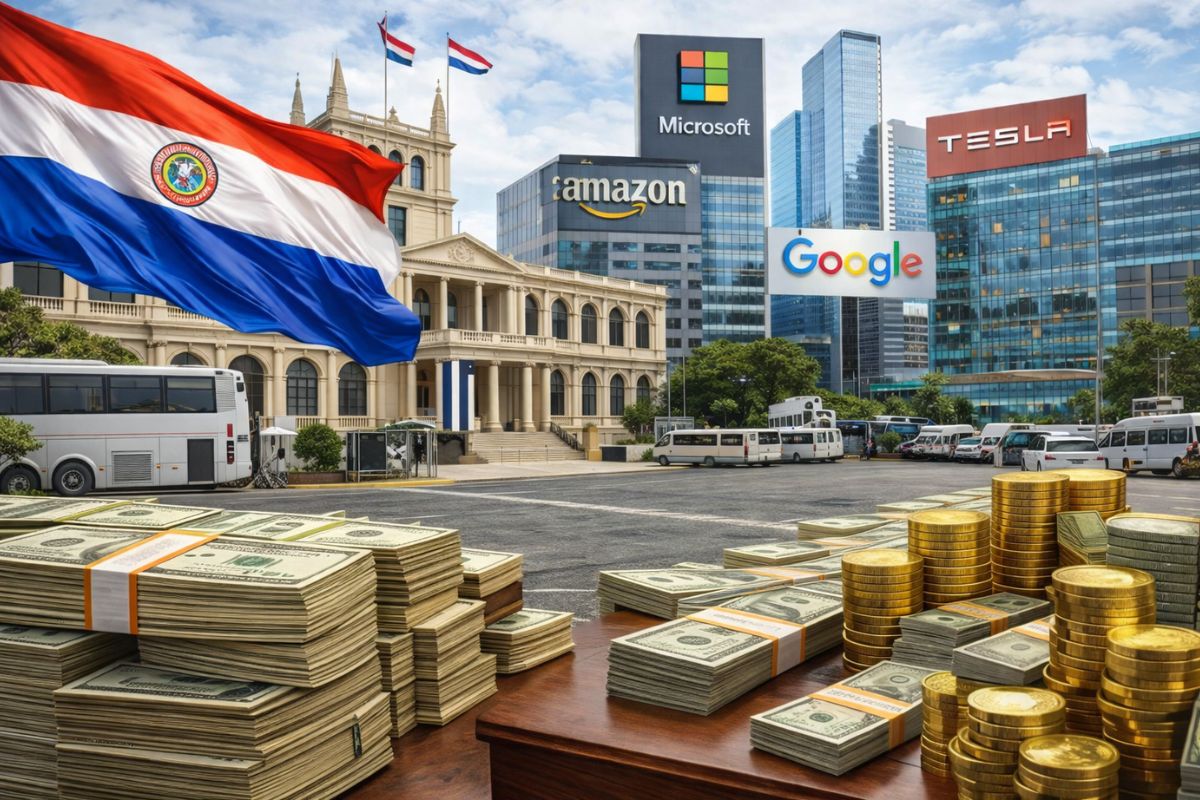
Paraguay regulated the maquila regime, expanding the model to include service companies with VAT credit refunds and low tax burden as a strategy to attract foreign investments in technology, remote services, and administrative processes with the expectation of diversifying exports and strengthening the trade balance.
The president of Paraguay, Santiago Peña, regulated on Monday (6) Law No. 7.547/2025, which modernizes the country’s maquila regime, a model that allows the production of goods and the provision of services with tax incentives aimed at export. According to information from the portal Poder 360, the big news is that Paraguay formally includes service companies in the regime, opening the doors for foreign technology, remote services, and administrative process companies to settle in the country with a reduced tax burden and a refund of 0.5% of the VAT credit.
The regulation took about two years of discussions between the Ministry of Industry and Commerce, the National Directorate of Tax Revenues, and the Ministry of Economy and Finance. The divergences revolved around how to structure investment regimes without compromising revenue, but the final result bets on a clear equation: Paraguay accepts collecting less per company in exchange for attracting many more companies. The maquila services sector already employs about 4,000 people in the country, and the government’s expectation is that this number will grow significantly with the new rules.
What is the maquila regime and why does it matter to Paraguay
Maquila companies are firms that produce goods or provide services in a country with a focus on export, operating under specific tax incentives.
-
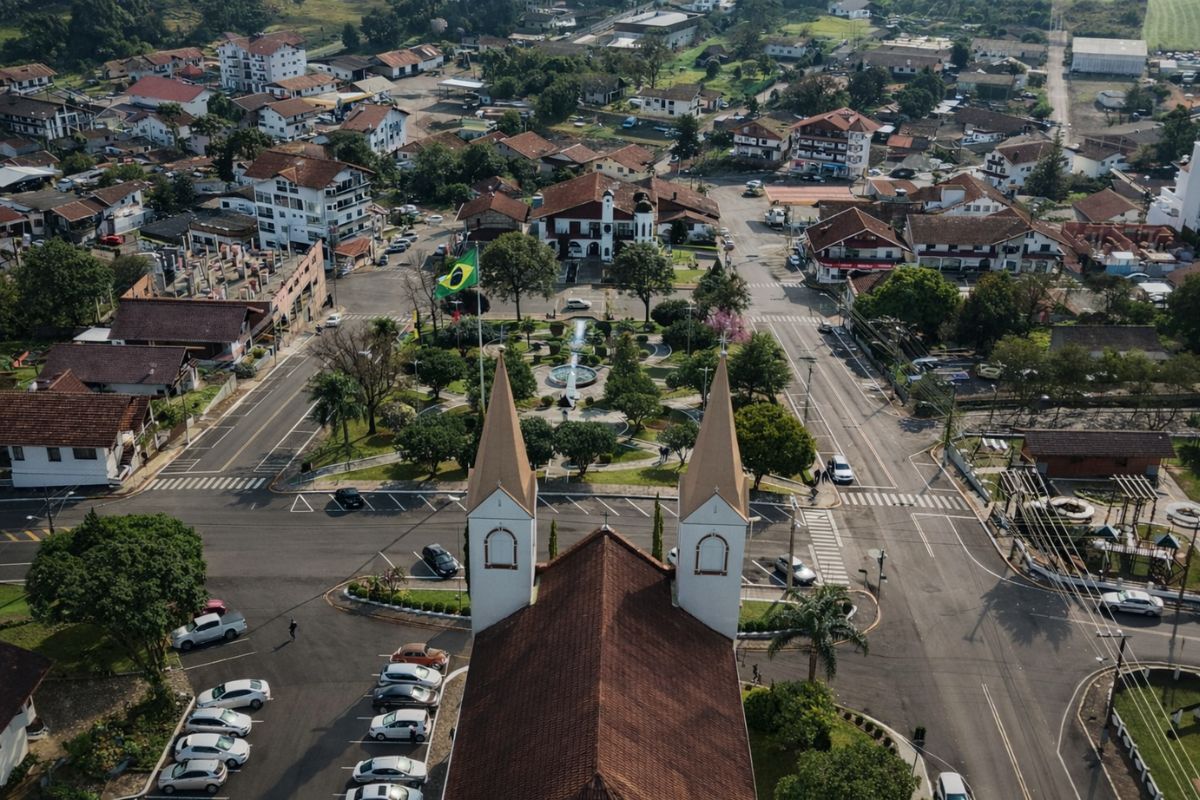
The Brazilian city founded by a former Austrian minister that preserves Tyrolean dialect, alpine architecture, and a centennial festival in Santa Catarina; with fewer than 10,000 inhabitants, Treze Tílias has become a rare symbol of European heritage.
-
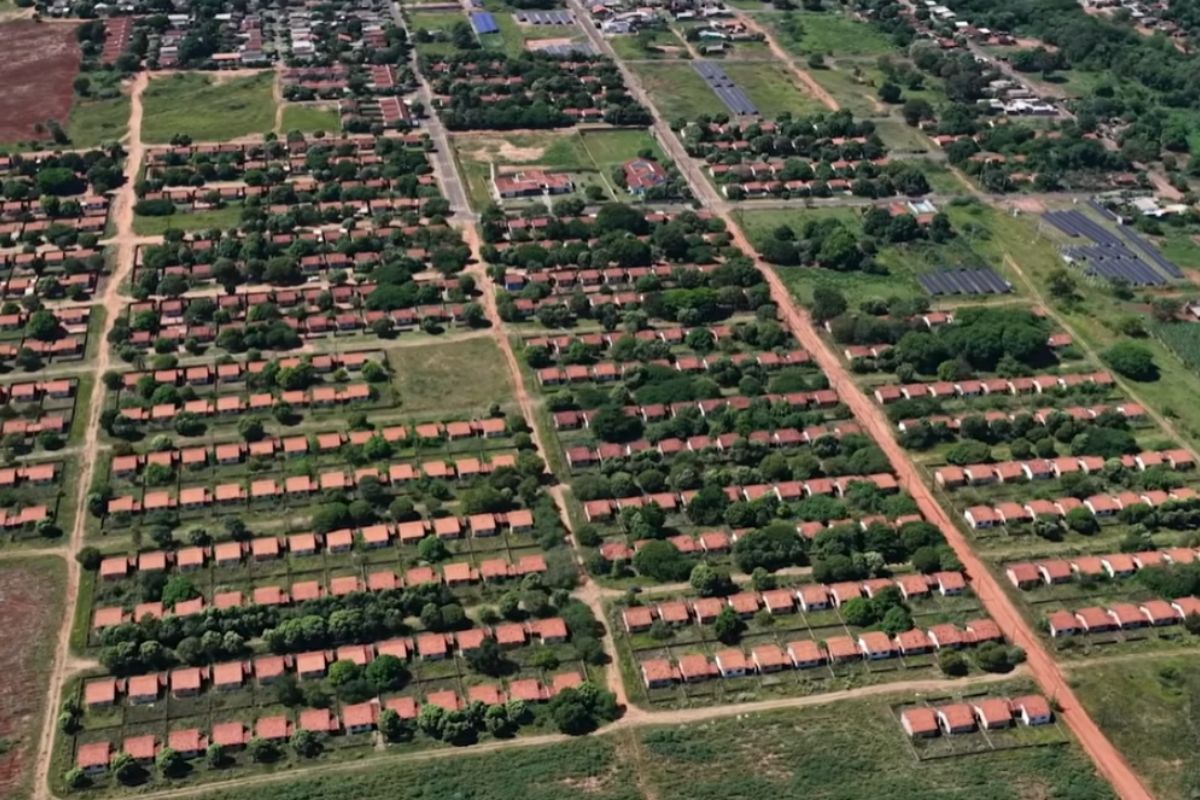
It looks like a movie scene: a traveler enters Paraná City, in the northwest of Paraná, and finds 900 new houses all abandoned; the village of the Santa Terezinha plant became empty after machines replaced manual sugarcane cutters.
-
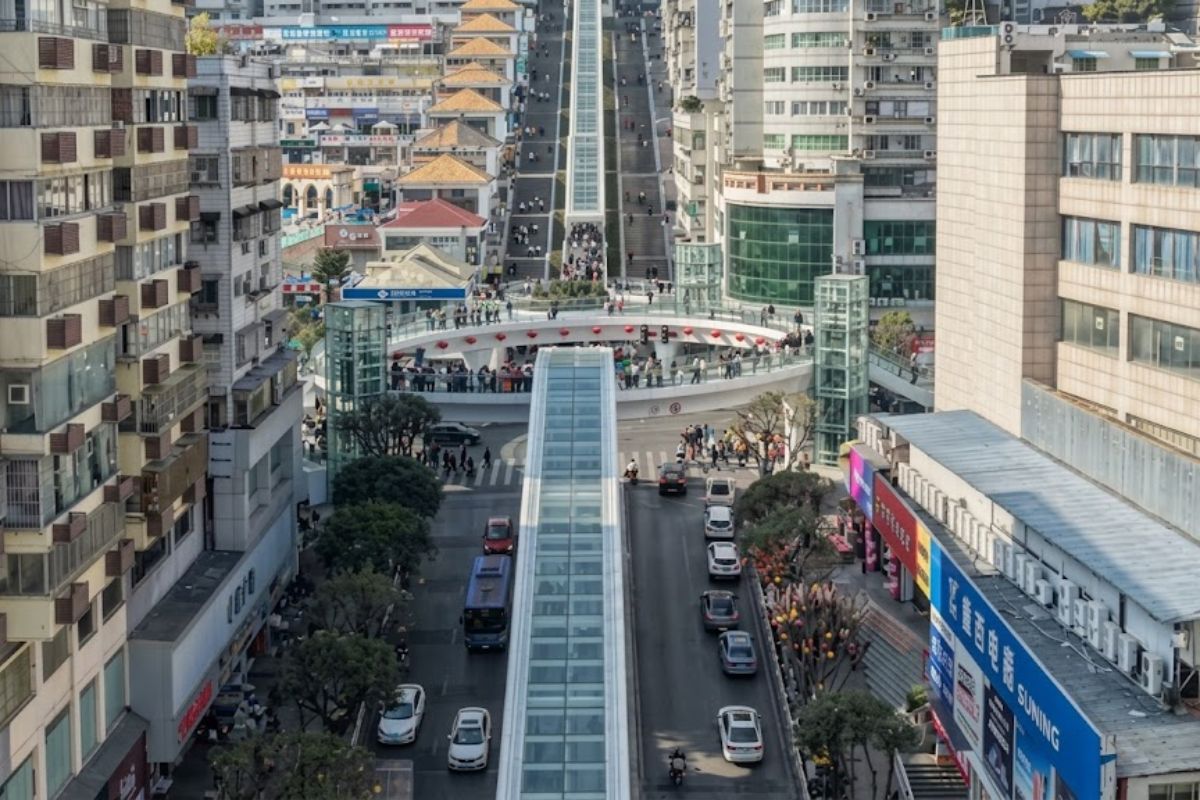
China has just inaugurated the world’s largest outdoor escalator, measuring 914 meters in length, with 21 connected escalators and a journey time of 20 minutes, transporting 9,000 people per day up the mountain in Wushan County.
-
You don’t need to go far: just 3 hours from São Paulo, a city draws attention with waterfalls up to 60 meters, a historic trail, a peak over 2,000 meters, and even clouds below the trails.

In the model adopted by Paraguay, foreign companies can send inputs, technology, or hire local services with a reduced rate on the value added and exemption from taxes on the import of inputs.
The result of the work is destined for the external market; Paraguay provides labor, infrastructure, and incentives, while the company provides capital, technology, and access to markets.
Until now, the Paraguayan regime was more associated with the assembly industry of products, processing of raw materials, and textile manufacturing. With the regulation of the new law, Paraguay expands the scope to services, which completely changes the profile of companies that can benefit.
Technology companies, call centers, data processing companies, and administrative service providers now have concrete reasons to consider the country as an operational base.
What changes in practice with Paraguay’s regulation
The first structural change is the formal inclusion of service companies in the maquila regime. Previously, the model was predominantly aimed at the production of physical goods.
Now, Paraguay allows service companies to request a VAT credit refund at a rate of 0.5%, which reduces operational costs and makes the country more competitive against neighbors competing for the same investments.
The second change is institutional. The government expanded the governance of the sector by including the National Directorate of Tax Revenues and the Ministry of Labor in the National Council of the Export Maquila Industry.
This means that decisions about the regime will now have direct participation from the bodies that handle revenue and employment—a sign that Paraguay wants the model to function with a balance between tax incentives and the generation of formal jobs.
Additionally, the government announces simplification of administrative processes and incorporation of technological tools to reduce the time required to open new companies.
Why Paraguay wants to attract foreign companies with tax incentives

Paraguay’s strategy is straightforward: use tax incentives as a tool to compensate for structural limitations and attract external capital that generates jobs and exports.
President Santiago Peña stated that “the best social policy is decent and quality employment” and that the goal is not only to create jobs but to ensure competitive salaries that allow workers to “realize the dream of home ownership and provide excellent education for their children.”
The government acknowledges that the development of the maquila sector in Paraguay does not depend solely on low taxes. Peña stated that factors such as predictability, economic stability, and workforce qualification are equally important.
But the starting point is competitive: Paraguay already has one of the lowest tax burdens in South America, and the regulation of the maquila regime for services adds another layer of attractiveness for companies looking to reduce operational costs without sacrificing access to regional markets.
What Paraguay hopes to gain from this bet on service maquilas
The official expectation is that the regulation will contribute to increasing exports with higher added value, diversifying markets, strengthening the trade balance, and raising the country’s competitiveness. The maquila services sector already has the presence of international companies in Paraguay and employs around 4,000 people—a number that the government wants to multiply with the new rules.
For Paraguay, the bet on services makes strategic sense. While traditional maquila industry requires heavy investment in physical infrastructure, technology and remote service companies basically need connectivity, office space, and a qualified workforce.
The entry cost is lower, job generation per real invested is higher, and the potential for scale is virtually unlimited.
If Paraguay can deliver regulatory predictability and professional qualification along with tax incentives, it can position itself as a service hub for all of South America, directly competing with Colombia and Costa Rica, which already occupy this space.
What do you think of Paraguay’s strategy to attract companies with tax incentives? Would this model work in Brazil? Leave your opinion in the comments.







Seja o primeiro a reagir!